Woman using glucometer on blue background, top view

Diabetes Epidemiology

Our team aims to improve the understanding of the development of type 2 diabetes and related chronic diseases as well as the identification of high-risk individuals in order to open new avenues for personalized prevention.

Our team aims to improve the understanding of the development of type 2 diabetes and related chronic diseases as well as the identification of high-risk individuals in order to open new avenues for personalized prevention.

About our Research

The research focus of this working group centers around the identification of novel determinants for type 2 diabetes and other major chronic diseases related to type 2 diabetes, such as cardiovascular diseases and chronic kidney disease and to investigate their interrelationship. Furthermore, we aim to assess the determinants of healthy ageing.

The research group contributes to the conduct of the Cooperative Health Research in the Region of Augsburg (KORA) and the German National Cohort (NAKO) studies, two large population-based cohort studies examining risk factors for common chronic diseases in Germany.

Members of the research group contribute to several large international consortia in the field of cardio-metabolic diseases such as MORGAM, BiomarCaRE, DIRECT and SCALLOP as well as to research within the German Center for Diabetes Research (DZD) and the German Center for Cardiovascular Research (DZHK).

People at Diabetes Epidemiology

Porträt Barbara Thorand
Prof. Dr. Barbara Thorand

Head of Research Group 'Diabetes Epidemiology', MPH, Nutritional Scientist, Epidemiologist

View profile

Porträt Andrea Schneider
Andrea Schneider

Data Manager

Porträt Feiling Ai
Feiling Ai

PhD Student

Porträt Estelle Bruckner
Estelle Madlen Bruckner

PhD Student

Porträt Luo Hong
Hong Luo

Postdoc

Porträt EPI Nuha Shugga Addin
Nuha Shugaa Addin

Postdoc, HMGU

Marie-Theres Huemer

Postdoc

Clara Schidelko

Masterstudent

Biomarker Discovery for Diagnostic and Prognostic Purposes

Our Topics

Identification of Novel Molecular Biomarkers for Type 2 Diabetes and Related Chronic Diseases

We aim to identify new molecular biomarkers related to the development of type 2 diabetes, cardio-renal outcomes, fatty liver disease and neuropathy in order to clarify the underlying pathophysiological pathways and to develop new algorithms for improved prediction of future disease development in order to identify high risk groups. With regard to new biomarkers our research focus lies in the area of markers of subclinical inflammation, endothelial function, vitamin D, steroid hormones and targeted proteomics approaches using mass-spectrometry as well as proximity-extension methods.

Sneakers, water, towel and earphones on the wooden background

Lifestyle and Development of Type 2 Diabetes and Cardiovascular Diseases

We aim to further elucidate the role of lifestyle factors such as dietary habits, physical activity, smoking and dietary supplement use with regard to type 2 diabetes and cardiovascular disease development as well as the interaction between these lifestyle factors and molecular biomarkers for these chronic diseases.

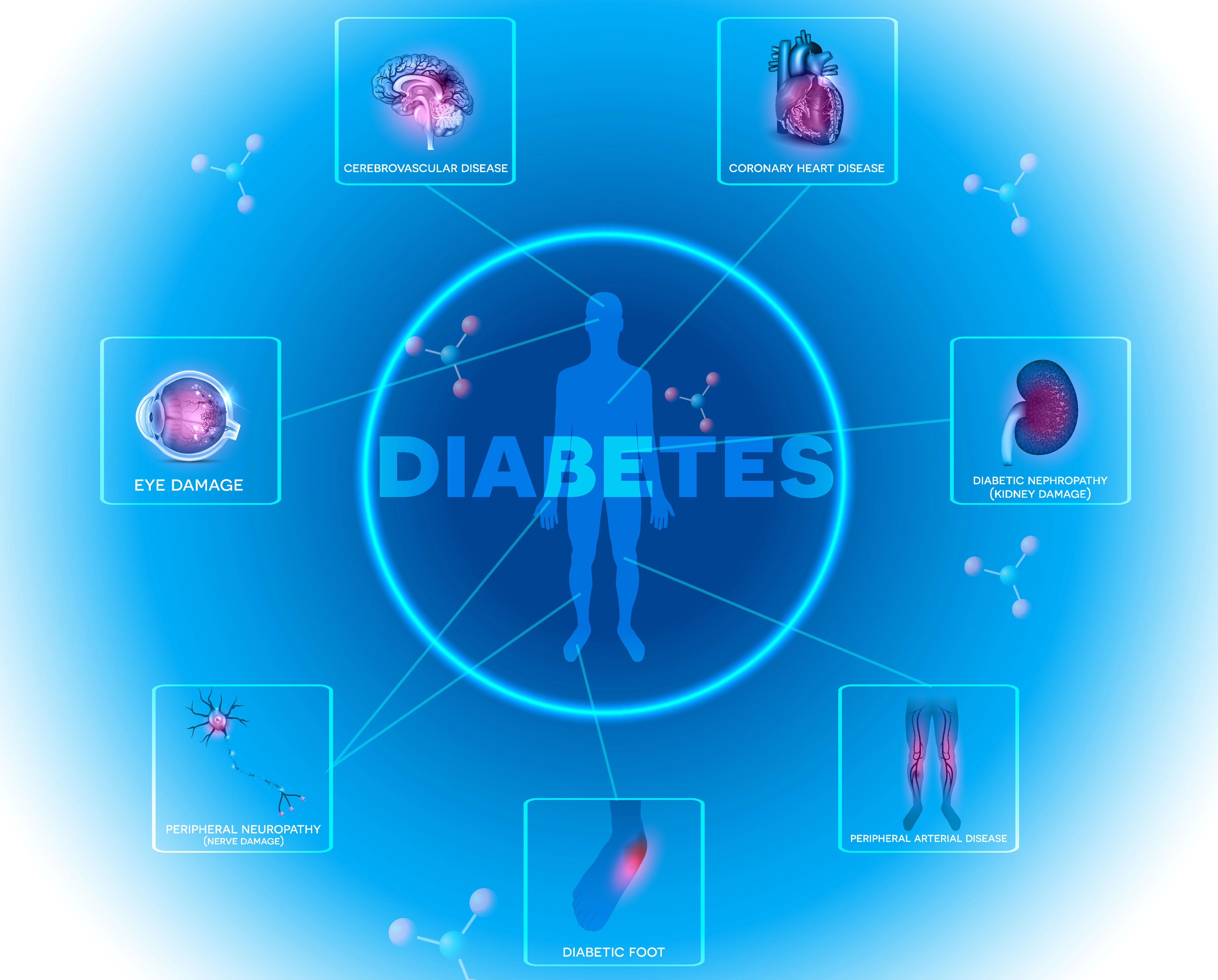
Diabetes affected organs

Early Derangements in Glucose Metabolism and Risk of Micro- and Macrovascular Complications

We aim to examine the impact of early derangements in glucose metabolism on the development of micro- and macrovascular complications. Specifically we are assessing the link between novel prediabetes subtypes and cardiovascular outcomes, chronic kidney diseases, neuropathy as well as premature mortality.

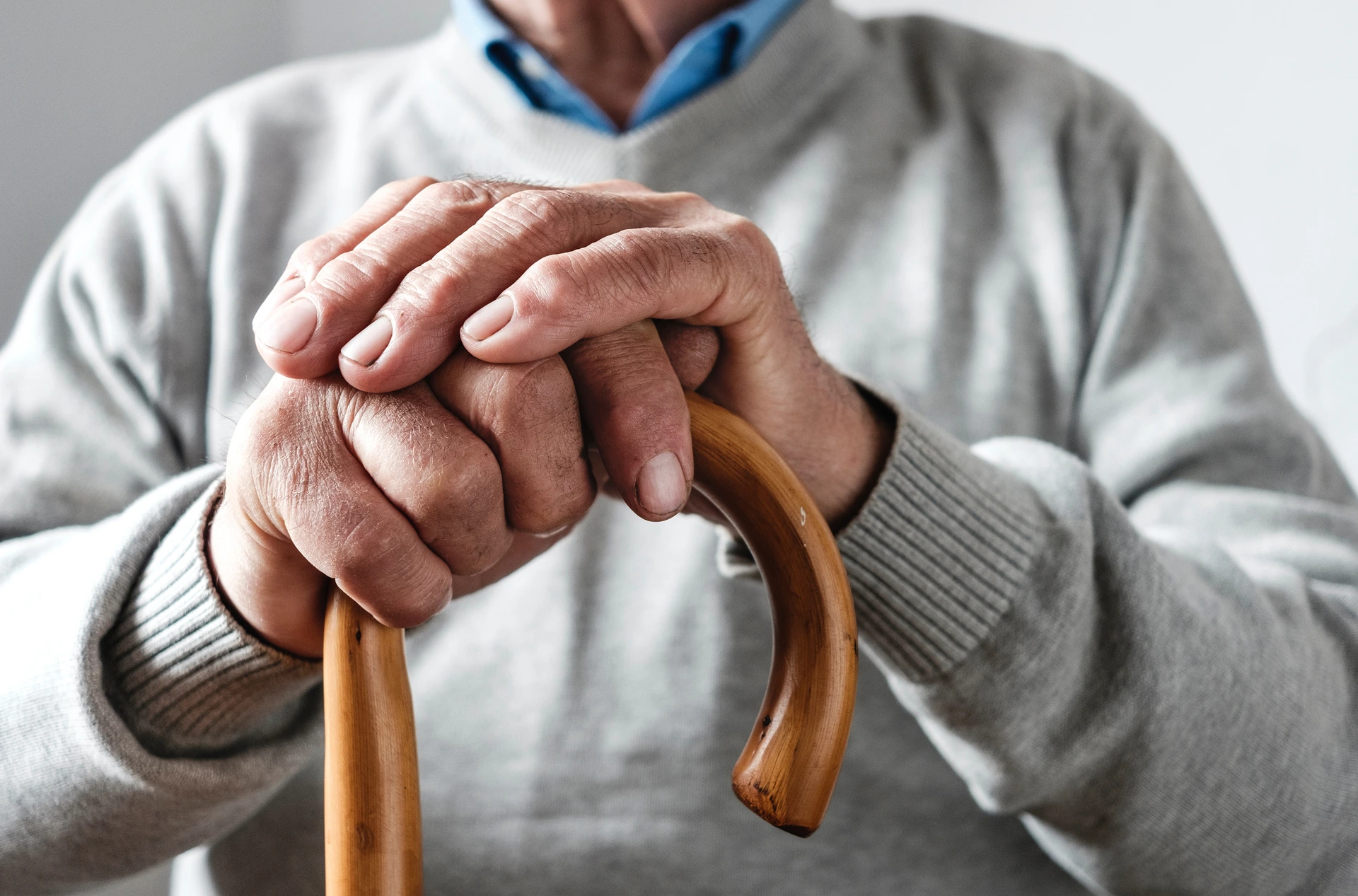
Hands of an elderly man resting on a walking cane

Determinants of Healthy Ageing

Frailty, sarcopenia, sarcopenic obesity as well as multimorbidity can have a major impact on the maintenance of functioning, personal autonomy and quality of life in aged people. Therefore, we aim to identity the determinants of these conditions in aged individuals in order to develop effective prevention strategies to delay or prevent their development. Specifically we are interested in the role of diet, dietary supplement use, vitamin D and physical activity but we also aim to identify novel protein biomarkers for these major health threats in aged individuals.

Highlighted Publications

2025 BMC

Huemer MT, Spagnuolo MC, Maalmi H, Wagner R, Bönhof GJ, Heier M, [...], Nano J, Ziegler D, Peters A, Roden M, Thorand B, Herder C.

Phenotype-based clusters, inflammation and cardiometabolic complications in older people before the diagnosis of type 2 diabetes: KORA F4/FF4 cohort study
2024 JAMA

Neumann JT, Twerenbold R, Weimann J, [...], Peters A, Prince RL, Qaderi V, Vasan RS, Salomaa V, Sans S, Smith JG, Söderberg S, Thorand B, Tonkin AM, Tunstall-Pedoe H, Veronesi G, Watanabe T, Watanabe M, Zeiher AM, Zeller T, Blankenberg S, Ojeda F.

Prognostic Value of Cardiovascular Biomarkers in the Population

Huemer MT, Petrera A, Hauck SM, Drey M, Peters A, Thorand B.

Proteomics of the phase angle: Results from the population-based KORA S4 study

Nano J, Schöttker B, Lin JS, Huth C, Ghanbari M, Garcia PM, Maalmi H, Karrasch S, Koenig W, Rothenbacher D, Roden M, Meisinger C, Peters A, Brenner H, Herder C, Thorand B.

Novel biomarkers of inflammation, kidney function and chronic kidney disease in the general population

Contact Head

Porträt Barbara Thorand
Prof. Dr. Barbara Thorand

Head of Research Group 'Diabetes Epidemiology', MPH, Nutritional Scientist, Epidemiologist

Building / Room: 56, 245

View profile