Artificial Neural Network

Our Research.

We discover personalized medical solutions for environmentally triggered diseases.
Our Research.

We discover personalized medical solutions for environmentally triggered diseases.
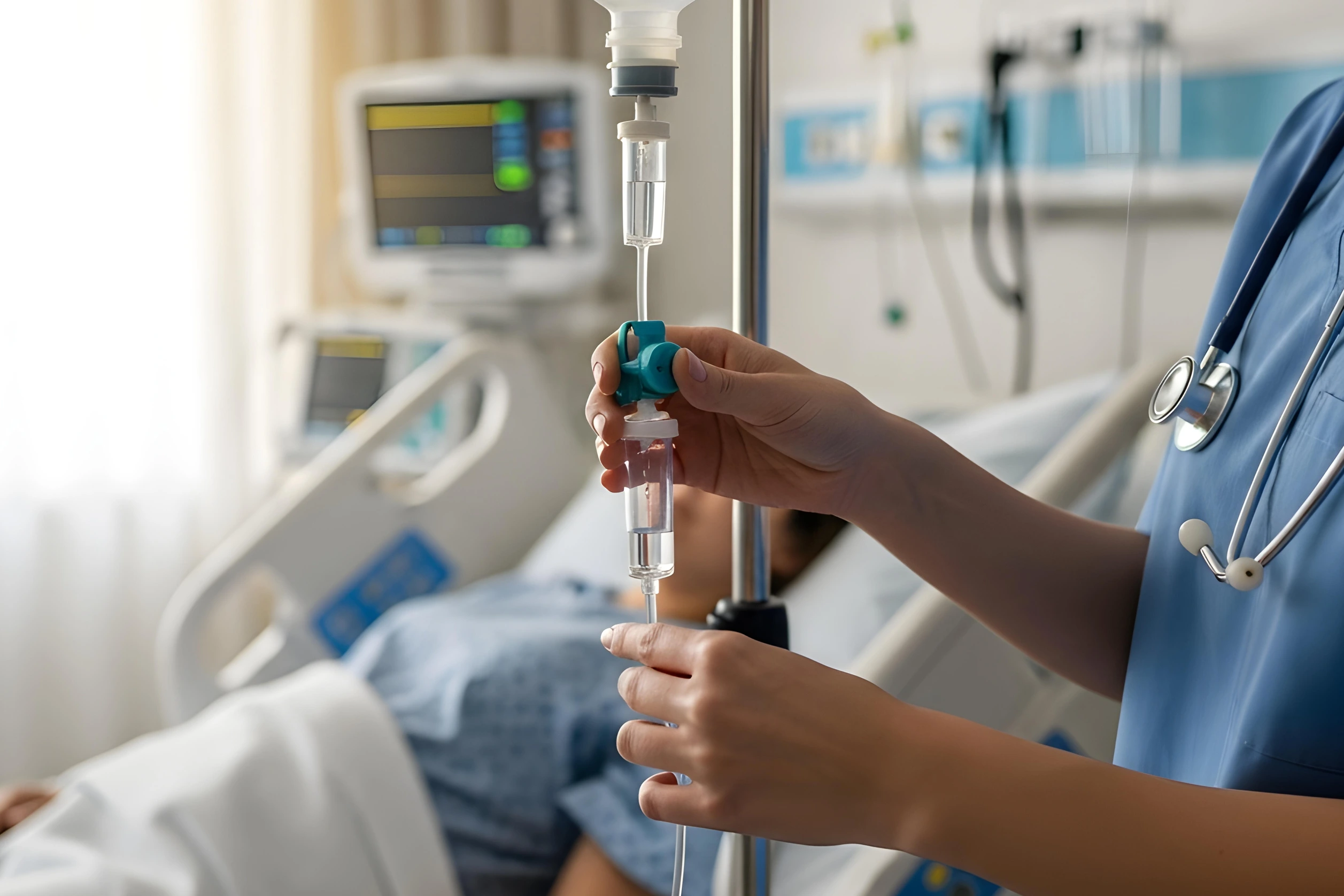
Research Highlights

Research News

Sandra Hummel 1

Awards & Grants, Diabetes, IDF,

Sandra Hummel Awarded the Dr. Heinz Bürger-Büsing Prize

Prof. Sandra Hummel, lead scientist of the research area “Lifestyle, Obesity, and Epigenetic Programming in Type 1 and Gestational Diabetes” at the Institute of Diabetes Research at Helmholtz Munich, has been awarded the Dr. Heinz Bürger-Büsing…

Helmholtz Biomedical Engineering Initiative

AI, Transfer, Bioengineering, IBMI, Pioneer Campus,

Helmholtz Biomedical Engineering Initiative: Shaping the Future of Health

The Helmholtz Association is launching a nationwide biomedical engineering initiative to accelerate technology development and transfer activities. Led by its established Health Centers, “Helmholtz Biomedical Engineering” brings together cutting-edge…

Urban greenery sunlight drops

Climate & Health, Environmental Health, EPI,

PUREPOLIS: New EU Project for Cleaner, Healthier Cities

Helmholtz Munich coordinates a new €4.9 million Horizon Europe project that will support cities with science-based strategies to reduce pollution and protect public health.

corona virus 2019-ncov flu outbreak, covid-19 3d banner illustration, microscopic view of floating influenza virus cells

Environmental Health, EPI,

NAKO Participates in the National Decade of Post-Infectious Diseases

The German National Cohort (NAKO) contributes its scientific expertise to the National Decade of Post-Infectious Diseases initiated by the Federal Ministry of Research, Technology and Space (BMFTR). With two central projects, it makes an important…

Neuron in action

Awards & Grants, Molecular Targets and Therapeutics, VIRO,

Can Ancient Viral Remnants Trigger Alzheimer’s Disease?

Ancient viral remnants embedded in the human genome may be an overlooked driver of Alzheimer’s disease. Dr. Michelle Vincendeau at Helmholtz Munich is investigating how so-called endogenous retroviruses influence disease-relevant mechanisms in human…

Genetic Diagnostic for Type 2 Diabetes

New Research Findings, Computational Health, ITG,

Big Data Make Hidden Genetic Drivers of Type 2 Diabetes Visible

Numerous genetic studies have identified many risk variants for type 2 diabetes (T2D) – but which genes and proteins are actually involved in the disease mechanisms? An international team led by Helmholtz Munich has now used globally collected…

Healthy gut bacteria concept with natural probiotics for immune support.

New Research Findings, Molecular Targets and Therapeutics, INET,

More Than Just Gut Cohabitants: How Gut Bacteria Control Immune Responses

Bacteria in the human gut can directly deliver proteins into human cells, actively shaping immune responses. Led by researchers at Helmholtz Munich, with participation from Ludwig Maximilians University (LMU), Aix Marseille University, Inserm, and…

Intricate network of red capillaries, a detailed view of microscopic blood vessels conveying vitality

New Research Findings, Bioengineering, IBMI,

New Imaging Technology Detects Early Signs of Heart Disease Through the Skin

Researchers from Helmholtz Munich and the Technical University of Munich (TUM) have developed “fast-RSOM”, a new imaging technology that can capture detailed images of the smallest blood vessels directly through the skin – without the need for…

Big data technology data science analysis

AI, New Research Findings, Computational Health, ICB,

BioPathNet: New AI Uncovers Hidden Patterns in Biomedical Knowledge Graphs

A new artificial intelligence (AI) method called BioPathNet helps researchers systematically search large biological data networks for hidden connections – from gene functions and disease mechanisms to potential therapeutic approaches. BioPathNet was…

Maria Keller mit einer Kollegin im Labor

Awards & Grants, Diabetes, HI-MAG,

Adipose Tissue Under the Microscope: Funding for Two Metabolic Health Projects

Dr. habil. Maria Keller, team leader at the Helmholtz Institute for Metabolic, Obesity, and Vascular Research (HI-MAG), an institute of Helmholtz Munich at the University of Leipzig and University of Leipzig Medical Center, has successfully secured…

Anatomical Visualization of Muscles

New Research Findings, Diabetes, IDC,

Weight Loss in Cancer: Organs Respond to the Disease in a Coordinated Way

Cachexia is a metabolic disorder that causes uncontrolled weight loss and muscle wasting in chronic diseases and cancer. A new study by Helmholtz Munich, in collaboration with the Institute of Physiology of the Czech Academy of Sciences in Prague,…

A magnified view of the large intestine's surface, showing its muscular wall and fatty tissue

New Research Findings, Diabetes, HI-MAG,

Not All Belly Fat Is the Same: Colon-Adjacent Fat Interacts With the Immune System

Abdominal fat is not a uniform tissue. A new study from Helmholtz Munich, Karolinska Institutet and Steno Diabetes Center Copenhagen, published in Cell Metabolism, reveals that fat located close to the large intestine contains an unusually high…

Detailed view of a computer interface used by geneticists showing a complex genome mapping software

AI, New Research Findings, Computational Health, ICB,

Pertpy: A Software Toolbox Reveals How Individual Cells Respond to Therapies

With single-cell technologies, researchers can measure millions of cells in parallel and track how each one responds to specific perturbations – targeted interventions such as drug treatments, changes in gene activity or disease-like conditions.…

Diabetes test

New Research Findings, Diabetes, Computational Health, ITG,

Mapping Proteins in African Genomes Reveals New Paths to Fight Type 2 Diabetes

Researchers have conducted the most comprehensive analysis to date linking plasma proteins to genetic variation in individuals from continental Africa. Their work addresses a long-standing gap by studying a population grossly underrepresented in…

Human heart

New Research Findings, Diabetes, IDM,

Normalizing Blood Sugar Can Halve Heart Attack Risk

For the first time, an international analysis has shown that when people with prediabetes bring their blood glucose back into the normal range through lifestyle changes, their risk of heart attack, heart failure, and premature death is cut in half.…

Portrait Ele Zeggini

Awards & Grants, Computational Health, ITG,

Eleftheria Zeggini Appointed to ERC Scientific Council

The European Commission has appointed Prof. Eleftheria Zeggini, Director of the Institute of Translational Genomics at Helmholtz Munich, to the Scientific Council of the European Research Council (ERC). Alongside five newly selected members, she will…

Portrait Jian Cui

Awards & Grants, Pioneer Campus,

Jian Cui Wins Prestigious ERC Consolidator Grant

Dr. Jian Cui, principal investigator at the Helmholtz Pioneer Campus, has been awarded an ERC Consolidator Grant for his project PhotonSignaling. As part of Helmholtz Munich’s innovation hub, Cui belongs to a generation of “Pioneers” turning bold…

Blood flow

Awards & Grants, Environmental Health, LHI, Molecular Targets and Therapeutics, MCD,

Funding for Cell Death Research Extended

Research into a novel form of cell death is entering its next phase and could soon help reduce complications after heart attacks or organ transplants. The Federal Ministry of Research, Technology, and Space (BMFTR) is providing continued support for…
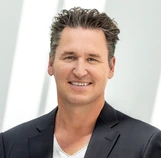
Raffaele Teperino

Awards & Grants, Diabetes,

PRO-SCIENTIA Award for Raffaele Teperino

Dr. Raffaele Teperino, Principal Investigator of the Environmental Epigenetics Group at Helmholtz Munich, has been honored with the PRO-SCIENTIA Award 2025 of the Eckhart-Buddecke Foundation. The award, endowed with 10,000 euros, recognizes…

Neural Cells Interaction

New Research Findings, Molecular Targets and Therapeutics, MCD,

Single Enzyme Failure Found to Drive Neuron Loss in Dementia

Researchers at Helmholtz Munich, the Technical University of Munich and the LMU University Hospital Munich uncovered a mechanism that protects nerve cells from premature cell death, known as ferroptosis. The study provides the first molecular…

Core Facilities

Transfer

Our Researchers

Eleftheria Zeggini

"We discover breakthrough solutions for better health in a rapidly changing world."

to Eleftheria's page

Eleftheria Zeggini

Prof. Dr. Eleftheria Zeggini

Program Director ENABLE

Stephan Herzig

"It is my vision to successfully drive a mechanistic finding into clinical application in the area of obesity-related metabolic dysfunction as well as cancer cachexia."

to Stephan's page
Prof. Dr. Stephan Herzig

Prof. Dr. Stephan Herzig

Director of the Diabetes Center, Scientific Director

Martin Hrabě de Angelis

"Leading science means guiding discovery toward public good – with excellence, integrity, and impact."

to Martin's page

Martin Hrabe de Angelis

Prof. Dr. Dr. h.c. Martin Hrabě de Angelis

Member and Spokesperson of the Executive Board (acting), Director of the Institute of Experimental Genetics, Scientific Director

Fabian Theis

"With AI we can imagine a future where diagnosing and treating diseases is more affordable, widely available, and thus more democratic."

to Fabian's page
Fabian Theis eingefärbt

Prof. Dr. Fabian Theis

Director of the Computational Health Center

Vasilis Ntziachristos

"Our research at Helmholtz Munich is driven by our interest to provide solutions that address critical unmet medical need and positively impact healthcare and the well-being of society."

Porträt Vasilis Ntziachristos, tuerkis Version 2

Prof. Dr. Vasilis Ntziachristos

Director of the Bioengineering Center

Erika von Mutius

"I am a passionate pediatrician scientist. My research focusses on the roots of asthma and allergy development with the aim of ultimately preventing these diseases in children at risk."

Prof. Dr. Erika von Mutius_freigestellt

Prof. Dr. Erika von Mutius

Director of the Environmental Health Center

Magdalena Götz

"My vision is to explore the mechanisms of neurogenesis to use it for instructing neurogenesis for replacement of lost neurons."

Porträt Magdalena Götz

Prof. Dr. Magdalena Götz

Director of the Stem Cell Center

Michael Sattler

"We combine integrative structural biology to elucidate molecular mechanisms of biological pathways, highlighting the essential roles of dynamics and transient regulatory interations to enable innovative structure-based drug discovery."

to Michael´s page
Michael Sattler_freigestellt

Prof. Dr. Michael Sattler

Director of the Molecular Targets & Therapeutics Center