Stem Cell Center

Institute of Developmental Genetics

The Institute of Developmental Genetics (IDG) develops novel genetic tools and gene therapies. Using preclinical mouse and human cell models, it investigates the molecular causes of Parkinson’s disease to advance therapies like somatic cell reprogramming into neurons.

The Institute of Developmental Genetics (IDG) develops novel genetic tools and gene therapies. Using preclinical mouse and human cell models, it investigates the molecular causes of Parkinson’s disease to advance therapies like somatic cell reprogramming into neurons.
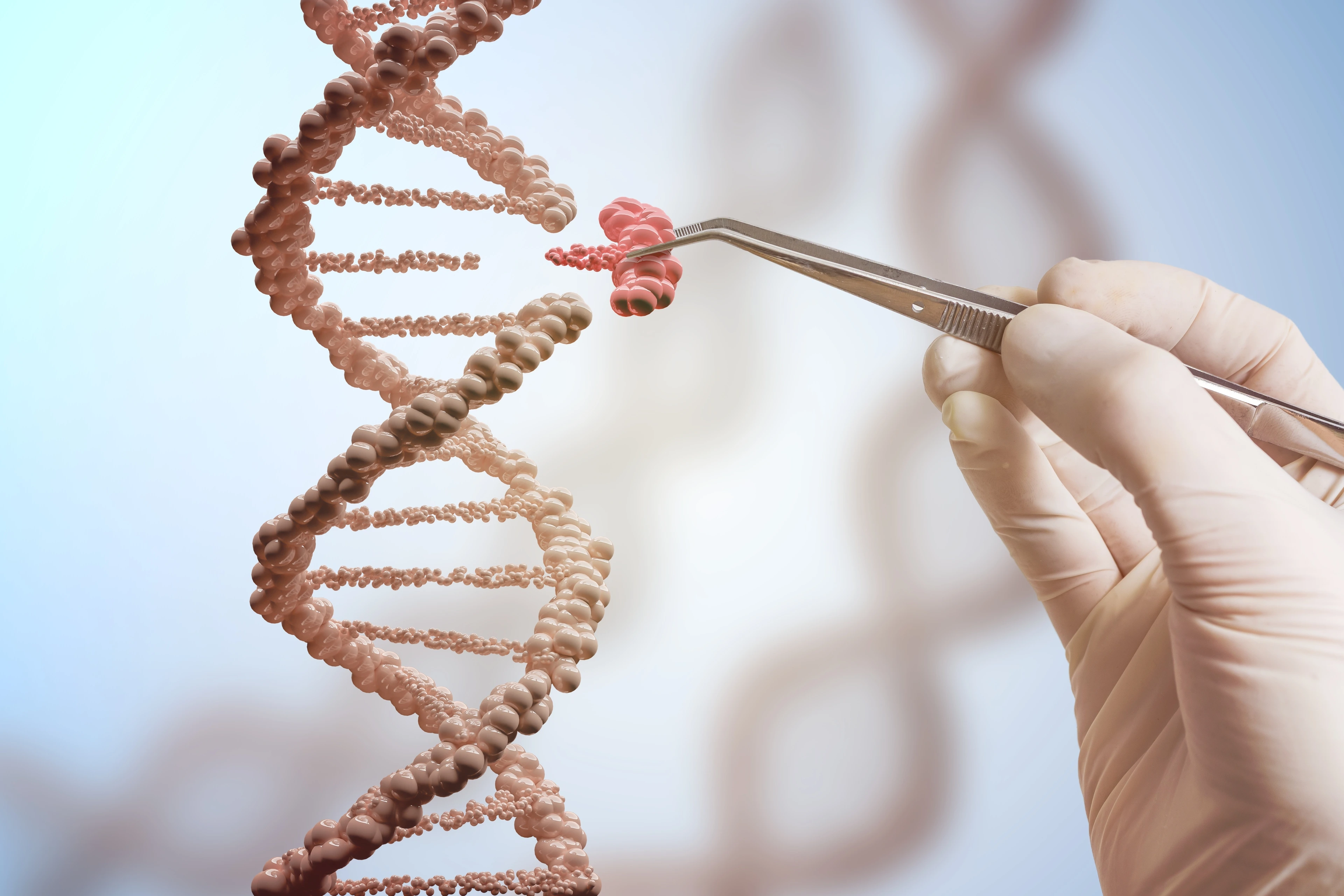
Correcting mutation by genetic engineering

About our Research

Our Research Areas

Genetic engineering and gene manipulation concept. Hand is replacing part of a DNA molecule.

Wurst / Giesert

Genetic Tools Development / Genetherapy

Doctor holding in hand Regenerative Medicine

Wurst / Giesert / Vogt Weisenhorn

Neuroregeneration / Neuroprotection

Laboratory transgenic mouse on the researcher`'s hand

Hölter-Koch

Behavioral Neuroscience

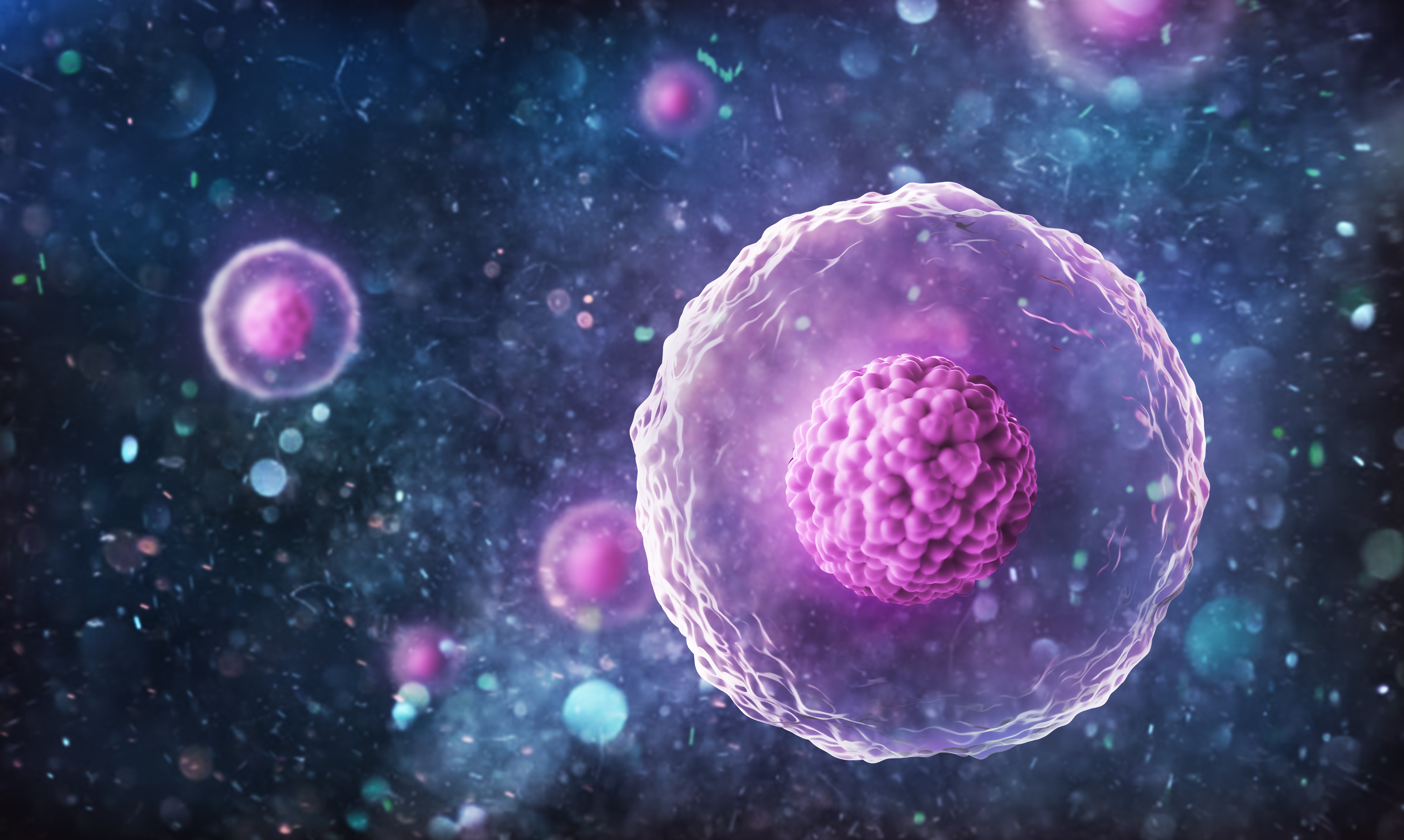
Human (animal) cell under microscope. 3d illustration

Bürger

EUMMCR - European Mouse Mutant Cell Repository

Our News

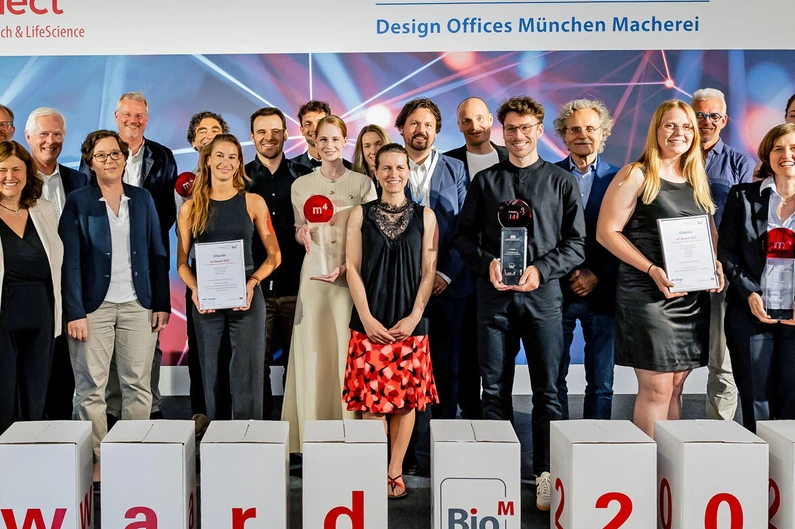
m4_Award_Ceremony_press

AI, Awards & Grants, Stem Cells, IDG, Computational Health, ICB,

m4 Award 2025 Goes to Helmholtz Munich for RNA Therapy Innovation

Researchers at Helmholtz Munich received the pre-seed competition m4 Award 2025 for their project SYNTRA, which develops new methods to deliver RNA-based medicines using artificial intelligence (AI). The award supports innovative medical research in…

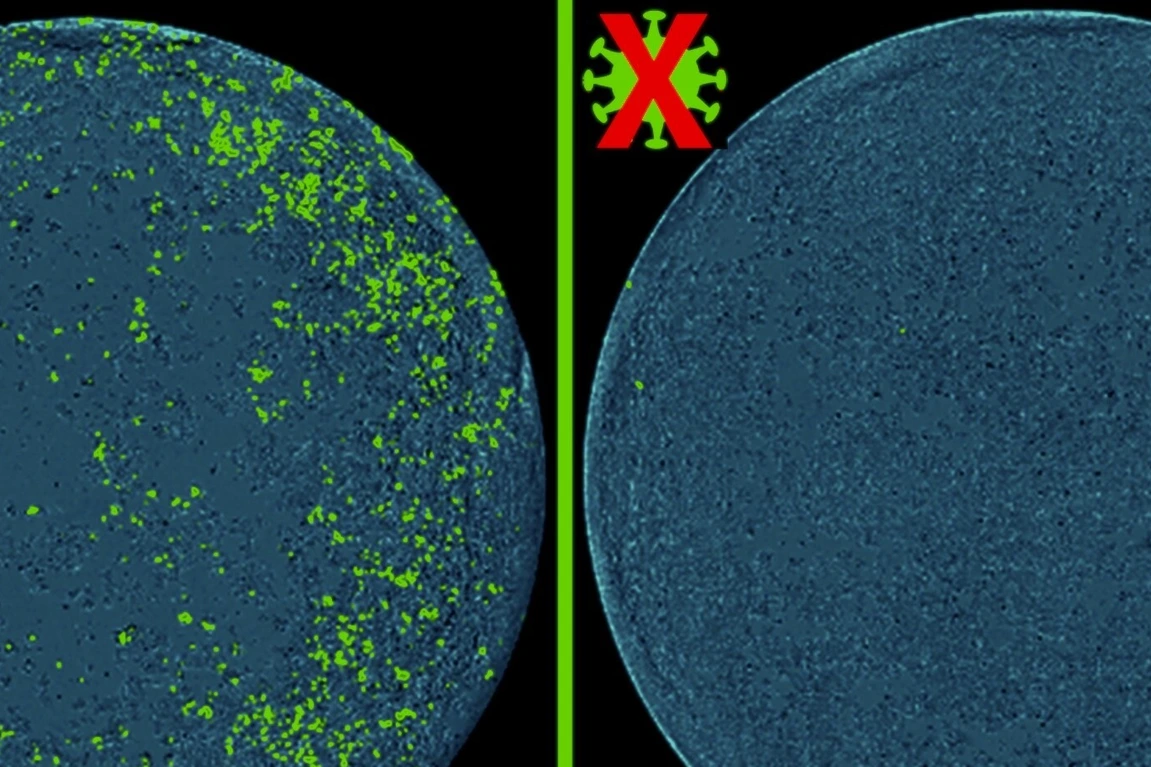
Picture with Cas13d-NCS for Press Release in Cell Discovery 2024

New Research Findings, IDG, VIRO,

Innovative Antiviral Defense With New CRISPR Tool

The rise of RNA viruses like SARS-CoV-2 highlights the need for new ways to fight them. RNA-targeting tools like CRISPR/Cas13 are powerful but inefficient in the cytoplasm of cells, where many RNA viruses replicate. Scientists from Helmholtz Munich…

HMGU_Icon_Stem_Cells

Featured Publication, Stem Cells, IDG, Bioengineering, ISBM,

Breakthrough Discovery Unravels Metabolic Mysteries in Sporadic Parkinson’s Disease Etiology

Sporadic Parkinson's Disease (sPD) is a progressive neurodegenerative disorder influenced by both genetic and environmental factors. While mitochondrial dysfunction contributes to this condition, its role across disease progression remains unclear.…

HMGU_Icon_Stem_Cells

Featured Publication, IDG,

New Insights From Parkinson’s Research: Inhibition of Shh Signal Transduction as a Possible Early Treatment Approach

Parkinson's disease, formerly known as shaking palsy, is the second most common neurodegenerative disease in Germany after Alzheimer's disease. It affects about 400,000 people in Germany alone and can neither be cured nor can its progression be…

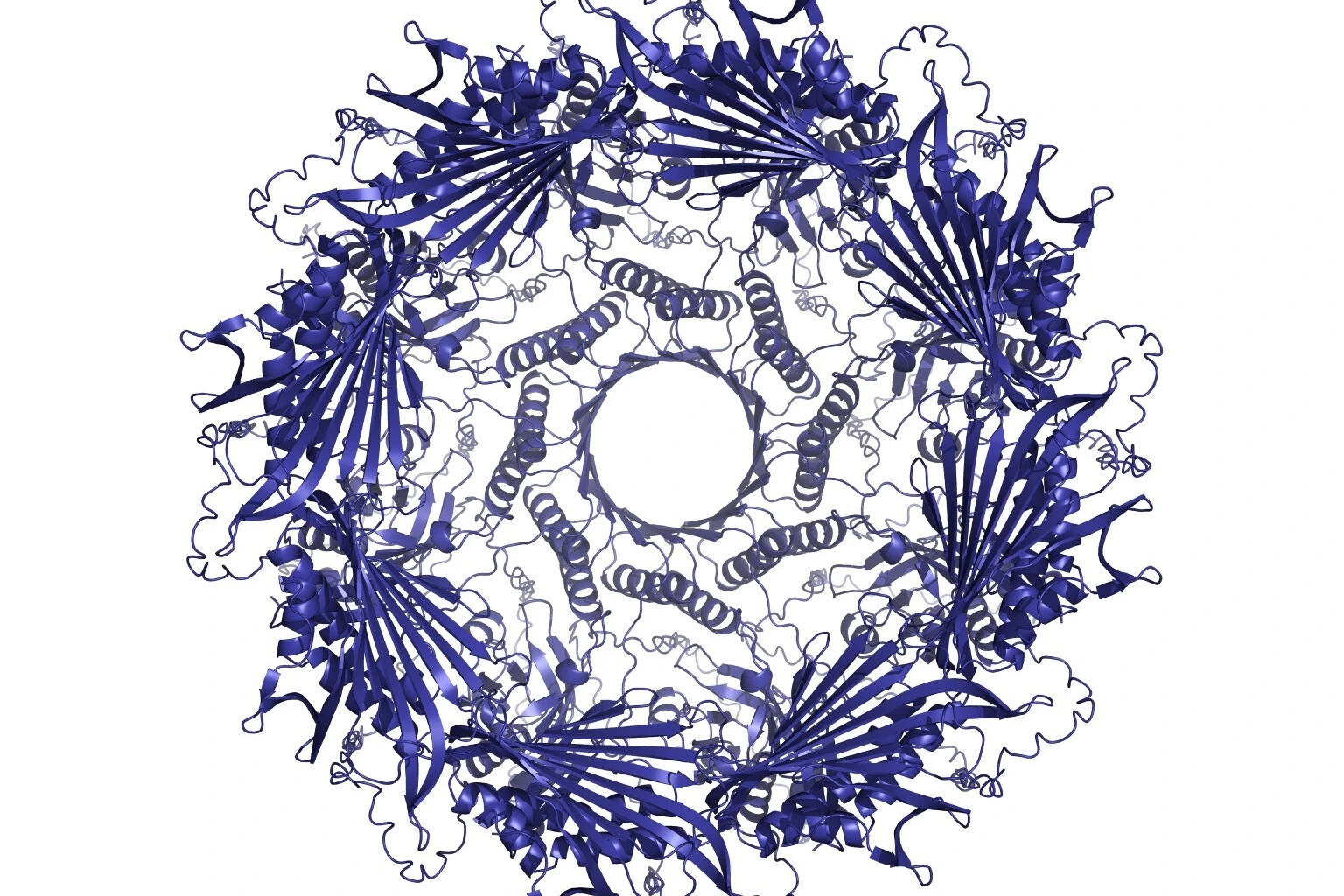
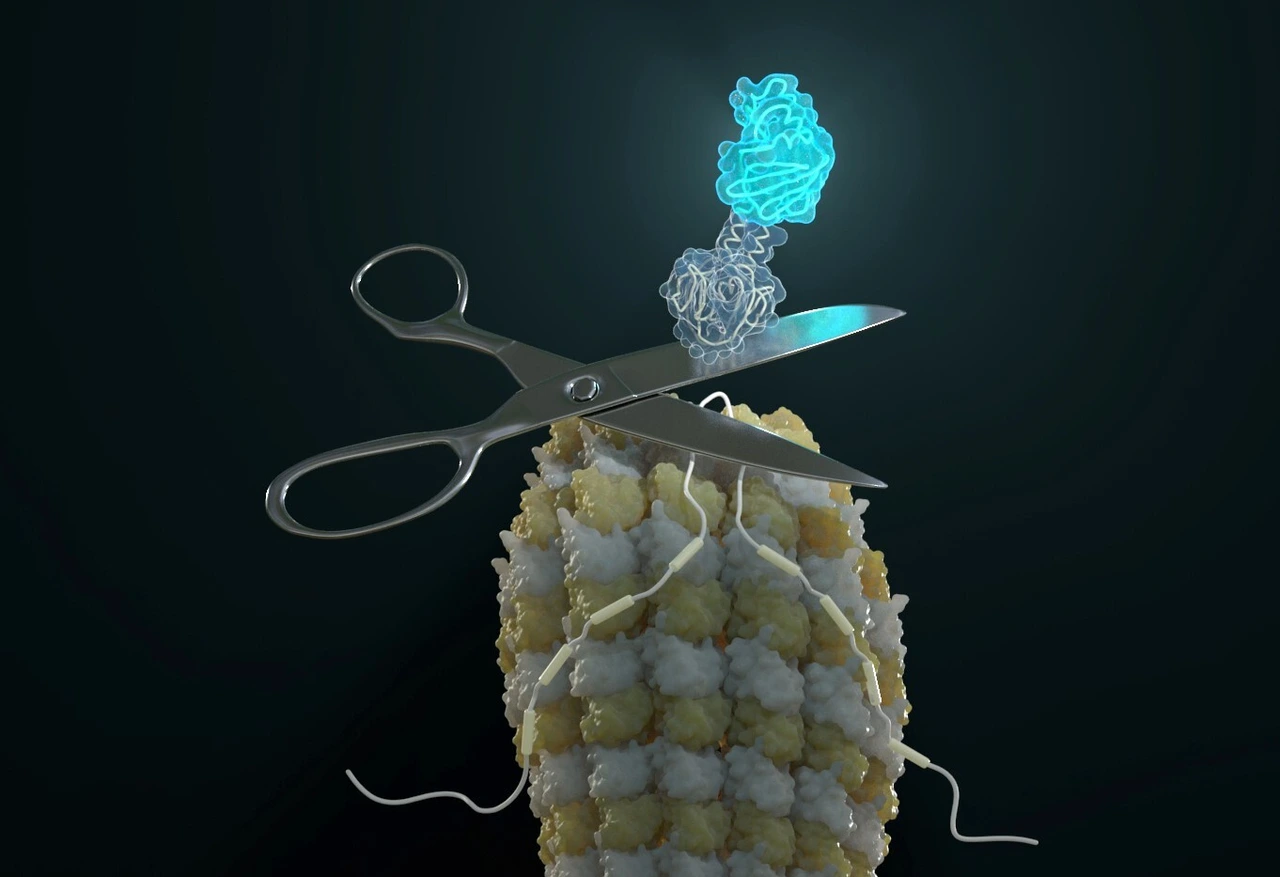
Cover Art: The Cut and Restore Protein Trick: Self-Excising Designer Proteins Report Isoform Expression

New Research Findings, IDG, ISBM,

The Cut and Restore Protein Trick: Self-Excising Designer Proteins Report Isoform Expression

Our proteome is much bigger than our genome because one gene produces several variants of proteins called protein isoforms, whose disbalance is implicated in many diseases. A new bioengineered reporter system developed at Helmholtz Zentrum München…

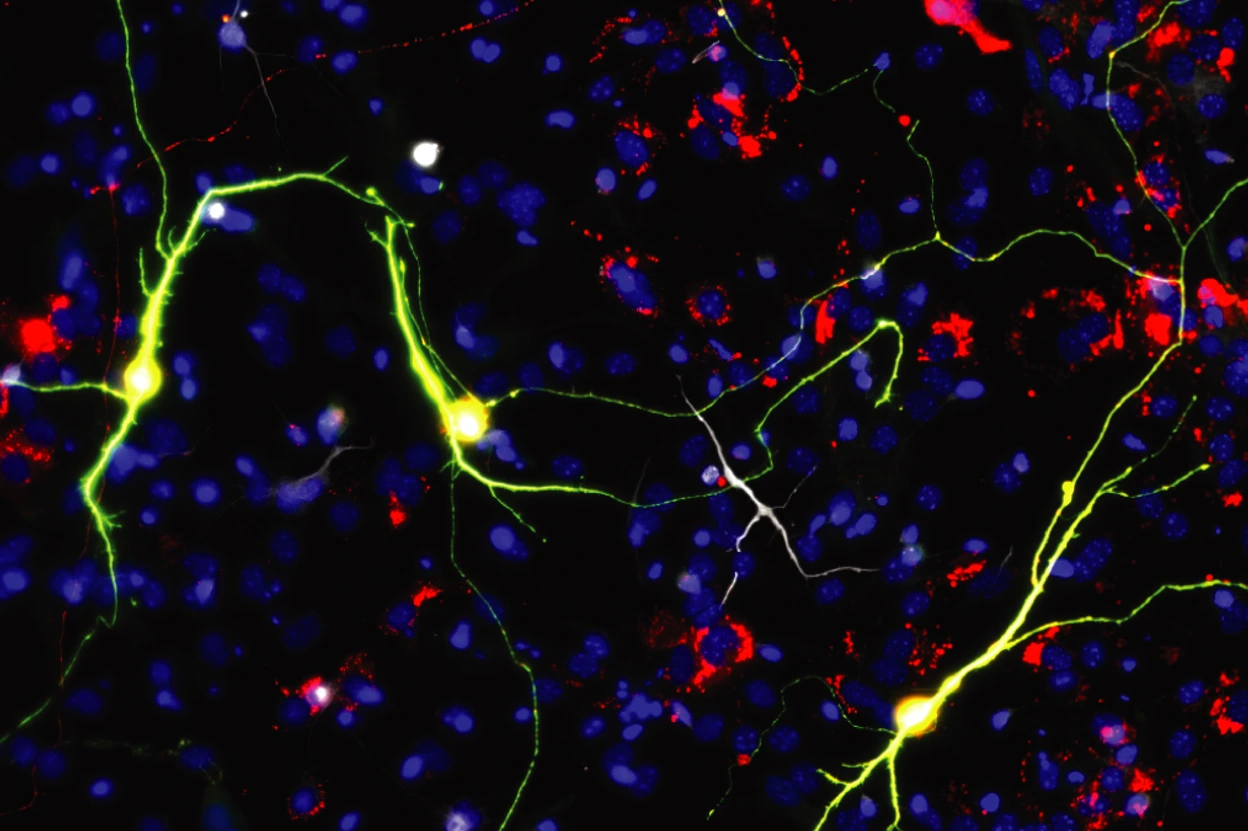
Reprogrammed neurons upon Ascl1 expression and neuron-enriched mitochondrial proteins.

New Research Findings, IDG, ISF,

Researchers Improve Neuronal Reprogramming by Manipulating Mitochondria

The replacement of lost neurons is a holy grail for neuroscience. A new promising approach is the conversion of glial cells into new neurons. Improving the efficiency of this conversion or reprogramming after brain injury is an important step towards…

Genetic engineering and gene manipulation concept. Hand is replacing part of a DNA molecule.

New Research Findings, IDG,

Gene Scissors Against Incurable Muscular Disease

Duchenne type muscular dystrophy (DMD) is the most common hereditary muscular disease among children, leaving them wheelchair-bound before the age of twelve and reducing life expectancy. Researchers at Helmholtz Zentrum München, Technical University…

Highlight Publications

2024 Cell Discov. 2024 Apr 12;10(1):42

Gruber C, Krautner L, Bergant V, Grass V, Ma Z, Rheinemann L, Krus A, Reinhardt F, Mazneykova L, Rocha-Hasler M, Truong DJ, Westmeyer GG, Pichlmair A, Ebert G, Giesert F, Wurst W.

Engineered, nucleocytoplasmic shuttling Cas13d enables highly efficient cytosolic RNA targeting.
2023 Nat Commun. 2023 Nov 23;14(1):7674.

Schmidt S, Stautner C, Vu DT, Heinz A, Regensburger M, Karayel O, Trümbach D, Artati A, Kaltenhäuser S, Nassef MZ, Hembach S, Steinert L, Winner B, Jürgen W, Jastroch M, Luecken MD, Theis FJ, Westmeyer GG, Adamski J, Mann M, Hiller K, Giesert F, Vogt Weisenhorn DM, Wurst W.

A reversible state of hypometabolism in a human cellular model of sporadic Parkinson's disease.
2022 Nat Commun. 2022 Aug 16;13(1):4819.

Schmidt S, Luecken MD, Trümbach D, Hembach S, Niedermeier KM, Wenck N, Pflügler K, Stautner C, Böttcher A, Lickert H, Ramirez-Suastegui C, Ahmad R, Ziller MJ, Fitzgerald JC, Ruf V, van de Berg WDJ, Jonker AJ, Gasser T, Winner B, Winkler J, Vogt Weisenhorn DM, Giesert F, Theis FJ, Wurst W.

Primary cilia and SHH signaling impairments in human and mouse models of Parkinson's disease.
2022 EMBO Mol Med. 2022 May 9;14(5):e14797.

Giehrl-Schwab J, Giesert F, Rauser B, Lao CL, Hembach S, Lefort S, Ibarra IL, Koupourtidou C, Luecken MD, Truong DJ, Fischer-Sternjak J, Masserdotti G, Prakash N, Ninkovic J, Hölter SM, Vogt Weisenhorn DM, Theis FJ, Götz M, Wurst W.

Parkinson's disease motor symptoms rescue by CRISPRa-reprogramming astrocytes into GABAergic neurons.
2021 Cell Stem Cell. 2021 Mar 4;28(3):524-534.e7.

Russo GL, Sonsalla G, Natarajan P, Breunig CT, Bulli G, Merl-Pham J, Schmitt S, Giehrl-Schwab J, Giesert F, Jastroch M, Zischka H, Wurst W, Stricker SH, Hauck SM, Masserdotti G, Götz M.

CRISPR-Mediated Induction of Neuron-Enriched Mitochondrial Proteins Boosts Direct Glia-to-Neuron Conversion.
2020 Nat Med. 2020 Feb;26(2):207-214.

Moretti A, Fonteyne L, Giesert F, Hoppmann P, Meier AB, Bozoglu T, Baehr A, Schneider CM, Sinnecker D, Klett K, Fröhlich T, Rahman FA, Haufe T, Sun S, Jurisch V, Kessler B, Hinkel R, Dirschinger R, Martens E, Jilek C, Graf A, Krebs S, Santamaria G, Kurome M, Zakhartchenko V, Campbell B, Voelse K, Wolf A, Ziegler T, Reichert S, Lee S, Flenkenthaler F, Dorn T, Jeremias I, Blum H, Dendorfer A, Schnieke A, Krause S, Walter MC, Klymiuk N, Laugwitz KL, Wolf E, Wurst W, Kupatt C.

Somatic gene editing ameliorates skeletal and cardiac muscle failure in pig and human models of Duchenne muscular dystrophy.

Networks and Affiliations

Logo Technische Universität München
Logo LMU - Ludwig-Maximilians-Universität München
Max-Planck-Gesellschaft