Helmholtz Diabetes Center
Institute of Translational Stem Cell Research
The Institute of Translational Stem Cell Research (ITS) aims to develop a new advanced cell therapy to carry out clinical studies in type 1 diabetes patients.
The Institute of Translational Stem Cell Research (ITS) aims to develop a new advanced cell therapy to carry out clinical studies in type 1 diabetes patients.
About our Research
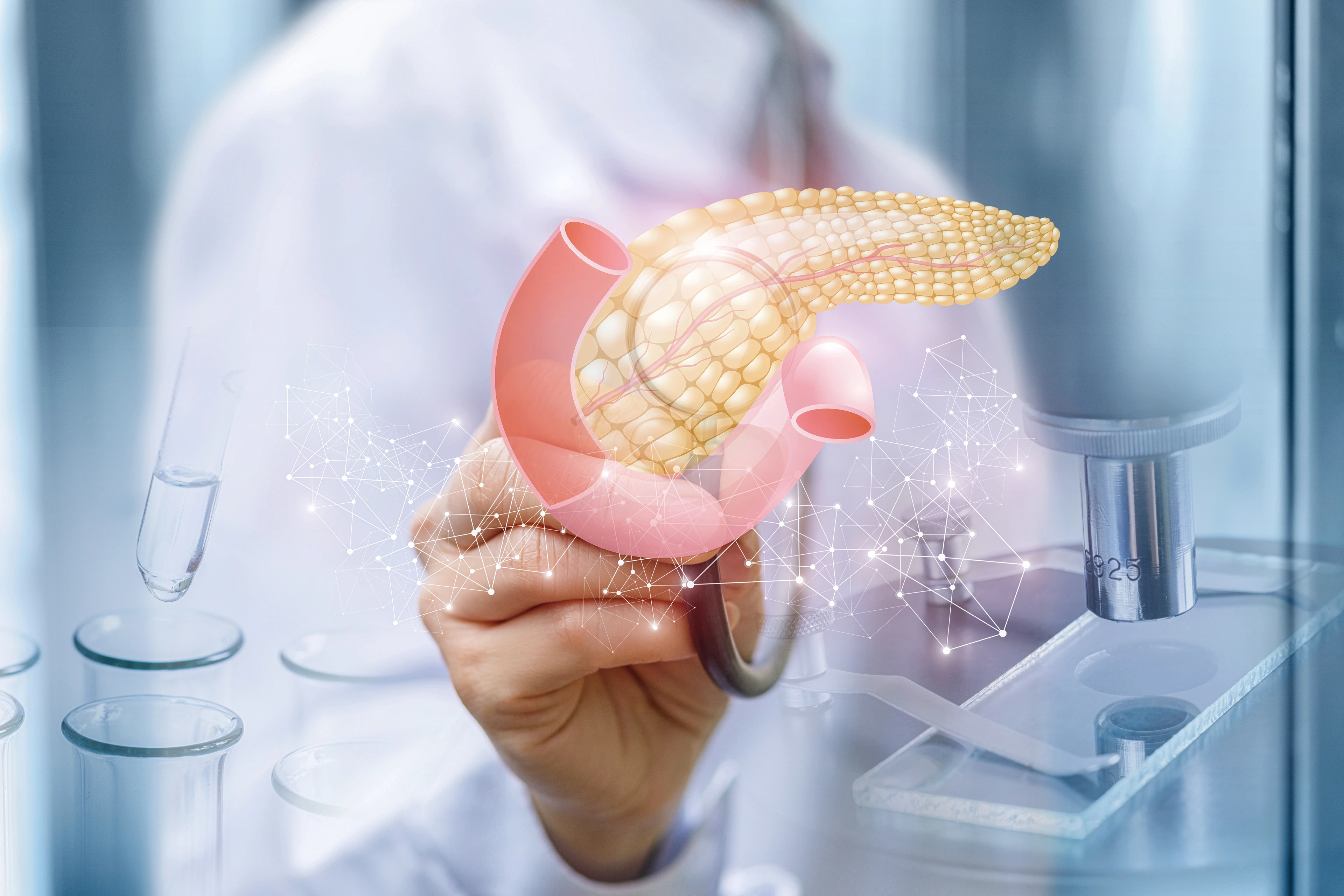
Basic science forms the foundations of most, if not all medical breakthroughs. To appreciate what goes awry in disease, we must fully understand how cells function in periods of homeostasis. In many epithelial organs, including the pancreas, tissue morphogenesis is inextricably tied to cell fate decisions. In our lab, we aim to understand the connection between epithelial architecture and the commitment of pancreatic progenitor cells to mature endocrine cells. We believe that to understand this process in a physiologically relevant manner, we must integrate findings from mouse and human pancreatic epithelia. Discoveries from our research are incredibly important for improving differentiation protocols that aim to provide functional, glucose-responsive beta cells for use in diabetes cellular therapies.
About ITS
“Through the use of human and mouse cellular systems our lab aims to identify the signals and cell-cell interactions that underlie the integration of morphogenesis and cell differentiation during organogenesis. Based on the success of our multifaceted approach to research, we are establishing an international program for up-scaled manufacturing of human pluripotent stem cell-derived pancreatic islet-like clusters for clinical testing in type-1 diabetes patients.” Prof. H. Semb
Our Research Focus
The developing pancreas undergoes complex epithelial cell rearrangements as it transforms from an epithelial sheet to an epithelial bud and finally into a branched tubular epithelial tree. In parallel, pancreatic progenitors differentiate into multiple cell types and drive major changes in tissue organization, including microlumen and tube formation, acinus formation and islet formation through the delamination and clustering of newborn endocrine cells.
The goal of our research was to understand how pancreatic tissue architecture and cellular behaviours coordinate morphogenesis and cell fate decisions during development. We were particularly interested in how developmental signals regulate pancreas specification, how epithelial organization influences endocrine differentiation and how the pancreatic microenvironment shapes endocrine lineage allocation and maturation.
Our studies revealed that retinoic acid (RAR:RXR) signalling coordinates pancreatic budding and specification through β-catenin-dependent mechanisms, providing a mechanistic link between tissue morphogenesis and activation of the pancreatic developmental program. We also demonstrated that apical-basal polarity dynamics influence endocrine progenitor differentiation and contribute to α- versus β-cell fate choice. In addition, we showed that extracellular matrix-derived cues regulate endocrine lineage allocation through metabolic control, highlighting the interplay between tissue architecture, metabolism and cell fate. To facilitate studies of endocrine differentiation and maturation, we identified the cell-surface markers CD133 and CD49a, supporting isolation of human stem cell-derived α- and β-cells.
Beyond basic research, a major objective of the institute was to translate discoveries in developmental and stem cell biology into pancreatic β-cell replacement therapies for Type 1 Diabetes. This work led to the development of integrated workflows for xeno-free stem cell banking, scalable manufacturing of human embryonic stem cell-derived islet and robust product characterization to support clinical translation. The resulting stem cell-derived islets exhibited consistent cellular composition, genomic stability and glucose-responsive insulin secretion. Together with advanced imaging and quality assessment approaches, these studies established a framework for the development and evaluation of clinically relevant stem cell-derived islet therapies for diabetes.



Contact