
Diabetes Study Center - Studies for Prevention and Immunotherapy of Type 1 Diabetes
Our clinical research is dedicated to conducting studies to prevent the development of the autoimmune disease type 1 diabetes in children, as well as to prevent the progression from an autoimmune to the metabolic disease type 1 diabetes, and to maintain the body's own insulin production.
Our clinical research is dedicated to conducting studies to prevent the development of the autoimmune disease type 1 diabetes in children, as well as to prevent the progression from an autoimmune to the metabolic disease type 1 diabetes, and to maintain the body's own insulin production.
Our clinical trials focus on novel treatment approaches to preserve the function of insulin-producing beta cells.
Treatments can be given at any stage of the pathogenesis of type 1 diabetes. In primary prevention studies, we are testing new treatments that can prevent or delay the onset of islet autoimmunity in children at high risk for type 1 diabetes. In the presymptomatic early stage of type 1 diabetes, we are attempting to prevent or delay the clinical onset of the disease through immunomodulation. After manifestation of clinical type 1 diabetes, the goal is to preserve residual beta cell function.
The study center for childhood diabetes is composed of the clinical study center unit, a regulatory and a biostatistical unit as well as a biobank and the central laboratory for clinical studies.
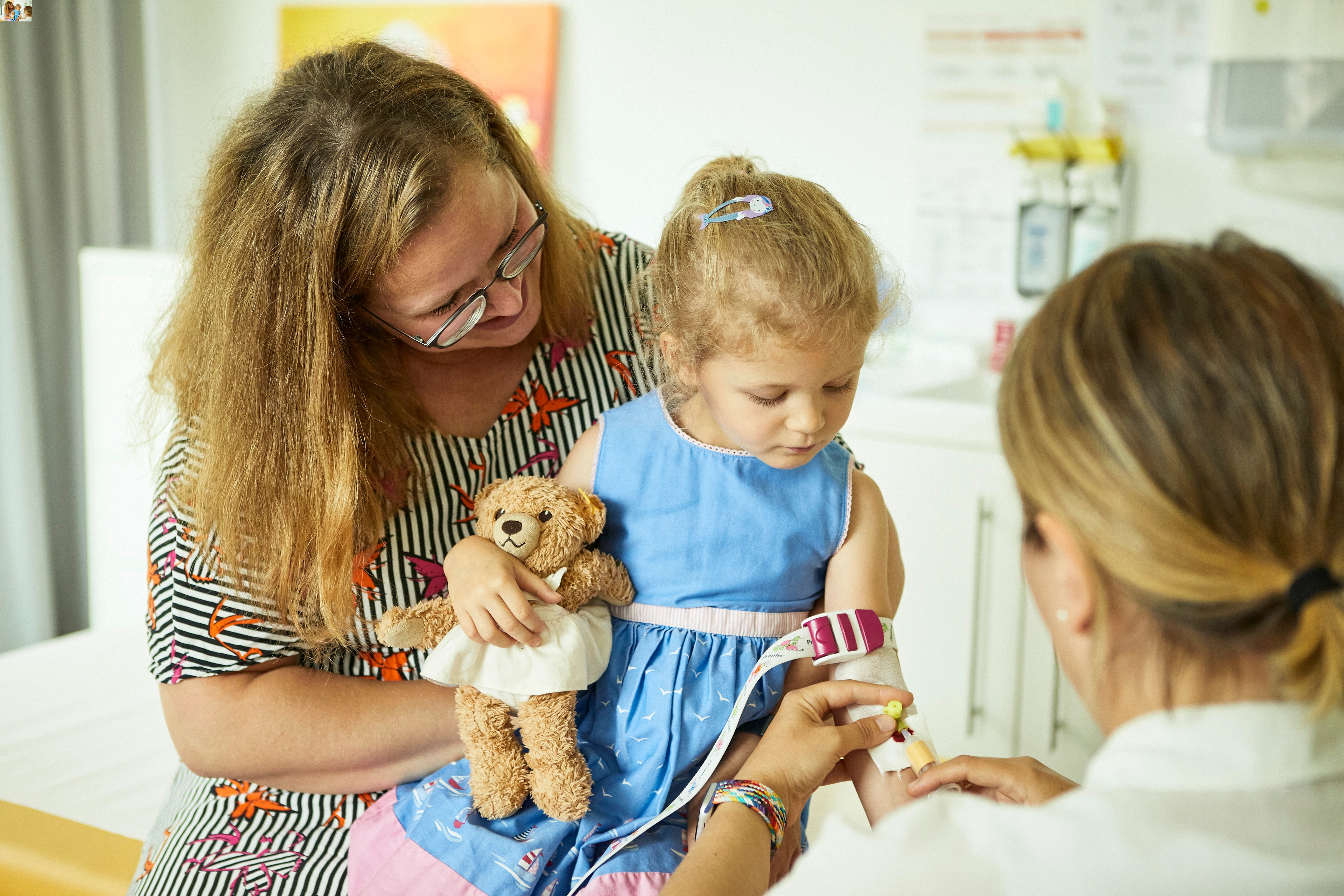
Clinical study center
In our clinical trials, we are investigating new approaches for the treatment and prevention of type 1 diabetes. Visits and examinations of study participants take place in our spacious, modern and child-friendly clinical study center. Our team of study physicians and study nurses provide support and counseling to study participants and their families and ensure that studies are conducted according to Good Clinical Practice.
Contact Melanie Bunk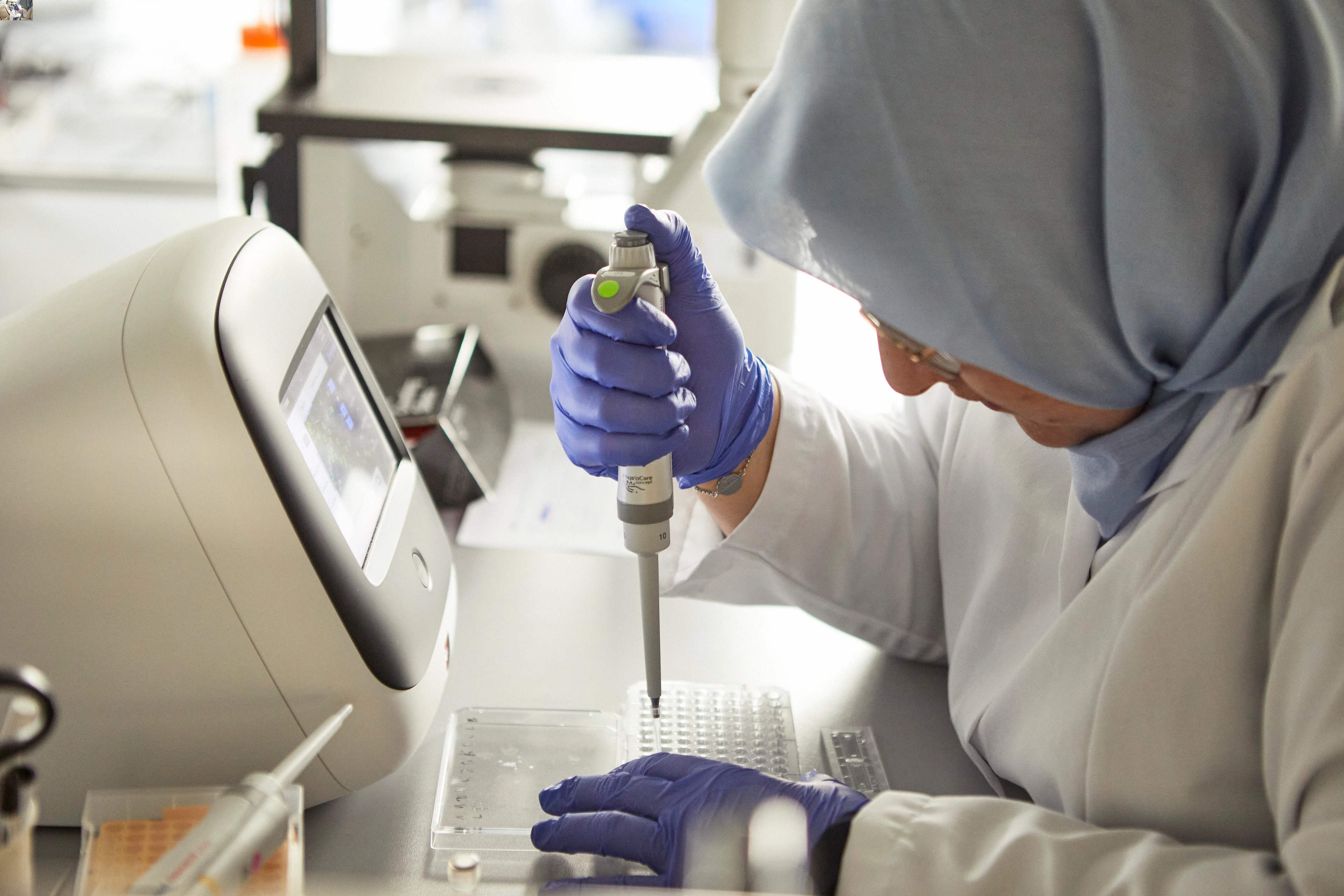
Central laboratory
The Central Laboratory team is responsible for laboratory aspects of clinical studies, such as processing, storage, and shipping of biospecimens, as well as sample testing, data collection and reporting.
Contact Marlon Scholz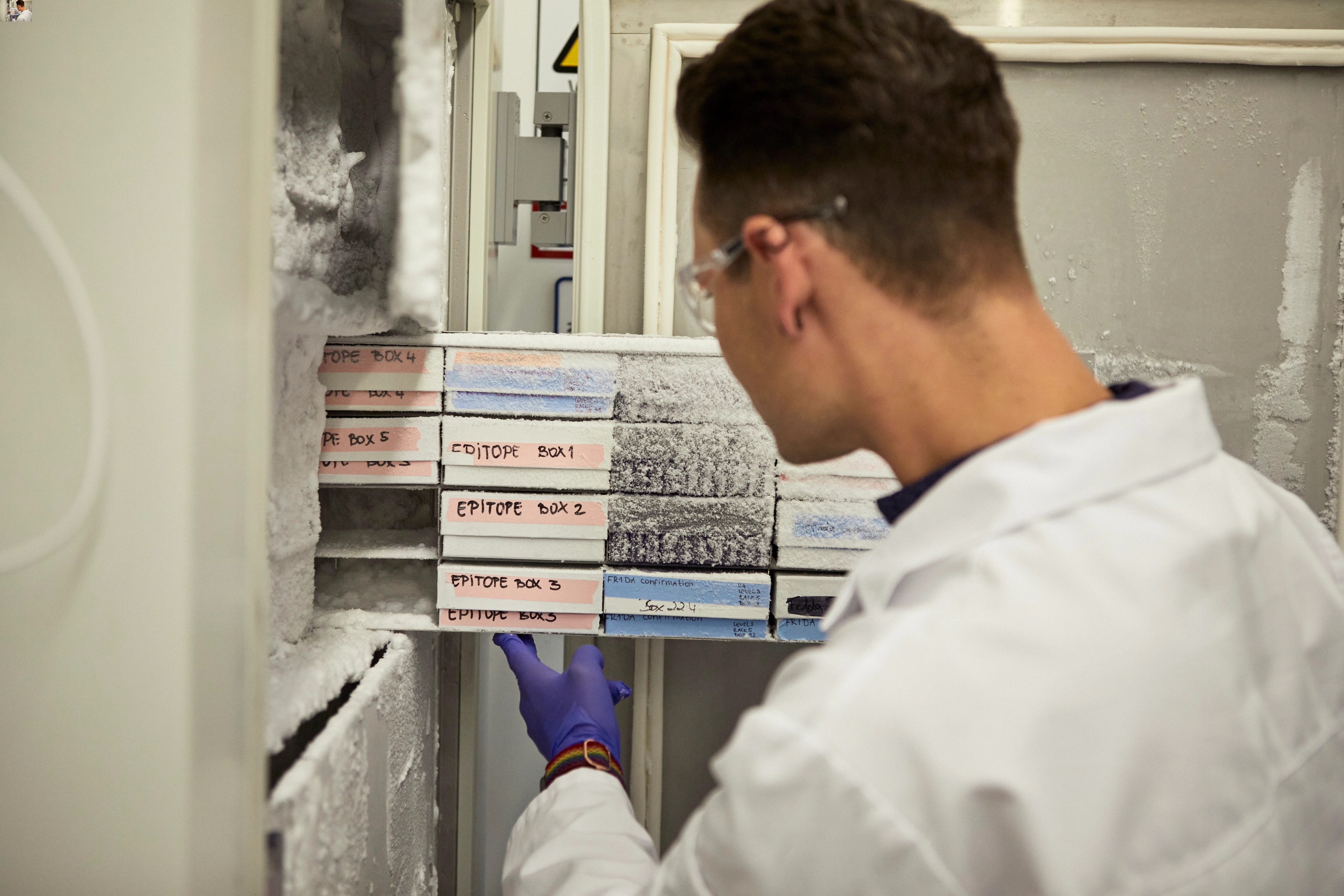
Biobank
The biobank of the Institute of Diabetes Research, Helmholtz Munich, contains extensive sample material (serum, plasma, DNA, RNA, PBMC, blood, stool and urine) from study participants. Since all data obtained in our studies are intended to serve the scientific progress that could ultimately benefit patients, scientists can use the sample material for various research activities within collaborative projects. The Institute of Diabetes Research provides pseudonymized data from the data & biobank to the scientific community upon request.
Contact Peter Achenbach
Regulatory affairs
The Regulatory affairs team is responsible for regulatory and ethical committee submissions, study documents and tools, TMF maintenance, management of monitoring and audits, central data review and data cleaning, coordination of external vendors, SOPs and IMP management.
Contact Stefanie Arnolds
Biometrics & study design
The biometrics & study design team supports the planning and evaluation of clinical studies using appropriate statistical and epidemiological methods.
Contact Andreas WeißCurrently Active Clinical Studies
BARICADE PRESERVE, BARICADE DELAY, βETA PRESERVE and SAFEGUARD Study
BARICADE PRESERVE, BARICADE DELAY, βETA PRESERVE and SAFEGUARD Study
Enrolment of study participants ongoing:
The Institute of Diabetes Research at Helmholtz Munich is participating in four clinical trials at the joint study center of TUM Klinikum and Helmholtz Munich. The trials investigate new therapeutic approaches aimed at slowing the loss of insulin-producing beta cells.
Recruitment is currently ongoing for the “BARRICADE DELAY,” “BARRICADE PRESERVE,” “βETA PRESERVE,” and “SAFEGUARD” studies.
The “BARRICADE DELAY” study (NCT07222137) is open to children aged 2 years and older with type 1 diabetes at Stage 2. The “BARRICADE PRESERVE” study (NCT07222332), in contrast, is aimed at patients with newly diagnosed type 1 diabetes at Stage 3, provided that the diagnosis was made no more than 100 days ago. Both BARRICADE studies aim to slow disease progression using the immunomodulatory drug baricitinib. Baricitinib is a Janus kinase (JAK) inhibitor that is already routinely used to treat various autoimmune diseases in children and adults.
The “βETA PRESERVE” study (NCT07088068) is investigating the drug teplizumab in patients aged 1 to 25 years. The aim is to determine whether treatment with teplizumab can help preserve beta-cell function in people with newly diagnosed type 1 diabetes.
The “SAFEGUARD” study (NCT07187531) is also currently recruiting. This study is investigating an immunomodulatory treatment approach using humanized anti-thymocyte globulin (ATG) in patients with newly diagnosed type 1 diabetes.
Further information on these current clinical trials:
AVAnT1A study
AVAnT1A study
Enrolment of study participants ongoing:
The AVAnT1A Study examines whether vaccination against COVID-19 at the age of six months can prevent the development of islet autoantibodies in babies at increased genetic risk of developing type 1 diabetes, thus reducing their risk of developing the condition. In addition, the researchers want to monitor in saliva and stool samples which viruses the children had contact with.
SINT1A study
SINT1A study
Enrolment of study participants completed; intervention phase ongoing:
Primary intervention study to determine whether daily administration of B. infantis EVC001 until age 12 months to children with elevated genetic risk for type 1 diabetes reduces the cumulative incidence of beta-cell autoantibodies in childhood.
As of early 2024, enrollment has been completed with a total of 1149 infants participating in the study. In addition to the primary focus on islet autoimmunity and type 1 diabetes, the study also examines other health outcomes such as celiac autoimmunity, respiratory infections, allergy, antibody response to vaccines, and alterations in the gut microbiome.
POInT study
POInT study
Enrolment of study participants completed:
The study was performed in children with an elevated genetic risk for type 1 diabetes. Participants received either oral insulin with a dose escalation from 7.5 mg to 22.5 mg to 67.5 mg, or a placebo daily starting from 4 months to 7 months of age until the child’s 3rd birthday. The primary objective is to reduce the cumulative incidence of islet autoantibodies and diabetes in childhood.
The study commenced in February 2018 across seven clinical sites in Belgium, Germany, Poland, Sweden, and the UK, with enrollment of 1050 children now complete.
Further studies
Further studies
Currently active observational studies on type 1 diabetes development:
Fr1da intervention study, TEDDY study, BabyDiab study and BabyDiet study.
Contact