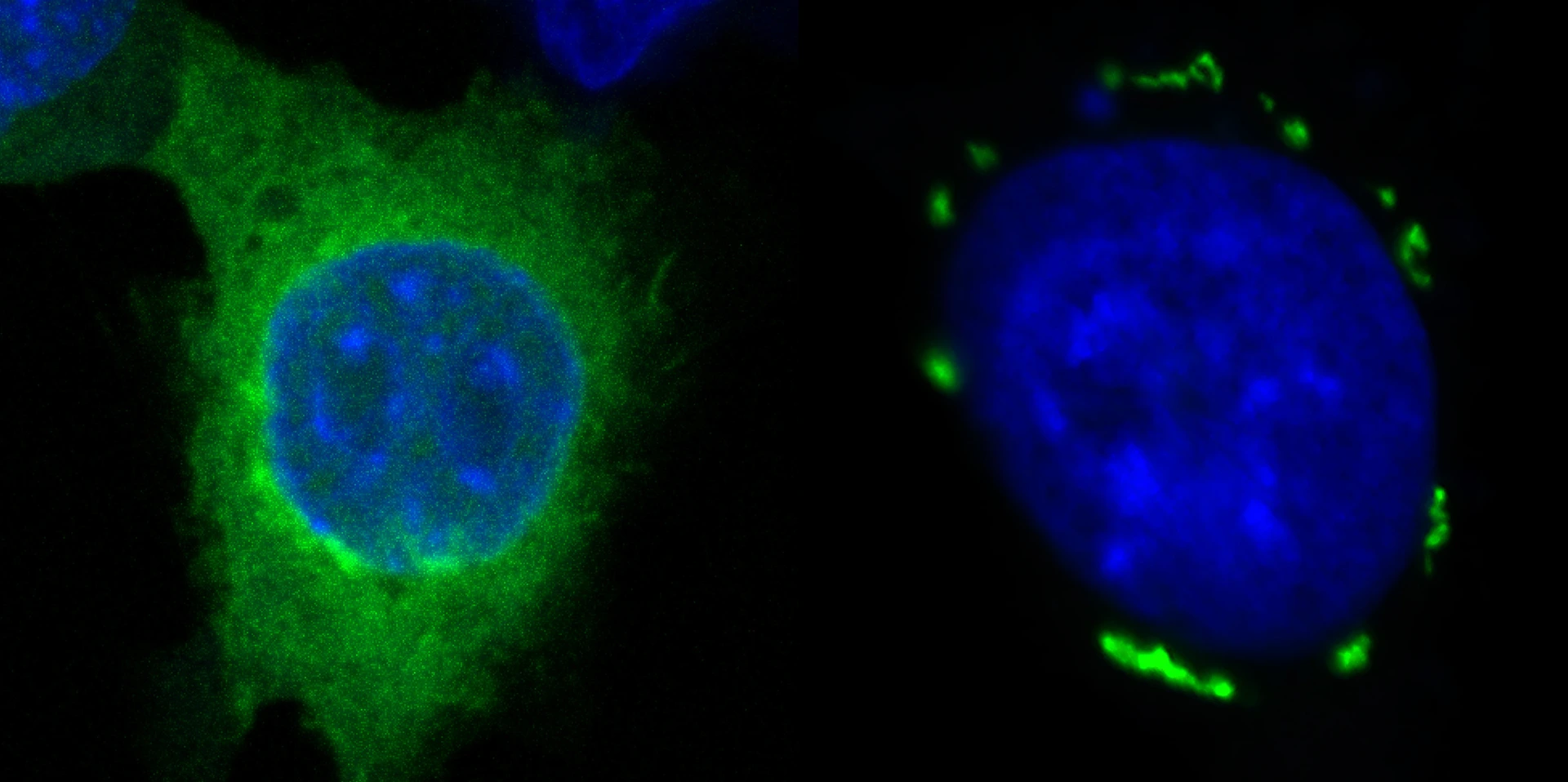
FSP1 condensates in green induced by icFSP1 surrounding a blue nucleus

New Approach in Cancer Therapy With Innovative Mechanism-of-Action for Ferroptosis Induction

New Research Findings MCD

A team of researchers led by Dr. Marcus Conrad from Helmholtz Munich discovered a novel anti-cancer drug, called icFSP1, which sensitizes cancer cells to ferroptosis. Ferroptosis is characterized by the iron-dependent oxidative destruction of cellular membranes, which is counteracted by ferroptosis suppressor protein-1 (FSP1), one of the guardians of ferroptosis. Although FSP1 has been considered as an attractive drug target for cancer therapy, in vivo efficacious FSP1 inhibitors have been lacking. To this end, the team carefully evaluated hits from a screen of around ten thousand small molecule compounds and identified icFSP1 as a new in vivo effective drug. Importantly, the team uncovered the mechanism-of-action of icFSP1, which is based on triggering phase separation of FSP1, a physical phenomenon in cells similar to the separation of oil and water. In fact, icFSP1 strongly inhibited tumor growth in vivo with distinct condensates of FSP1 in tumor tissue, thus proposing a new concept to combat tumors by promoting phase separation of FSP1 and ferroptosis. The results are now published in Nature.

icFSP1 Is an in vivo Applicable FSP1 Inhibitor

Resistance to chemotherapy or metastasis is an important clinical problem in cancer. Notably, during de-differentiation or metabolic rewiring, certain malignant cancer cells acquire an intrinsic vulnerability to ferroptosis. Therefore, targeting ferroptosis has shown great promise as an approach to cancer therapy. In 2019, a team of researchers around Marcus Conrad, Director of the Institute of Metabolism and Cell Death at Helmholtz Munich, had already identified the first FSP1-specific inhibitor, known as iFSP1. “However, this compound is not suitable for in vivo use and exhibits off-target effects at high concentrations”, Conrad explained. To identify in vivo active ferroptosis inducers targeting FSP1, the team performed a screening campaign in cells, followed by DMPK (“drug metabolism and pharmacokinetics”) validation studies. These efforts eventually led to the identification of icFSP1 as a novel class of compounds that sensitize many human cancer cells to ferroptosis and attenuate tumor growth in vivo.

icFSP1 Triggers Phase Separation of FSP1

By investigating the underlying mechanism-of-action (MoA) of icFSP1 in detail, the team further showed that icFSP1 does not inhibit FSP1 enzyme activity directly, but rather triggers the subcellular relocalization of FSP1 in a process known as phase separation. These results are in contrast to the MoA of the first FSP1 inhibitor iFSP1. Toshitaka Nakamura, lead author of the study, further explains that “icFSP1-induced FSP1 condensations require distinct structural components and N-terminal myristoylation” as demonstrated by using recombinant FSP1 proteins as well as different cell lines and tumor samples.

Breakthrough: Linking Ferroptosis and Phase Separation

Ferroptosis has attracted overwhelming interest in many fields including cancer, neurodegenerative diseases, and ischemia/reperfusion injury similar to the process of phase separation, a fundamental physical phenomenon underlying signal transduction and basic biology related to multiple diseases. This study unravels for the first time a link between ferroptosis and phase separation. “Our study will therefore serve as a good model for the further development of innovative therapeutic approaches in certain diseases, including cancer, in which ferroptosis/phase separation plays an important role," explains Conrad, providing a promising outlook for the future.
About the scientists

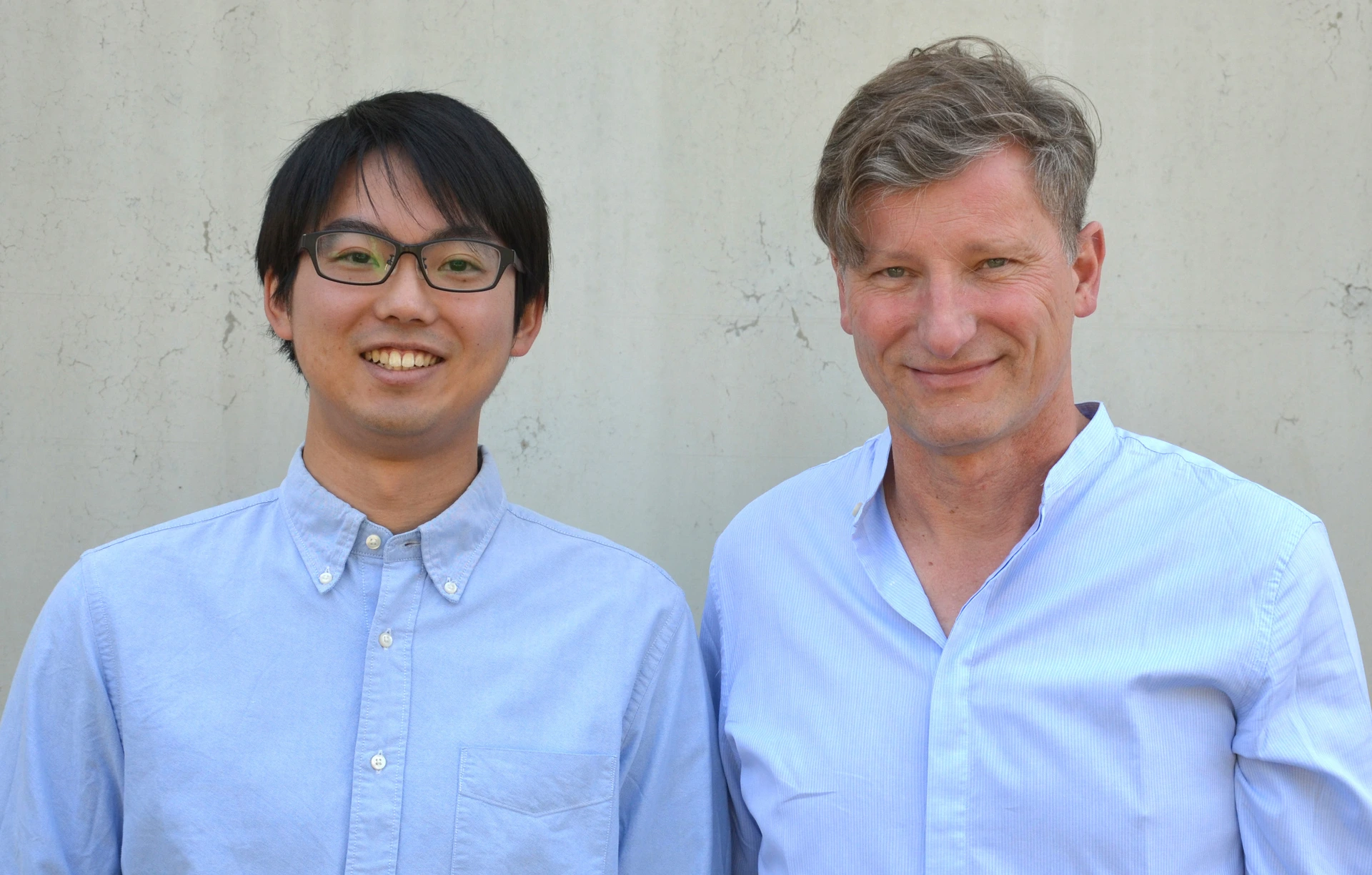
Toshitaka Nakamura, Ph.D. student at the Institute of Metabolism and Cell Death at Helmholtz Munich & Dr. Marcus Conrad, Director at the Institute of Metabolism and Cell Death at Helmholtz Munich       

Original publication

Nakamura et al, (2023): Phase separation of FSP1 promotes ferroptosis, Nature. DOI: 10.1038/s41586-023-06255-6

Related news

Apoptosis process in a cell

Molecular Targets and Therapeutics, MCD,

Ferroptosis: Controlling Life or Death of Cells

Cell death is indispensable to life, as it ensures the removal of damaged or unnecessary cells. Among the many ways a cell can die, ferroptosis is a unique and regulated form of cell death. This process plays a significant role in the pathogenesis of…

HMGU_Icon_Molecular_Targets

Featured Publication, MCD,

Vorstufe des Cholesterins schützt Zellen vor Ferroptose

Eine Vorstufe des Cholesterins, die bislang als schädlich eingestuft wurde, kann Krebszellen vor dem Zelltod schützen. Diese in Nature veröffentlichte Erkenntnis öffnet der Krebsforschung neue Türen.

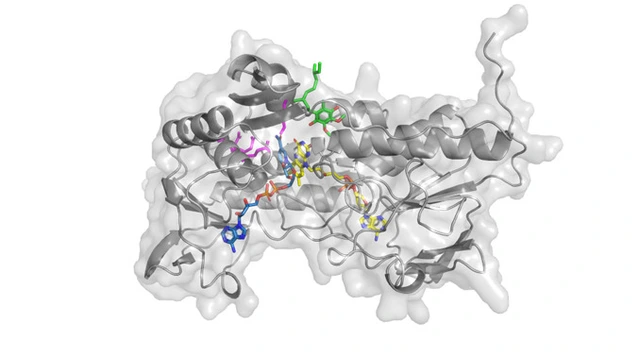
Superimposed human FSP1 structure with its cofactors, FAD, NADH, and CoQ5

New Research Findings, Molecular Targets and Therapeutics, MCD,

A Rising Star: Inducing Ferroptosis with Innovative Compounds for Cancer Therapy

A team of researchers led by Dr. Marcus Conrad from Helmholtz Munich discovered a novel anti-cancer drug, called viFSP1, which sensitizes both murine and human cancer cells to cell death through ferroptosis. Ferroptosis is defined by the…

HMGU_Icon_Molecular_Targets

Featured Publication, Molecular Targets and Therapeutics, SAT,

Ein neuer Regulator von Ferroptose: Farnesoid X Rezeptor

Eine wesentliche Voraussetzung für die Behandlung von degenerativen Erkrankungen und bestimmten Krebsarten ist ein besseres Verständnis von Ferroptose. Forschende unter der Leitung von Dr. Kamyar Hadian von Helmholtz Munich haben herausgefunden, dass…

AI, New Research Findings, Computational Health, AIH,

KI-basierte Vorhersagen bei Darmkrebs: ein bedeutender Schritt in Richtung Präzisionsonkologie

Darmkrebs (Kolorektales Karzinom) ist laut WHO die zweithäufigste Ursache für krebsbedingte Todesfälle weltweit. Zum ersten Mal zeigen Forschende von Helmholtz Munich und der Technischen Universität Dresden (TU Dresden) nun, dass Vorhersagen…

Burkitt's lymphoma cell, is a cancer of the lymphatic system

New Research Findings, Computational Health, ICB, Molecular Targets and Therapeutics, SAT,

Aggressiver Blutkrebs: Funktion des Enzyms MALT1 entschlüsselt

Ein Team von Forschenden von Helmholtz Munich in Zusammenarbeit mit Wissenschaftler:innen des Universitätsklinikums Münster (UKM) hat einen neuen Signalweg entdeckt, der das Wachstum von aggressivem Blutkrebs, sogenannten Lymphomen, fördert. Das…

DHODH inhibitor brequinar

New Research Findings, MCD,

Verstärkte Ferroptose in Krebszellen: Wirkmechanismus von DHODH-Blockern aufgedeckt

Ein Team an Forschenden von Helmholtz Munich hat einen spezifischen Mechanismus aufgedeckt, der in der Lage ist, den Zelltod in Krebszellen durch die pharmakologische Beeinflussung von Ferroptose zu fördern. Ferroptose ist eine Form des regulierten…

Marcus Conrad Porträt

Awards & Grants, MCD,

Marcus Conrad as a new member of the Hinterzarten Circle of the DFG on Cancer Research

The Review Board for Medicine of the Deutsche Forschungsgemeinschaft (DFG) has appointed Helmholtz Munich scientist Dr. Marcus Conrad as a new member of the DFG’s Hinterzarten Circle on Cancer Research. Marcus Conrad succeeds Prof. Greten from…

Vitamin K prevents cell death

New Research Findings, MCD,

Vitamin K Prevents Cell Death: A New Function for a Long-Known Molecule

A team of researchers located at Helmholtz Munich reports on a novel function of vitamin K, which is generally known for its importance in blood clotting. The researchers discovered that the fully reduced form of vitamin K acts as an antioxidant…