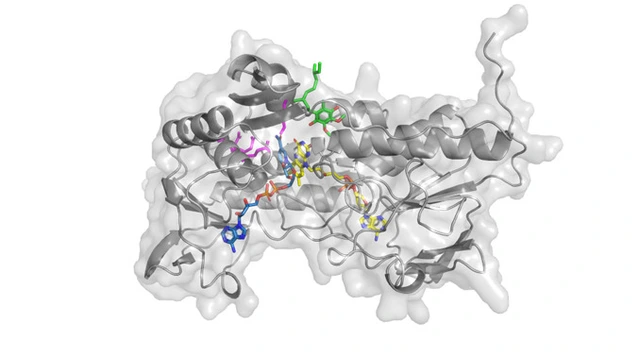
In a new study, a team of researchers has shown that the cholesterol precursor 7-dehydrocholesterol (7-DHC) plays a crucial role as an antioxidant: it integrates into the cell membranes and protects the cells by preventing a certain type of cell death, known as ferroptosis.
Until now, the accumulation of 7-DHC was only associated to neurodevelopmental defects, now the scientists show that it actually increases cellular fitness and could promote a more aggressive behaviour in cancers such as Burkitt’s lymphoma and neuroblastoma.
The newly discovered protective function of 7-DHC opens up exciting prospects for further improving the treatment of cancer and other diseases associated with ferroptosis. It gives researchers new opportunities to test potential inhibitors that target cholesterol biosynthesis and are already established in medical practice.
Teams From Würzburg, Dresden, Munich and Heidelberg Involved
The following scientists contributed to the study: Prof. José Pedro Friedmann Angeli (University of Würzburg), a Würzburg team from the Rudolf Virchow Zentrum – Center for Integrative and Translational Bioimaging, Maria Fedorova (Dresden University of Technology), Marcus Conrad (Helmholtz Munich), Derek Pratt (University of Ottawa), and Andreas Trumpp and Hamed Alborzinia (German Cancer Research Center, DKFZ Heidelberg).
Observing Changes in 7-DHC Levels
High cholesterol levels are associated with health problems such as heart disease and diabetes. Most studies focus on how cholesterol contributes directly to these diseases.
In this area, the discovery of the cholesterol precursor 7-DHC as an antioxidant opens up new possibilities: Studies on changes in 7-DHC levels could provide crucial new insights into the diseases. In addition, drugs that specifically block 7-DHC production should be researched in combination with other drugs - this could have a positive effect in the treatment of some cancers.
Possible Effects on Tumour Development
"Our next research goal is to investigate the effects of 7-DHC accumulation during tumour development," says Würzburg ferroptosis expert José Pedro Friedmann Angeli.
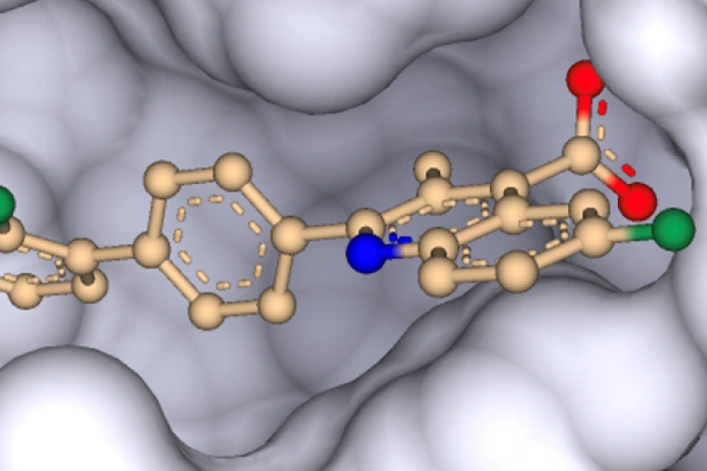
The team responsible for the publication in Nature also calls for further epidemiological studies. Background: There are drugs authorised by the US Food and Drug Administration (FDA) that can inhibit the DHCR7 enzyme. These include trazodone, which is prescribed around 20 million times a year in the USA, sometimes even for off-label use to treat insomnia.
"Studies have shown that people taking this drug have elevated plasma levels of 7-DHC. Epidemiological studies are crucial to better understand possible effects here," says Friedmann Angeli. These studies would help to find out whether there is a connection between patient groups who regularly take ferroptose-modulating drugs such as trazodone and cancer incidence, the occurrence of metastases or other critical aspects of public health.
Original publication
Angeli et al. (2024): 7-Dehydrocholesterol is an endogenous suppressor of ferroptosis. Nature. DOI: 10.21203/rs.3.rs-943221/v1