Helmholtz Diabetes Center

Institute for Diabetes and Cancer

Here at the Institute for Diabetes and Cancer (IDC), we conduct research on the molecular basis of severe metabolic disorders, including the metabolic syndrome and type 2 diabetes, as well as their roles in cancer initiation and progression.
Follow us on X

Here at the Institute for Diabetes and Cancer (IDC), we conduct research on the molecular basis of severe metabolic disorders, including the metabolic syndrome and type 2 diabetes, as well as their roles in cancer initiation and progression.
Follow us on X

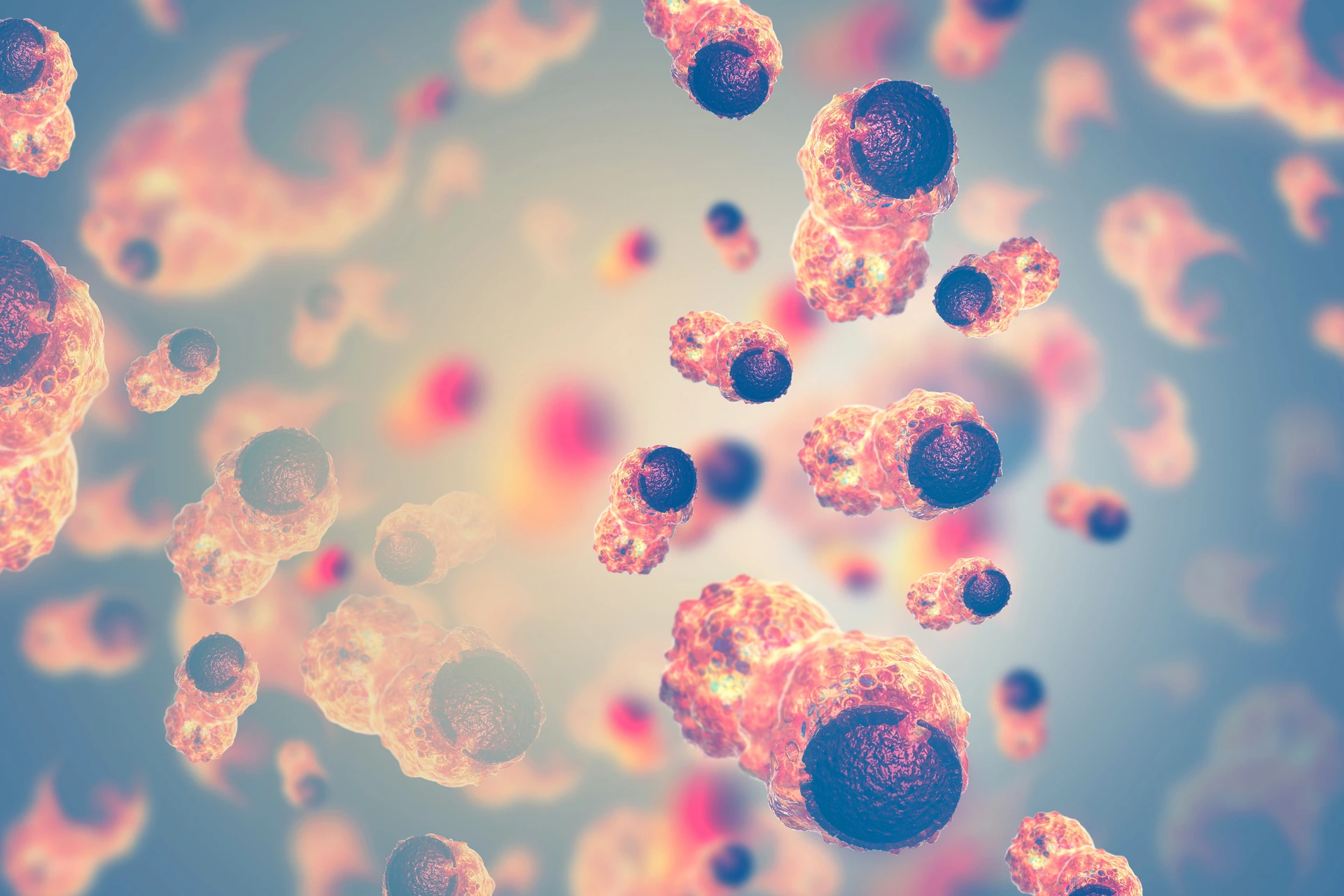
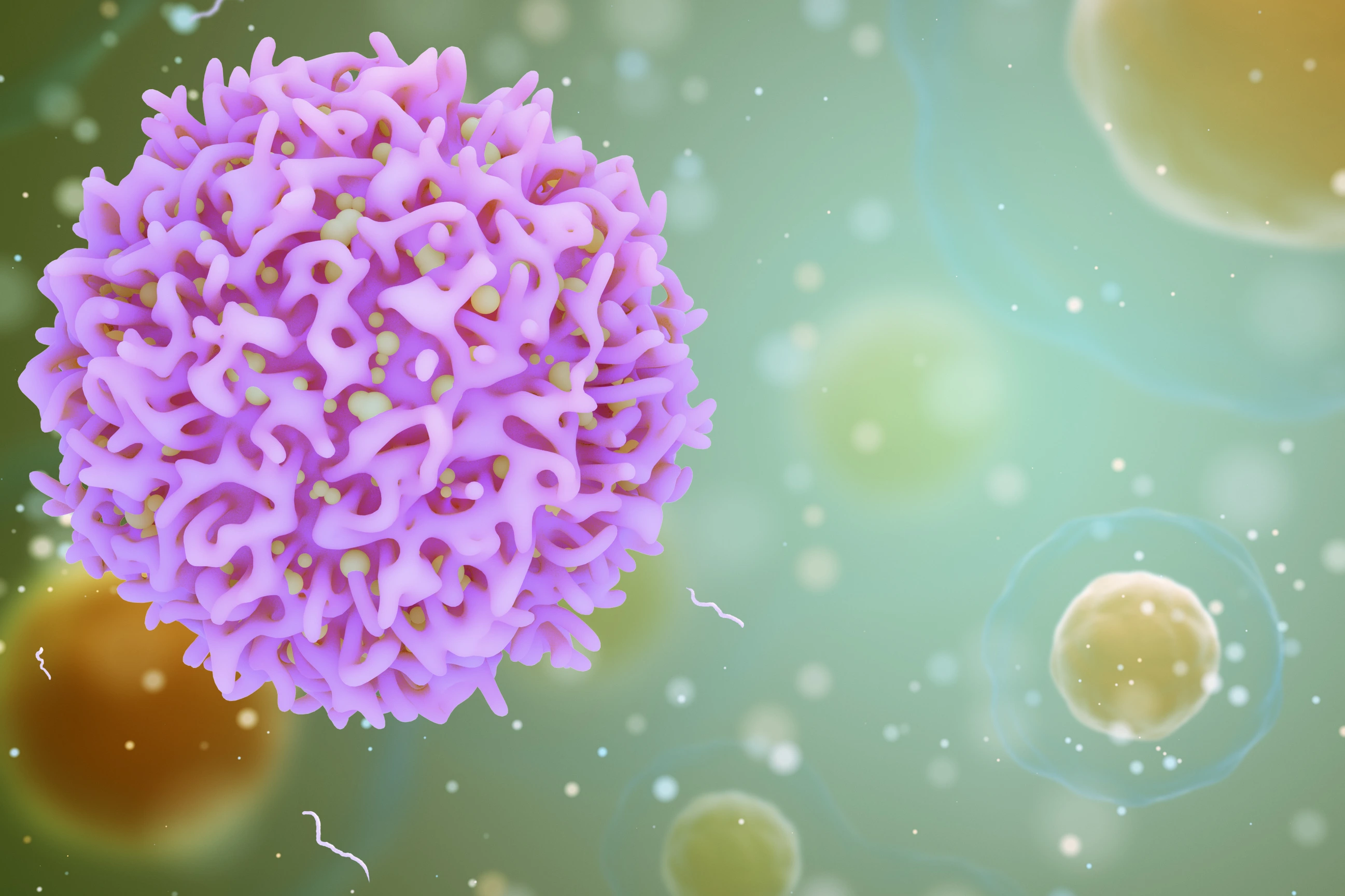
Cancer cells- 3d illustration

Get To Know Us

Our Research Groups

DCO group image 2

Herzig Lab

Diabetes Complications

The Diabetic Complications division at the IDC explores transcriptional, epigenetic and signalling components controlling systemic and tissue-specific insulin sensitivity, and tests their potential to serve as novel therapeutic platforms in diabetes prevention approaches.

View lab

Image for the MAC group

Berriel Diaz Lab

Metabolism & Cancer

Our research investigates the complex interplay between metabolic disorders and cancer, with a particular focus on cancer cachexia—a debilitating syndrome marked by the progressive loss of muscle and fat tissue. Using specialized mouse models and in vitro systems, we aim to identify molecular pathways that drive cachexia, with the goal of uncovering new therapeutic targets. Additionally, we explore the liver’s role in cachexia and apply insights from cancer-associated fat loss to develop novel strategies for obesity treatment.

View lab
3D illustration of cells
Stem Cell Department, Stage

Rohm Lab

Tissue Crosstalk in Cancer Metabolism

Our lab explores the idea that obesity/diabetes and cachexia - two metabolically dysregulated states marked by chronic inflammation and dysfunctional nutrient handling - represent opposing manifestations of a shared pathophysiological spectrum, like two sides of the same coin. We investigate how tissues communicate to coordinate systemic metabolic adaptations. By studying these syndromes in the context of each other we seek to uncover unifying principles that may drive conceptual and therapeutic advances across both fields.

View lab

3d rendering of Human cell

Mohr Lab

Metabolic Cancer Reprogramming

The Metabolic Cancer Reprogramming group investigates how metabolic programs, nutrient fluxes, and metabolite-driven signaling pathways determine cancer cell fate, adaptive states, and therapeutic vulnerability. We aim to define the metabolic principles that enable tumors to progress, resist stress, remodel their microenvironment, and evade immune control.

View lab

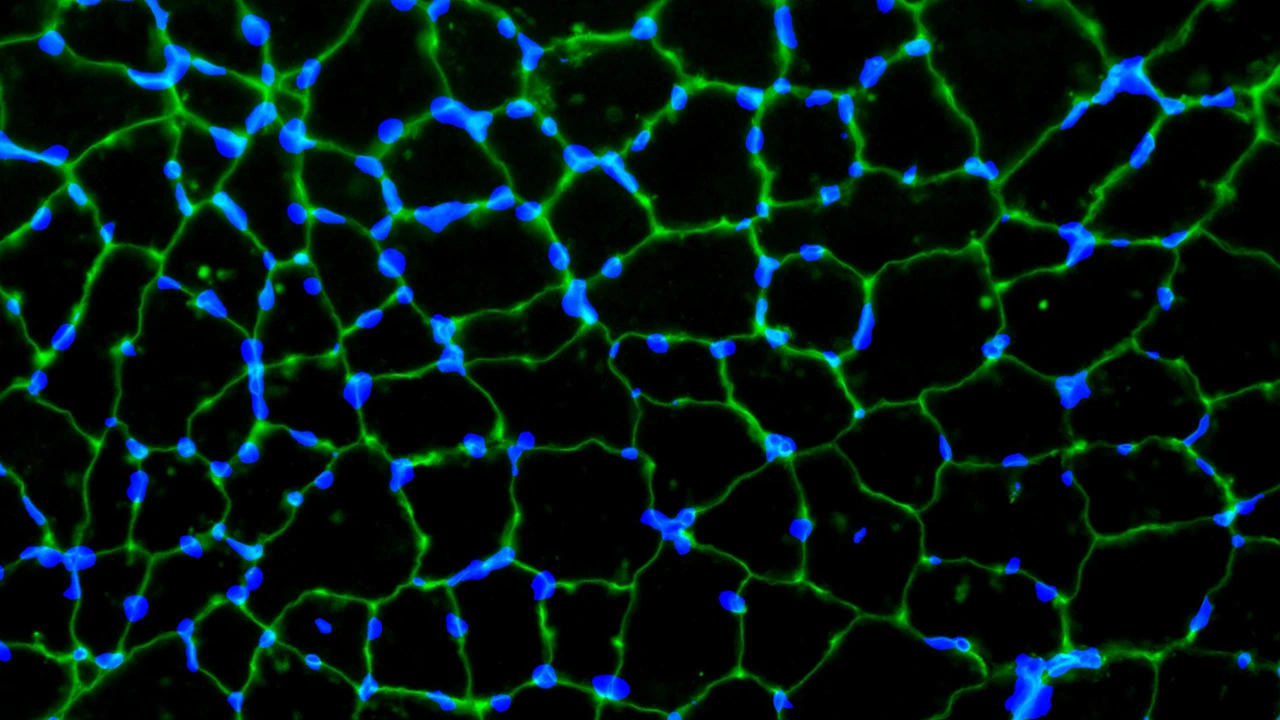
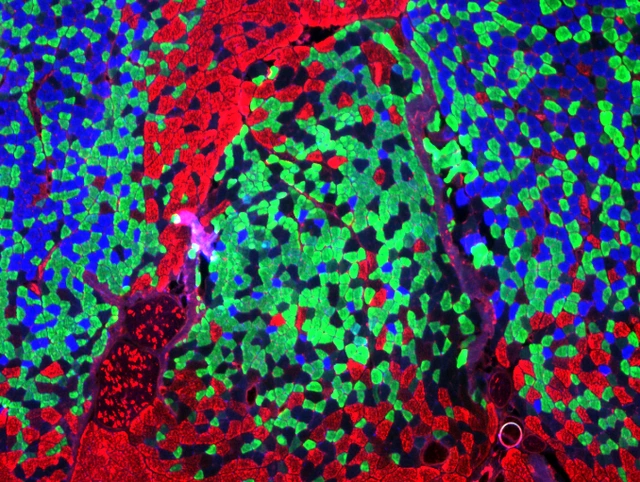
Muscle Fibre Staining

Dyar Lab

Metabolic Physiology

We aim to comprehensively identify the range of underlying metabolic causes and consequences that distinguish healthy from unhealthy ageing - ultimately seeking to harness this information to develop novel personalized therapeutics to mitigate unhealthy ageing trajectories, and to recover and maintain health status.

View lab
Mutated DNA and molecules, scientific biotechnology, 3d rendering

Vogt Lab

Metabolic Programming across Generations

Our lab is interested in deciphering the complex and multifaceted mechanisms that contribute to altered disease susceptibilities across generations. Here, we focus on delineating how changes in metabolism and diet in one generation impact developmental programs, molecular profiles and subsequent health outcomes in the offspring and subsequent generations

View lab
3D Rendering von Zellen

Ekim Lab

Joint Heidelberg-IDC Translational Diabetes Program

Our unit translates IDC research into clinical practice with a focus on therapies for long-term diabetes complications.

View lab

3d rendering of Human cell or Embryonic stem cell microscope background.

Georgiadi Lab

Endocrine Pharmacology

We study novel ligand-receptor pairs, which control key adipocyte functions involved in adipocyte size, energy storage, energy expenditure, ageing dependent malfunction as well as the communication of the adipose tissue with other metabolic organs, such as liver and muscle.

View lab
Antibodies attack a cancer cell or virus

Zitzelsberger Lab

Translational Metabolic Oncology

Our lab has a particular focus on the investigation of radiotherapy response and the therapy of tumor recurrences of various cancer entities such as head and neck cancer and glioblastoma.

View lab
Endocytosis & Metabolism Group Image

Zeigerer Lab

Endocytosis & Metabolism

The major goal of our lab is to understand how endosomal trafficking and metabolism influence and regulate each other. We want to unravel the cellular mechanism how external cues induce changes in cellular metabolism by altering endosomal functions and to provide new cellular tools for treatment of metabolic diseases.

View lab
DNA Helix 3d Rendering

Steffens Lab

Endocannabinoids and Cardiovascular Diseases

We investigate innate immune responses and endocannabinoid signaling in cardiac repair and vascular disease.

View lab
Mikroskopiebild Fibrosis

Fischer Lab

Fibrosis

In the Fibrosis Research Unit, we aim to understand the cellular and molecular mechanisms that drive pathological tissue remodeling and scarring. By integrating state-of-the-art spatial, molecular, and computational approaches, we seek to identify key drivers of fibrosis progression and to develop new strategies to prevent or reverse fibrotic disease across multiple organs.

View lab

Our Administration

A lot of people figures and comment clouds above their heads.

Supporting Science

Research Management

We contribute to shaping the research profile and strategy of the IDC.

View team

Our News

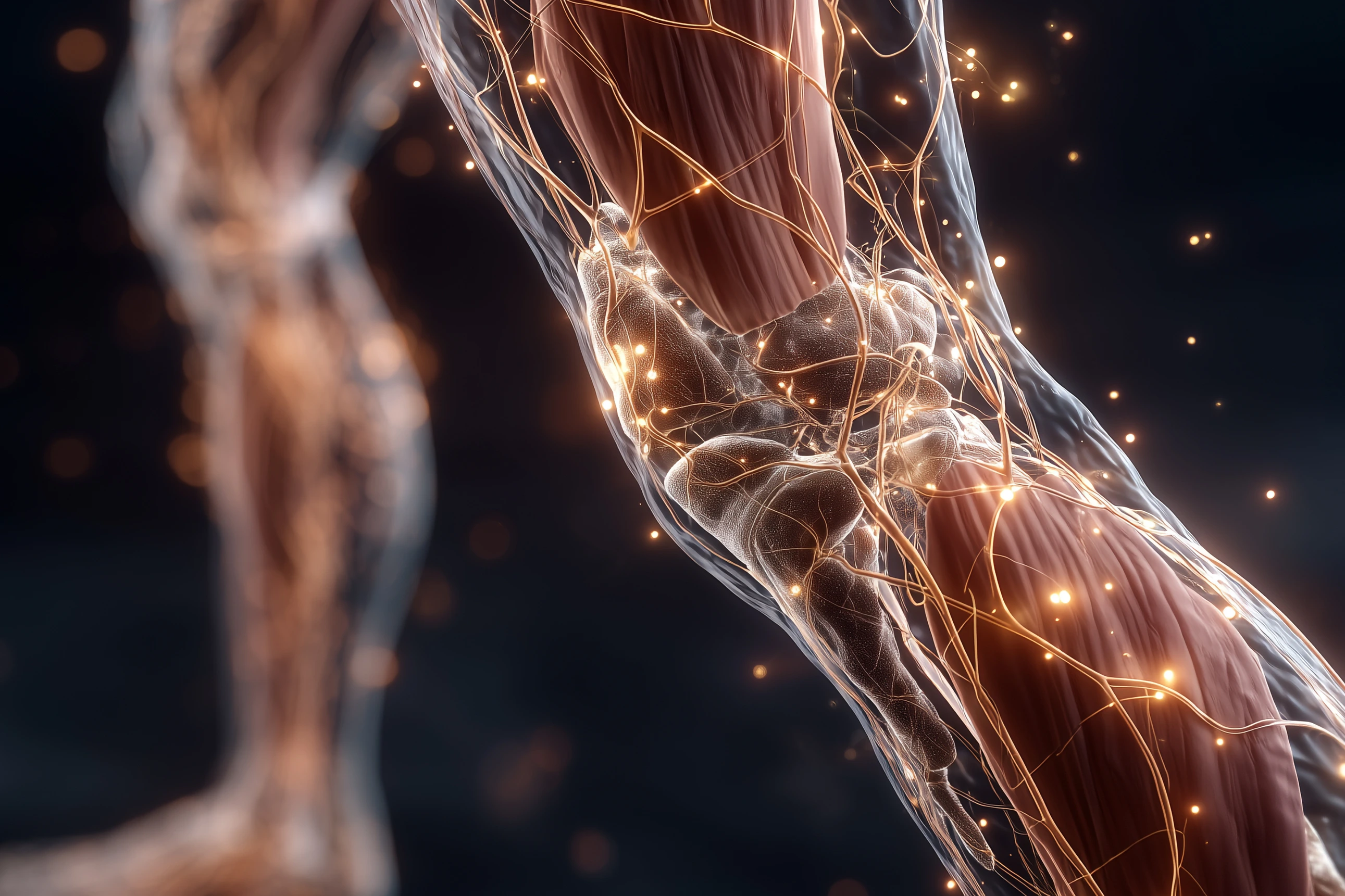
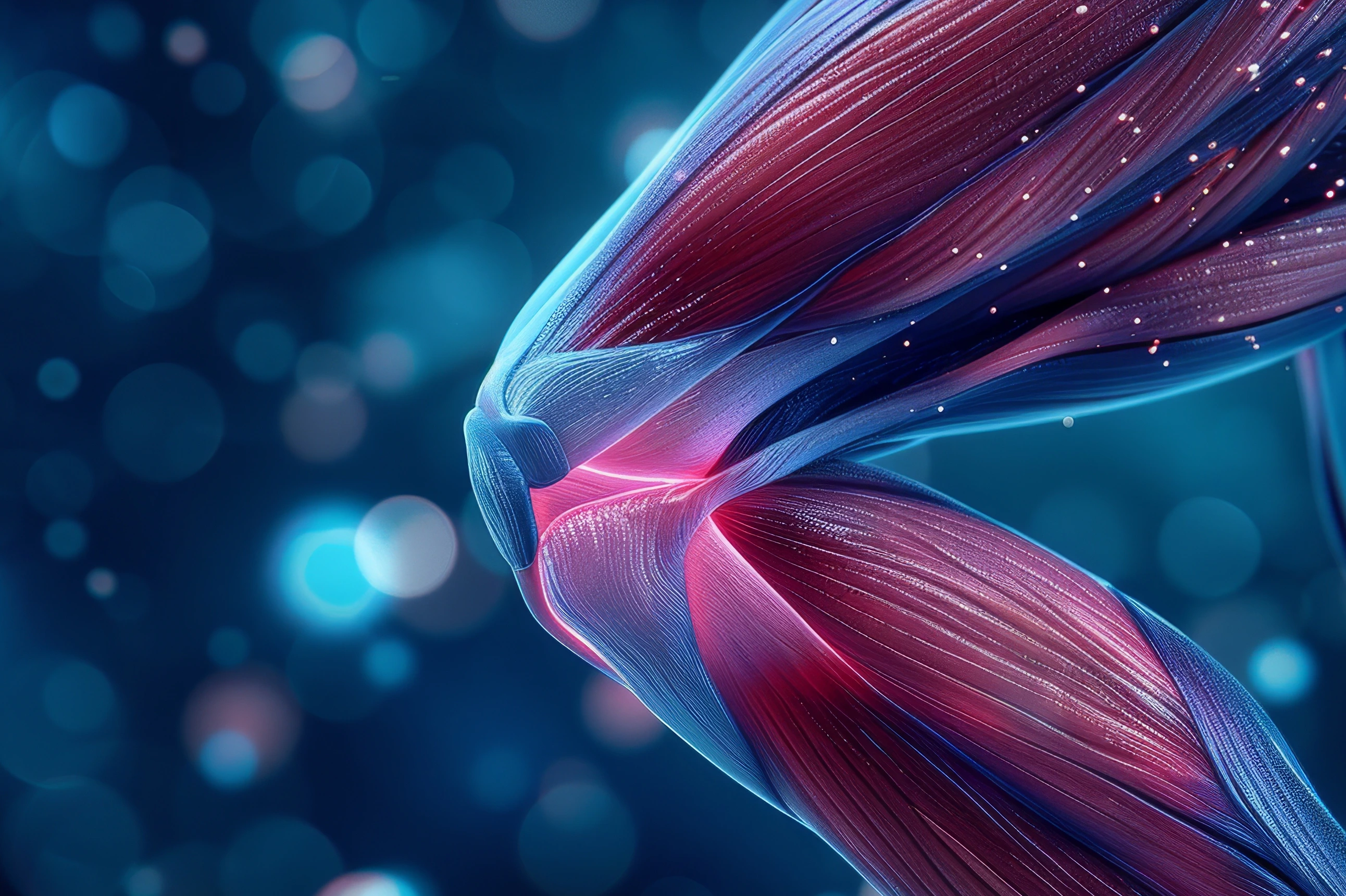
Anatomical Visualization of Muscles

New Research Findings, Diabetes, IDC,

Weight Loss in Cancer: Organs Respond to the Disease in a Coordinated Way

Cachexia is a metabolic disorder that causes uncontrolled weight loss and muscle wasting in chronic diseases and cancer. A new study by Helmholtz Munich, in collaboration with the Institute of Physiology of the Czech Academy of Sciences in Prague,…

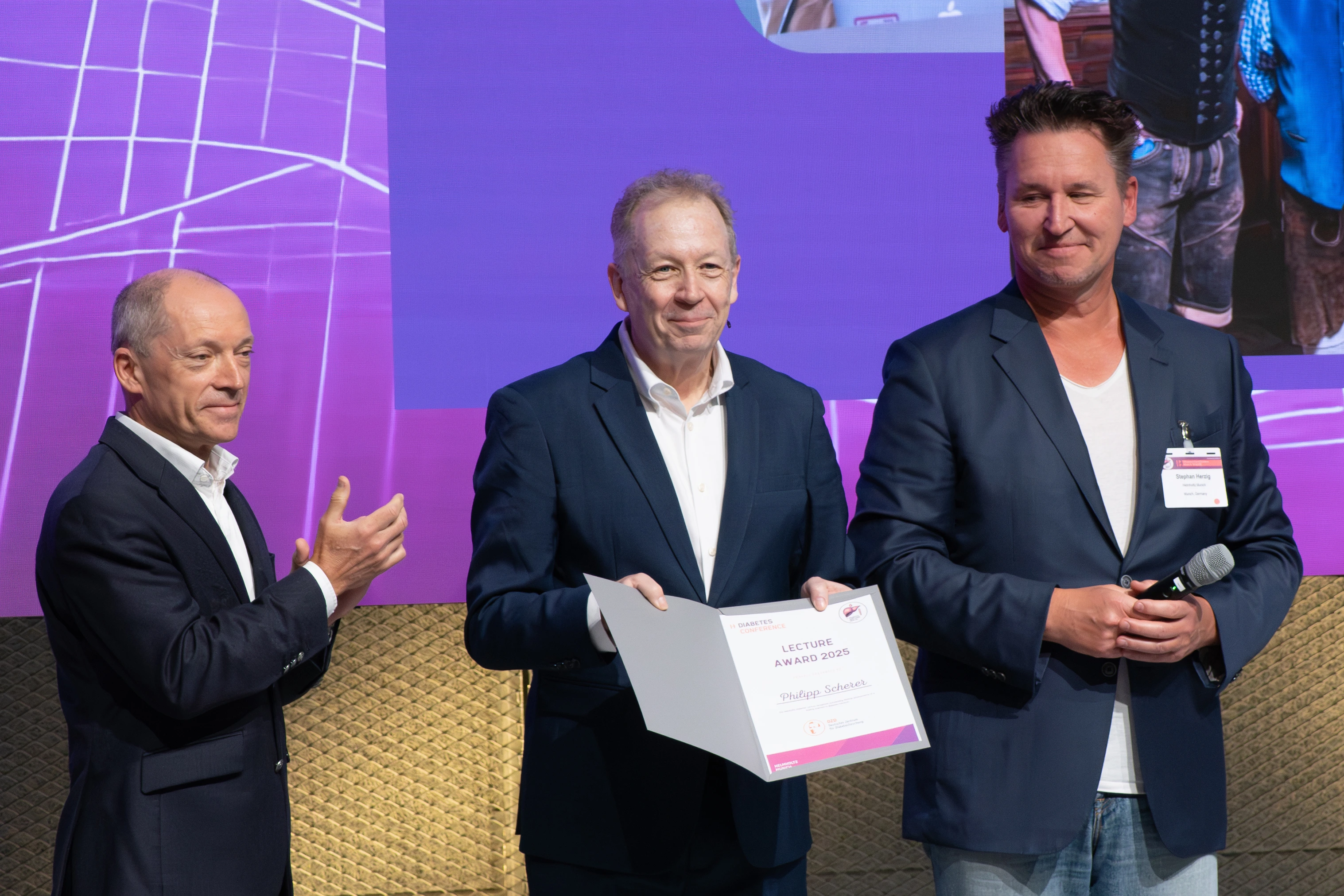
Lecture Award 2025 - Diabetes Conference 2025

Events, Diabetes, IDC,

Diabetes and Liver Health in Focus at the 12th Helmholtz Diabetes Conference

From 22 to 24 September 2025, the 12th Helmholtz Diabetes Conference brought together leading scientists from around the world to discuss how liver health influences diabetes and other metabolic diseases. For the first time, the annual meeting took…

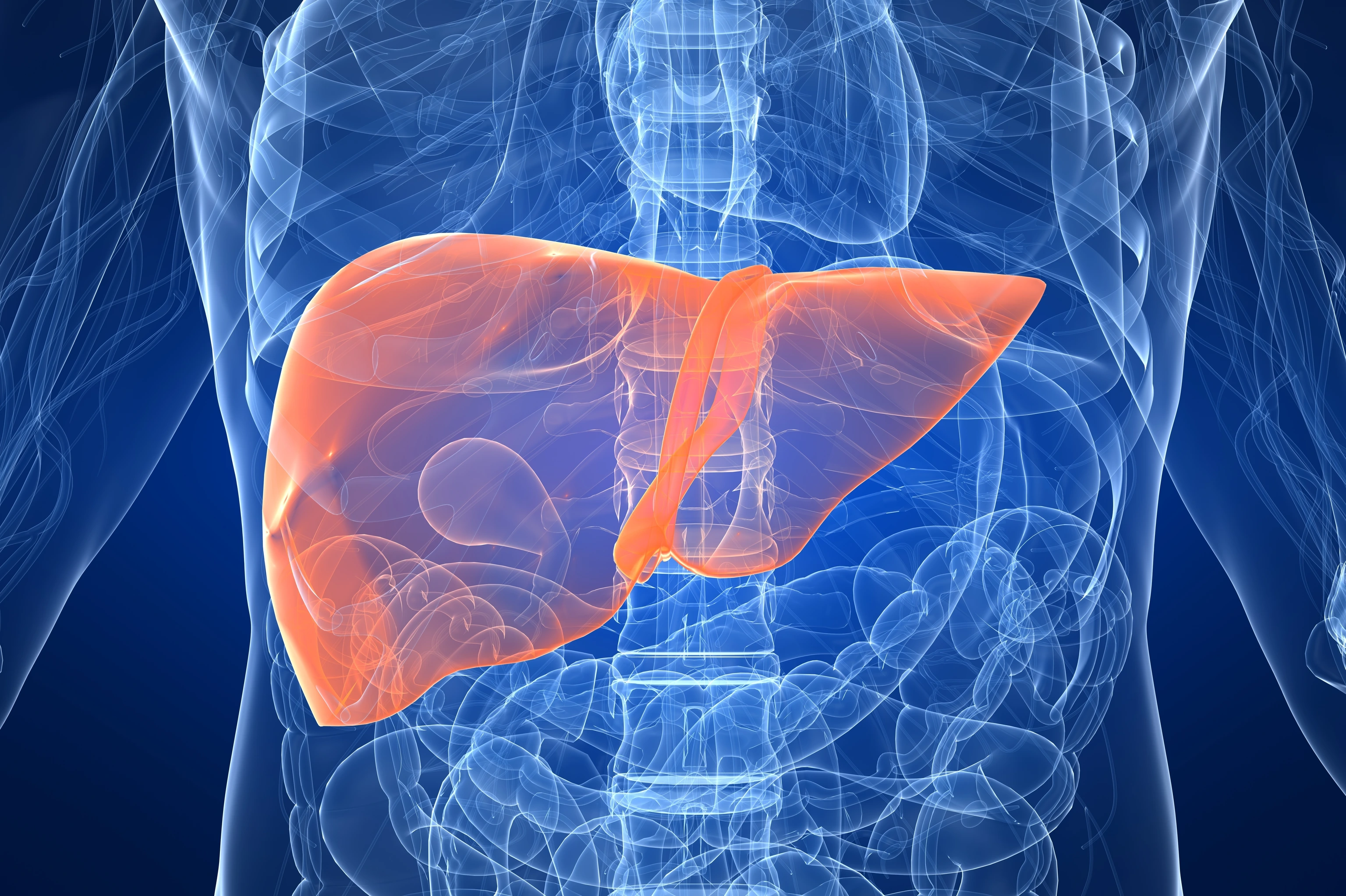
menschliche leber

New Research Findings, Diabetes, IDC,

Cancer Cachexia: Liver Identified as Driver of Body Wasting

Many people with cancer experience dramatic loss of muscle and fat tissue. In many cases, even the heart muscle is affected, which further weakens the body. This wasting syndrome, known as cachexia, affects around half of all cancer patients. It is a…

Human metabolism

Awards & Grants, Diabetes, IDC,

Inter-Organ Metabolomics: Helmholtz Munich Explores New Metabolic Mechanisms

Helmholtz Munich has successfully secured funding from the third DZG innovation fund for "Inter-Organ Metabolomics". Led by Dr. Maria Rohm, an interdisciplinary research team will explore how metabolic byproducts in individuals with severe diseases…

Bauchspeicheldrüse einer erwachsenen Maus nach chronischem Intervallfasten

New Research Findings, Diabetes, IDC,

Intermittent Fasting Could Be Unsafe for Teenagers

A recent study reveals that age plays a significant role in the outcomes of intermittent fasting. Researchers from Helmholtz Munich, the Technical University of Munich (TUM), and LMU Hospital Munich discovered that chronic intermittent fasting…

Diabetes, IDC,

Interview with Stephan Herzig and Alexander Bartelt: Is intermittent fasting universally beneficial?

Professors Stephan Herzig and Alexander Bartelt take a closer look at chronic intermittent fasting: What role does age play, and how do targeted fasting periods impact the long-term maturation and function of β-cells?

Maus Türöffnertag 2024

Public Engagement, Diabetes, TDI, IDO, IDF, IDC,

Helmholtz Munich Opened Its Doors for "The Mouse"

Every year on October 3rd, the German broadcaster WDR organizes the event "Doors Open with The Mouse." This year, 770 companies and research institutions across Germany participated, welcoming children and parents under the theme "Working Together."…

Leg muscles

Awards & Grants, Diabetes, IDC,

DFG Funds HyperMet

The German Research Foundation (DFG) has awarded nearly five million euros to fund a four-year research project on metabolic health, led by the Technical University of Munich (TUM) with significant involvement from Helmholtz Munich. Researchers from…

HeIDi_Winners

Events, Diabetes, IDC,

11th Helmholtz Diabetes Conference Highlights Metabolic Research Innovations

The 11th Helmholtz Diabetes Conference, held from September 23 to 25, 2024, in Munich, gathered leading international experts to discuss advancements in diabetes and metabolic research. Hosted by Stephan Herzig, Maria Rohm, and Mauricio Berriel Diaz…

HMGU_Icon_Diabetes_1

Featured Publication, IDC,

Patient Chronotype Could Impact Best Time to Take Blood Pressure Medication

A new study found that hypertension patients who took their blood pressure medication at a time aligned with their body clock had a reduced risk of heart attack.

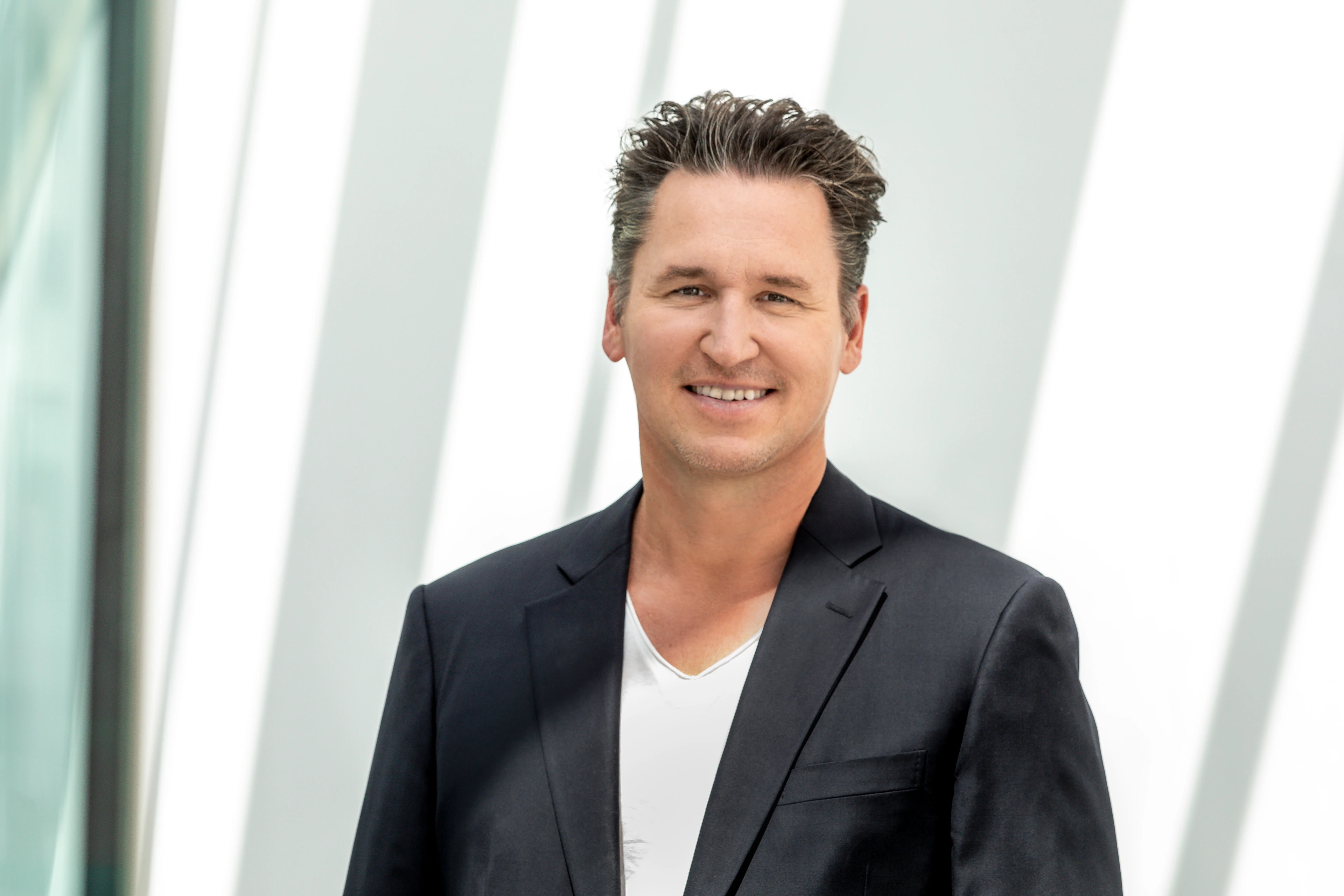
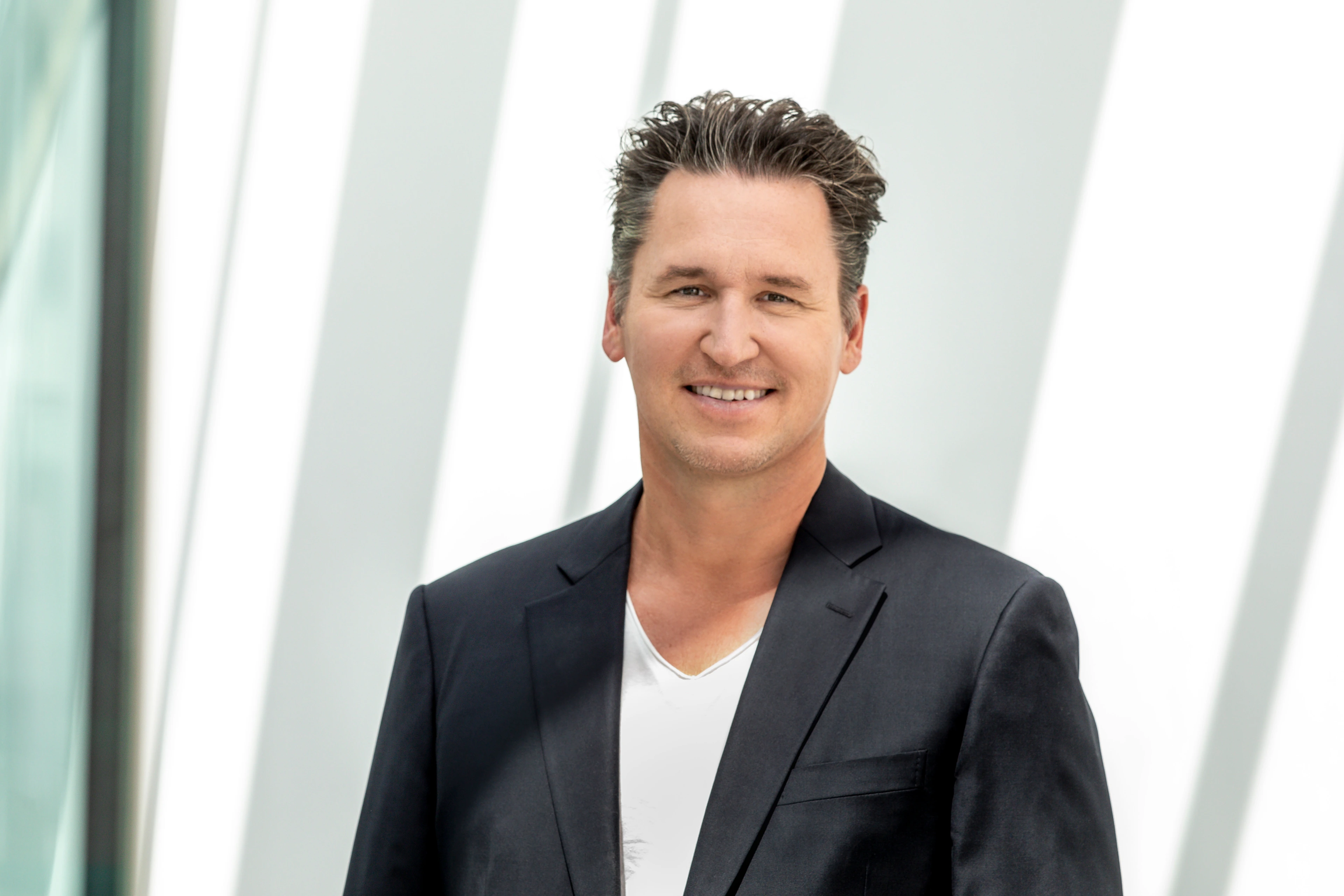
Prof. Stephan Herzig

Diabetes, IDC,

Fasting for Health: When Metabolism and Internal Clock are aligned

Prof. Stephan Herzig explains why intermittent fasting with conscious breaks of eating helps to bring the metabolism into harmony with the body's internal rhythm and thus improve health and prevent diseases such as diabetes, cardiovascular diseases,…

Stephan Herzig_21

Awards & Grants, Diabetes, IDC,

Combating Diabetes Complications: Stephan Herzig Awarded with the Camillo Golgi Prize from the EASD

Prof. Stephan Herzig has been awarded the 38th Camillo Golgi Prize for his outstanding contributions to the histopathology, pathogenesis, prevention, and treatment of the complications of diabetes. The prize is delivered by the European Association…

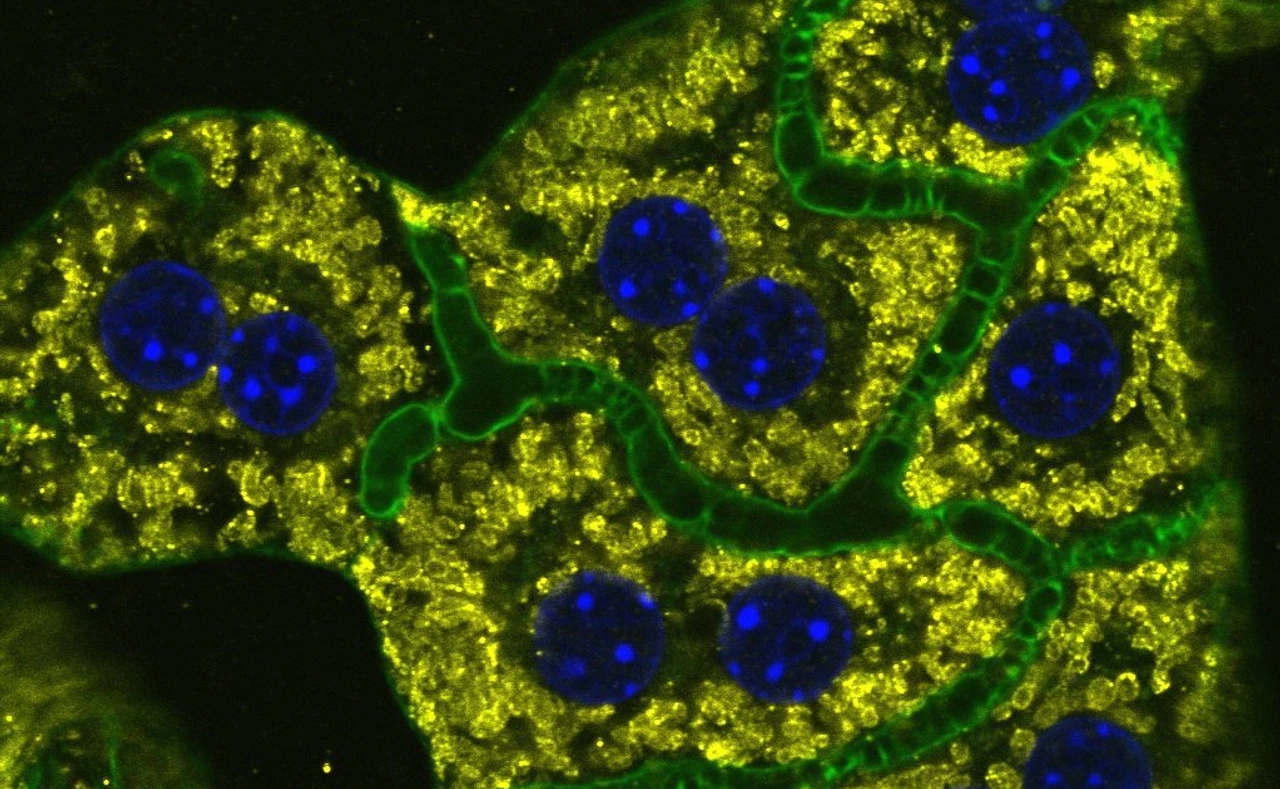
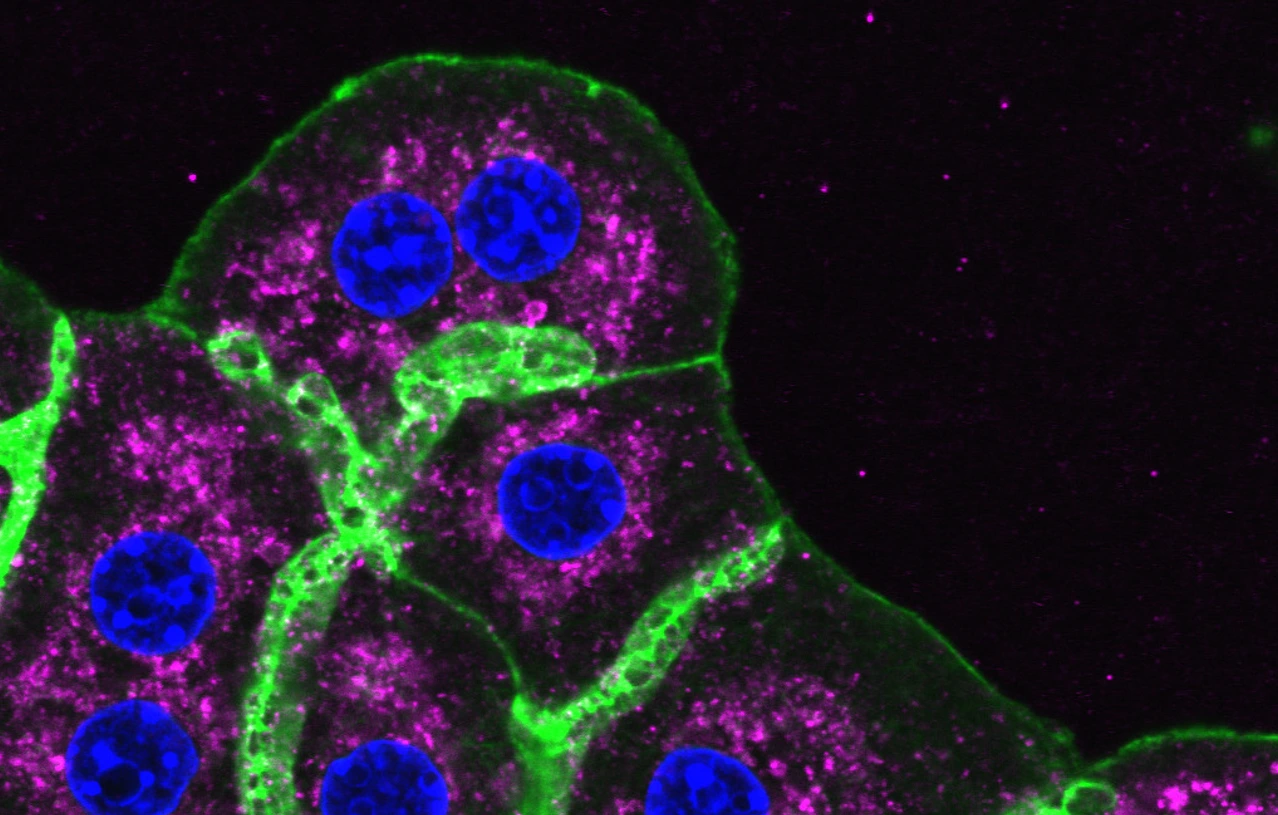
Mouse liver cells, Phall, DAPI, LAMP

New Research Findings, IDC,

Switching tracks: Changing the trafficking of the glucagon receptor in the liver regulates its metabolic signaling

Helmholtz Munich researchers identify a novel mechanism to modify glucagon receptor signaling outcomes by altering its intracellular localization

Stephan Herzig

Awards & Grants, Diabetes, IDC,

Stephan Herzig Awarded with the Werner Creutzfeldt Prize

For his outstanding achievements in the research field “Diabetes and Cancer”, the German Diabetes Society (DDG) awards this year's Werner Creutzfeldt Prize to Helmholtz Munich scientist Stephan Herzig.

Fibrotic liver section with marked collagen fibers in red

New Research Findings, Diabetes, IDC,

Revealing the Mystery Behind the Threat of Non-alcoholic Fatty Liver Disease

Researchers revealed how non-alcoholic fatty liver disease can develop into a life-threatening complication. Their discovery will accelerate the search for therapeutic solutions. The study was led by Helmholtz Zentrum München in collaboration with…
White running shoes, a sports watch and a water bottle on a pink background under the natural light of the morning sun. Concept of jogging, running, hard workout. Banner. Flat lay, top view

Diabetes, IDC,

Scientists Dive Deep Into the Different Effects of Morning and Evening Exercise

Exercise causes the body to release hundreds of different signals that improve our health in many different ways. Now scientists have mapped these intrinsic signals and how they are released by different organs in mice following exercise at different…

Medical concept of cancer. 3d illustration of T cells or cancer cells.

New Research Findings, IDC,

Potential Early Biomarkers for Cancer-Associated Body Weight Loss

Researchers at Helmholtz Zentrum München identified specific fat molecules which affect metabolism during cachexia, a cancer-related energy-wasting syndrome characterized by progressive decrease in muscle and fat tissue mass. These fat molecules may…

European Research Council

Awards & Grants, IDC, EPI, Computational Health, ICB, Pioneer Campus,

Four Out of Four: New ERC Starting Grants for Pioneering Health Research at Helmholtz Zentrum München

Helmholtz Zentrum München is awarded four ERC Starting Grants in the latest funding round of the European Research Council (ERC). All shortlisted projects submitted by early career researchers were successful, marking a novel record for the center.…

Balancing act for biomedical scientists

Featured Publication, IDC, ISF, Computational Health, ITG, Pioneer Campus,

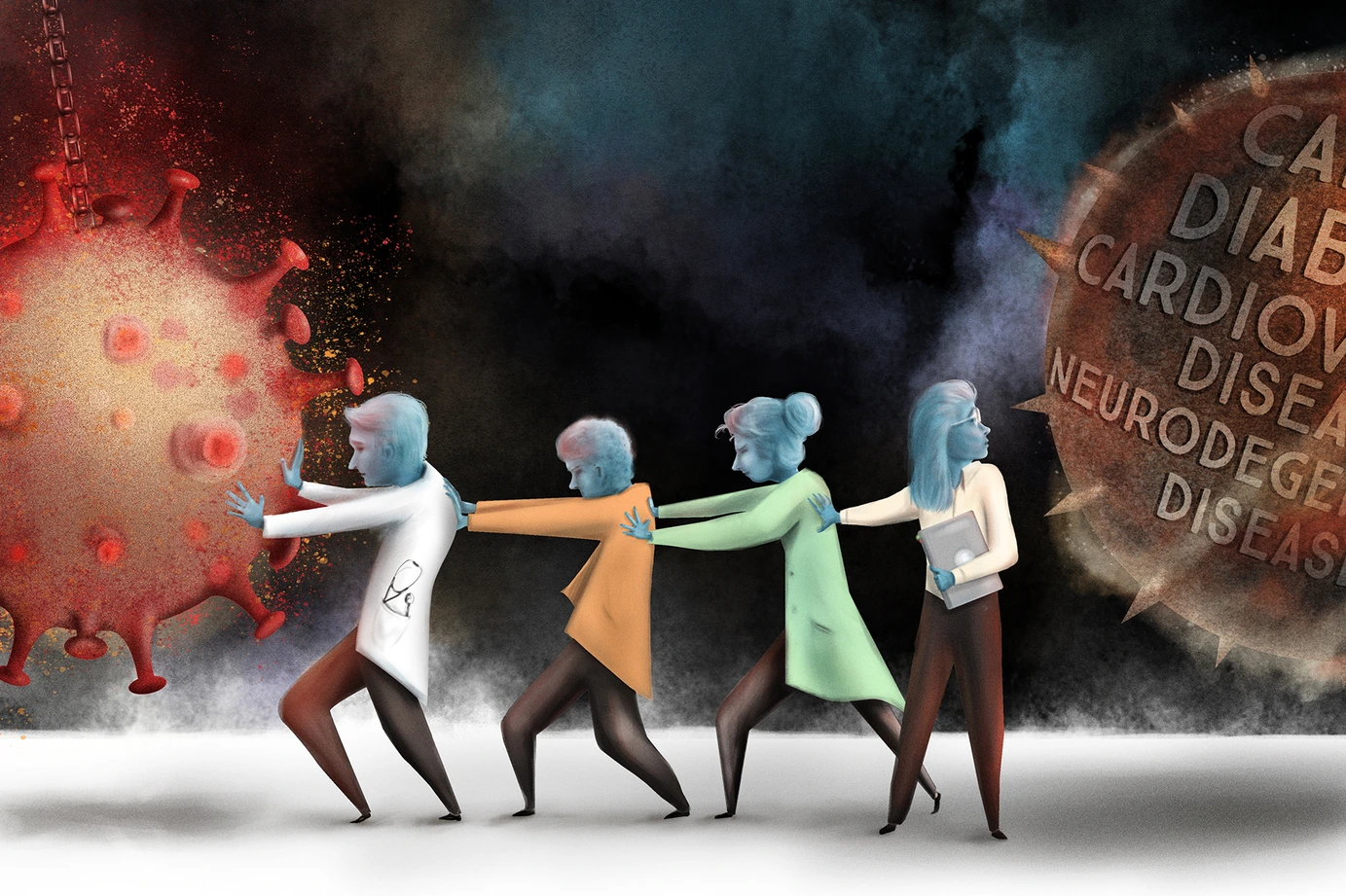
Fighting the COVID-19 pandemic and major diseases at the same time: A balancing act for biomedical scientists

Researchers, politicians and funding bodies find themselves in front of a unique situation and enormous challenge: The mounting pressure to accelerate and intensify efforts to tackle the COVID-19 pandemic while handling the growing threat from all…

Scientists at IDC

See all
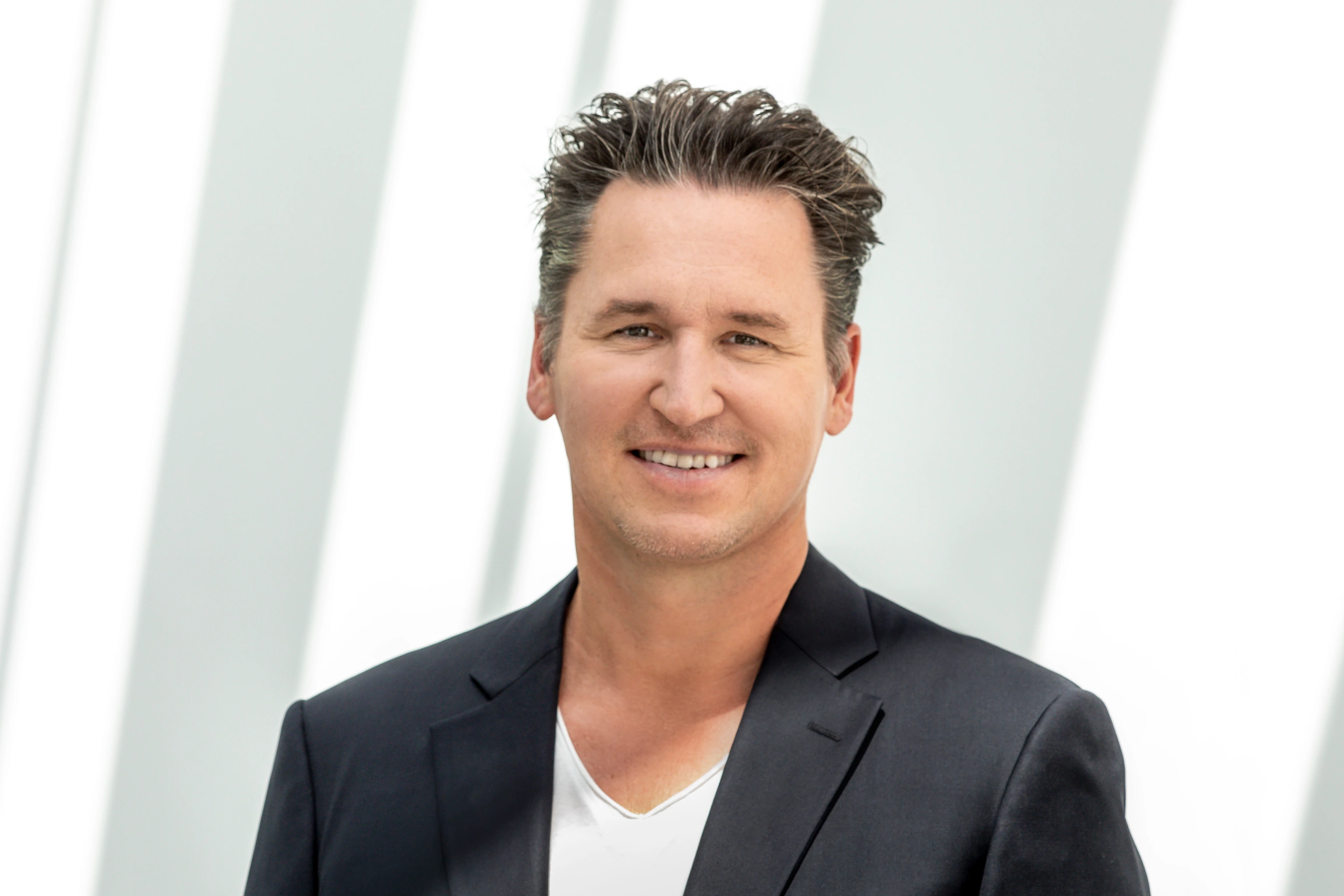
Stephan Herzig Porträt freigestellt
Prof. Dr. Stephan Herzig

Research Director Helmholtz Munich, Head of Diabetes Department and Head of Research Unit "Diabetes and Complications"

View profile


Portrait Berriel Diaz Mauricio_IDC
Dr. Mauricio Berriel Diaz

Deputy Director & Head of Division "Metabolism & Cancer"

View profile
IDC_Rohm Maria Portrait
Dr. Maria Rohm

Head of Division "Tissue Crosstalk in Cancer Metabolism"

View profile
Horst Zitzelsberger_NEU, HDC Gebäude
Prof. Dr. Horst Zitzelsberger

Head of Division "Translational Metabolic Oncology"

View profile
Porträt Dyar Kenneth
Dr. Kenneth Dyar

Head of Division "Metabolic Physiology"

View profile
Merly Vogt 15
Dr. Merly Vogt

Head of Division "Metabolic Programming across Generations"

View profile
Profile Picture Anja Zeigerer
Prof. Dr. Anja Zeigerer

Head of Division "Endocytosis and Metabolism"

View profile
Porträt Georgiadi Anastasia
Dr. Anastasia Georgiadi

Head of Division "Endocrine Pharmacology"

View profile
Design ohne Titel - 7
Dr. Hermine Mohr

Head of Division "Metabolic Cancer Reprogramming"

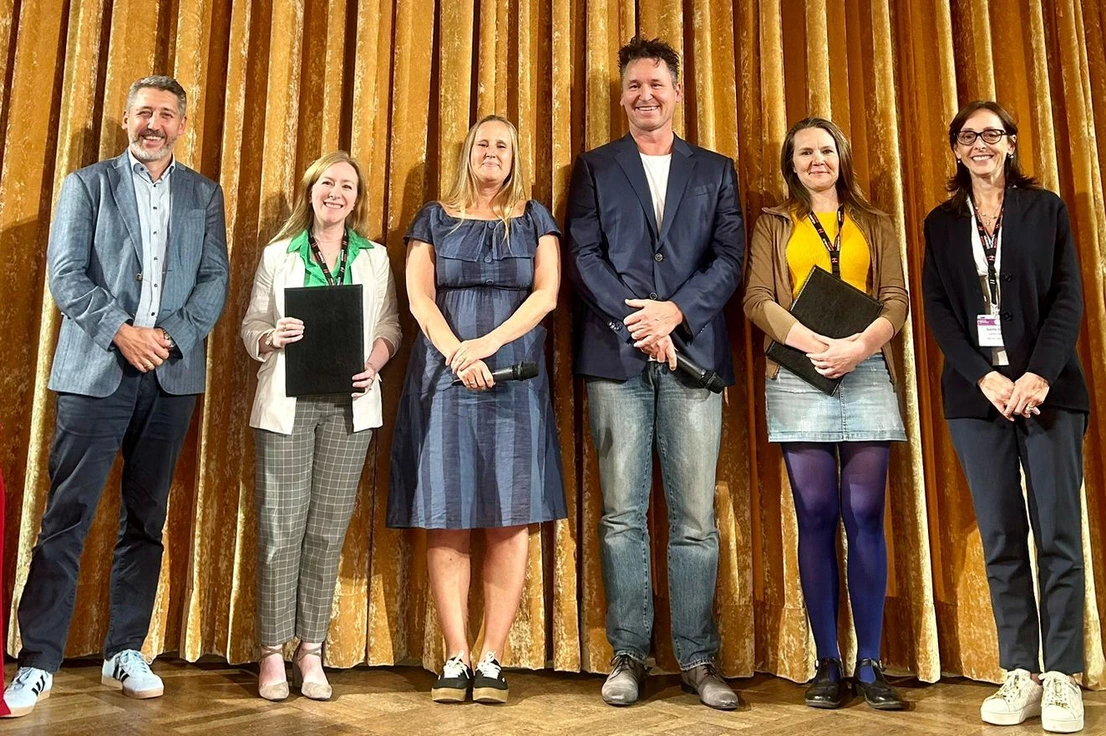
Group photo of Organizers for Diabetes Conference - 25
Prof. Dr. Sabine Steffens

Head of Division "Cardiovascular Disease Comorbidities"

View profile
Portrait Adrian Fischer
Dr. Adrian Fischer

Head of Division "Fibrosis"

Institute in Numbers

83
Employees
24
Nationalities

Top 10 Publications

2025 Cell

Kaltenecker D, Schmidt S F, Weber P, Loft A, Morigny P, Machado J, Geppert J, Saul KB, Benedikt P, Molocea CE, Scott R, Haase K, Martignoni ME, Alfaro AJ, Chow KK, Simoes E, Otoch JP, Lima JDCC, Swanton C, Spielmann N, Hrabé de Angelis M, Elsner M, Ertürk A, Dyar KA, Rohm M, Prokopchuk O, Jamal-Hanjani M, Seelaender M, Backs J, Herzig S, Berriel Diaz M

Functional liver genomics identifies hepatokines promoting wasting in cancer cachexia

Loft A, Schmidt S F, Caratti G, Stifel U, Havelund J, Sekar R, Kwon Y, Sulaj A, Chow KK, Alfaro AJ, Schwarzmayr T, Rittig N, Svart M, Tsokanos FF, Maida A, Blutke A, Feuchtinger A, Møller N, Blüher M, Nawroth P, Szendrödi J, Færgeman NJ, Zeigerer A, Tuckermann J, Herzig S

A macrophage-hepatocyte glucocorticoid receptor axis coordinates fasting ketogenesis

Loft A, Alfaro A J, Schmidt S F, Pedersen F B, Terkelsen M K, Puglia M, Chow K K, Feuchtinger A, Troullinaki M, Maida A, Wolff G, Sakurai M, Berutti R, Ekim Üstünel B, Nawroth P P, Ravnskjaer K, Diaz M B, Blagoev B, Herzig S

Liver-fibrosis-activated transcriptional networks govern hepatocyte reprogramming and intra-hepatic communication

Seitz S, Kwon Y, Hartleben G, Jülg J, Sekar R, Krahmer N, Najafi B, Loft A, Gancheva S, Stemmer K, Feuchtinger A, Hrabe de Angelis M, Müller T D, Mann M, Blüher M, Roden M, Berriel Diaz M, Behrends C, Gilleron J, Herzig S & Zeigerer A

Hepatic Rab24 controls blood glucose homeostasis via improving mitochondrial plasticity

Rios Garcia M, Steinbauer B, Kshitij S, Singhal M, Mattijssen F, Maida A, Christian S, Hess-Stumpp H, Augustin HG, Müller-Decker K, Nawroth PP, Herzig S, Berriel Diaz M

Acetyl-CoA Carboxylase 1-Dependent Protein Acetylation Controls Breast Cancer Metastasis and Recurrence

Rohm M, Schäfer M, Laurent V, Ekim Üstünel B, Niopek K, Algire C, Hautzinger O, Sijmonsma TP, Zota A, Medrikova D, Pellegata NS, Ryden M, Kulyte A, Dahlman I, Arner P, Petrovic N, Cannon B, Amri EZ, Kemp BE, Steinberg GR, Janovska P, Kopecky J, Wolfrum C, Blüher M, Berriel Diaz M, Herzig S

An AMP-activated protein kinase–stabilizing peptide ameliorates adipose tissue wasting in cancer cachexia in mice

Rohm M, Sommerfeld A, Strzoda D, Jones A, Sijmonsma TP, Rudofsky G, Wolfrum C, Sticht C, Gretz N, Zeyda M, Leitner L, Nawroth PP, Stulnig TM, Berriel Diaz M, Vegiopoulos A, Herzig S

Transcriptional cofactor TBLR1 controls lipid mobilization in white adipose tissue

Vegiopoulos A, Müller-Decker K, Strzoda D, Schmitt I, Chichelnitskiy E, Ostertag A, Berriel Diaz M, Rozman J, Hrabe de Angelis M, Nüsing RM, Meyer CW, Wahli W, Klingenspor M, Herzig S

Cyclooxygenase-2 controls energy homeostasis in mice by de novo recruitment of brown adipocytes

Lemke U, Krones-Herzig A, Berriel Diaz M, Narvekar P, Ziegler A, Vegiopoulos A, Cato ACB, Bohl S, Klingmüller U, Screaton RA, Müller-Decker K, Kersten S, Herzig S

The glucocorticoid receptor controls hepatic dyslipidemia through Hes1

Herzig S, Long F, Jhala US, Hedrick S, Quinn R, Bauer A, Rudolph D, Schutz G, Yoon C, Puigserver P, Spiegelman B, Montminy M

CREB regulates hepatic gluconeogenesis through the coactivator PGC-1

Contact

Portrait Miriam Guhl
Miriam Guhl

Coordination and Administration

Building 3620 / Room 309d

Looking for a new challenge?

Join our team.