Head of Research Unit Central Nervous System Research, CNSR
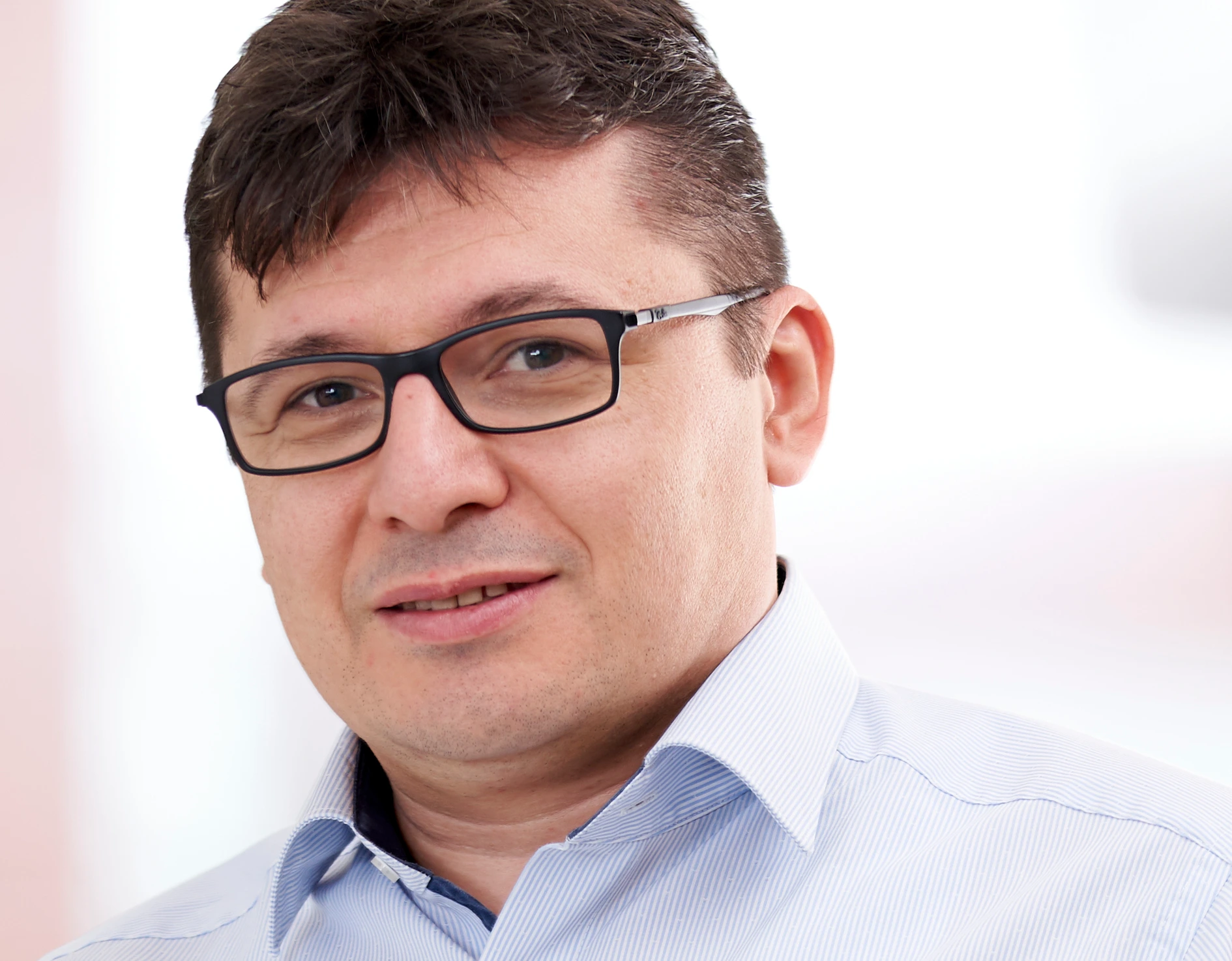
Prof. Dr. Jovica Ninkovic
"I am committed to developing novel therapies for CNS damage caused by traumatic brain injury or brain cancer—devastating diseases with limited treatment—using innovative approaches grounded in glial biology and function."
Academic Career and Research Areas
Prof. Jovica Ninkovic’s academic journey began with studies in Molecular Biology and Physiology at the University of Belgrade, followed by a Master’s degree in Molecular Genetics. He completed his doctoral research at the Technical University of Munich, where he investigated the molecular mechanisms of neurogenesis in zebrafish and established a strong foundation in developmental neuroscience. This early work ignited his enduring interest in how the central nervous system develops, adapts, and regenerates.
He continued his scientific career at the Helmholtz Zentrum Munich in the laboratory of Prof. Magdalena Götz, first as a postdoctoral researcher and later as a staff scientist, where he deepened his expertise in neural stem cells and glial biology. Since 2013, he has led the Neurogenesis and Regeneration Group, and since 2018 he has served as Professor of Anatomy at LMU Munich. Since 2025, he also leads the Research Unit “Central Nervous System Regeneration” within the Stem Cell Center at Helmholtz Zentrum Munich, further strengthening his role at the forefront of regenerative neuroscience.
His research aims to uncover the fundamental mechanisms that enable successful regeneration in the central nervous system. He has made seminal contributions to understanding how specific glial behaviors drive regenerative outcomes. His work has pioneered the use of single-cell and spatial transcriptomics to map glial responses with unprecedented resolution, revealing dynamic cellular states during regeneration. In addition, he has advanced the field by identifying key epigenomic changes that confer regenerative competence and by providing the first insights into environmental signals that promote successful repair. Together, these discoveries lay the groundwork for innovative therapeutic strategies to restore brain function after injury and disease.
Fields of Work and Expertise
CNS Regeneration Glial Biology Single-Cell Transcriptomics Epigenomic Regulation Regenerative Competence Traumatic Brain Injury Glioblastoma Neuroinflammation Cellular Reprogramming
Professional Background
Staf Scientist, Institute of Stem Cell research, Helmholtz Munich, Germany
Group Leader Central Nervous System Regeneration, Institute of Stem Cell research, Helmholtz Munich, Germany
W2 Professor for Regeneration and Plasticity of CNS Anatomy Professor, Institute of Cell Biology and Anatomy, Biomedical Center of LMU, Munich, Germany
Director of the Research Unit Central Nervous System Regeneration, Helmholtz Munich, Germany

Honors and Awards
- 2010 - LMU/Scopus Neuroscience Award
- 2006 - Promotionspreis, TU München (Best PhD Thesis)