
Helmholtz Diabetes Center
Institute for Metabolism and Immunology
(Formerly known as TDI - Type 1 Diabetes Immunology)
Our overarching goal is to understand how the immune system interacts with metabolic processes in health and disease, and how this interplay can be harnessed for precision prevention and therapies. A central focus is on regulatory T cells (Tregs), key players in immune-metabolic crosstalk. We have a longstanding interest in autoimmune type 1 diabetes as a paradigm to study how immune regulation shapes metabolic outcomes. We aim to uncover how Treg specialization and dysfunction contribute to metabolic diseases such as diabetes and how these insights can guide targeted interventions. Our vision is to develop strategies that not only modulate immune responses but also support tissue function, regeneration, and repair. Ultimately, we seek to translate mechanistic insights into disease-specific interventions that improve metabolic health and prevent complications.
(Formerly known as TDI - Type 1 Diabetes Immunology)
Our overarching goal is to understand how the immune system interacts with metabolic processes in health and disease, and how this interplay can be harnessed for precision prevention and therapies. A central focus is on regulatory T cells (Tregs), key players in immune-metabolic crosstalk. We have a longstanding interest in autoimmune type 1 diabetes as a paradigm to study how immune regulation shapes metabolic outcomes. We aim to uncover how Treg specialization and dysfunction contribute to metabolic diseases such as diabetes and how these insights can guide targeted interventions. Our vision is to develop strategies that not only modulate immune responses but also support tissue function, regeneration, and repair. Ultimately, we seek to translate mechanistic insights into disease-specific interventions that improve metabolic health and prevent complications.

About our Research
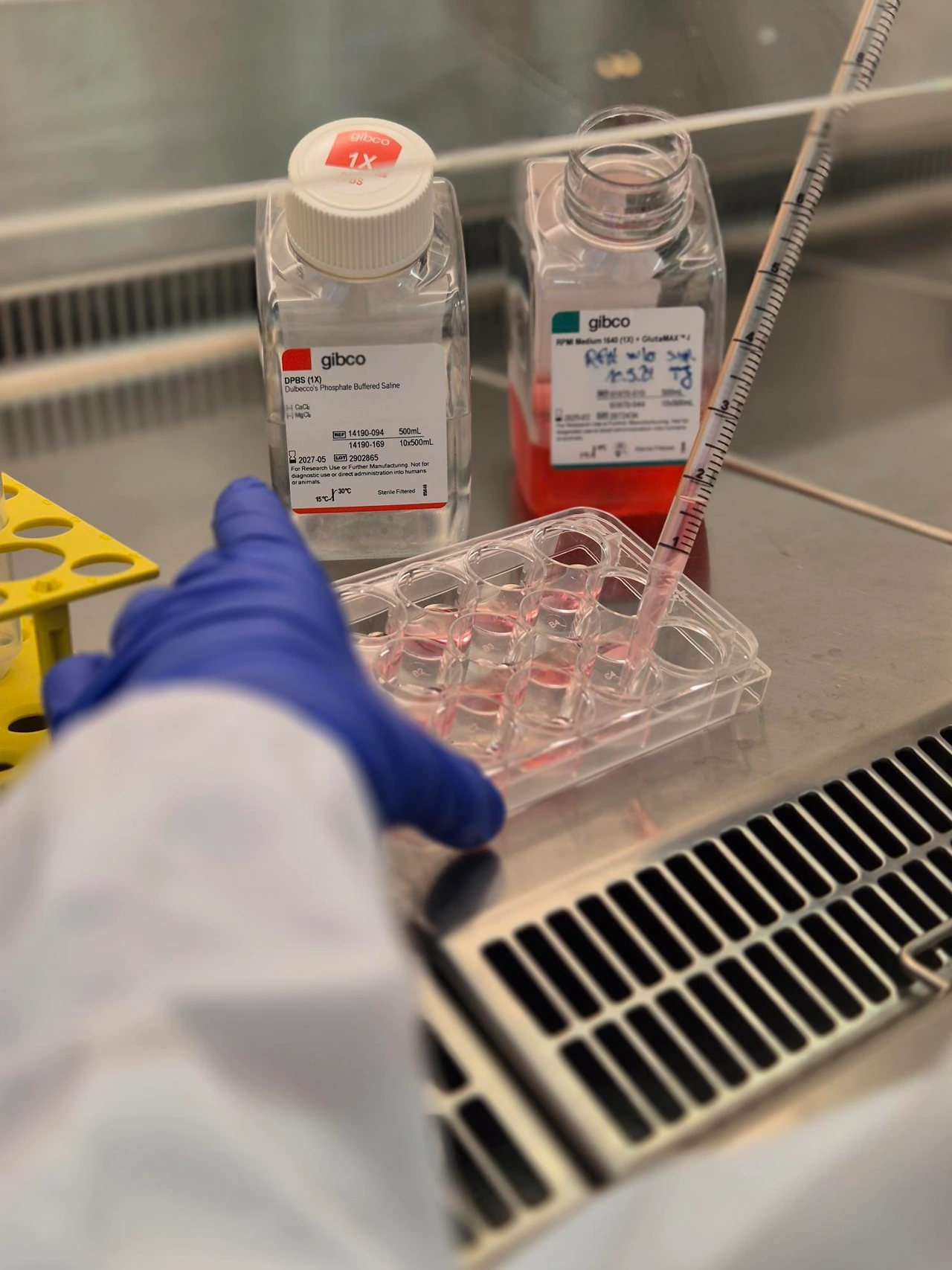
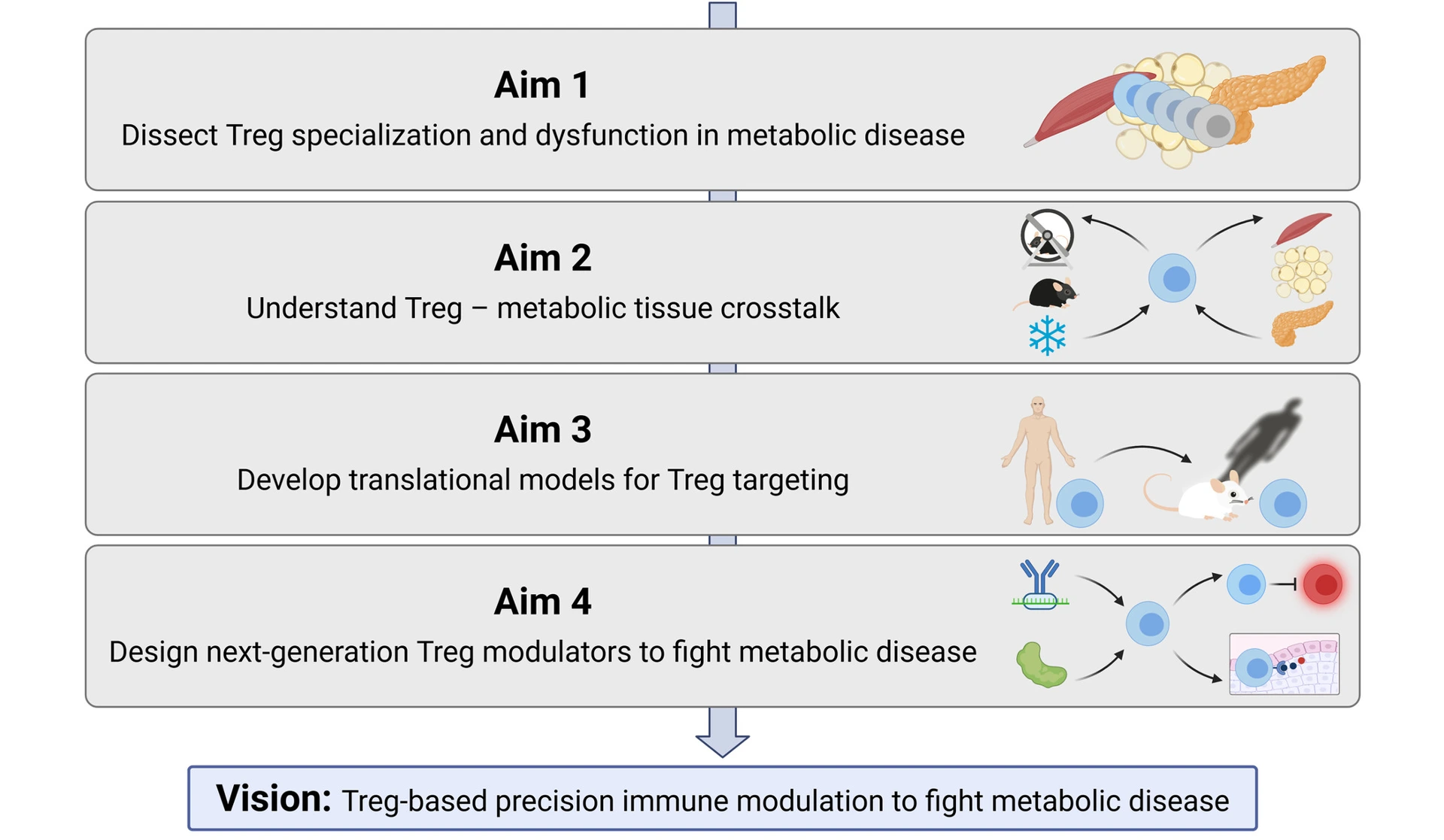
Regulatory T cells (Tregs) are key players in maintaining peripheral immune tolerance. Beyond their classical role, recent research, including our own, has revealed that Tregs also shape metabolic tissue integrity, function and regeneration, thereby influencing systemic metabolism. By studying both the classical functions of Tregs and their role in immune-metabolic tissue crosstalk, the Institute for Metabolism and Immunology investigates the central drivers of metabolic health. Our research aims include dissecting Treg specialization in metabolic disease, understanding Treg – metabolic tissue crosstalk, developing translational models to target Tregs, and ultimately designing Treg modulators to prevent or treat metabolic diseases.
Institute for Metabolism and Immunology
Overarching Aims and Scientific Vision









Deputy Head

Deputy Head

Scientific Affairs Lead

Scientific Coordinator

Scientific Coordinator

Biology Lab Technician

Postdoc

Postdoc

Doctoral Researcher

Doctoral Researcher

Doctoral Researcher

Doctoral Researcher

Student Assistant

Student Assistant

Medical Doctor

Masters Student
Institute Leadership and Organization







Contact Us
