Molecular Targets and Therapeutics Center

Metabolism and Cell Death

The Institute of Metabolism and Cell Death (MCD) aims to elucidate the molecular mechanisms underlying life and death decisions in (patho-)physiological contexts. Understanding these mechanisms is central to both the identification of biomarkers and the development of new therapies to combat degenerative diseases and cancer.
Follow us on X

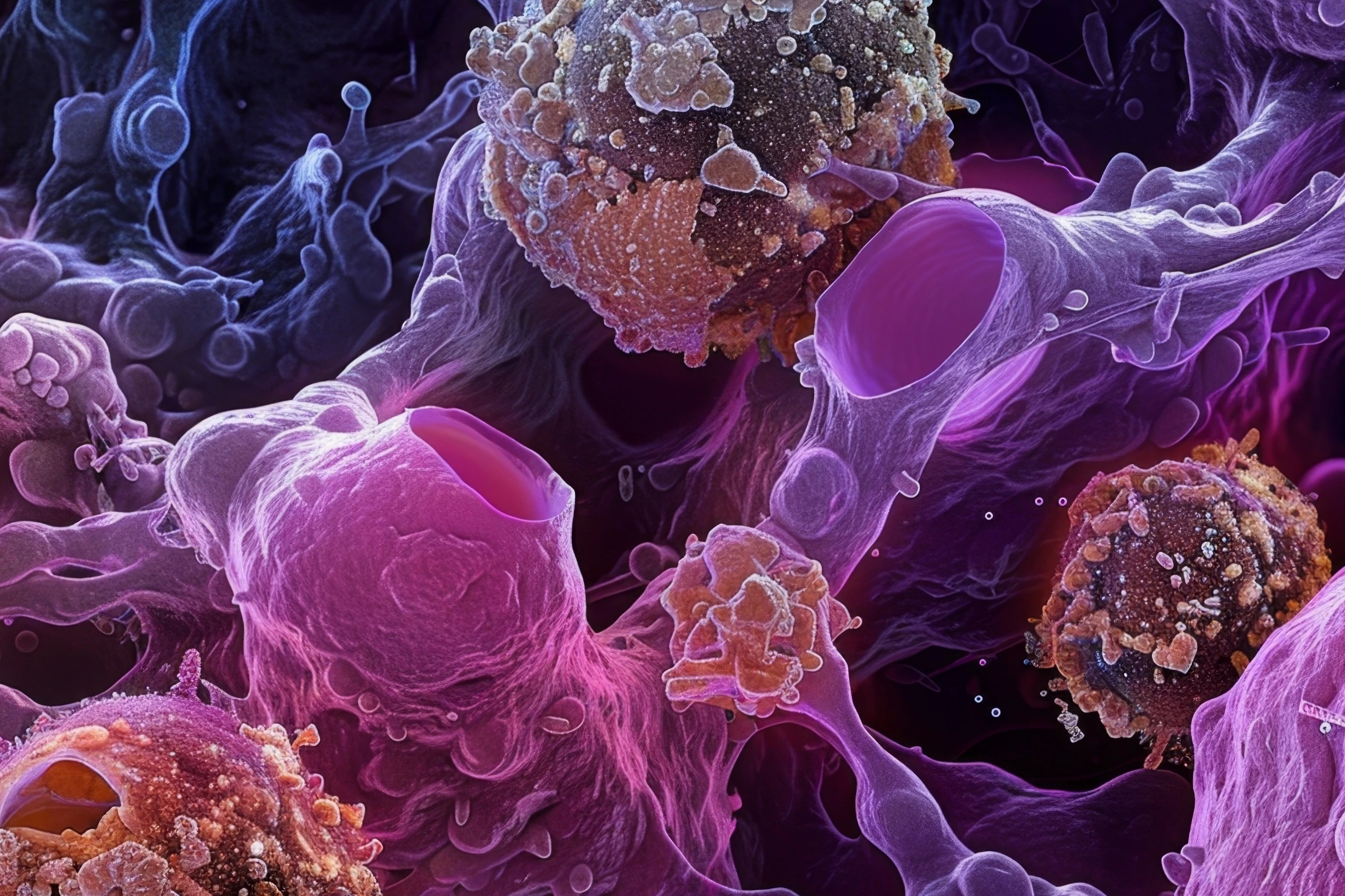
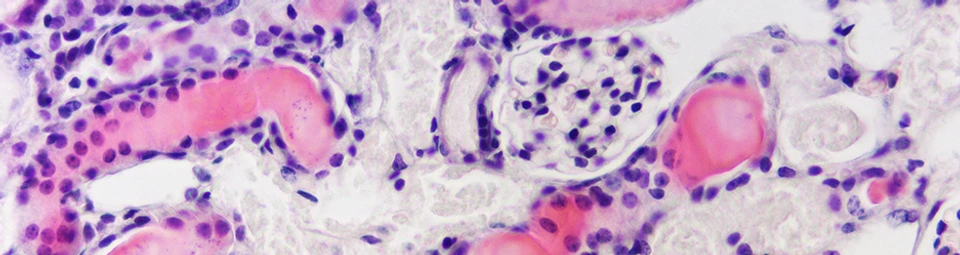
Kidney tubular cells dying by ferroptosis

About our Research

Our Research Groups

Mitochondrial Metabolism

We are interested in understanding how mitochondrial metabolic plasticity paves the way for cells to adapt to stress and how this knowledge can help address diseases like neurodegeneration and mitochondrial disorders.

Read more

Ferroptomics

The cornerstone of our research is to identify ferroptotic signatures in pathological conditions relevant to ferroptosis with potential for biomarker development using (oxi-)lipidomic and metabolomic workflows.

Read more

Drug Discovery and Development

Ferroptotic cell death is thought to be the root cause of many degenerative diseases while ferroptosis suppression has been put forward as Achilles’ heel for therapy-resistant tumors. Ferroptosis modulators have a vast potential for the treatment of as-yet-incurable diseases

Read more

Bioinformatics

The management and analysis of increasingly large amounts of research data is of enormous importance for the understanding of fundamental metabolic processes, their regulation and the subsequent development of innovative approaches to disease therapy.

Read more

Mitochondrial Metabolism Team

Read more

Projects & Cooperations

DFG Projekt SPP-1

German Research Foundation (DFG) - Priority Program SPP 2306

Ferroptosis: from Molecular Basics to Clinical Applications

Read more
Logo DFG Death Decision

German Research Foundation (DFG) - Project TRR 353

Regulation of Cell Death Decisions

Read more
European Research Council Logo;
Logo European Research Council ERC

The Advent of the Iron Age in Cell Death

Irondeath

Read more

News from our Institute

Porträt Marcus Conrad_KI_Erweiterung für Typo3

Awards & Grants, Molecular Targets and Therapeutics, MCD,

Marcus Conrad Receives Fondation ARC Léopold Griffuel Award

Prof. Marcus Conrad, Director of the Institute of Metabolism and Cell Death at Helmholtz Munich, has been honored with the 54th Fondation ARC Léopold Griffuel Award for Translational and Clinical Research. The award recognizes his pioneering…

Electron micrograph of apoptotic cells showing the formation of membranebound apoptotic bodies a hallmark of programmed cell death

Molecular Targets and Therapeutics, MCD,

Mapping How Cancer Cells Die – and Survive: A 25-Year Update on a Defining Hallmark of Cancer

A new review in Cell by Helmholtz Munich researchers and international collaborators reframes regulated cell death as a roadmap for the next generation of precision oncology. Publication coincides with the 25th anniversary of the seminal Hallmarks of…

Porträt Marcus Conrad
Hochformat
Background: HDC Indoor

Awards & Grants, Molecular Targets and Therapeutics, MCD,

Marcus Conrad Receives German Cancer Award 2026

Prof. Marcus Conrad, Director of the Institute of Metabolism and Cell Death at Helmholtz Munich was awarded the German Cancer Award 2026 in the category “Experimental Research”, together with Prof. José Pedro Friedmann Angeli of the University of…

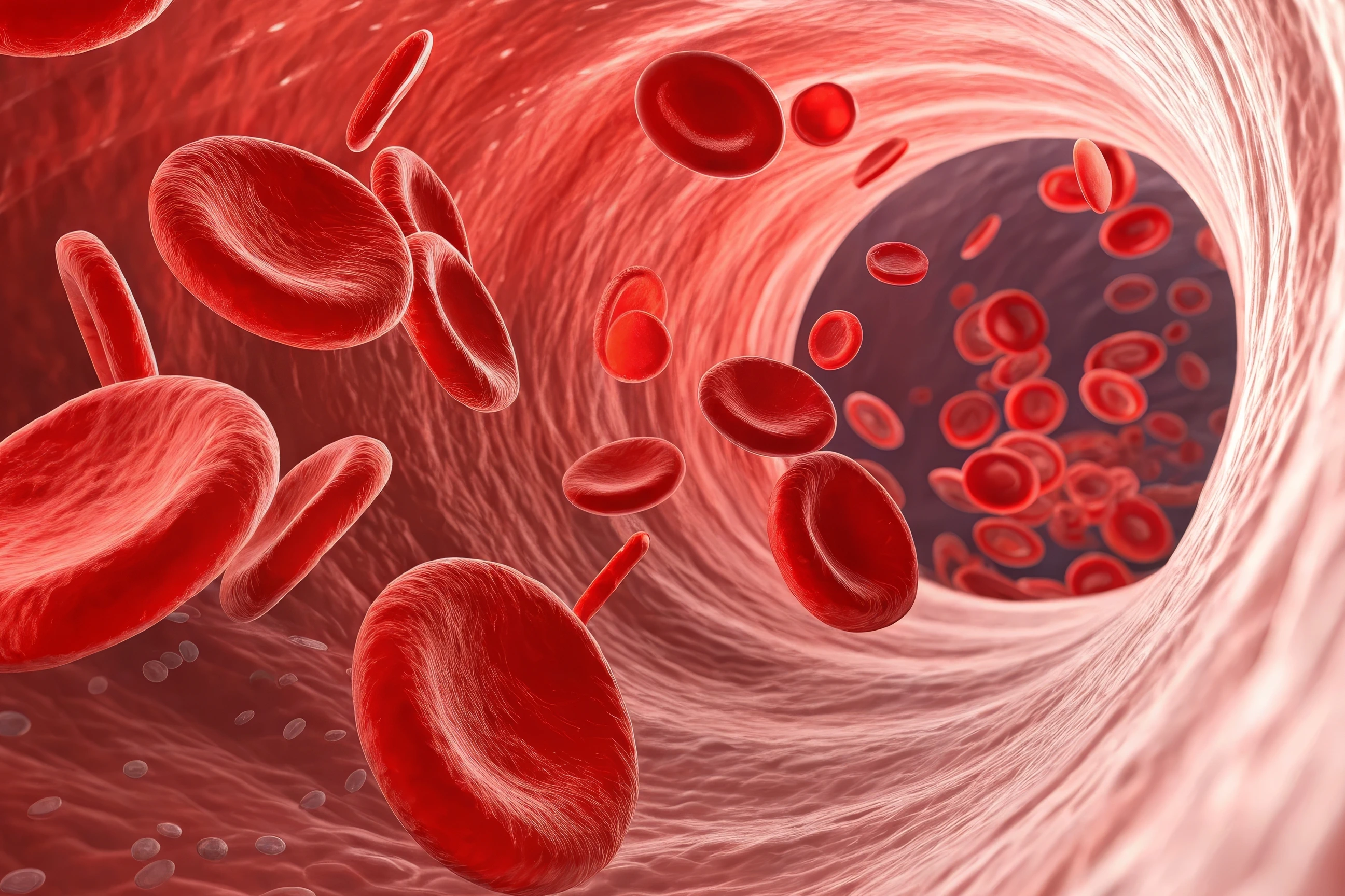
Bloodstream Flow 3D Render of Red Blood Cells in Vessel Lumen

Awards & Grants, Environmental Health, LHI, Molecular Targets and Therapeutics, MCD,

Funding for Cell Death Research Extended

Research into a novel form of cell death is entering its next phase and could soon help reduce complications after heart attacks or organ transplants. The Federal Ministry of Research, Technology, and Space (BMFTR) is providing continued support for…

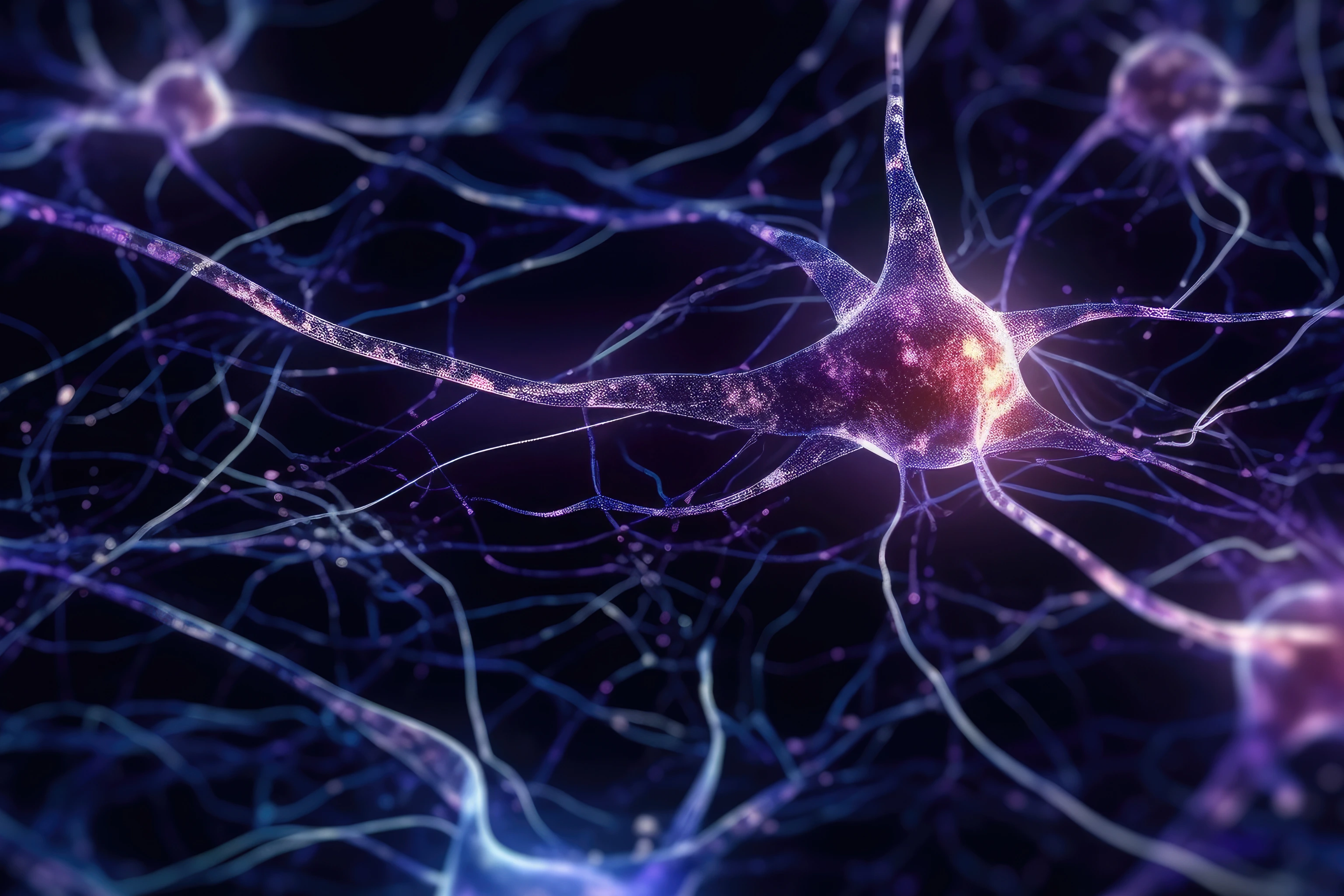
Neural Cells Interaction

New Research Findings, Molecular Targets and Therapeutics, MCD,

Single Enzyme Failure Found to Drive Neuron Loss in Dementia

Researchers at Helmholtz Munich, the Technical University of Munich and the LMU University Hospital Munich uncovered a mechanism that protects nerve cells from premature cell death, known as ferroptosis. The study provides the first molecular…

HMGU_Icon_Molecular_Targets

Featured Publication, Molecular Targets and Therapeutics, MCD,

Triggering Cell Death in Metastatic Melanoma and Lung Adenocarcinoma May Pave the Way for New Cancer Treatments

Two new studies published in Nature show that metastatic melanoma and lung adenocarcinoma rely on the protein ferroptosis suppressor protein 1 (FSP1) for survival – identifying a metabolic dependency that may inform the development of new cancer…

A vibrant abstract composition shows interconnected blue dots and lines in a dark environment
KI generated

Awards & Grants, Computational Health, ICB, Bioengineering, IBMI, Molecular Targets and Therapeutics, MCD,

Three ERC Proof of Concept Grants for Helmholtz Munich

Researchers at Helmholtz Munich have secured three prestigious Proof of Concept Grants from the European Research Council (ERC). This funding will enable them to advance innovative projects across diverse areas of biomedical research. With a total of…

Marcus Conrad  erhält Paul-Martini-Preis

Awards & Grants, Molecular Targets and Therapeutics, MCD,

Paul Martini Prize for Marcus Conrad

For his discoveries in the field of ferroptosis – a specific form of programmed cell death that opens up new perspectives for the development of drugs in cancer therapy and organ transplantation – Prof. Marcus Conrad has been awarded the Paul Martini…

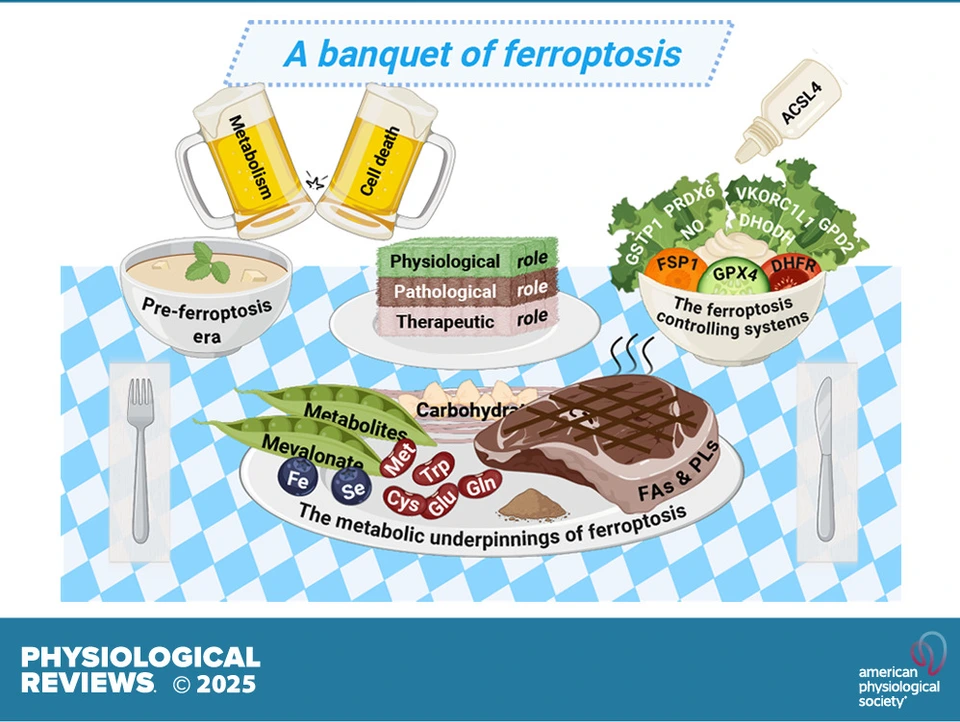
Review Article Physiological Review

MCD,

New Article published in Physiological Reviews

Ferroptosis: when metabolism meets cell death

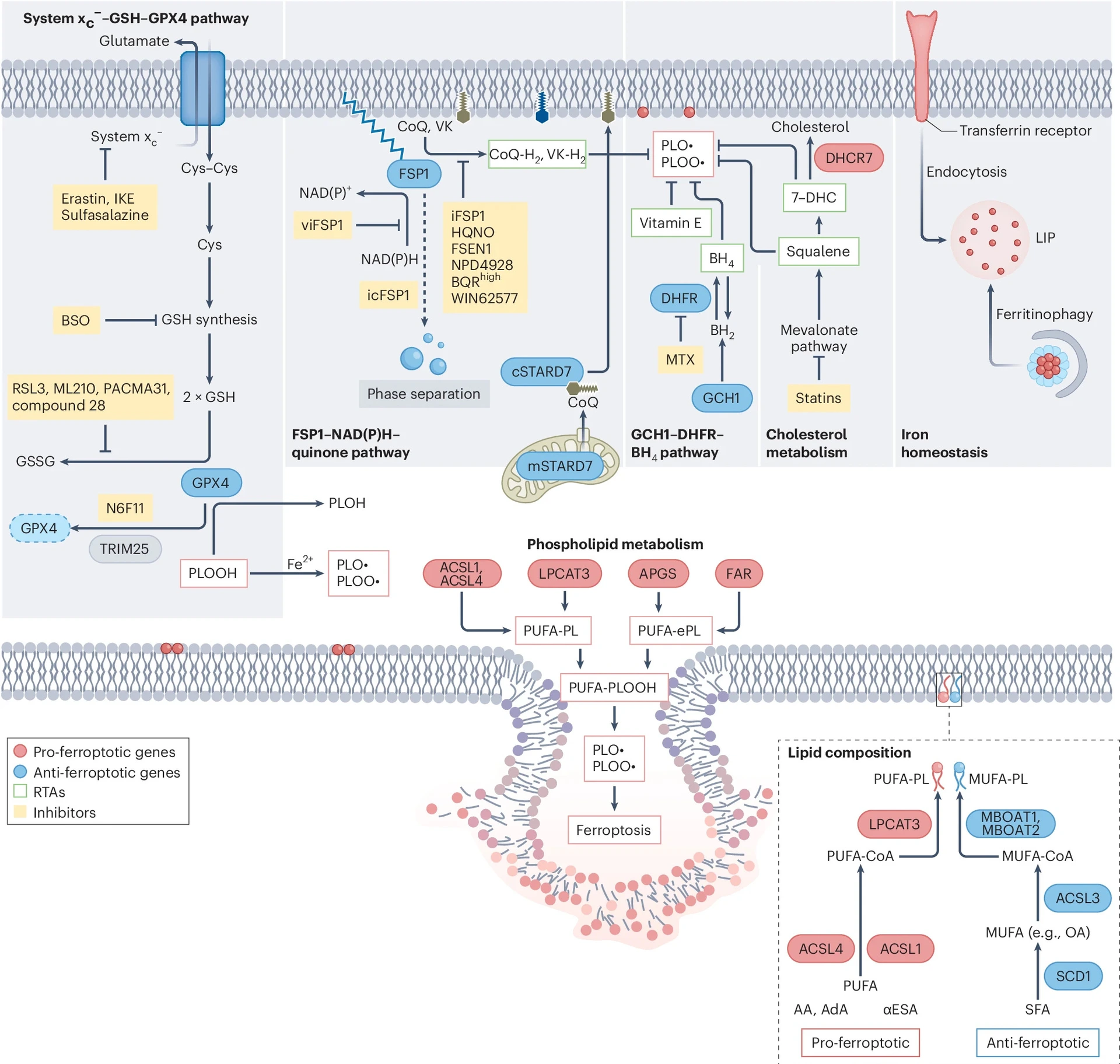
Nature Cell Biology exploiting ferroptosis vulnerabilities in cancer

MCD,

New Review Article in Nature Cell Biology

Exploiting ferroptosis vulnerabilities in cancer

Nature Chemical Biology Chains of Death

MCD,

New Article published in Nature Chemical Biology

Ferroptosis – Chains of Death

Cover Zeitschrift Molecular Cell

MCD,

New Article published in Molecular Cell

PRDX6 dictates ferroptosis sensitivity by directing cellular selenium utilization

Scientists at MCD

Marcus Conrad_freigestellt
Prof. Dr. Marcus Conrad

Director Metabolism and Cell Death, MCD

View profile
Porträt Bettina Proneth
Dr. Bettina Proneth

Deputy Director

Porträt Jens Hansen
Dr. Jens Hansen

Group Leader

Porträt Marceler Aldrovandi
Dr. Maceler Aldrovandi

Group Leader

Porträt Sebastian Doll
Dr. Sebastian Doll

Group Leader

Soni Deshwal
Dr. Soni Deshwal

Group Leader, MCD

View profile

Latest Publications of Our Institute

Cell 189, 2322-2356 (2026)

Conrad, M. ; Strasser, A. ; Jost, P.J. ; Yuan, J. ; Shao, F. ; Vandenabeele, P. ; Wahida, A.

Cell death in cancer.
Redox Biol. 94:104195 (2026)

Jacobs, L.J. ; Doll, S. ; Trümbach, D. ; Veronese, M. ; Di Pietro, G. ; Yapici, F.I. ; Hasberg, L. ; Gentzsch, P. ; Gerlich, S. ; Hansen, J. ; von Karstedt, S. ; Rugarli, E.I. ; Conrad, M. ; Salvador, A. ; Riemer, J.

Cytosolic PRDX1 acts as an extramitochondrial sink to set mitochondrial H2O2 levels and enable resilience to chronic mitochondrial oxidative stress.
Nature, DOI: 10.1038/s41586-026-10403-z (2026)

Freitas, F.P. ; Alborzinia, H. ; Dos Santos, A.F. ; Nepachalovich, P. ; Pedrera, L. ; Zilka, O. ; Inague, A. ; Klein, C. ; Aroua, N. ; Kaushal, K. ; Kast, B. ; Lorenz, S. ; Kunz, V. ; Nehring, H. ; Xavier da Silva, T.N. ; Chen, Z. ; Atici, S. ; Doll, S. ; Schaefer, E.L. ; Ekpo, I. ; Schmitz, W. ; Horling, A. ; Imming, P. ; Miyamoto, S. ; Wehman, A.M. ; Genaro-Mattos, T.C. ; Mirnics, K. ; Kumar, L. ; Klein-Seetharaman, J. ; Meierjohann, S. ; Weigand, I. ; Kroiss, M. ; Bornkamm, G.W. ; Gomes, F. ; Netto, L.E.S. ; Sathian, M.B. ; Konrad, D.B. ; Covey, D.F. ; Michalke, B. ; Bommert, K. ; Bargou, R.C. ; Garcia-Saez, A. ; Pratt, D.A. ; Fedorova, M. ; Trumpp, A. ; Conrad, M. ; Friedmann Angeli, J.P.

Author Correction: 7-Dehydrocholesterol is an endogenous suppressor of ferroptosis.
Nat. Cell Biol. 28, 696-706 (2026)

Skafar, V. ; de Souza, I. ; Ghosh, B. ; Ferreira Dos Santos, A. ; Porto Freitas, F. ; Chen, Z. ; Sun, S. ; Donate Castillo, M. ; Nepachalovich, P. ; Seufert, L. ; Bothe, S. ; Tschuck, J. ; Mathur, A. ; Nunes-Alves, A. ; Buhr, J. ; Aponte-Santamaría, C. ; Schmitz, W. ; Mack, M. ; Eilers, M. ; Bargou, R. ; Chaufan, M. ; Kaur, M. ; Palma, M. ; Ubellacker, J.M. ; Elling, U. ; Augustin, H.G. ; Hadian, K. ; Meierjohann, S. ; Proneth, B. ; Conrad, M. ; Fedorova, M. ; Alborzinia, H. ; Friedmann Angeli, J.P.

Riboflavin metabolism shapes FSP1-driven ferroptosis resistance.
Nat. Cell Biol. 28, 651–652 (2026)

Mishima, E. ; Conrad, M.

Fat bolsters tumours against ferroptosis.

Cell Rep. 45:116964 (2026)

Kawamura, K. ; Ono, K. ; Mishima, E. ; Hashizume, O. ; Conrad, M. ; Miki, H. ; Funato, Y.

Cellular Mg2+ decrease causes a distinctive NF-κB-dependent form of cell death.
Toxicology 522:154409 (2026)

Takashima, H. ; Makino, R. ; Taguchi, H. ; Ito, J. ; Mishima, E. ; Takenaka, Y. ; Akiyama, Y. ; Sumi, D. ; Conrad, M. ; Tomikoka, Y. ; Toyama, T. ; Saito, Y.

Arsenite sensitizes to ferroptosis by disrupting selenium metabolism and reducing GPx4 expression.

Networks and Affiliations

BMBF Logo Englisch Sponsored by

Bundesministerium für Bildung und Forschung

Read more
dfg_logo_schriftzug_blau_foerderung_en

Deutsche Forschungsgemeinschaft (DFG)

Read more
Logo - European Research Council ERC

European Research Council (ERC)

Read more
Logo Helmholtz Gemeinschaft

Helmholtz-Gemeinschaft (HGF)

Read more
Logo Elke Kröner Fresenius Stiftung

Else Kröner Fresenius Stiftung

Read more

Contact Institute Director

Marcus Conrad_freigestellt
Prof. Dr. Marcus Conrad

Director Metabolism and Cell Death, MCD

View profile

Contact Institute Office

Silvia Köhn

Office

Looking for a new challenge?

Join our team.

Just like us, keep on exploring!