Heiker Lab
Translational Protein Biology
How do we translate mechanistic protein discoveries into novel obesity therapies?
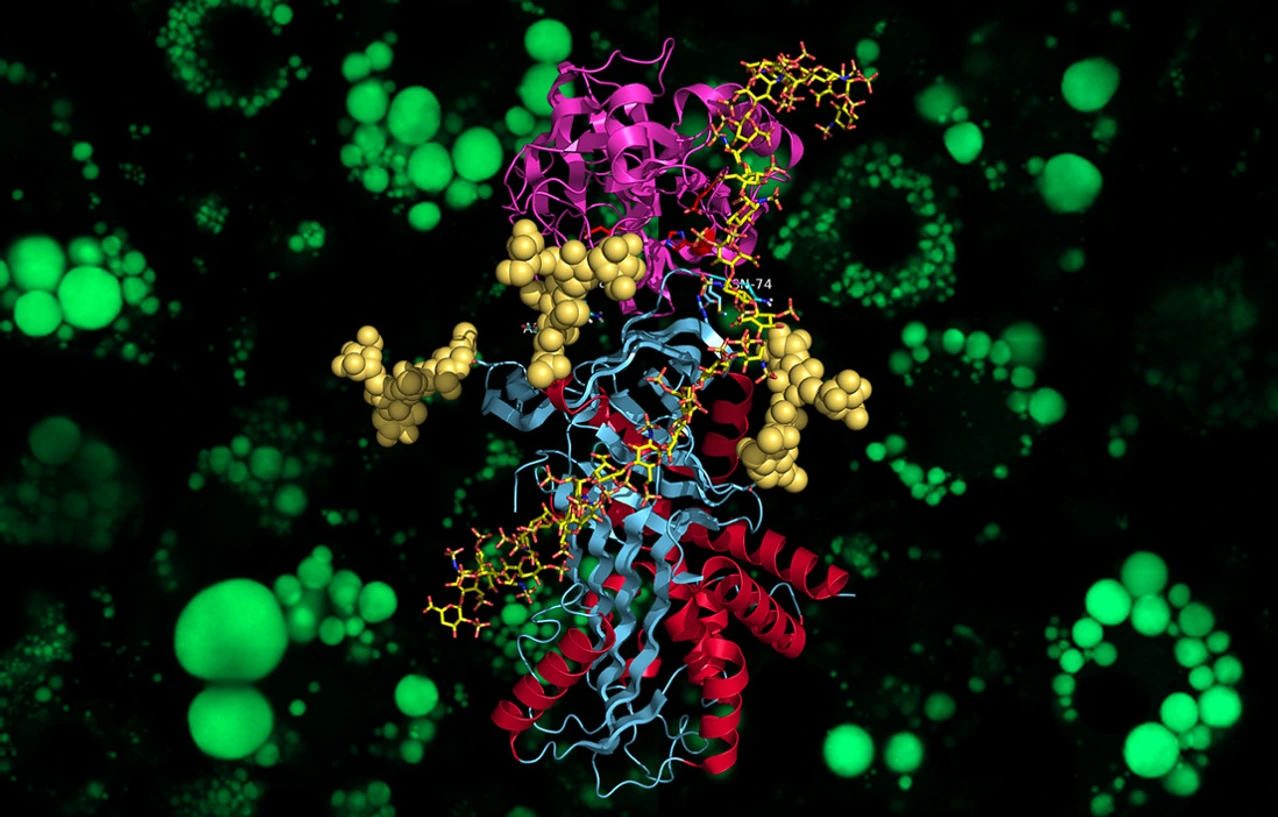
Understanding protein function at molecular resolution is essential for developing innovative therapies for obesity and metabolic disease. Our research combines protein biochemistry, structural biology and functional studies in human adipocytes, primary tissues and animal models to uncover how individual proteins regulate adipocyte biology and systemic metabolism.
A particular strength of our group is the integration of recombinant protein production with mechanistic and translational biology. We generate and characterize proteins, peptides and protein variants to define their structural properties, interaction partners and molecular mechanisms of action. These insights are subsequently validated in primary human adipocytes, ex vivo tissues and genetically modified mouse models to establish their physiological relevance and therapeutic potential.
Our work focuses on proteins that regulate adipocyte metabolic fitness, thermogenic activity, lipid metabolism and tissue communication. By identifying previously unrecognized protein functions and signaling mechanisms—including extracellular, intracellular and nuclear activities—we aim to uncover novel therapeutic strategies that restore healthy adipose tissue function. Ultimately, our goal is to translate fundamental discoveries in protein biology into innovative approaches that increase energy expenditure, improve metabolic health and complement current anti-obesity therapies.
Our goal is to translate mechanistic discoveries in protein biology into innovative therapeutic strategies for obesity and its metabolic complications.
Contact Project Leader