Diabetes
At Helmholtz Munich, our mission is to prevent, treat, and ultimately cure diabetes and obesity. Through cutting-edge research, we explore the complex mechanisms underlying type 2 diabetes and obesity as metabolic disorders, alongside the autoimmune disease type 1 diabetes. This includes studies on genetic predispositions, environmental triggers, epigenetic factors and medical interventions. In recent years, our strides in combating the obesity and diabetes epidemic have been significant, with a focus on personalized prevention and treatment. We envision a world where diabetes and obesity are no longer a widespread concern, empowering individuals to live healthy, fulfilling lives free from the burden of these conditions.
At Helmholtz Munich, our mission is to prevent, treat, and ultimately cure diabetes and obesity. Through cutting-edge research, we explore the complex mechanisms underlying type 2 diabetes and obesity as metabolic disorders, alongside the autoimmune disease type 1 diabetes. This includes studies on genetic predispositions, environmental triggers, epigenetic factors and medical interventions. In recent years, our strides in combating the obesity and diabetes epidemic have been significant, with a focus on personalized prevention and treatment. We envision a world where diabetes and obesity are no longer a widespread concern, empowering individuals to live healthy, fulfilling lives free from the burden of these conditions.
Diabetes Research at Helmholtz Munich
How Synergies Fuel Discoveries
How do synergies drive diabetes research? Prof. Stephan Herzig answers this question by highlighting three remarkable achievements in diabetes research at Helmholtz Munich.
Watch the Director of the Helmholtz Diabetes Center explain how collaboration between experts in AI, structural biology, and bioengineering – together with diabetes researchers – has led to promising new approaches for the prevention, diagnosis, and treatment of type 1 and type 2 diabetes.
Video with Prof. Stephan Herzig about Synergies in Diabetes Research





Hot Topics
A revolutionary shift occurred in obesity treatment with the advent of gut hormone-based medications. These drugs not only induce significant weight loss but also improve blood sugar and blood pressure, mitigating diabetes and heart disease risks.
Prof. Matthias Tschöp, Helmholtz Munich's CEO, played a pivotal role in this innovation, driven by his focus on the brain's central role in body weight regulation. Years of basic research led to a novel combination of gut hormones as single molecules, culminating in the development of groundbreaking medications such as Tirzepatide. Our research teams, under the leadership of Prof. Timo Müller, Prof. Matthias Blüher, and Prof. Andres Birkenfeld, are dedicated to unraveling the underlying mechanisms and best fit for specific patient populations. And we already have a new mission: exploring how patients can stop treatment with multi-receptor drugs while maintaining their weight loss with the next generation of personalized medicines.
Our researchers at the Helmholtz Pioneer Campus have pioneered an "organ-on-chip" technology, creating miniature human organ replicas. These micro-devices accurately mimic organ structure and function, offering insights into diseases and potential treatments with unprecedented accuracy. This breakthrough holds promise for personalized medicine, facilitating tailored therapies for various conditions while reducing reliance on animal testing and expediting drug discovery.
As a result, we’ve developed PancChip: an innovative pancreas chip, conceived by Prof. Matthias Meier and Prof. Heiko Lickert, simulating the development of insulin-producing cells. This advancement lays the foundation for cultivating patient-specific beta cells from stem cells for type 1 diabetes cell replacement therapy. By addressing the shortage of donor cells, in vitro vascularizing tissues, and minimizing analytical analysis, PancChip presents a revolutionary approach to diabetes research, offering new avenues for patient care.
Read story: Organ-on-Chip: Micro-Organs for Personalised Cell Therapy
Under the leadership of Prof. Heiko Lickert, our research team achieved a breakthrough: the discovery of the insulin-inhibiting receptor known as “inceptor”. As our research into inceptor progresses, it emerges as a promising therapeutic target for type 2 diabetes. We’re exploring inceptor-blocking drug classes in mouse models, aiming to improve beta cell health. These efforts extend beyond prediabetic overweight individuals to encompass patients with established type 2 diabetes.
Recent studies have highlighted inceptor's role in regulating insulin secretion and glucose homeostasis, suggesting its potential as a key player in diabetes pathology. By targeting inceptor with specific blockers, we hope to develop novel therapeutic strategies to enhance beta cell function and mitigate the progression of type 2 diabetes, ultimately improving patient outcomes.
Read research news: Rising Focus on 'Inceptor' as a Type 2 Diabetes Therapeutic Target
We've pioneered a novel method for evaluating skin microvascular changes associated with diabetes severity. Through the integration of artificial intelligence (AI) with cutting-edge optoacoustic imaging, we precisely measure these changes, revealing valuable insights into the progression of diabetes.
This breakthrough led by Prof. Vasilis Ntziachristos could revolutionize diabetes monitoring, offering a deeper understanding of its systemic effects. The technology employs a non-invasive skin scanner capturing blood vessel images, with AI analyzing vascular patterns. This innovation holds the potential for early detection and personalized treatment strategies. Leveraging advanced imaging and AI, we strive to enhance diabetes management for better patient outcomes.
Read research news: Examining Diabetes with a Skin Scanner and AI
Prof. Fabian Theis and his team have shown in different studies that artificial intelligence (AI) can be used to successfully detect diabetic retinopathy, a diabetes-related eye disease. This breakthrough promises to streamline clinic workflows significantly, aiding in the early detection of diseases and preventing severe cases while preserving eyesight. Our innovative approach utilizes deep learning techniques, allowing for automated diagnosis with high precision and efficiency. By analyzing large datasets of retinal images, the AI algorithm learns to identify subtle changes associated with diabetic retinopathy.
Furthermore, this technology holds the potential for widespread implementation in healthcare settings. With ongoing advancements in deep learning, we strive to further enhance the accuracy and accessibility of automated diagnostics for various medical conditions.
Given the global impact on hundreds of millions of individuals, the identification and comprehension of genetic risk factors for type 2 diabetes hold particular significance. An international consortium, co-led by Prof. Eleftheria Zeggini, has recently published the largest type 2 diabetes genome-wide association study. Our research has revealed over 600 genetic risk loci, facilitating the development of risk scores for diabetes complications.
Understanding the risk of complications in type 2 diabetes is pivotal for taking early actions to mitigate its effects. Our objective is to slow down or even prevent the onset of these debilitating medical issues, ultimately enhancing patient outcomes and quality of life.
Type 1 diabetes remains the most prevalent metabolic disorder among children and adolescents, with a concerning rise in new cases. Unfortunately, the disease often goes unnoticed until severe or life-threatening metabolic complications arise. At Helmholtz Munich, Prof. Anette-Gabriele Ziegler and her team are dedicated to changing this trend.
Type 1 diabetes arises from an immune system malfunction, prompting intervention from our researchers. On one hand, children with an increased genetic risk are identified (in studies within the Global Platform for the Prevention of Autoimmune Diabetes GPPAD). These children are invited to participate in clinical trials to develop prevention options. Current clinical trials aim to modulate the children’s immune system through the administration of oral insulin powder, the probiotic B.infantis, or by employing antiviral interventions such as a vaccine against SARS-CoV-2. On the other hand, we identify children in the early stages of type 1 diabetes with a population-based screening for specific autoantibodies (Fr1da in Bavaria/Germany, EDENT1FI across Europe). Early detection of type 1 diabetes can not only prevent diabetic ketoacidosis and improve disease management but is also an essential requirement for onset-delaying drugs such as Teplizumab. With each child studied in prevention trials, we move closer to a world where no child has to live with type 1 diabetes.
Read story: Early Detection Tests for a World Without Type 1 Diabetes



















Basic Knowledge
What is Diabetes?
What is Diabetes?
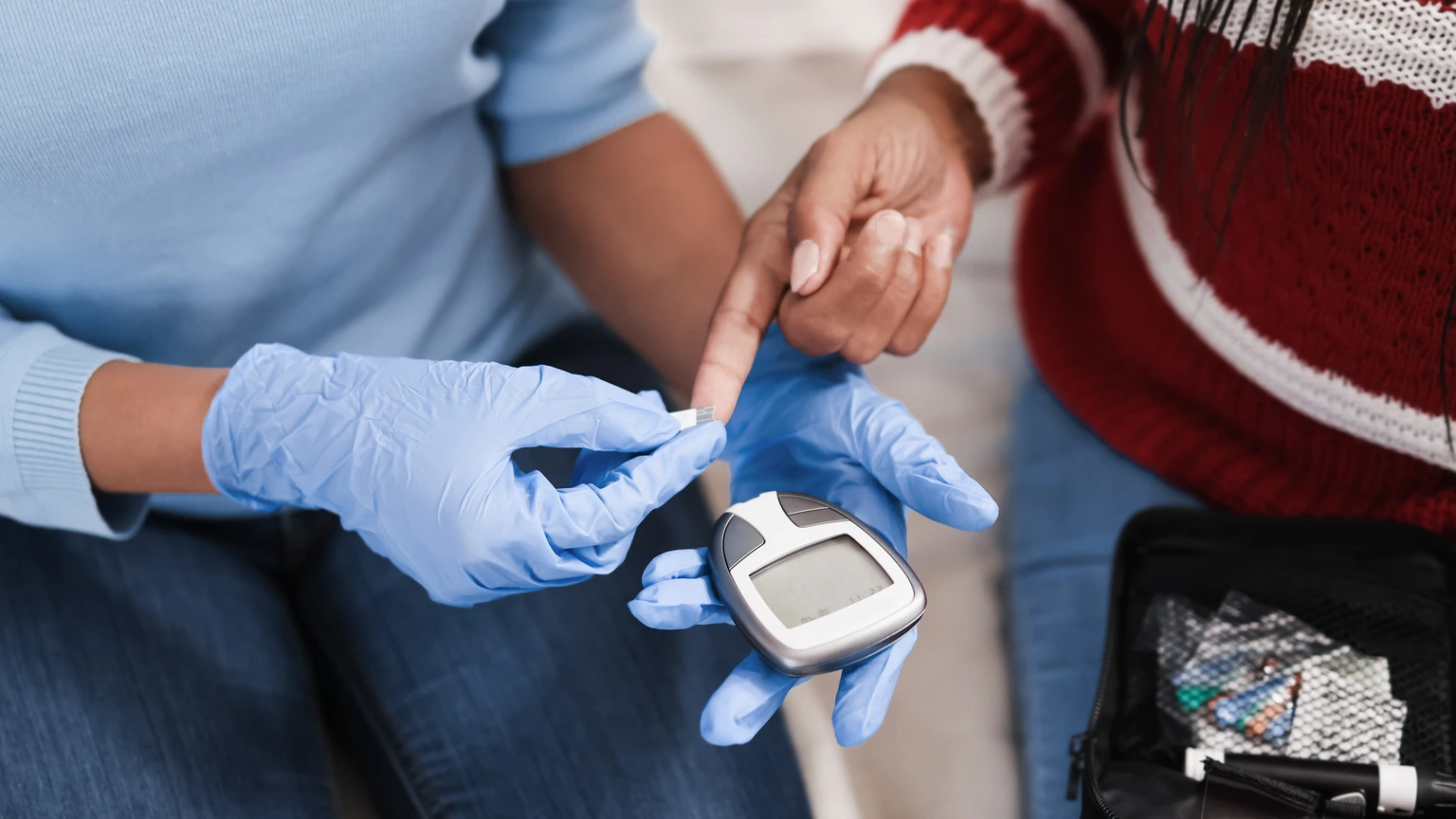
Diabetes is a chronic metabolic disorder that manifests in two primary forms: type 1 and type 2. Type 1 diabetes arises when the immune system attacks and destroys insulin-producing beta cells in the pancreas, resulting in insufficient insulin production and elevated blood sugar levels. Typically diagnosed in childhood or adolescence, type 1 diabetes necessitates regular insulin injections for management. On the other hand, type 2 diabetes, the most prevalent form, often stems from lifestyle factors and is linked to obesity. In type 2 diabetes, the body either becomes resistant to insulin or fails to produce enough of it to regulate blood sugar levels adequately. This type commonly develops in adulthood but is increasingly affecting children due to rising obesity rates.
While the two forms of diabetes are well-known, there is an emerging trend towards a more nuanced classification of diabetes patients, expanding to five distinct subtypes: SAID (severe autoimmune diabetes), SIDD (severe insulin-deficient diabetes), SIRD (severe insulin-resistant diabetes), MOD (mild obesity-related diabetes), and MARD (mild age-related diabetes). This classification, however, is still in its early stages and requires further research. Its potential lies in enabling patients to receive a more personalized treatment tailored to their disease subtype and associated comorbidity risks.
The concept of personalization extends to diabetes prevention as well. Recent studies have identified six subtypes of prediabetes. By understanding these subtypes, we can develop more precise prevention and remission strategies for individuals at increased risk of developing diabetes.
Looking for more information on diabetes? Visit diabinfo for comprehensive resources and insights!
Why is Diabetes Dangerous?
Why is Diabetes Dangerous?
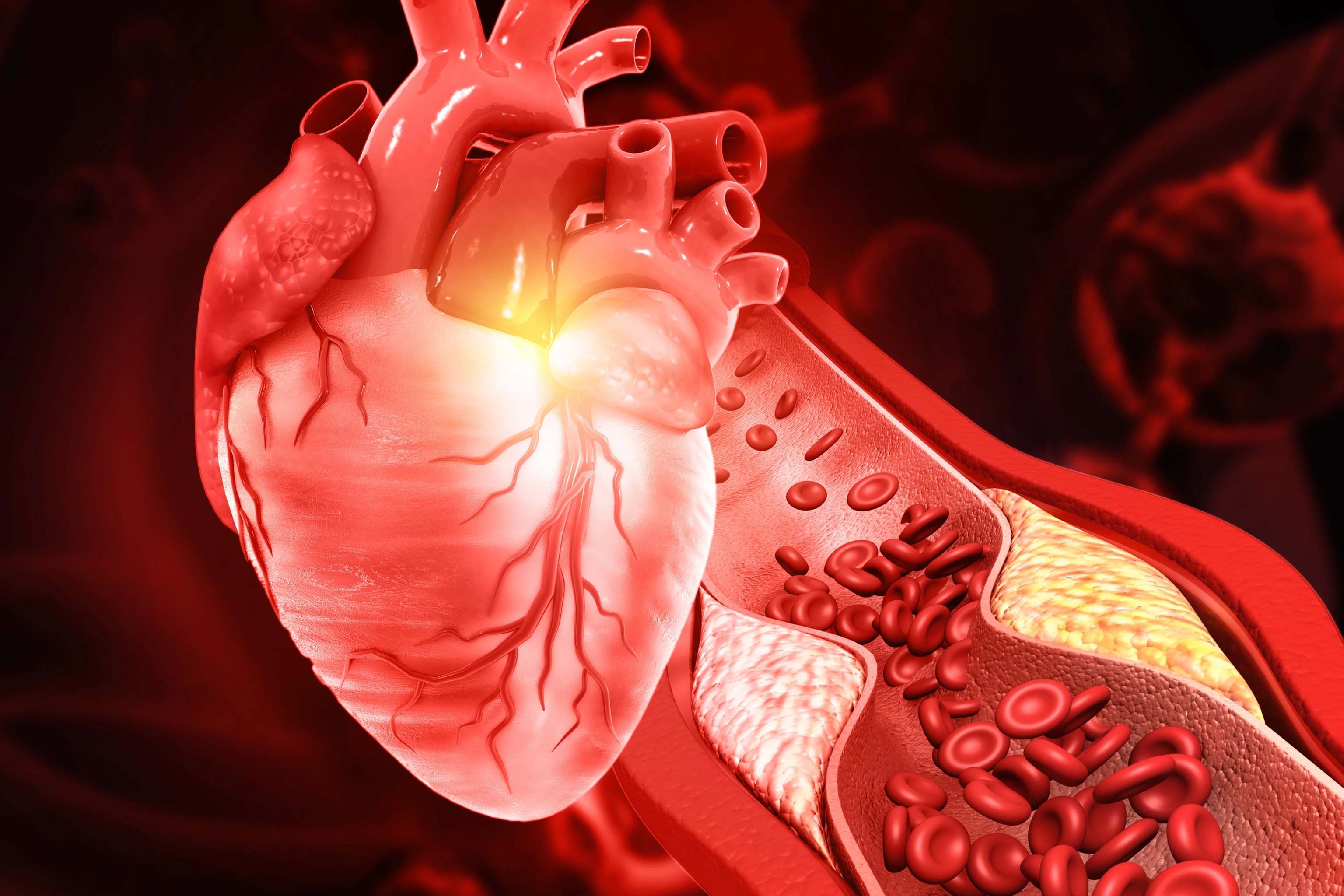
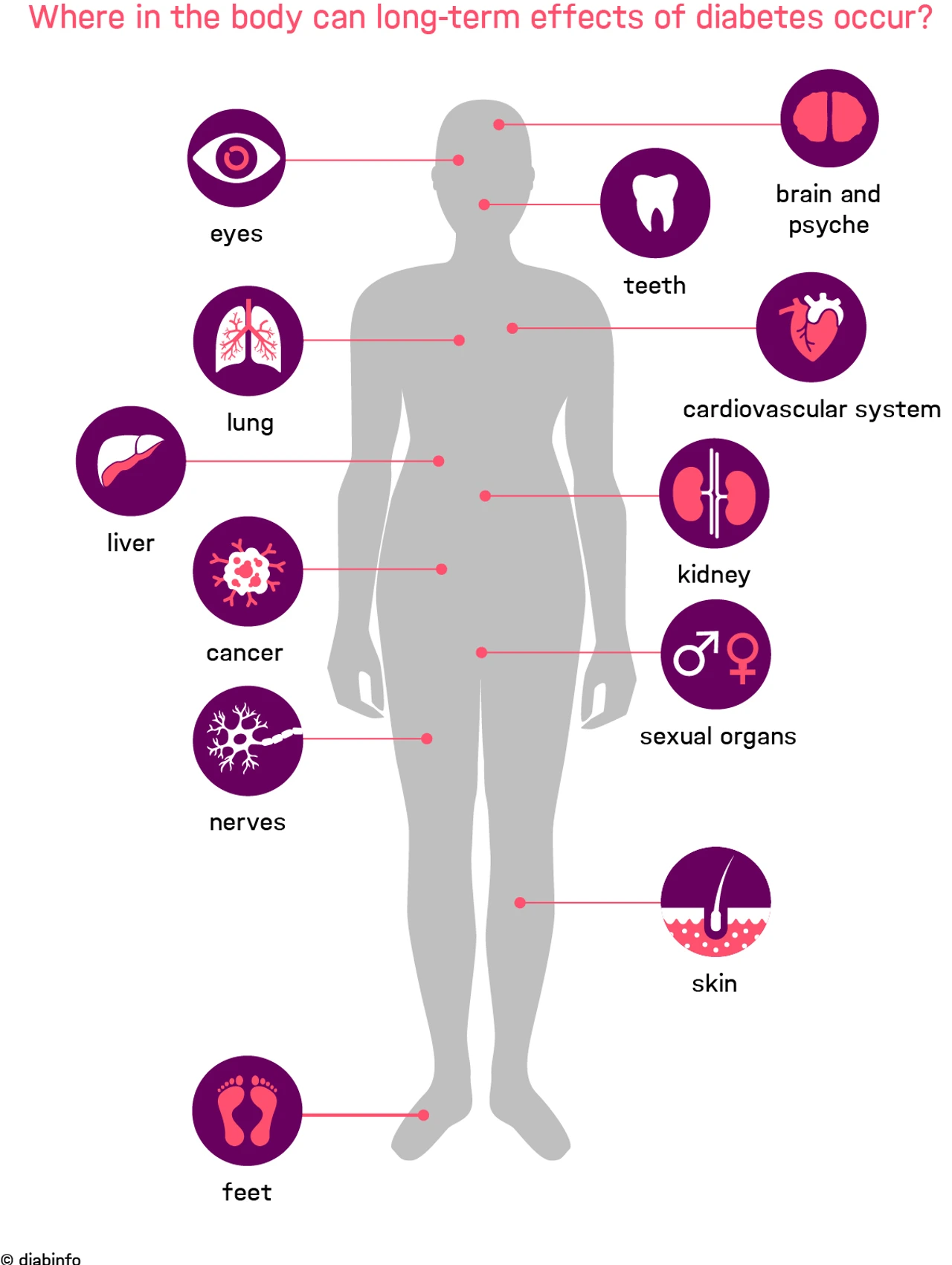
The danger of diabetes lies in its potential complications and comorbidities if not managed effectively, including cardiovascular disease, kidney damage, eye problems such as diabetic retinopathy, nerve damage leading to neuropathy, foot complications, and other health issues – particularly cancer. Globally, diabetes poses a significant public health challenge, with approximately 537 million adults aged 20-79 living with the condition in 2021, according to the International Diabetes Federation. It is estimated that approximately 90% of people with diabetes worldwide have type 2 diabetes, and 10% suffer from type 1 diabetes. Cases are projected to escalate to 643 million by 2030 and to 783 million by 2045 if current trends persist, with many more individuals remaining undiagnosed, especially in low- and middle-income countries.
Looking for more information on diabetes? Visit diabinfo for comprehensive resources and insights!
Can Diabetes Be Cured?
Can Diabetes Be Cured?
Diabetes management differs between type 1 and type 2 diabetes. Type 1 diabetes, which results from the immune system attacking insulin-producing cells, lacks a cure and necessitates lifelong insulin therapy. To address this, we advocate for early screening tests in children to identify genetic risks and implement measures to delay or prevent disease onset, including cell replacement therapies. On the other hand, type 2 diabetes, often linked to lifestyle factors, can in some cases be reversed through substantial weight loss, healthy dietary choices, and regular physical activity. Presently, we prioritize the development of pharmacotherapies geared towards managing elevated blood sugar and lipid levels, improving insulin sensitivity, causing body weight reduction, and regenerating defective pancreatic beta cells. To allow for this multi-modal approach, we employ peptide, RNA, and cell therapies that hold significant promise in exploring potential causal treatments in the future.
Looking for more information on diabetes? Visit diabinfo for comprehensive resources and insights!
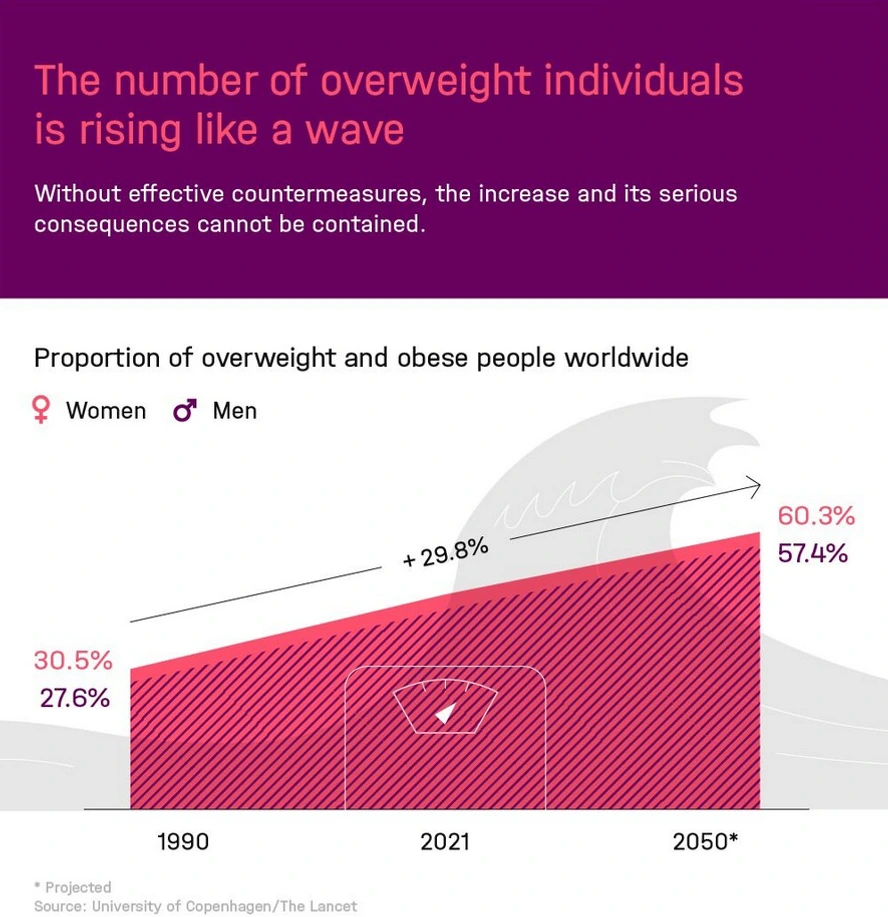
A Rising Tide: The Surge in Obesity Since 1990
Overweight and Obesity levels are drastically rising – the weight-loss drugs are an effective medical intervention.
Our latest infographic breaks down the data behind this health emergency, from rising prevalence to long-term costs and clinical interventions.

Department
Helmholtz Diabetes Center
Information Service
Diabinfo

Partner Institution
German Center for Diabetes Research
Media Contact
Talk to our press office

Helmholtz Diabetes Center
Get in touch