Environmental Health Center

Plant Genome and Systems Biology

The PGSB plant genomics group focuses on the analysis of plant genomes, using bioinformatic techniques. Our mission is to develop options for a sustainable use of plants and understand how climate change impacts crops, food security and human health.
Follow us on X

The PGSB plant genomics group focuses on the analysis of plant genomes, using bioinformatic techniques. Our mission is to develop options for a sustainable use of plants and understand how climate change impacts crops, food security and human health.

Follow us on X

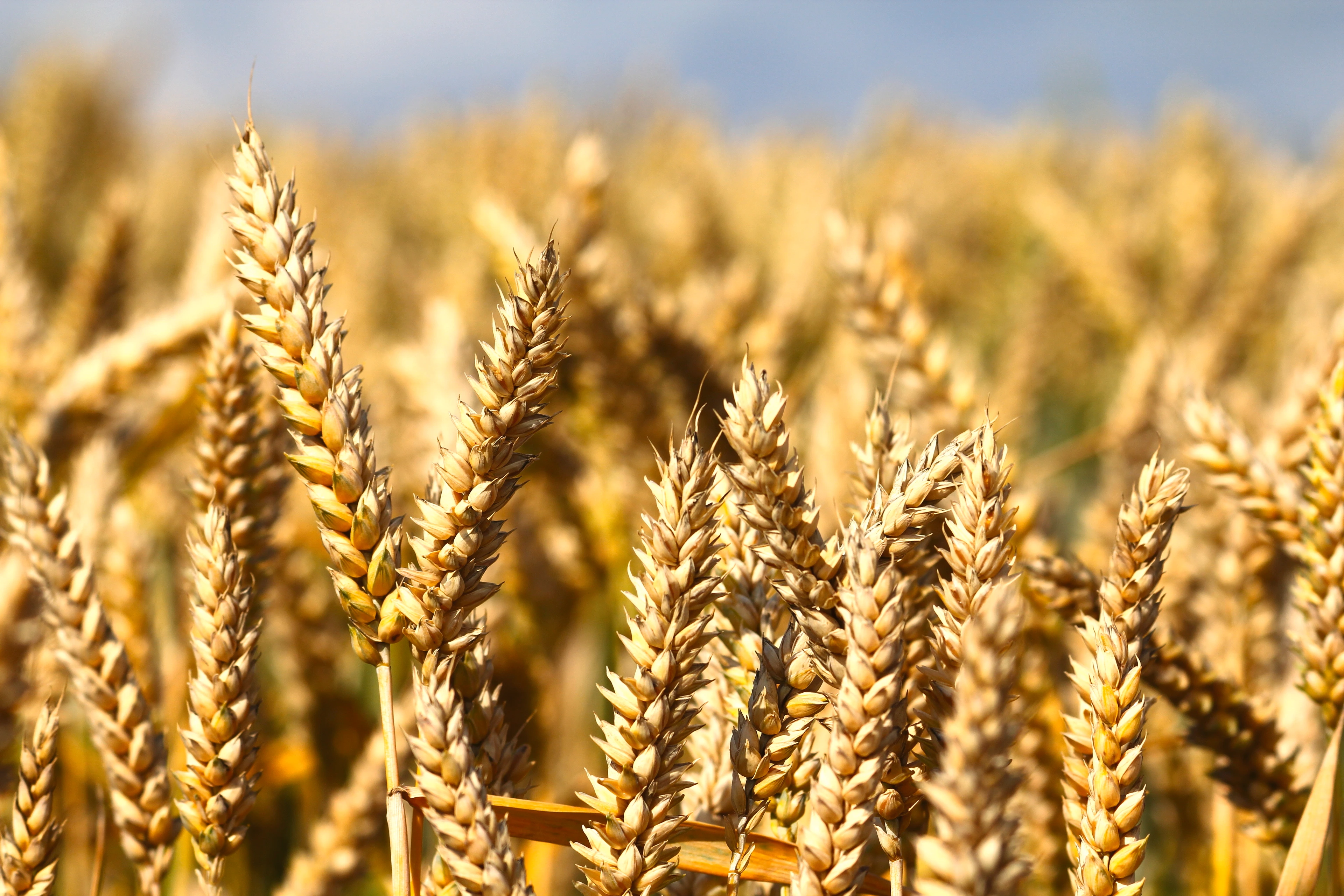
Haferfeld_1

About our Research

Research Topics

Institutsbild PGSB - EHC Department

PGSB

Plant Genome Analysis

Analysis of plant genomes: these efforts include structural and functional annotation of genes, transposable elements, transcribed regions and promotor regions as well as comparative genomics and structural genome analyses. The genomic resources generated hereby enable us to identify genes, traits, pathways and crop varieties that shed light into the evolution and domestication of our major crops and can be used for targeted breeding.

Haferfeld_1

PGSB

Cereal Genomics and Human Health

The large and complex genomes of wheat, barley, rye and oat encode unique properties that are critical for human health. This includes beneficial, nutritional properties such as beta-glucans in oats as well as immunopotential properties e.g. related to glutenins in wheat. We investigate the genes, molecular pathways and natural diversity in plant genomes related to these important traits and their impact on human health.

smart agriculture concept with machine, deep learning, neural network technology, the artificial intelligence network in smart farm to disrupt

PGSB

Plant Systems Biology

This research topic deals with the integration and interpretation of large and heterogenous plant genomic data. Multi-scale networks allow e.g. for the integration of transcriptomic and phenotypic data with genome sequence references. The results of this work can accelerate our understanding of molecular pathways and help improve crops and speed up breeding.

News

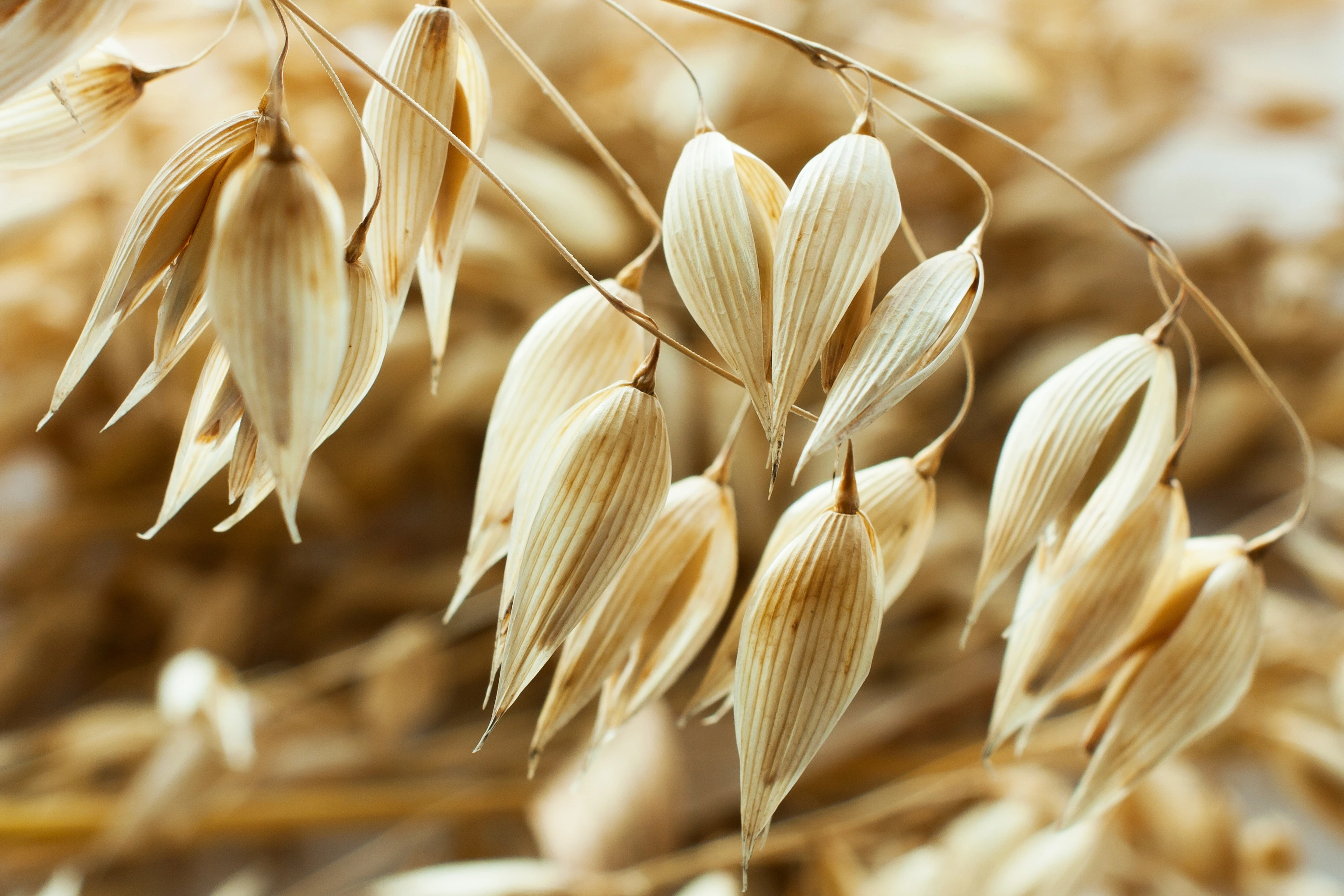
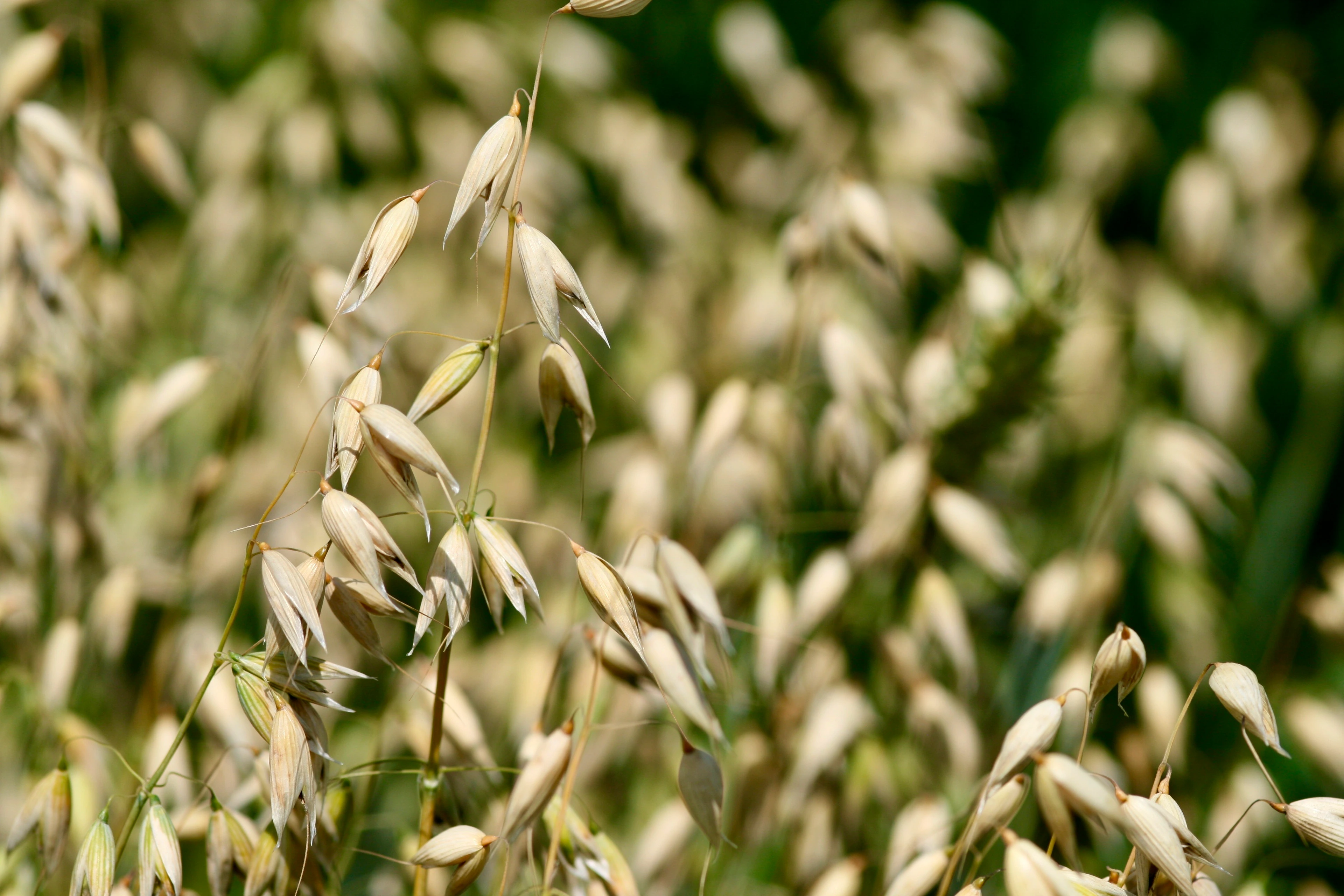
Close-up of an oat plant

Climate & Health, New Research Findings, Environmental Health, PGSB,

Decoding Oat Diversity for a Climate-Resilient Future

Oat is an important crop with many health benefits and diverse applications. Researchers from Helmholtz Munich, the Technical University of Munich (TUM), and the Leibniz-Institute of Plant Genetics and Crop Plant Research (IPK) have decoded the…

HMGU_Icon_Environm_Health

Featured Publication, Environmental Health, PGSB,

New Wheat Diversity Discovery Could Help Secure Global Food Supplies

A new study, led by Helmholtz Munich and the Earlham Institute as part of a global collaboration, has generated the first wheat pan-transcriptome – a comprehensive map of gene activity across multiple wheat varieties.

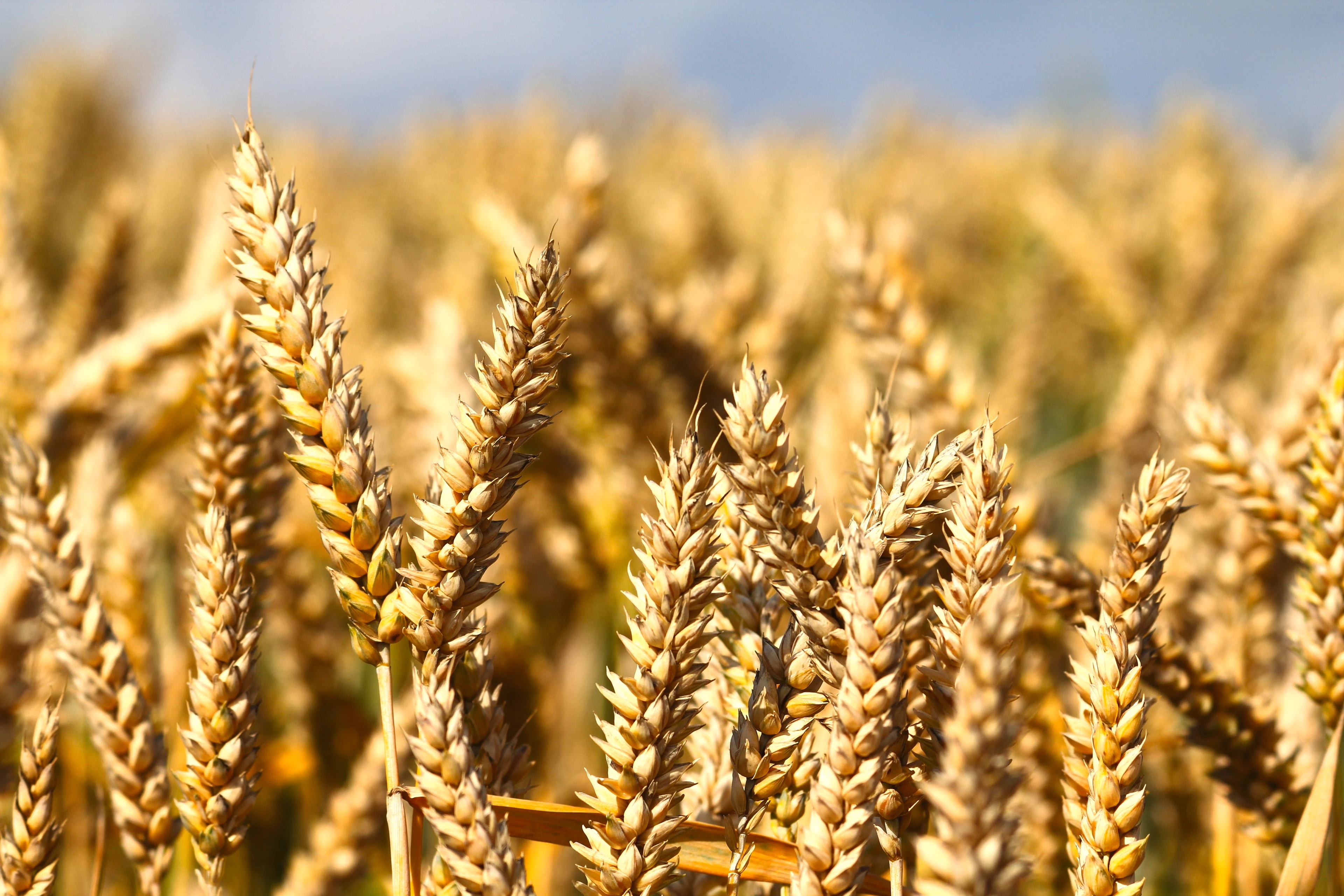
Wheat field

Environmental Health, PGSB,

Staple Foods With Reasons for Concern

How researchers from Helmholtz Munich are making wheat, oats, barley, and co. fit for the future.

Nadia Kamal

Awards & Grants, Environmental Health, PGSB,

ERC Grant for RESIST: Drought Stress Resistance in Oat for a Changing Climate

Ensuring the sustainability of oat cultivation as a significant future food source holds great promises for both human health and the climate. Dr. Nadia Kamal, a researcher at the Plant Genome and Systems Biology Group at Helmholtz Munich, has been…

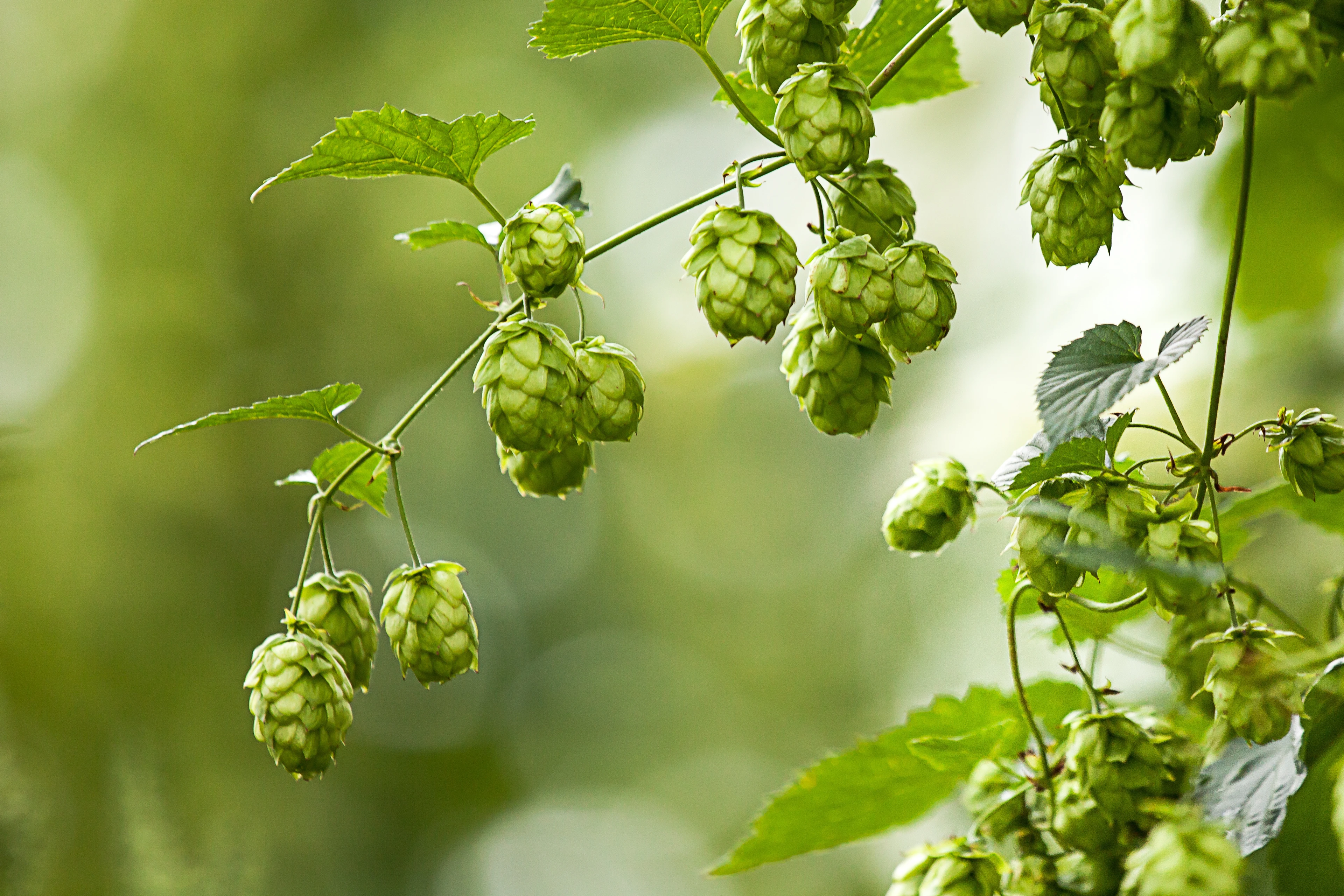
Hopfen Hallertau

Awards & Grants, Environmental Health, PGSB,

New Hope for Bavarian Hop Cultivation: PANHOP Project Aims to Breed Resistant Varieties

The foundations for resistant varieties are being developed through genome-assisted breeding and decoding of the complex hop genome as part of the new research project PANHOP at Helmholtz Munich. These varieties should counteract the effects of…

Klaus Mayer (PGSB, left) and Michael Schloter (COMI, right)

Environmental Health, PGSB,

EHC researchers Klaus Mayer and Michael Schloter among the world's most cited scientists

Klaus Mayer (Director Research Unit Plant Genome and Systems Biology, PGSB) and Michael Schloter (Director Research Unit for Comparative Microbiome Analysis, COMI) are among the 7,000 scientists most cited in 2022. That's according the new list from…

The oat genome unlocks the unique health benefits of oats

New Research Findings, Environmental Health, PGSB,

The Oat Genome Unlocks the Unique Health Benefits of Oats

Researchers have succeeded in sequencing and characterizing the entire genome of oat. Compared to other cereals and humans, the oat genome architecture is very complex. Scientists from Helmholtz Munich, Lund University and the ScanOats network…

Wheat field

New Research Findings, PGSB,

First Genomic Atlas for Global Wheat Improvement

In a landmark discovery for global wheat production, Helmholtz Zentrum München together with an international research team has sequenced the genomes for 15 wheat varieties representing breeding programs around the world, enabling scientists and…

Cornfield / Storm

New Research Findings, PGSB,

European and American Maize: Same Same, but Different

German researchers decoded the European maize genome. In comparison to North American maize lines, they discovered variations that underlie phenotypic differences and may also contribute to the heterosis effect. A better understanding of the effect…

Scientists at PGSB

Klaus Mayer
Prof. Dr. Klaus F.X. Mayer

Group Leader

3532/220

View profile

Manuel Spannagl
Prof. Dr. Manuel Spannagl

Deputy Group Leader

3532/219

Porträt Heidrun Gundlach
Dr. Heidrun Gundlach

Postdoc

3532/217

Porträt Georg Haberer
Dr. Georg Haberer

Postdoc

3532 / 218

Porträt Thomas Lux
Dr. Thomas Lux

Postdoc

3532/216

Maxim Messerer
Dr. Maxim Messerer

Postdoc

3532/212

Marosi Vanda
Vanda Marosi

PhD Student

3532/215

Sepideh Jafarian

PhD Student

3532/215

Publications

Genes Genomes Genetics G3, DOI: 10.1093/g3journal/jkaf261:jkaf261 (2025)

Spanner, R. ; Sallam, A.H. ; Guo, Y. ; Jayakodi, M. ; Himmelbach, A. ; Fiebig, A. ; Simmons, J. ; Bethke, G. ; Lee, Y. ; Pacheco Arge, L.W. ; Qiu, Y. ; Badea, A. ; Baum, M. ; Belzile, F. ; Ben-David, R. ; Brueggeman, R. ; Case, A. ; Cattivelli, L. ; Davis, M.F. ; Dockter, C. ; Dolezel, J. ; Glick, L. ; Greiner, S. ; Hamilton, R. ; Hayes, P.M. ; Heisel, S. ; Henson, C. ; Kilian, B. ; Komatsuda, T. ; Li, C. ; Liu, C. ; Mahalingam, R. ; Maruschewski, M. ; Matny, O. ; Maurer, A. ; Mayer, K.F.X. ; Mayrose, I. ; Moscou, M. ; Muehlbauer, G.J. ; Oono, Y. ; Ordon, F. ; Özkan, H. ; Pecinka, A. ; Perovic, D. ; Pillen, K. ; Pourkheirandish, M. ; Russell, J. ; Šafář, J. ; Salvi, S. ; Sanchez-Garcia, M. ; Sato, K. ; Schmutzer, T. ; Scholz, U. ; Scott, J. ; Singh Brar, G. ; Smith, K.P. ; Sorrells, M.E. ; Spannagl, M. ; Stein, N. ; Tondelli, A. ; Tuberosa, R. ; Tucker, J.D. ; Turkington, T. ; Valkoun, J. ; Verma, R.P.S. ; Vinje, M.A. ; von Korff, M. ; Walling, J.G. ; Waugh, R. ; Wise, R.P. ; Wulff, B.B.H. ; Yang, S. ; Zhang, G. ; Morrell, P.L. ; Mascher, M. ; Steffenson, B.J.

Whole-genome resequencing of the wild barley diversity collection: A resource for identifying and exploiting genetic variation for cultivated barley improvement.
Science, DOI: 10.1126/science.adx2022:eadx2022 (2025)

Jørgensen, M.E. ; Vequaud, D. ; Wang, Y. ; Andersen, C.B. ; Bayer, M. ; Box, A. ; Braune, K.B. ; Cai, Y. ; Chen, F. ; Cuesta-Seijo, J.A. ; Dong, H. ; Fincher, G.B. ; Gojkovic, Z. ; Huang, Z. ; Jaegle, B. ; Kale, S.M. ; Krsticevic, F. ; Le Roux, P.M. ; Lozier, A. ; Lu, Q. ; Mascher, M. ; Murozuka, E. ; Nakamura, S. ; Simmelsgaard, M.U. ; Pedas, P.R. ; Pin, P.A. ; Podzimska-Sroka, D. ; Sato, K. ; Spannagl, M. ; Rasmussen, M.W. ; Russell, J. ; Schreiber, M. ; Thomsen, H.C. ; Thomsen, N.W. ; Tulloch, S. ; Voss, C. ; Skadhauge, B. ; Stein, N. ; Willerslev, E. ; Waugh, R. ; Dockter, C.

Postdomestication selection of MKK3 shaped seed dormancy and end-use traits in barley.
Nature, DOI: 10.1038/s41586-025-09676-7 (2025)

Avni, R. ; Kamal, N. ; Bitz, L. ; Jellen, E.N. ; Bekele, W.A. ; Angessa, T.T. ; Auvinen, P. ; Bitz, O. ; Boyle, B. ; Canales, F.J. ; Carlson, C.H. ; Chapman, B. ; Chawla, H. ; Chen, Y. ; Copetti, D. ; Correia de Lemos, S. ; Dang, V.D. ; Eichten, S.R. ; Klos, K.E. ; Fenn, A. ; Fiebig, A. ; Fu, Y.B. ; Gundlach, H. ; Gupta, R. ; Haberer, G. ; He, T. ; Herrmann, M.H. ; Himmelbach, A. ; Howarth, C.J. ; Hu, H. ; Isidro Y Sánchez, J. ; Itaya, A. ; Jannink, J.L. ; Jia, Y. ; Kaur, R. ; Knauft, M. ; Langdon, T. ; Lux, T. ; Marmon, S. ; Marosi, V.B. ; Mayer, K.F.X. ; Michel, S. ; Nandety, R.S. ; Nilsen, K.T. ; Paczos-Grzęda, E. ; Pasha, A. ; Prats, E. ; Provart, N.J. ; Ravagnani, A. ; Reid, R.W. ; Schlueter, J.A. ; Schulman, A.H. ; Sen, T.Z. ; Singh, J. ; Singh, M. ; Sirijovski, N. ; Stein, N. ; Studer, B. ; Viitala, S. ; Vronces, S. ; Walkowiak, S. ; Wang, P. ; Waters, A.J. ; Wight, C.P. ; Yan, W. ; Yao, E. ; Zhang, X.Q. ; Zhou, G. ; Zhou, Z. ; Tinker, N.A. ; Fiedler, J.D. ; Li, C. ; Maughan, P.J. ; Spannagl, M. ; Mascher, M.

A pangenome and pantranscriptome of hexaploid oat.

Michlmayr, H. ; Siller, M. ; Kenjeric, L. ; Doppler, M. ; Malachová, A. ; Hofer, M.J. ; Hametner, C. ; Schweiger, W. ; Steiner, B. ; Kugler, K.G. ; Mayer, K.F.X. ; Buerstmayr, H. ; Schuhmacher, R. ; Krska, R. ; Labrou, N.E. ; Papageorgiou, A.C. ; Adam, G.

Detoxification of deoxynivalenol by pathogen-inducible tau-class glutathione transferases from wheat.
Nat. Commun. 16:8538 (2025)

White, B. ; Lux, T. ; Rusholme-Pilcher, R. ; Juhász, A. ; Kaithakottil, G. ; Duncan, S.R. ; Simmonds, J. ; Rees, H. ; Wright, J. ; Colmer, J. ; Ward, S. ; Joynson, R. ; Coombes, B. ; Irish, N. ; Henderson, S. ; Barker, T. ; Chapman, H. ; Catchpole, L. ; Gharbi, K. ; Bose, U. ; Okada, M. ; Handa, H. ; Nasuda, S. ; Shimizu, K.K. ; Gundlach, H. ; Lang, D. ; Naamati, G. ; Legg, E.J. ; Bharti, A.K. ; Colgrave, M.L. ; Haerty, W. ; Uauy, C. ; Swarbreck, D. ; Poland, J.A. ; Krattinger, S.G. ; Stein, N. ; Mayer, K.F.X. ; Pozniak, C. ; Spannagl, M. ; Hall, A.

De novo annotation reveals transcriptomic complexity across the hexaploid wheat pan-genome.
Nature, DOI: 10.1038/s41586-025-09270-x (2025)

Feng, J.W. ; Pidon, H. ; Cuacos, M. ; Lux, T. ; Himmelbach, A. ; Haghi, R. ; Fuchs, J. ; Haberer, G. ; Kuo, Y.T. ; Guo, Y. ; Jayakodi, M. ; Toegelová, H. ; Harpke, D. ; Knauft, M. ; Fiebig, A. ; Maruschewski, M. ; Ronen, M. ; Sharon, A. ; Šimková, H. ; Mayer, K.F.X. ; Spannagl, M. ; Kumlehn, J. ; Heckmann, S. ; Houben, A. ; Blattner, F.R. ; Stein, N. ; Mascher, M.

A haplotype-resolved pangenome of the barley wild relative Hordeum bulbosum.
Plant Cell 37:koaf087 (2025)

Bevan, M.W. ; Messerer, M. ; Gundlach, H. ; Kamal, N. ; Hall, A. ; Spannagl, M. ; Mayer, K.F.X.

Integrating Arabidopsis and crop species gene discovery for crop improvement.
New Phytol., DOI: 10.1111/nph.70101 (2025)

Hu, B. ; Messerer, M. ; Haberer, G. ; Lux, T. ; Marosi, V.B. ; Mayer, K.F.X. ; Oliphant, K.D. ; Kaufholdt, D. ; Schulze, J. ; Kreth, L.S. ; Jurgeleit, J. ; Geffers, R. ; Hänsch, R. ; Rennenberg, H.

Genomic and transcriptomic insights into legume-rhizobia symbiosis in the nitrogen-fixing tree Robinia pseudoacacia.
Curr. Biol. 35, R298-R300 (2025)

Mayer, K.F.X. ; Haberer, G.

Genomics: To be (or not to be) a duckweed.

Contact us

Klaus Mayer
Prof. Dr. Klaus F.X. Mayer

Group Leader

3532/220

View profile

Manuel Spannagl
Prof. Dr. Manuel Spannagl

Deputy Group Leader

3532/219