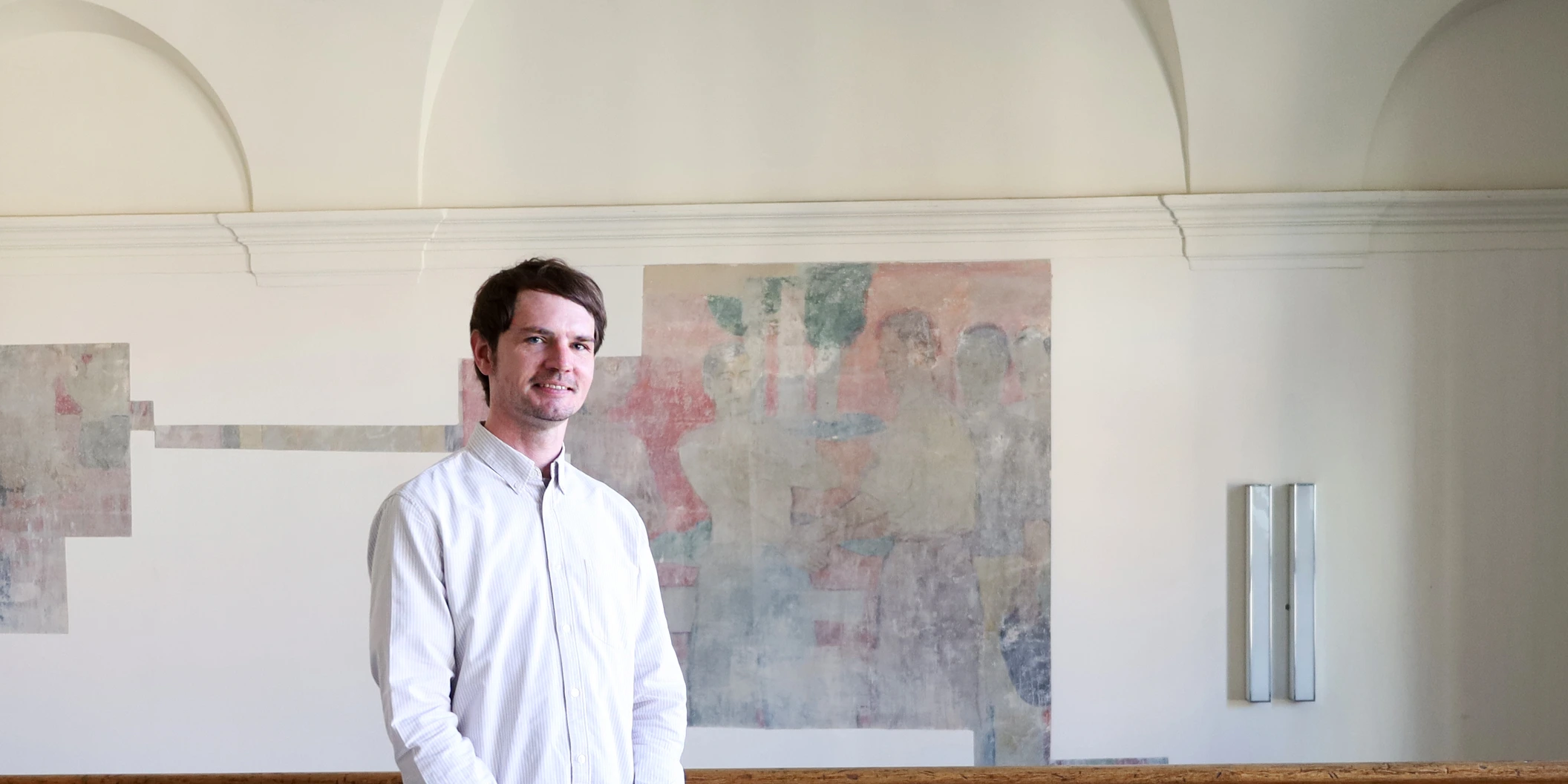
Group Leader of Diet-Induced Metabolic Alterations, HI-MAG
Dr. Alexander Jais
Group Leader at the Helmholtz Institute for Metabolic Obesity and Vascular Research (HI-MAG) of Helmholtz Munich at Leipzig University and the University of Leipzig Medical Center AöR, Germany
Academic Career
Dr. Alexander Jais group investigates how nutrient-derived signals act on brain circuits. He leads the Research Group on Diet-Induced Metabolic Alterations. He trained in Biomedicine at the University of Veterinary Medicine Vienna and completed his PhD in 2014 at the Medical University of Vienna under Harald Esterbauer, where his work focused on metabolic inflammation in adipose tissue during obesity. For his postdoctoral research with Jens Brüning at the Max Planck Institute for Metabolism Research in Cologne, he shifted his focus from adipose tissue to the brain, investigating how the blood-brain barrier adapts to dietary overload and identifying neuronal populations that drive diet-induced overeating. His group builds on this dual foundation, examining how hypothalamic circuits communicate with peripheral tissues to regulate energy balance and metabolic disease.
Research Areas and Expertise
Neurobiology and Metabolic Research
Our research investigates how the brain interprets nutritional and hormonal cues to regulate appetite, energy expenditure and glucose metabolism. Working at the intersection of neurobiology and metabolism, we aim to understand how defined neural circuits drive metabolic health and disease.
One central thread is the hypothalamic circuitry that governs feeding behavior. We focus on neuropeptide systems that shape the response to energy-rich, palatable foods. Beyond feeding, we investigate hypothalamic neurocircuits that control adipose tissue biology. The same brain regions that register nutritional state also send descending signals that influence lipid storage, lipolysis, thermogenesis and tissue inflammation. Here, we aim to understand how the brain governs not only what we eat but also how the body stores and spends the energy it takes in.
Obesity and diabetes are among the defining health challenges of our time. By understanding how the brain controls what we eat and how the body handles that energy, we hope to uncover new starting points for treatments that work with the body's own biology rather than against it.
Important Career Steps
Principal Investigator
Principal Investigator of the Research Group "Diet-Induced Metabolic Alterations" at the Helmholtz Institute for Metabolic, Obesity and Vascular Research (HI-MAG) of Helmholtz Munich at Leipzig University and the University of Leipzig Medical Center.
Postdoctoral Fellow
Postdoctoral Fellow in the laboratory of Prof. Jens Brüning at the Max Planck Institute for Metabolism Research in Cologne, Germany, studying the neuronal control of metabolism.
Doctoral Researcher
Doctoral Researcher in the laboratory of Dr. Harald Esterbauer at the Department of Laboratory Medicine, Medical University of Vienna, studying the molecular mechanisms of metabolic inflammation.
Honors and Awards
- EFSD / Novo Nordisk Foundation Future Leaders Program 2022
- Award of Excellence, Austrian Federal Ministry of Science, Research and Economy 2014
- Sanofi-Aventis Prize Sanofi-Aventis, Austria 2014

EFSD / Novo Nordisk Foundation Future Leaders Programm 2022