
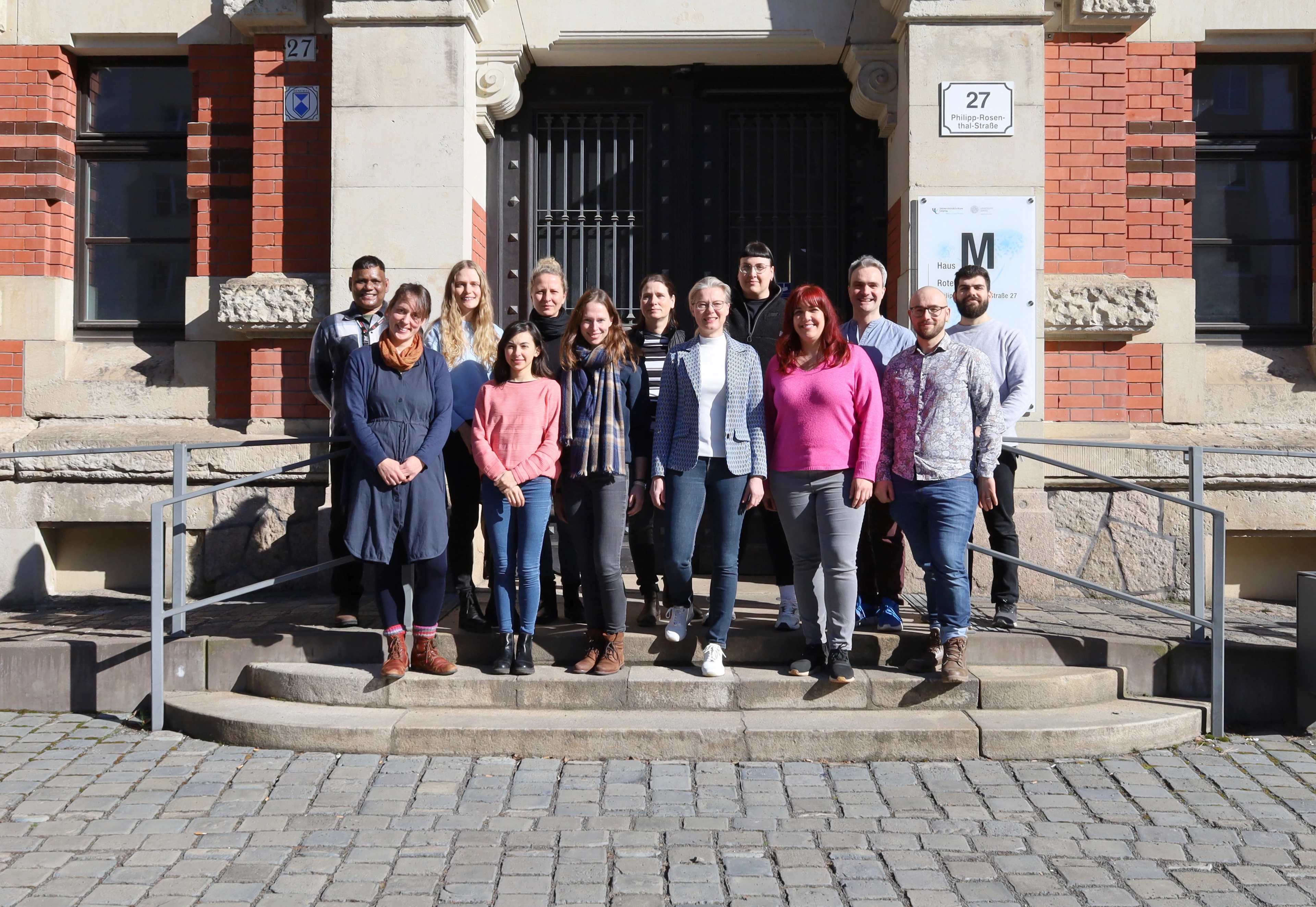
Körner Lab
Childhood Obesity and Metabolic Research
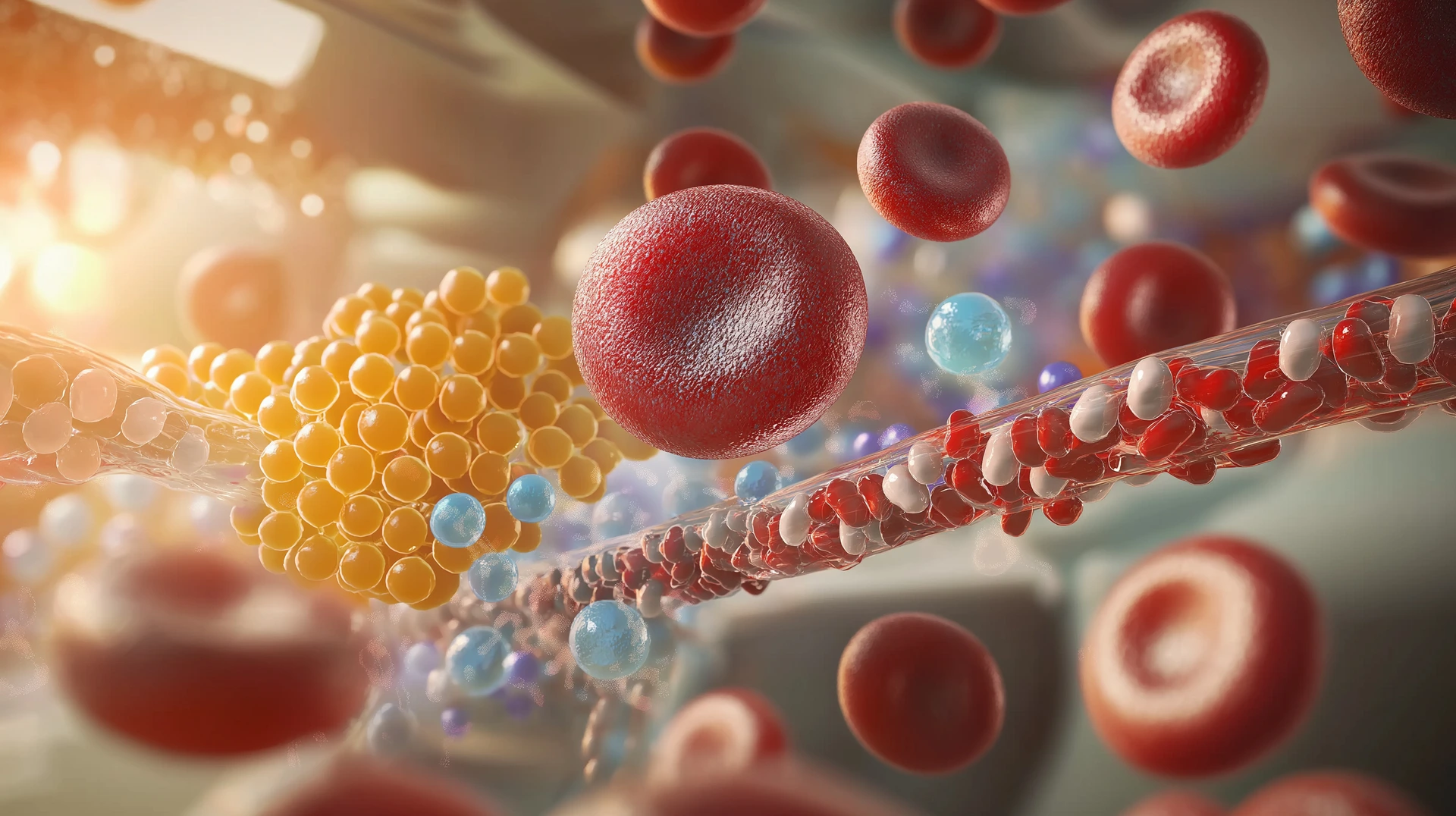
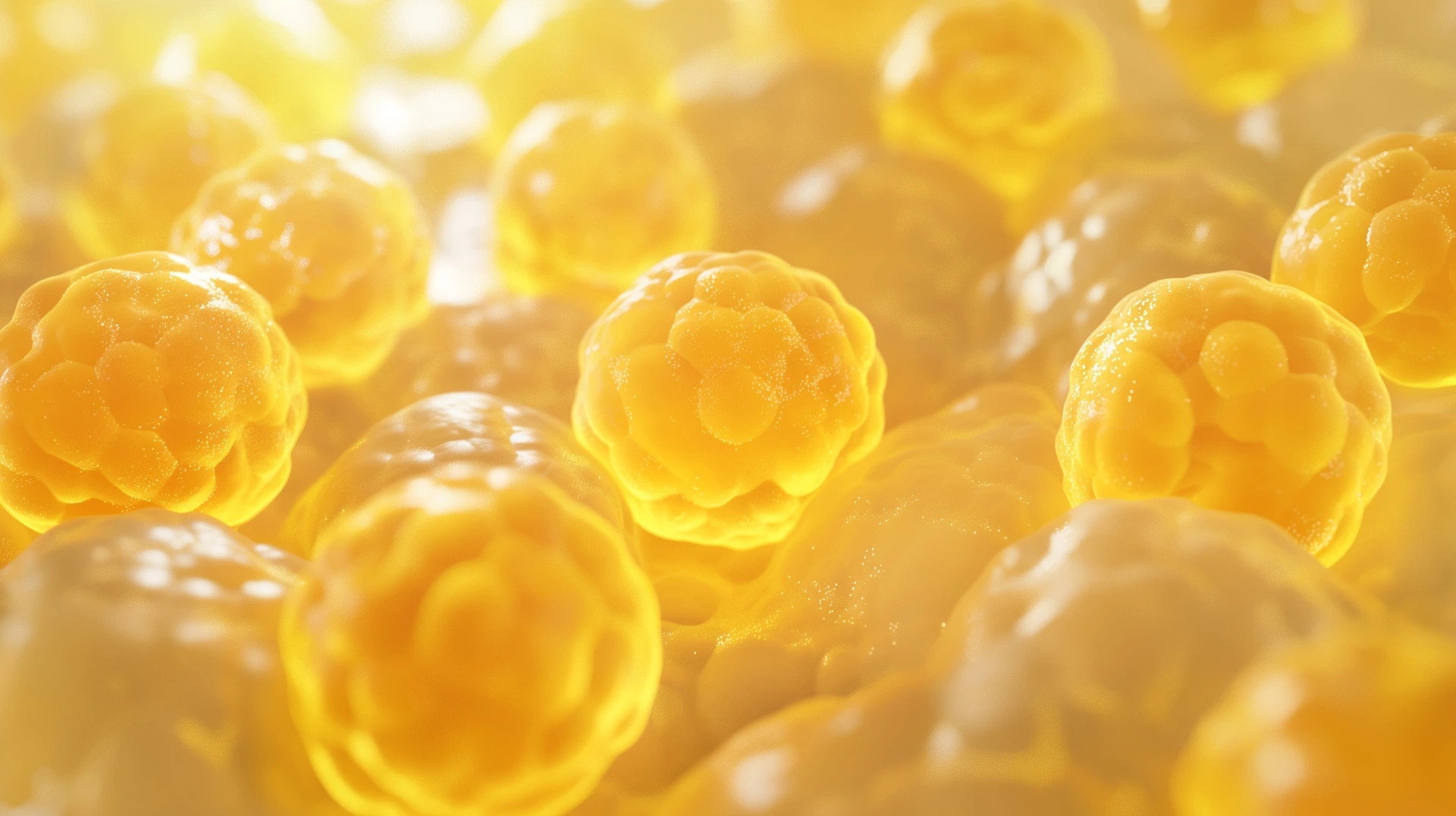
Während die Folgen von Adipositas im Erwachsenenalter allgemein anerkannt sind, setzen die pathogenen Prozesse, die zu Adipositas und ihren Komplikationen führen, bereits deutlich früher in der Kindheit ein. Wir haben gezeigt, dass die frühe Kindheit ein gefährdetes Alter für die Entwicklung von Adipositas ist, die bis ins Erwachsenenalter anhält. Darüber hinaus hat unsere Forschung gezeigt, dass Adipositas bereits bei Kindern mit einer sich entwickelnden kardiometabolischen Dysfunktion in Verbindung steht, die eng mit Veränderungen in der Biologie des Fettgewebes zusammenhängt.
Unsere Forschungsgruppe konzentriert sich auf die Ursachen, Mechanismen und Folgen von Fettleibigkeit und Stoffwechselstörungen im Kindesalter. Wir legen besonderen Wert auf die frühe Entwicklung metabolischer Komplikationen und die Rolle der Fettgewebsfunktion und verfolgen dabei einen ganzheitlichen translationalen Ansatz, der experimentelle Forschung mit epidemiologischen, klinischen und genetischen Studien verbindet. Wir entwickeln neuartige und präzisere Methoden zur Risikodetektion und führen Studien zu neuen Behandlungsmöglichkeiten durch.
Unser übergeordnetes Ziel ist es, Fettleibigkeit bei Kindern zu bekämpfen, indem wir unser Verständnis ihrer epidemiologischen und klinischen Zusammenhänge, der zugrunde liegenden Mechanismen – mit besonderem Schwerpunkt auf Fettgewebsstörungen – und des Zusammenspiels von genetischen und umweltbedingten Risikofaktoren vertiefen. Durch diese tieferen Einblicke wollen wir neue Ansatzpunkte für Prävention und therapeutische Interventionen identifizieren.
Während die Folgen von Adipositas im Erwachsenenalter allgemein anerkannt sind, setzen die pathogenen Prozesse, die zu Adipositas und ihren Komplikationen führen, bereits deutlich früher in der Kindheit ein. Wir haben gezeigt, dass die frühe Kindheit ein gefährdetes Alter für die Entwicklung von Adipositas ist, die bis ins Erwachsenenalter anhält. Darüber hinaus hat unsere Forschung gezeigt, dass Adipositas bereits bei Kindern mit einer sich entwickelnden kardiometabolischen Dysfunktion in Verbindung steht, die eng mit Veränderungen in der Biologie des Fettgewebes zusammenhängt.
Unsere Forschungsgruppe konzentriert sich auf die Ursachen, Mechanismen und Folgen von Fettleibigkeit und Stoffwechselstörungen im Kindesalter. Wir legen besonderen Wert auf die frühe Entwicklung metabolischer Komplikationen und die Rolle der Fettgewebsfunktion und verfolgen dabei einen ganzheitlichen translationalen Ansatz, der experimentelle Forschung mit epidemiologischen, klinischen und genetischen Studien verbindet. Wir entwickeln neuartige und präzisere Methoden zur Risikodetektion und führen Studien zu neuen Behandlungsmöglichkeiten durch.
Unser übergeordnetes Ziel ist es, Fettleibigkeit bei Kindern zu bekämpfen, indem wir unser Verständnis ihrer epidemiologischen und klinischen Zusammenhänge, der zugrunde liegenden Mechanismen – mit besonderem Schwerpunkt auf Fettgewebsstörungen – und des Zusammenspiels von genetischen und umweltbedingten Risikofaktoren vertiefen. Durch diese tieferen Einblicke wollen wir neue Ansatzpunkte für Prävention und therapeutische Interventionen identifizieren.



Postdoc, Körner Lab

Clinician Scientist, Körner Lab

Clinician Scientist, Körner Lab

Clinician Scientist, Körner Lab

Science Manager, Körner Lab

Team Assistant, Körner Lab

Postdoc, Körner Lab

Doctoral Researcher, Körner Lab

Study Assistant, Körner Lab

Lab Assistant, Körner Lab

Study Assistant, Körner Lab