
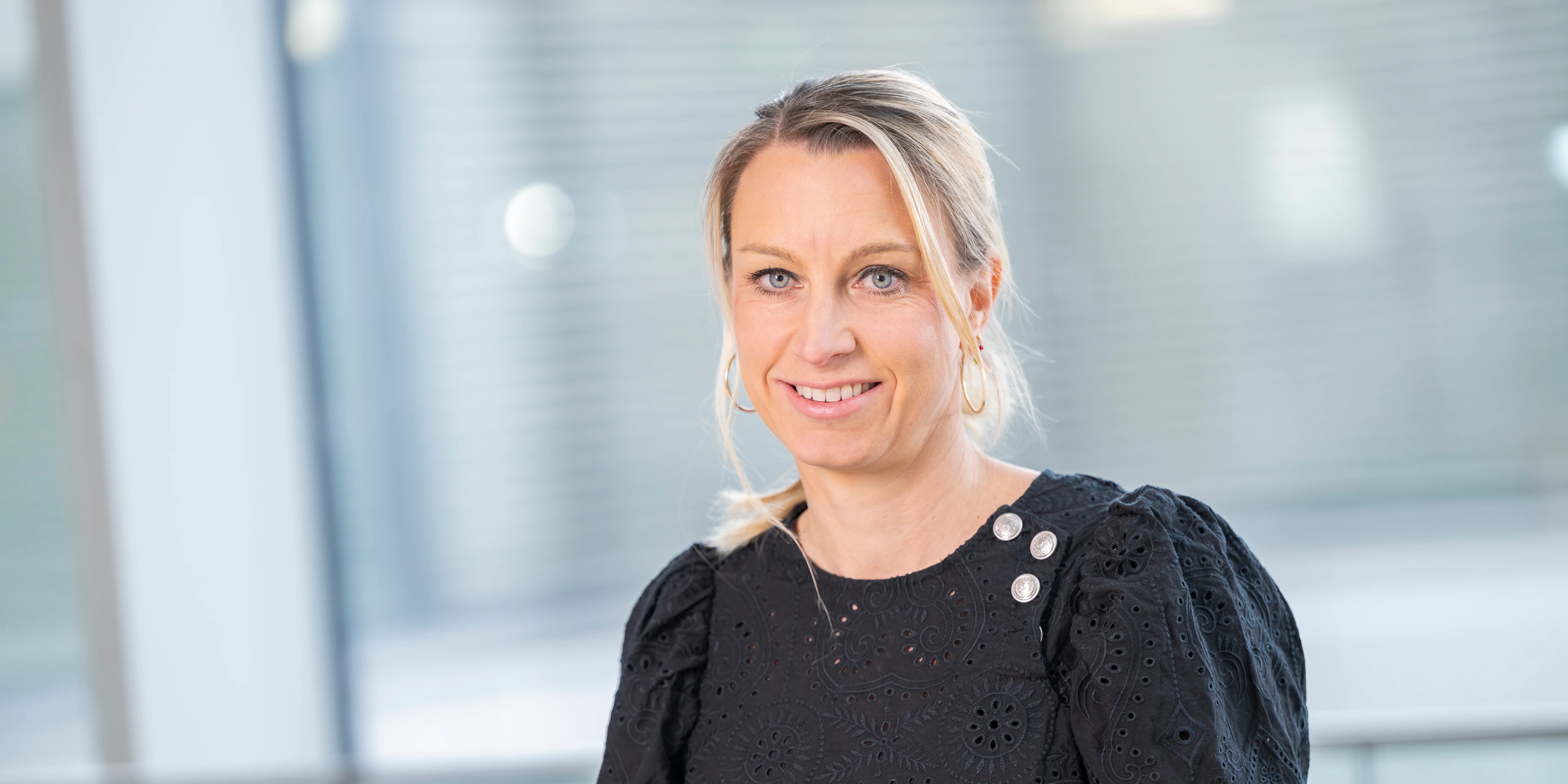
Emmy Noether Research Group Leader Cellular Proteomics and Metabolic Signaling, Institute of Diabetes and Obesity; Associate Professor (W3) at the Technical University of Munich (TUM)
Prof. Dr. Natalie Krahmer
Academic Career and Research Areas
Natalie Krahmer is intrigued by the question of how chronic overnutrition affects the organization and functions of cells and how this contributes to obesity and metabolic disease. Natalie’s lab develops spatial proteomic tools to map the localization and modifications of proteins on a large scale and to generate systematic organellar atlases of organs and tissues. She aims to combine these unbiased proteomics tools with cell biological and biochemical methods to characterize the reprogramming of signaling, cellular metabolism, and organelle functions in metabolic diseases to identify novel drug targets. A particular interest of her lab is to discover factors that drive the progression of fatty liver disease and to elucidate how genetic risk factors influence the cellular processes in order to develop pharmaceutical intervention strategies.
Natalie Krahmer entered the metabolic field during her PhD when she focused on the cell biology of lipid storage. With her work at the Max-Planck Institute of Biochemistry in Munich and during research stays in the US at Yale Medical School and at UCSF, San Francisco, she elucidated the mechanisms of how lipid droplets, the cellular lipid storage depots, expand and regulate their proteome. During her postdoc at the Max-Planck Institute of Biochemistry, she was trained in proteomics and developed spatial proteomic tools to investigate the changes in cellular organization and metabolic signaling in fatty liver disease.
In 2019, Natalie was awarded the DFG Emmy-Noether fellowship to start an independent research group, and she joined the Helmholtz Diabetes Center as group leader. Together with her team, Natalie moves state-of-the-art proteomics into the collaborative environment of the Helmholtz Diabetes Center and has established collaborations with the pharmaceutical industry.
Fields of Work and Expertise
Organelle proteomics Metabolic signaling NAFLD Systems biology Diabetes Cell Biology Lpid Droplets
Professional Background
Associate Professur for Metabolic Cell Architecture at the Technical University of Munich (TUM)
Group leader at the Helmholtz Diabetes Center
Postdoc, Max-Planck Institute of Biochemistry
PhD, Max-Planck Institute of Biochemistry

DZD Deutsches Zentrum für Diabetesforschung
TR333
