Head of the Brain Epigenomics Research Unit (BEG)
Dr. Boyan Bonev
Grosshadern Campus, Marchioninistr. 25, 81377 München
X LinkedInTo Research Page Visit my Lab Follow us on Bluesky
“Every cell in your brain carries the same DNA, but a unique epigenetic signature tells it what it should do. I believe that understanding that signature and how it is established during development and evolution is the key to diagnosing and treating brain disease.”
Academic Career and Research Areas
Dr. Boyan Bonev leads the Brain Epigenomics Research Unit (BEG) at the Stem Cell Center of Helmholtz Munich, with the mission of improving the diagnosis and treatment of brain disorders using genomics and AI.
His research addresses a fundamental question: how does the epigenome - the layers of chemical modifications, 3D architecture, and regulatory elements that sit on top of our DNA - control which genes are active in each brain cell? Neurological disorders - from neurodegenerative diseases to autism and schizophrenia - affect one in six people worldwide, yet the vast majority of disease-associated genetic variants lie in the non-coding genome, where their functional impact remains unknown. Boyan’s group develops novel single-cell technologies to read the epigenome at multiple layers simultaneously, and combines these with human brain organoids, CRISPR-based perturbations, and machine learning to move from correlation to causation.
Since starting his lab in 2018 at the Helmholtz Munich, Boyan has built an internationally recognised program organized around two pillars. The first pursues a fundamental understanding of brain development and evolution: how is neuronal identity encoded in the cortex, and how has the epigenome been rewired as the human brain expanded during primate evolution? The second translates these insights into applications - collaborating with industry partners to identify early epigenomic biomarkers of neurological disorders and develop cell-type-specific enhancers for AAV-based gene therapies. This combination of basic discovery and translational application, enabled by the technologies his lab has pioneered, is what makes BEG unique within the Munich research landscape.
Among the group’s key contributions are the discovery that the transcription factor Neurog2 coordinates epigenetic remodeling across multiple molecular layers during cortical development (Nature Neuroscience, 2022); the development of 3DRAM-seq, a method for jointly profiling 3D genome architecture, RNA, chromatin accessibility, and DNA methylation in the same cells (Nature Cell Biology, 2023); the adaaptation of novel massively parallel reporter assays (MPRA) that can functionally validate thousands of enhancers in vivo and in human brain organoids; and the identification of Yy1 as an essential factor in epigenome remodeling during direct neuronal reprogramming (Nature Neuroscience, 2024).
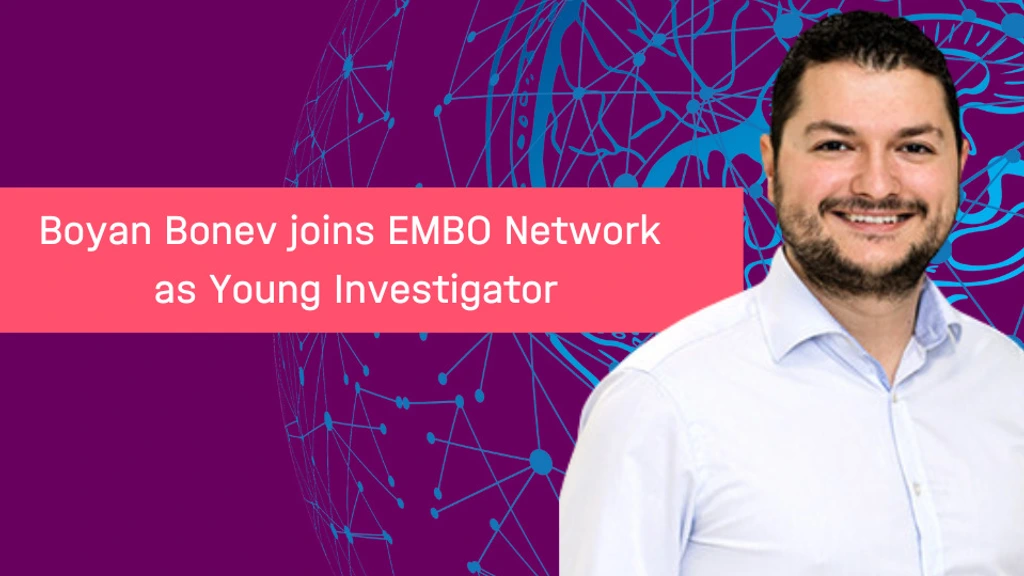
Boyan is an EMBO Young Investigator and ERC Consolidator Grant awardee. He is embedded within the Munich scientific community through collaborations spanning the LMU, TUM, and Max Planck Institutes, and is affiliated with the LMU Graduate School for Neuroscience.
Fields of Work and Expertise
Epigenomics Single-Cell Multi-Omics 3D Genome Organization Brain Development Cerebral Organoids Neurodegenerative Disease CRISPR Perturbations Machine Learning & AI Gene Therapy Brain Evolution DNA Methylation Regulatory Genomics
Professional Background
Head, Independent Research Unit “Brain Epigenomics” (BEG); Stem Cell Center, Helmholtz Munich
Group Leader; Helmholtz Pioneer Campus; Helmholtz Munich
Postdoctoral Fellow; Institute of Human Genetics, CNRS, Montpellier, France; Mentor: Prof. Giacomo Cavalli
Postdoctoral Fellow; Harvard University, Cambridge, MA, USA; Mentors: Profs. Paola Arlotta & John Rinn
PhD; University of Manchester, UK; Mentor: Prof. Nancy Papalopulu; Wellcome Trust PhD Fellowship
BSc, Hochschule Mannheim, Germany


Honors and Awards
- Independent Research Unit (IRU), Helmholtz Munich, 2025
- DFG Priority Programme EpiAdapt (SPP), 2025 – 2028
- ERC Consolidator Grant “EpiCortex”, 2023
- EMBO Young Investigator, 2023
- ERA-NET Neuron Grant, 2021
- DFG Priority Programme SPP2202 “Spatial Genome Architecture in Development and Disease”, 2019
- “Great Advances in Biology” Award, French Academy of Sciences, 2018
- Sir Henry Wellcome Postdoctoral Fellowship, Wellcome Trust, 2013
- Beddington Medal - Best PhD Thesis, British Society for Developmental Biology, 2012
- Wellcome Trust Four-Year PhD Fellowship, 2007
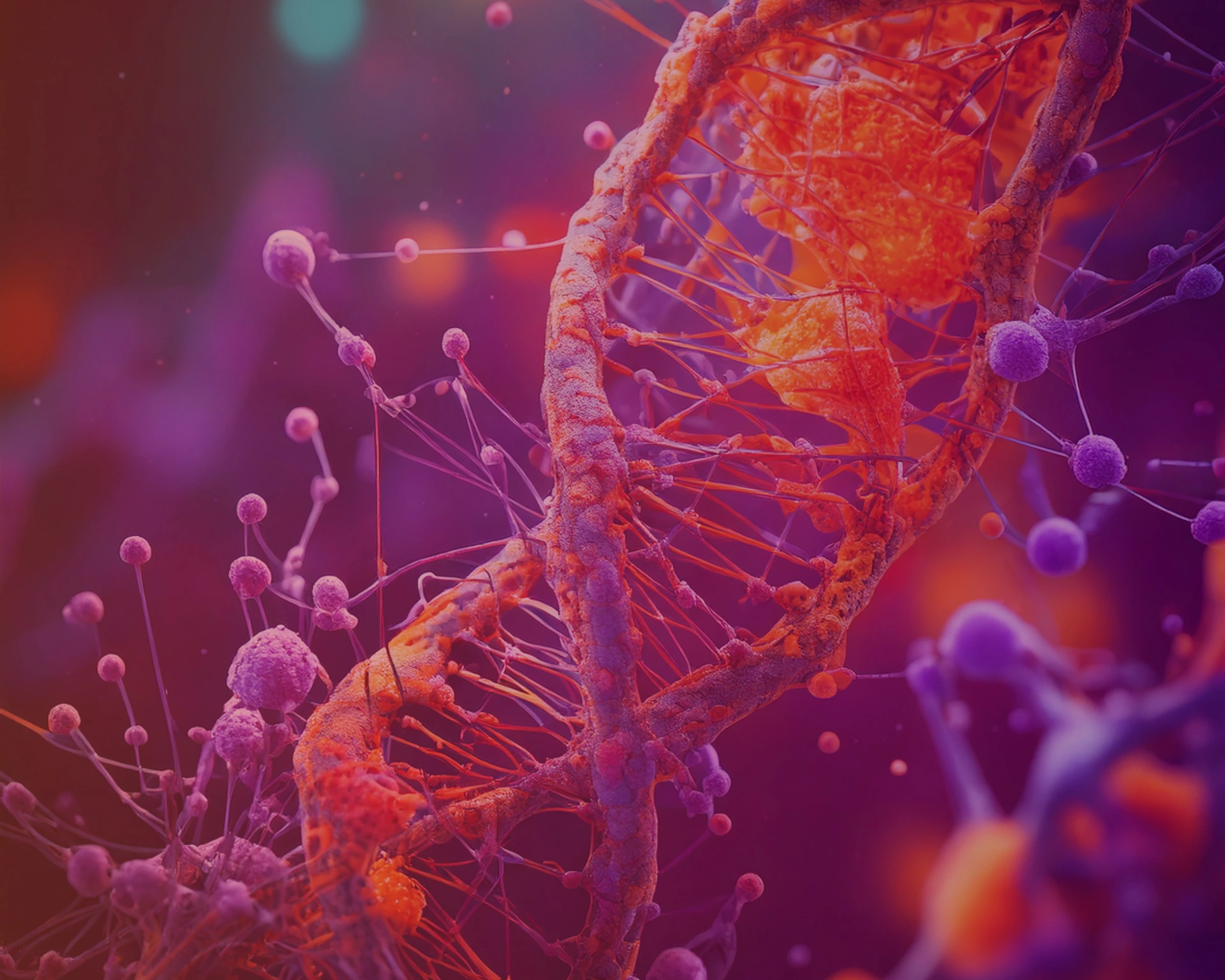

Podcast (Active Motif: Enabling Epigenetics Research)
Neuroepigenetic Mechanisms and Primate Epigenome Evolution: Episode 148, April 10, 2025
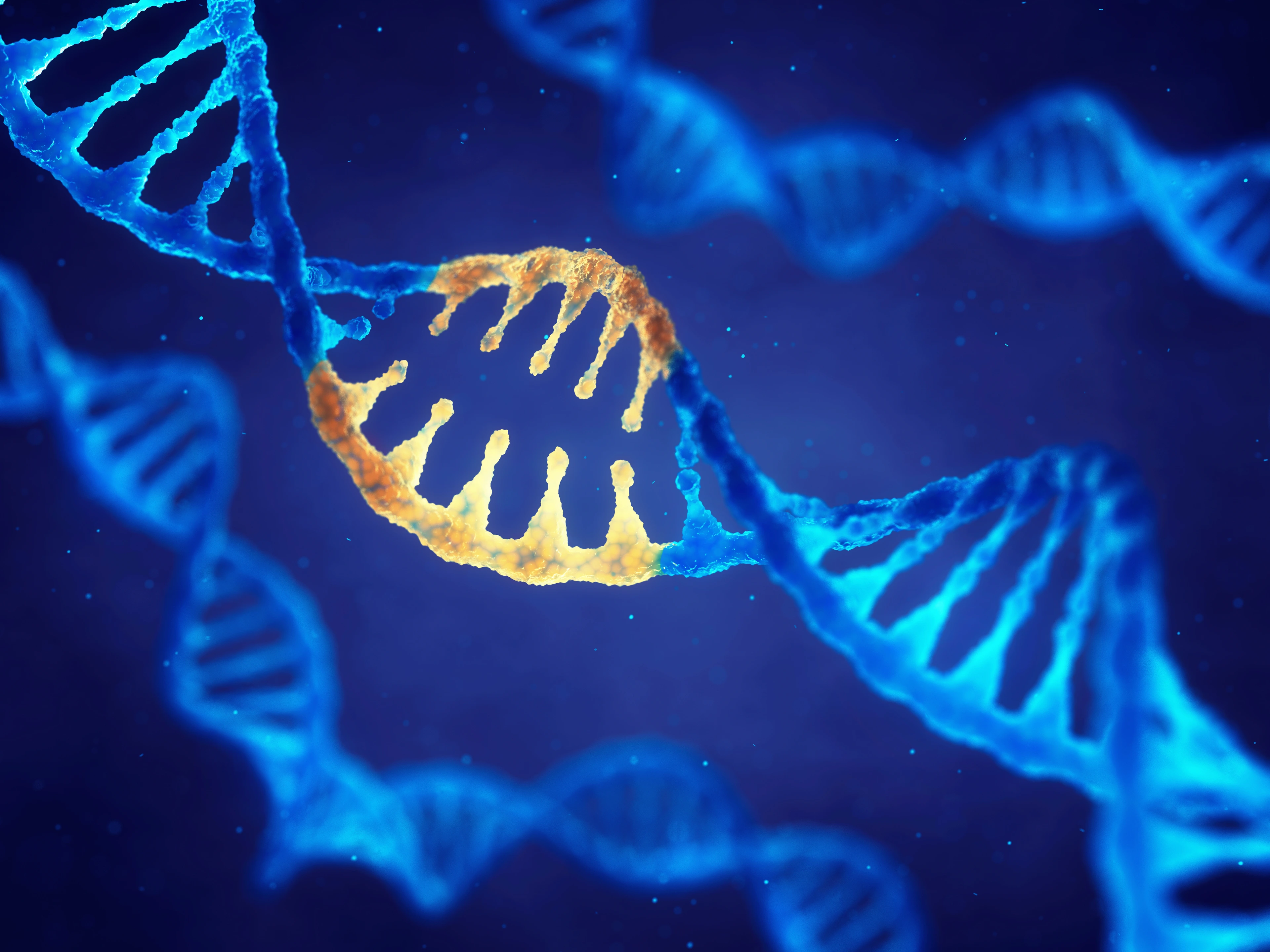
PioneerCampus Podcasts
Episode 2: "Cell identity is generated from the epigenetic interpretation of the genome”
Tagesspiegel
Future Medicine 2019 talk
Sir Henry Wellcome Fellowship
Wellcome Trust

Collaborations with pharmaceutical and biotech companies in neurodegeneration and gene therapy
Industry Partners