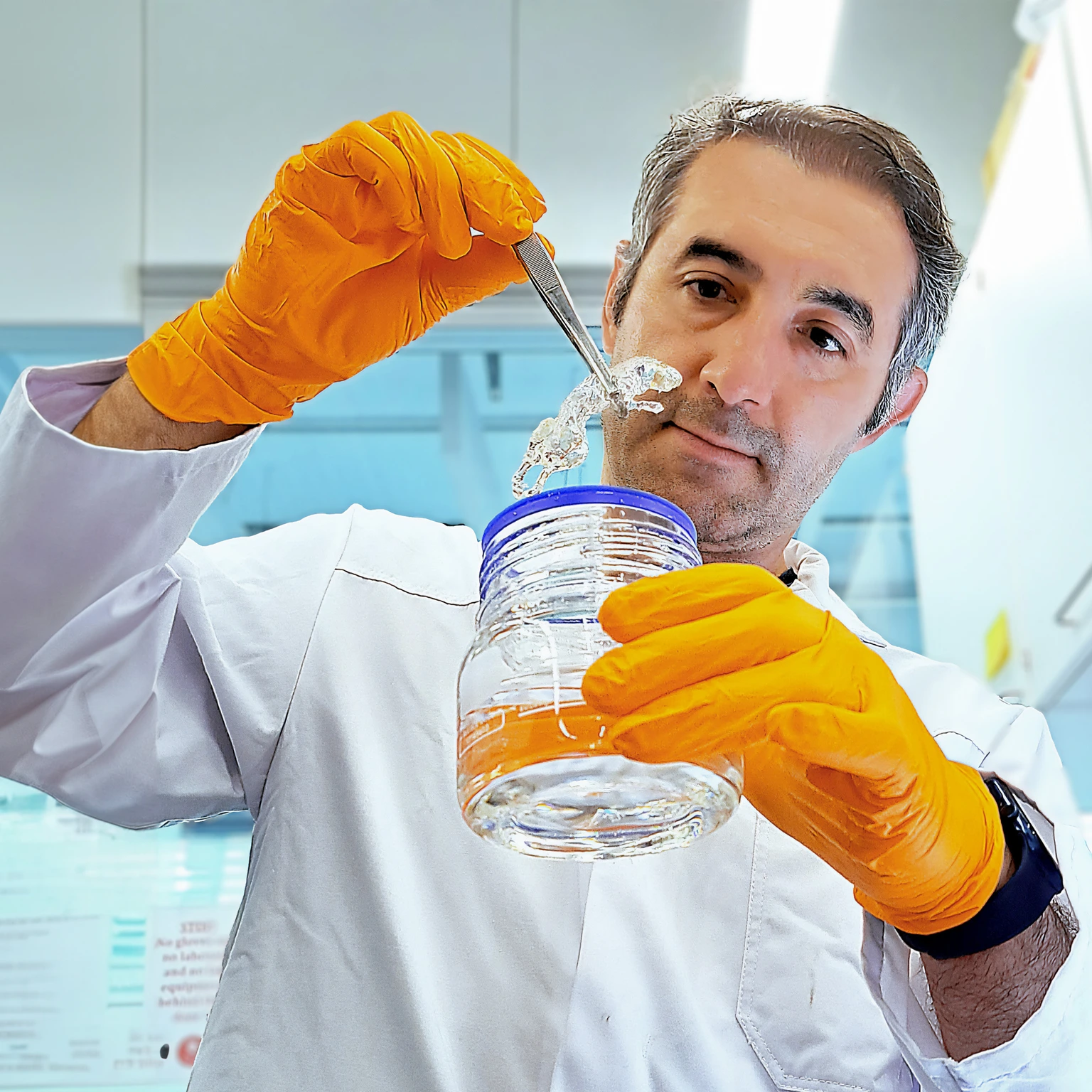
Research Director Institute for Intelligent Biotechnologies: Prof. Dr. Ali Ertürk

Research Director Institute for Intelligent Biotechnologies, iBIO

Prof. Dr. Ali Ertürk

We use cell-level imaging and AI to understand disease mechanisms and guide targeted therapies

See what we are doing!

Follow me on X!

Academic Career and Research Areas

Dr. Ali Ertürk is a distinguished neuroscientist with a strong academic and research background in neurobiology. He obtained his undergraduate degree from Bilkent University in Ankara in 2003, followed by a Ph.D. from LMU Munich. His early research career at the Max-Planck-Institute of Neurobiology was marked by significant contributions to the field of axon regeneration in the injured spinal cord. In 2009, Dr. Ertürk advanced his research at Genentech in San Francisco, where he completed a postdoctoral fellowship. During this time, he focused on pioneering studies related to non-apoptotic caspase-3 actions in spine degeneration, traumatic brain injury, and whole brain tissue clearing for neurodegeneration assessment

Currently, Dr. Ertürk leads research as the Director of the Institute for Intelligent Biotechnologies (iBIO) at Helmholtz Munich. He also holds a Professorship from the Medical Faculty of Ludwig-Maximilian-Universität Munich, where he continues to push the boundaries of neuroscience and regenerative medicine.

Dr. Ertürk's research interests lie at the intersection of neuroscience, tissue engineering, and artificial intelligence.

Fields of Work and Expertise

Neuroscience Tissue Engineering Artificial Intelligence

AI-Driven Imaging & Analysis

Digital Twins of Human Organs

Personalized Medicine

Ali Ertürks Vision

Recent Publications

Cell, DOI: 10.1016/j.cell.2026.04.048 (2026)

Chayama, Y. ; Rao, N.R. ; Perla, D. ; Zhang, Z. ; Reid, M. ; Nelson, S. ; Wen, X. ; Ding, B. ; Blumenfeld, J. ; Apolonio, A. ; Doddipalli, S. ; Zhou, H. ; Turhan, S.G. ; Shih, P.Y. ; Brendel, M. ; Fu, Y.H. ; Ertürk, A. ; Kolabas, Z.I. ; Huang, Y. ; Yang, A.C.

Physiological brain clearance architecture revealed by neuronal protein tracing.
Nature, DOI: 10.1038/s41586-026-10535-2 (2026)

Kaltenecker, D. ; Horvath, I. ; Al-Maskari, R. ; Chen, Y. ; Kolabas, Z.I. ; Höher, L. ; Todorov, M.I. ; Minde, D.-P. ; Kapoor, S. ; Turhan, S.G. ; Kuemmerle, L. ; Steinke, H. ; Wohlgemuth, T. ; Ali, M. ; Kofler, F. ; Morigny, P. ; Geppert, J. ; Jeridi, D. ; Wittmann, B. ; Luo ; Shit, S. ; Cigankova, C. ; Kolenic, V.M. ; Gür, N. ; Aydeniz, E. ; Yücecan, A. ; Ertürk, M. ; Simons, L.H.A. ; Pan, C. ; Piraud, M. ; Rueckert, D. ; Rohm, M. ; Hellal, F. ; Elsner, M. ; Bhatia, H.S. ; Bechmann, I. ; Menze, B. ; Herzig, S. ; Paetzold, J.C. ; Diaz, M.B. ; Ertürk, A.

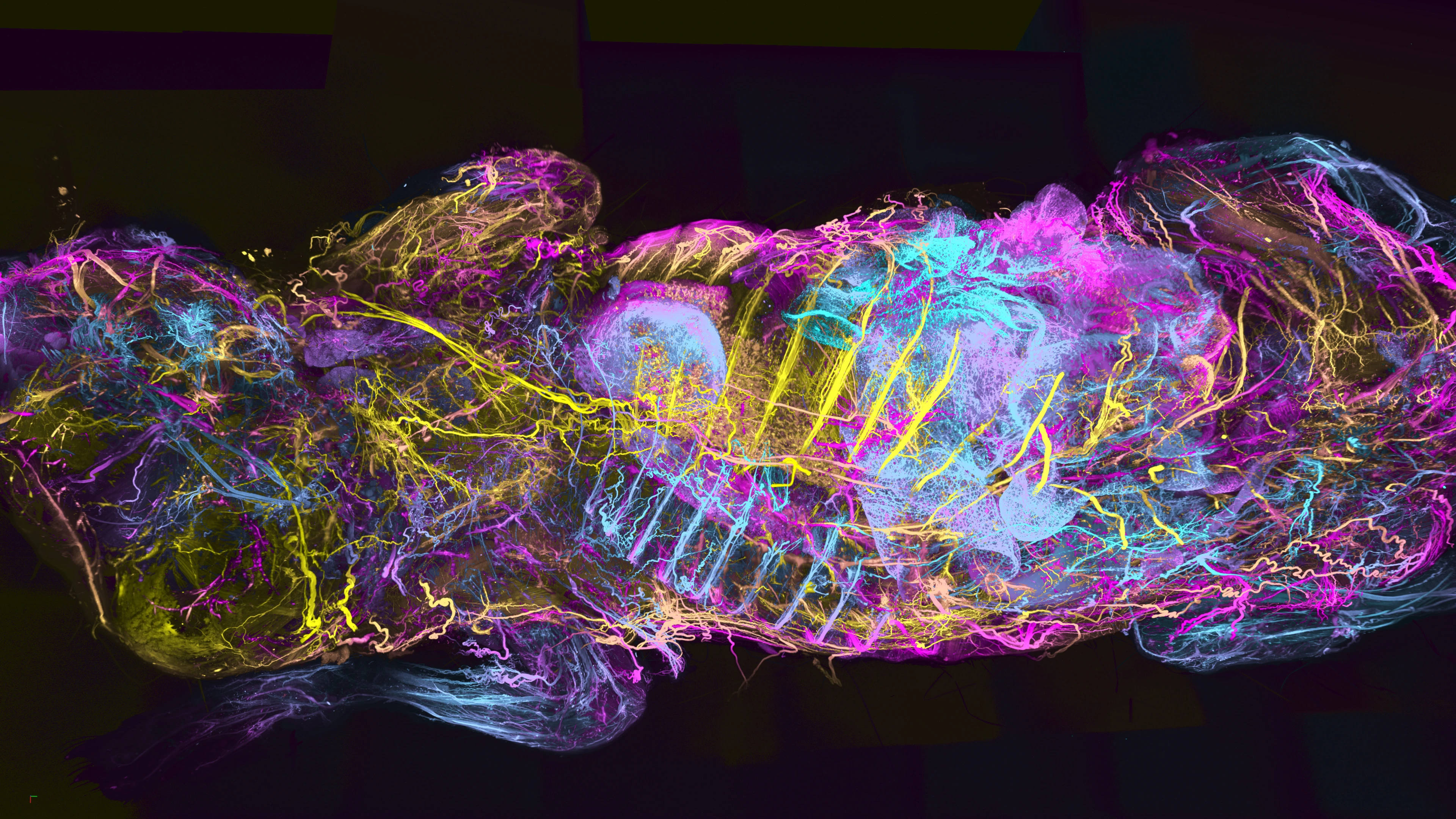
A deep-learning framework reveals whole-body perturbations at cell level.
Nat. Protoc., DOI: 10.1038/s41596-026-01363-9 (2026)

Mai, H. ; Wang, Y. ; Zhu, Y. ; Zhao, Y. ; Chen, Y. ; Höher, L. ; Al-Maskari, R. ; Luo, J. ; Ertürk, A.

Whole-mouse immunolabeling at cellular resolution for comprehensive 3D atlases.
Nat. Cancer 7, 316–333 (2026)

Bessler, N. ; Wezenaar, A.K.L. ; Ariese, H.C.R. ; Honhoff, C. ; Dommann, N. ; Wehrens, E.J. ; Ruiz Moreno, C. ; van den Broek, T.J.M. ; Collot, R.V.U. ; Kloosterman, D.J. ; Keramati, F. ; Roosen, M. ; de Blank, S. ; van Vliet, E. ; Barrera Román, M. ; Gatti, L.C.D.E. ; Ertürk, A. ; Kuball, J. ; Sebestyén, Z. ; Kool, M. ; Patrizi, S. ; Miele, E. ; Künkele, A. ; Kranendonk, M.E.G. ; Cornel, A.M. ; Nierkens, S. ; Mayer, C. ; Stunnenberg, H.G. ; Alemany, A. ; Alieva, M. ; Rios, A.C.

De novo H3.3K27M-altered diffuse midline glioma in human brainstem organoids to dissect GD2 CAR T cell function.
Nat. Neurosci., DOI: 10.1038/s41593-025-02123-w (2025)

González-Gallego, J. ; Todorov-Völgyi, K. ; Müller, S.A. ; Antesberger, S. ; Todorov, M.I. ; Malik, R. ; Grimalt-Mirada, R. ; Gonçalves, C.C. ; Schifferer, M. ; Kislinger, G. ; Weisheit, I. ; Lindner, B. ; Crusius, D. ; Kroeger, J. ; Borri, M. ; Ertürk, A. ; Nelson, M.C. ; Misgeld, T. ; Lichtenthaler, S.F. ; Dichgans, M. ; Paquet, D.

A fully iPS-cell-derived 3D model of the human blood-brain barrier for exploring neurovascular disease mechanisms and therapeutic interventions.

Todorov-Völgyi, K. ; González-Gallego, J. ; Müller, S.A. ; Todorov, M.I. ; Seker, F.B. ; Frerich, S. ; Cernilogar, F.M. ; Schröger, L. ; Malik, R. ; Cao, J. ; Llovera, G. ; Roth, S. ; Schillinger, U. ; Schifferer, M. ; Reyahi, A. ; Crusius, D. ; Pedro, L.D. ; Simons, M. ; Carlsson, P. ; Ertürk, A. ; Liesz, A. ; Schotta, G. ; Plesnila, N. ; Lichtenthaler, S.F. ; Paquet, D. ; Dichgans, M.

The stroke risk gene Foxf2 maintains brain endothelial cell function via Tie2 signaling.

Media Coverage

Research Highlights: Making the Invisible Visible

Ali Ertürk’s Journey in Transformative Biomedical Imaging
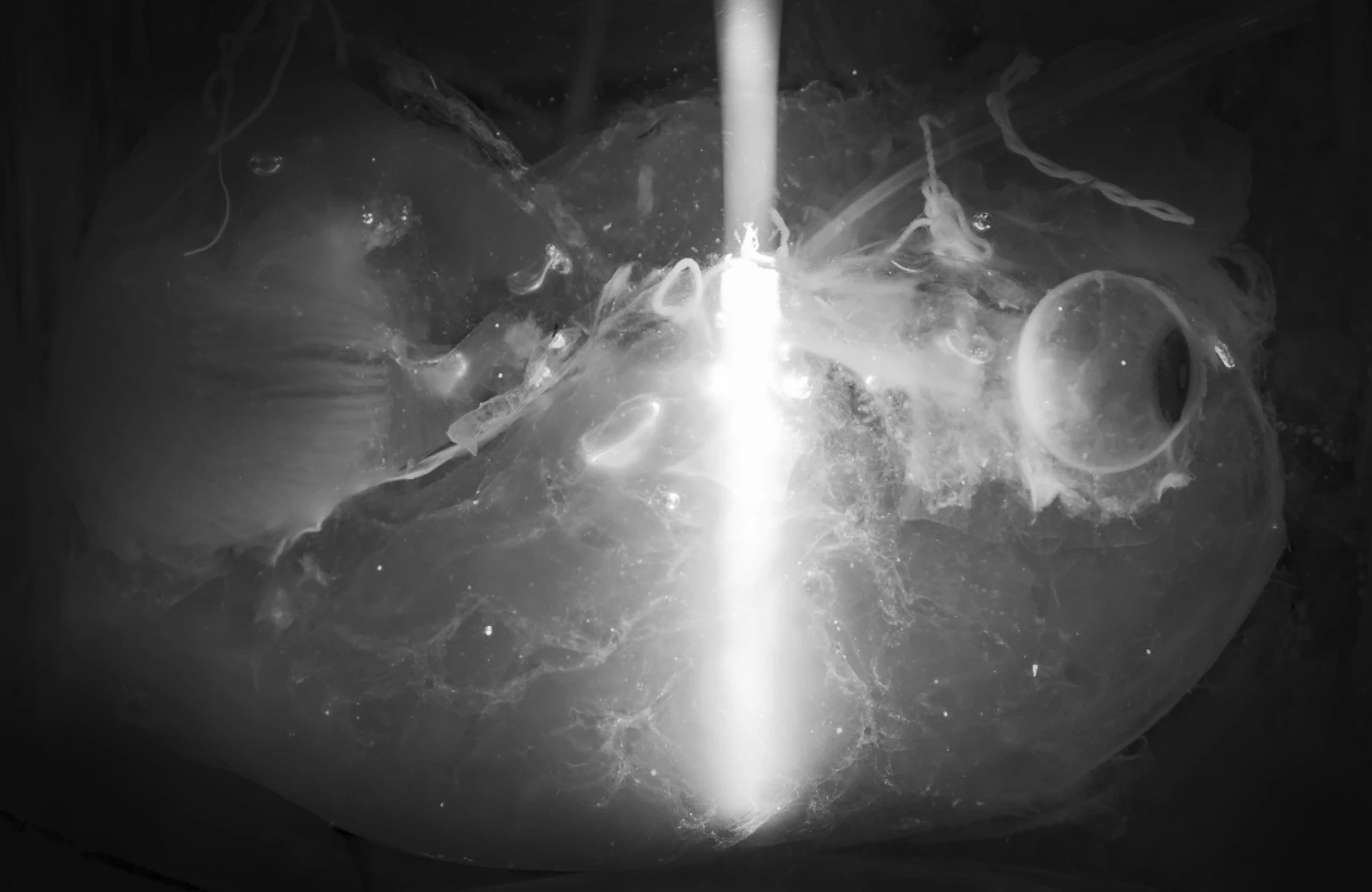
Condensed light travelling end-to-end in a transparent human brain made visible with SHANEL.

Just like us, keep on exploring!