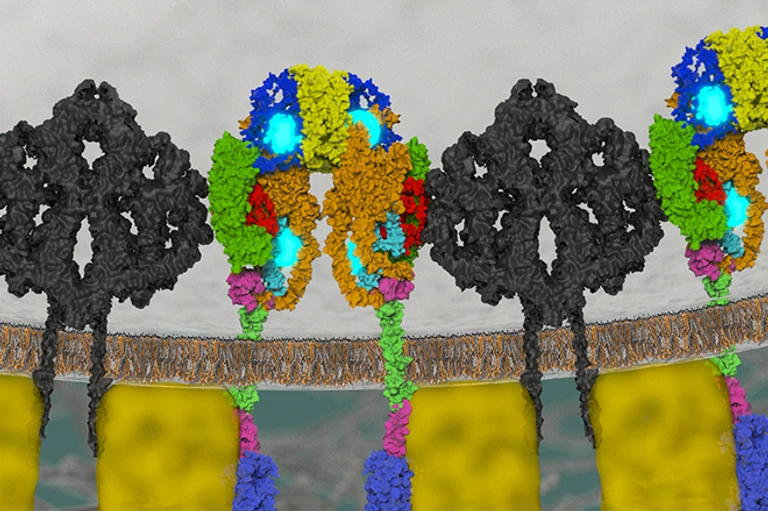
Prof. Heiko Lickert is the director of the Institute of Diabetes and Regeneration Research at Helmholtz Munich, professor at the Technical University of Munich (TUM), and member of the German Center for Diabetes Research (DZD). Together with his team, they discovered Inceptor in 2021 and described its role as an inhibitor of the insulin signaling pathway. Both Inceptor and the insulin receptor are located on the surface of beta cells, where Inceptor can block the insulin receptor, thus reducing the cells’ insulin sensitivity and weakening the signaling pathway. The current study goes further, showing that Inceptor binds excess insulin within the beta cell and directs it towards degradation. “This knowledge about Inceptor’s function gives us a deeper understanding of how beta cells regulate their insulin homeostasis,” says Heiko Lickert.
Regeneration of Damaged Beta Cells
The increased presence of Inceptor in beta cells suggests that the receptor plays a role in insulin secretion, which is regulated by beta cells. This process is often impaired in diabetes, leading to elevated blood sugar levels. By blocking Inceptor, the researchers were able to refill beta cells' insulin stores, enhance insulin release, and prevent beta cell death. “Especially in already damaged cells, blocking Inceptor could help boost insulin production and protect the beta cells,” explains Lickert.
Hope for People with Type 2 Diabetes
The findings suggest that specifically targeting Inceptor could be a promising strategy for improving the function of insulin-producing cells in people with diabetes. “Our goal is to develop new medications that support the cells’ insulin balance and prolong their viability, based on our discovery”" says Lickert. Such a therapy could especially help individuals in the early stages of type 2 diabetes to slow disease progression and reduce the risk of complications.
From Lab to Practice: A Start-up for New Diabetes Therapies
To translate these findings from the lab to real-world applications, Lickert founded the start-up Viacure together with Dr. Nikolas Uez. Both founders share the vision of advancing the development of drugs that specifically block Inceptor to protect or regenerate beta cells. Preclinical studies to test the safety and efficacy of these innovative therapeutic approaches are a crucial step on this path. “Our shared goal is to pave the way for clinical trials and thereby make a significant contribution to the treatment, and hopefully even the cure, of diabetes,” Lickert and Uez explain.
Original Publication
Siehler et al. (2024): Inceptor binds to and directs insulin towards lysosomal degradation in β-cells. Nature Metabolism. DOI: 10.1038/s42255-024-01164-y.