The Berlin-Brandenburg Air Study – a natural experiment investigating health effects from changes in airport-related exposures (BEAR Study)
Overview
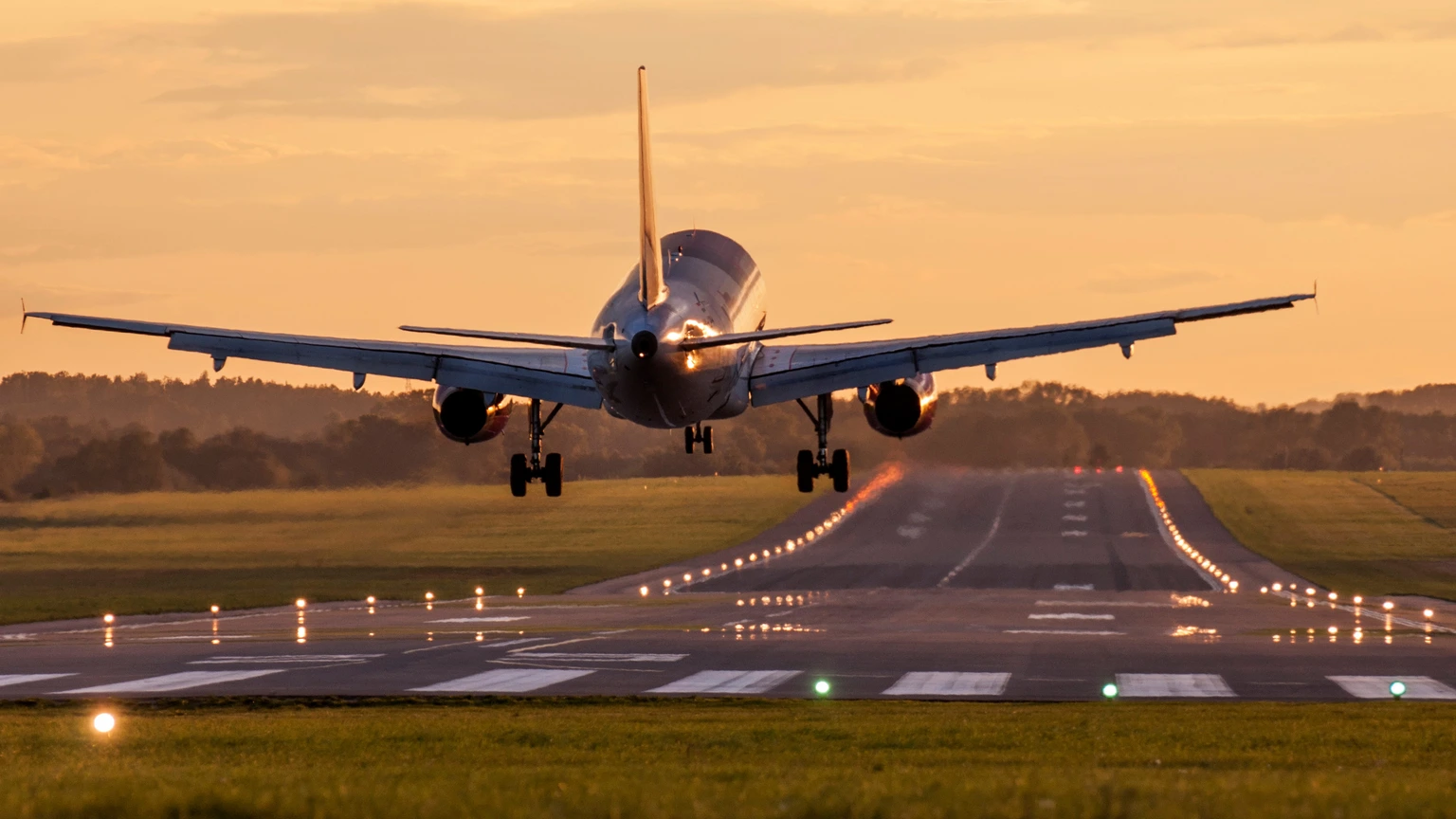
Recent studies have shown that ultrafine particles (UFP) concentrations in ambient air are strongly elevated in the vicinity of large airports. The Berlin-Brandenburg Air Study (BEAR Study) aims to conduct and analyse measurements of air quality in Berlin and Brandenburg before and after the relocation of aircraft traffic from the inner-city airport Tegel (TXL) to the new airport BER and to investigate the association of aircraft-related UFP with health outcomes in schoolchildren. The BEAR consortium collaborates with the Ultrafleb consortium, which conducts a comprehensive measurement campaign and models source-specific UFP in the study region.
- To investigate concentration changes in size-fractioned and source-specific UFP and other air pollutants (PM10, PM2.5, BC, NO2, NOx, O3) before and after the relocation of air traffic from Tegel airport to the new airport BER by conducting a measurement campaign, contrasting downwind areas and control areas.
- To measure daily air pollution exposure at schools in Berlin and Brandenburg.
- To investigate short- and long-term health effects of UFP and aircraft-related UFP pollution in school children of Berlin and Brandenburg by analysing repeated measurements of health outcomes (respiratory and cardiovascular health, neurocognitive function, quality of life).
800 schoolchildren of Berlin and Brandenburg at the age of 6-12 years will be examined up to 4 times within 3 years.
City of Berlin and Brandenburg; areas around Tegel airport and the new airport BER
- German Research Foundation (DFG)
- Federal Environment Agency (Umweltbundsamt UBA)
- Municipalities of Blankenfelde-Mahlow, Eichwalde, Schönefeld and Schulzendorf
2020-2024 (BEAR I)
2025-2027 (BEAR II)
Contact