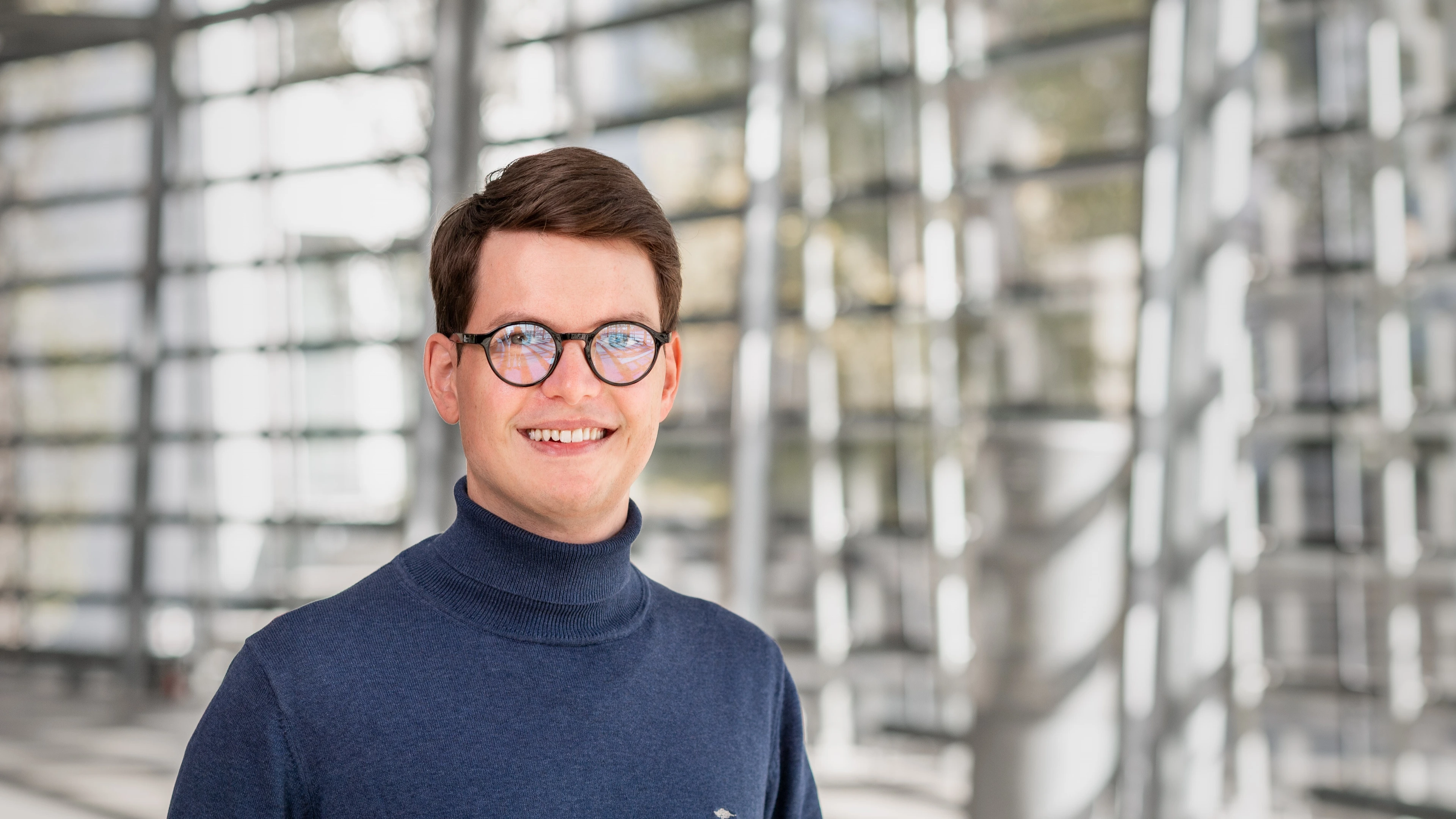
Research Group Leader, Helmholtz AI Efficient Learning and Probabilistic Inference for Science (ELPIS) Lab
Prof. Dr. Vincent Fortuin
"I want AI systems to know what they don‘t know. By combining deep learning with Bayesian principles, we can build models that learn from fewer data, make better decisions, and are safer to use in science.”
Academic Career and Research Areas
Vincent Fortuin is Professor of Probabilistic Machine Learning at the University of Technology Nuremberg and research group leader of the ELPIS lab at Helmholtz AI in Munich. He is also a Branco Weiss Fellow, an ELLIS Scholar, a Fellow of the Konrad Zuse School for reliable AI, and an affiliated PI at the Munich Center for Machine Learning. He studies how Bayesian statistics can make AI systems more reliable, data-efficient, and useful for scientific discovery. His work focuses on combining deep learning with principled uncertainty estimation so that models can learn from limited data, incorporate prior knowledge from domain experts, and support better decisions in high-stakes settings.
For his PhD in Machine Learning at ETH Zurich, he worked on Bayesian deep learning, model uncertainty, and representation learning. He later continued this line of research as a postdoctoral researcher in the Machine Learning Group at the University of Cambridge and as a Research Fellow at St John's College. Since 2023, he has led the ELPIS group at Helmholtz AI, and in January 2026, he was appointed Full Professor at UTN. Across these roles, his goal has remained the same: to build machine learning methods that are not only accurate but also trustworthy, transparent, and practically useful in science.
Fields of Work and Expertise
Bayesian deep learning
Uncertainty estimation
Probabilistic modeling
Data-efficient AI
Sequential decision making
Amortized inference
PAC-Bayesian theory
AI for science
Professional Background
PhD in Machine Learning at ETH Zurich
Research Fellow at St John’s College Cambridge
PI of the ELPIS research group at Helmholtz AI in Munich
Full Professor of Probabilistic Machine Learning at UTN
Honors and Awards
Branco Weiss Fellow
Research Fellow, St John's College, Cambridge
Swiss National Science Foundation Postdoc Mobility Fellowship
Willi Studer Prize, ETH Zurich

Interview – Shaping the Future of AI
How Dr. Vincent Fortuin and Colleagues Are Making AI Safer and More Reliable

Video: Branco Weiss Lecture 2023
“(Un)predictability”
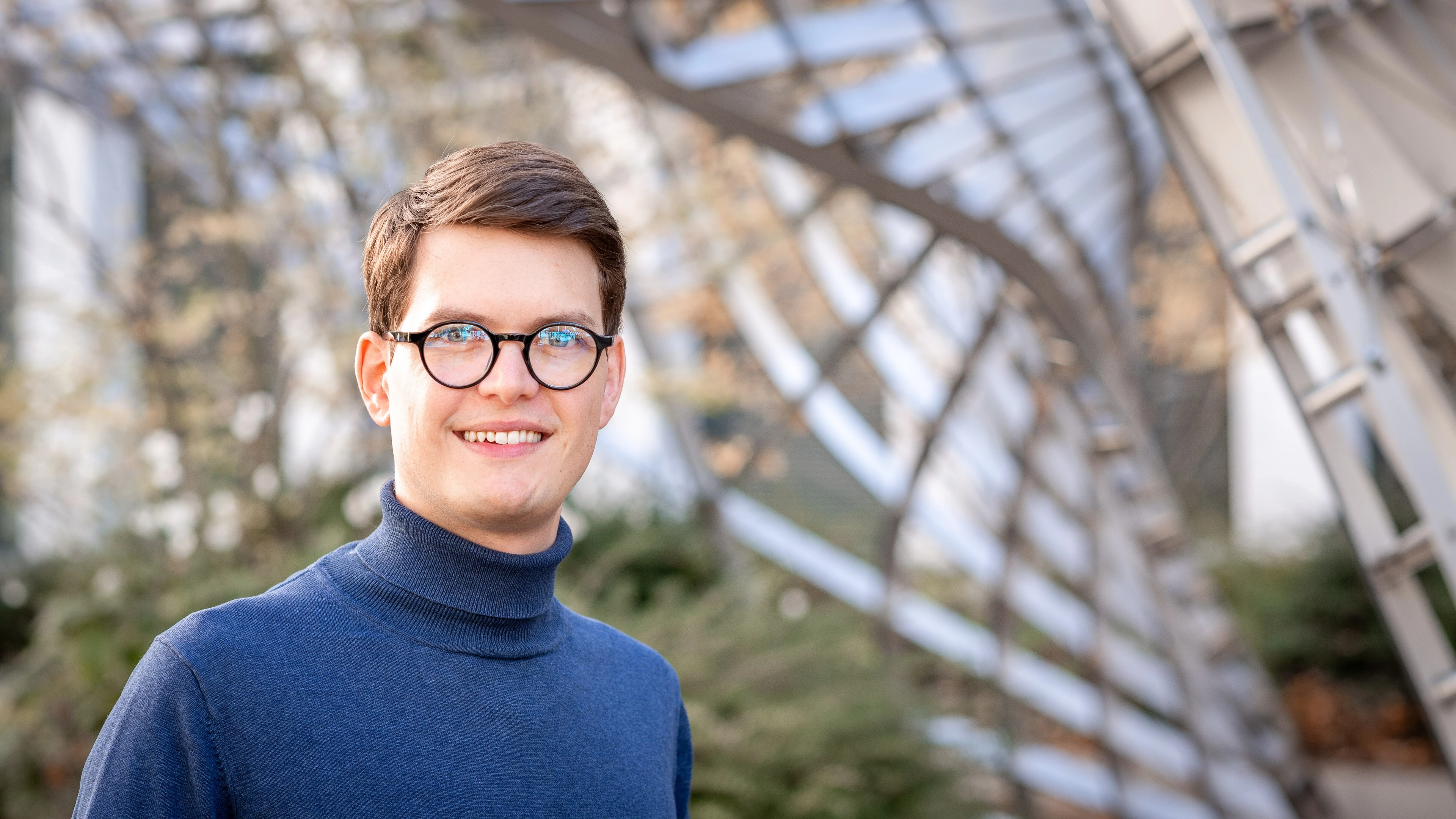
Organizer Vincent Fortuin
Vincent Fortuin organized Hawaii's AABI symposium towards AI advancement