Group Leader of Vascular Epigenetics, HI-MAG
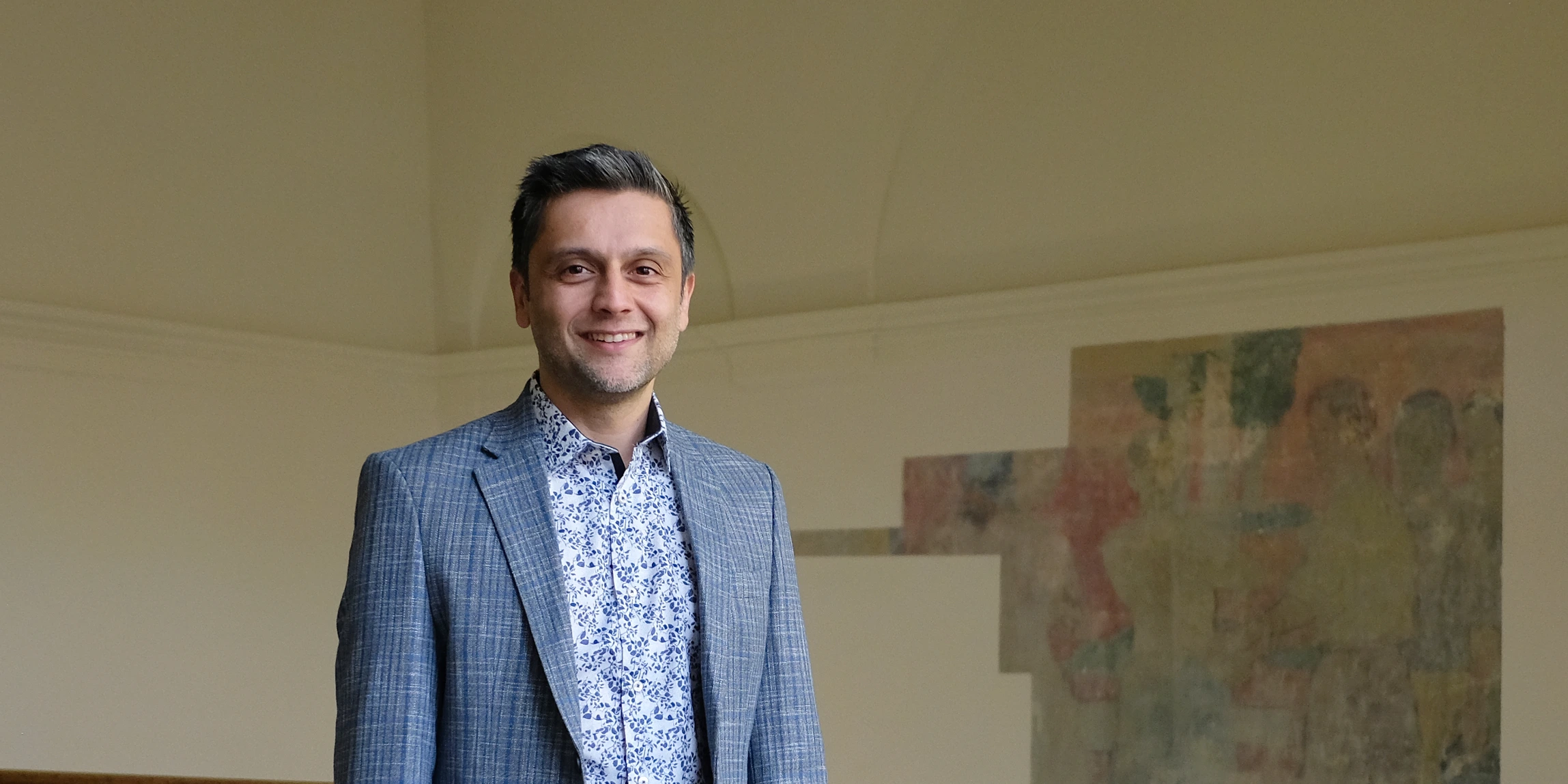
Dr. Bilal Sheikh
Group Leader at the Helmholtz Institute for Metabolic Obesity and Vascular Research (HI-MAG) of Helmholtz Munich at Leipzig University and the University of Leipzig Medical Center AöR, Germany
"Understanding how metabolic disease disrupts vascular health is crucial to reduce the risk of life-threatening chronic diseases. "
Academic Career
Obesity is associated with numerous deadly comorbidities such as atherosclerosis, type 2 diabetes, dementia and hypertension, which are underpinned by vascular dysfunction. The Sheikh lab investigates how obesity alters the biology of vascular cells, using single-cell transcriptomics and epigenetic approaches to uncover the molecular changes caused by metabolic stress. By understanding how these changes develop and persist, the lab aims to identify preventative strategies that protect blood vessels and maintain vascular health.
Prior to joining Helmholtz Munich in 2020, Bilal spent 15 years training in the fields of epigenetics and metabolism. During his PhD at the Walter and Eliza Hall Institute in Melbourne, Australia, he studied epigenetic enzymes that are important for embryonic development, stem cell function and cancer development. His work cumulated in the design of a novel class of drugs targeting the epigenome. These drugs are currently in clinical trials for the treatment of breast, prostate and lung cancers.
For his postdoctoral studies, Bilal moved to the Max Planck Institute for Immunology and Epigenetics in Freiburg, Germany in 2014. His work uncovered novel epigenetic mechanisms that control the expression of metabolic networks. Through his research, he established novel links between metabolic networks and vascular function. This research background allowed him to setup the framework for his independent group at Helmholtz Munich, which studies how metabolic disease and metabolite imbalance affect vascular health.
Research Areas and Expertise
Epigenetics, Blood Vessels, Metabolism, Single Cell Technologies, Gene Transcription, Vascular
Important Career Steps
Leader of the Junior Research Group Vascular Epigenetics at the Helmholtz Institute for Metabolic, Obesity and Vascular Research of Helmholtz Munich at Leipzig University and the University of Leipzig Medical Center
Postdoctoral scientist at the Max Planck Institute for Immunobiology and Epigenetics
Freiburg, Germany
International Humboldt Fellowship
PhD candidate at the Walter and Eliza Hall Institute
Melbourne, Australia
Dora Lush Fellowship
Bachelor of Biomedical Science (with Honors)
University of Melbourne, Australia
Dean's Honor's list recipient, University of Melbourne
Speed-Colemann Prize
Honors and Awards
- Henriette-Herz Scout 2024
- Allen Distinguished Investigator 2022
- Alexander von Humboldt International Fellowship 2015
- Theo Murphy High Flyer's Think Tank Australian Academy of Sciences 2013
- Genetic Services Research Prize University of Queensland 2012
- Australian Stem Cell Centre Postgraduate Award 2008