Our Research Groups

DCO group image 2

Herzig Lab

Diabetes Complications

The Diabetic Complications division at the IDC explores transcriptional, epigenetic and signalling components controlling systemic and tissue-specific insulin sensitivity, and tests their potential to serve as novel therapeutic platforms in diabetes prevention approaches.

View lab

Image for the MAC group

Berriel Diaz Lab

Metabolism & Cancer

Our research investigates the complex interplay between metabolic disorders and cancer, with a particular focus on cancer cachexia—a debilitating syndrome marked by the progressive loss of muscle and fat tissue. Using specialized mouse models and in vitro systems, we aim to identify molecular pathways that drive cachexia, with the goal of uncovering new therapeutic targets. Additionally, we explore the liver’s role in cachexia and apply insights from cancer-associated fat loss to develop novel strategies for obesity treatment.

View lab
3D illustration of cells
Stem Cell Department, Stage

Rohm Lab

Tissue Crosstalk in Cancer Metabolism

Our lab explores the idea that obesity/diabetes and cachexia - two metabolically dysregulated states marked by chronic inflammation and dysfunctional nutrient handling - represent opposing manifestations of a shared pathophysiological spectrum, like two sides of the same coin. We investigate how tissues communicate to coordinate systemic metabolic adaptations. By studying these syndromes in the context of each other we seek to uncover unifying principles that may drive conceptual and therapeutic advances across both fields.

View lab

3d rendering of Human cell

Mohr Lab

Metabolic Cancer Reprogramming

The Metabolic Cancer Reprogramming group investigates how metabolic programs, nutrient fluxes, and metabolite-driven signaling pathways determine cancer cell fate, adaptive states, and therapeutic vulnerability. We aim to define the metabolic principles that enable tumors to progress, resist stress, remodel their microenvironment, and evade immune control.

View lab

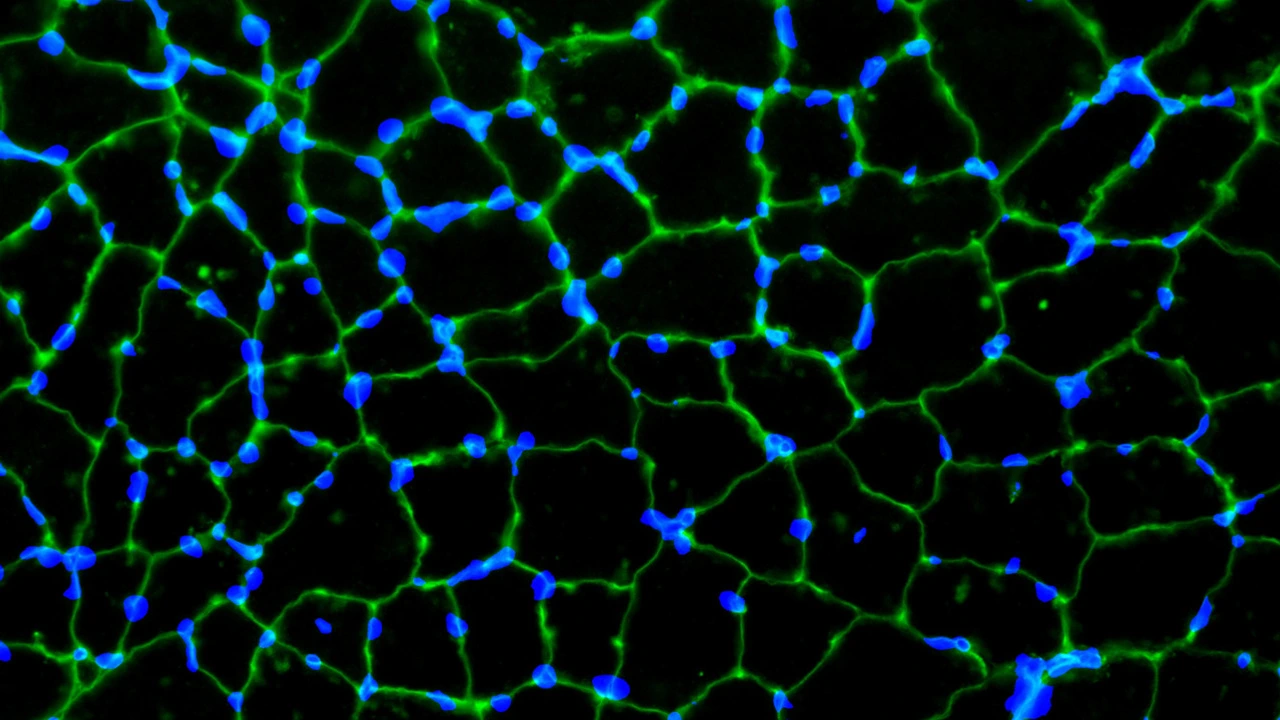
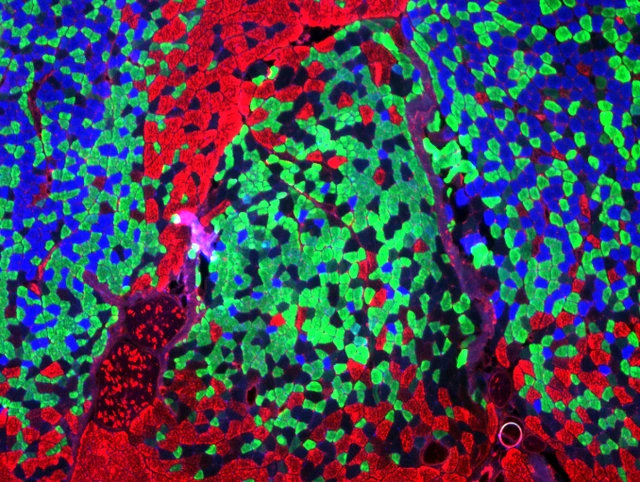
Muscle Fibre Staining

Dyar Lab

Metabolic Physiology

We aim to comprehensively identify the range of underlying metabolic causes and consequences that distinguish healthy from unhealthy ageing - ultimately seeking to harness this information to develop novel personalized therapeutics to mitigate unhealthy ageing trajectories, and to recover and maintain health status.

View lab
Mutated DNA and molecules, scientific biotechnology, 3d rendering. Computer digital drawing 
AdobeStock_513883873.jpg

Vogt Lab

Metabolic Programming across Generations

Our lab is interested in deciphering the complex and multifaceted mechanisms that contribute to altered disease susceptibilities across generations. Here, we focus on delineating how changes in metabolism and diet in one generation impact developmental programs, molecular profiles and subsequent health outcomes in the offspring and subsequent generations

View lab
3D Rendering von Zellen

Ekim Lab

Joint Heidelberg-IDC Translational Diabetes Program

Our unit translates IDC research into clinical practice with a focus on therapies for long-term diabetes complications.

View lab

3d rendering of Human cell or Embryonic stem cell microscope background.

Georgiadi Lab

Endocrine Pharmacology

We study novel ligand-receptor pairs, which control key adipocyte functions involved in adipocyte size, energy storage, energy expenditure, ageing dependent malfunction as well as the communication of the adipose tissue with other metabolic organs, such as liver and muscle.

View lab
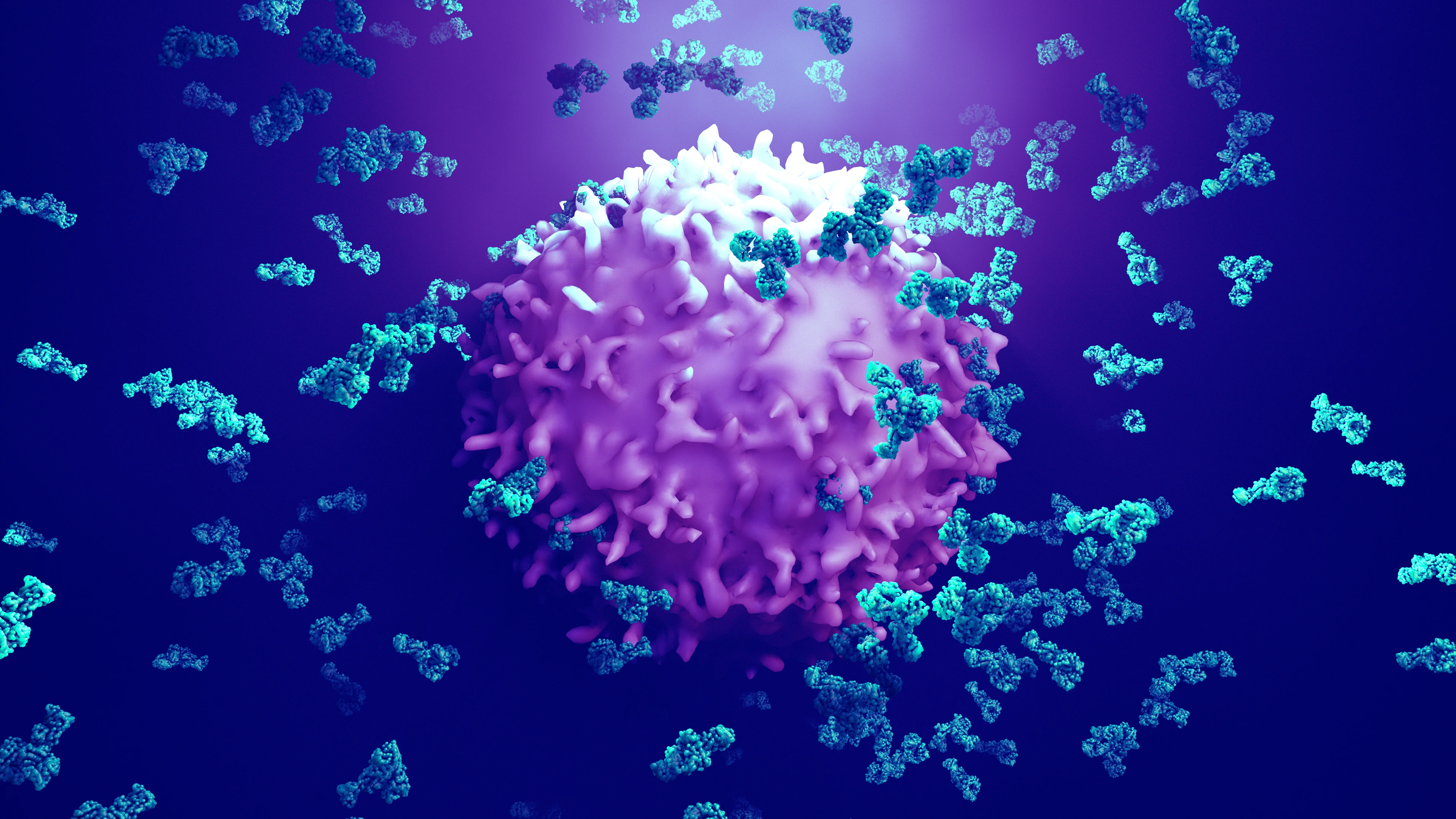
Antibodies attack a cancer cell or virus

Zitzelsberger Lab

Translational Metabolic Oncology

Our lab has a particular focus on the investigation of radiotherapy response and the therapy of tumor recurrences of various cancer entities such as head and neck cancer and glioblastoma.

View lab
Endocytosis & Metabolism Group Image

Zeigerer Lab

Endocytosis & Metabolism

The major goal of our lab is to understand how endosomal trafficking and metabolism influence and regulate each other. We want to unravel the cellular mechanism how external cues induce changes in cellular metabolism by altering endosomal functions and to provide new cellular tools for treatment of metabolic diseases.

View lab
DNA Helix 3d Rendering

Steffens Lab

Endocannabinoids and Cardiovascular Diseases

We investigate innate immune responses and endocannabinoid signaling in cardiac repair and vascular disease.

View lab
Mikroskopiebild Fibrosis für die IDC Homepage

Fischer Lab

Fibrosis

In the Fibrosis Research Unit, we aim to understand the cellular and molecular mechanisms that drive pathological tissue remodeling and scarring. By integrating state-of-the-art spatial, molecular, and computational approaches, we seek to identify key drivers of fibrosis progression and to develop new strategies to prevent or reverse fibrotic disease across multiple organs.

View lab