Director, Institute for Diabetes and Obesity and W3 Professor, Walther-Straub Institute for Pharmacology and Toxicology, Medical Faculty, Ludwig-Maximilians-University Munich (LMU)
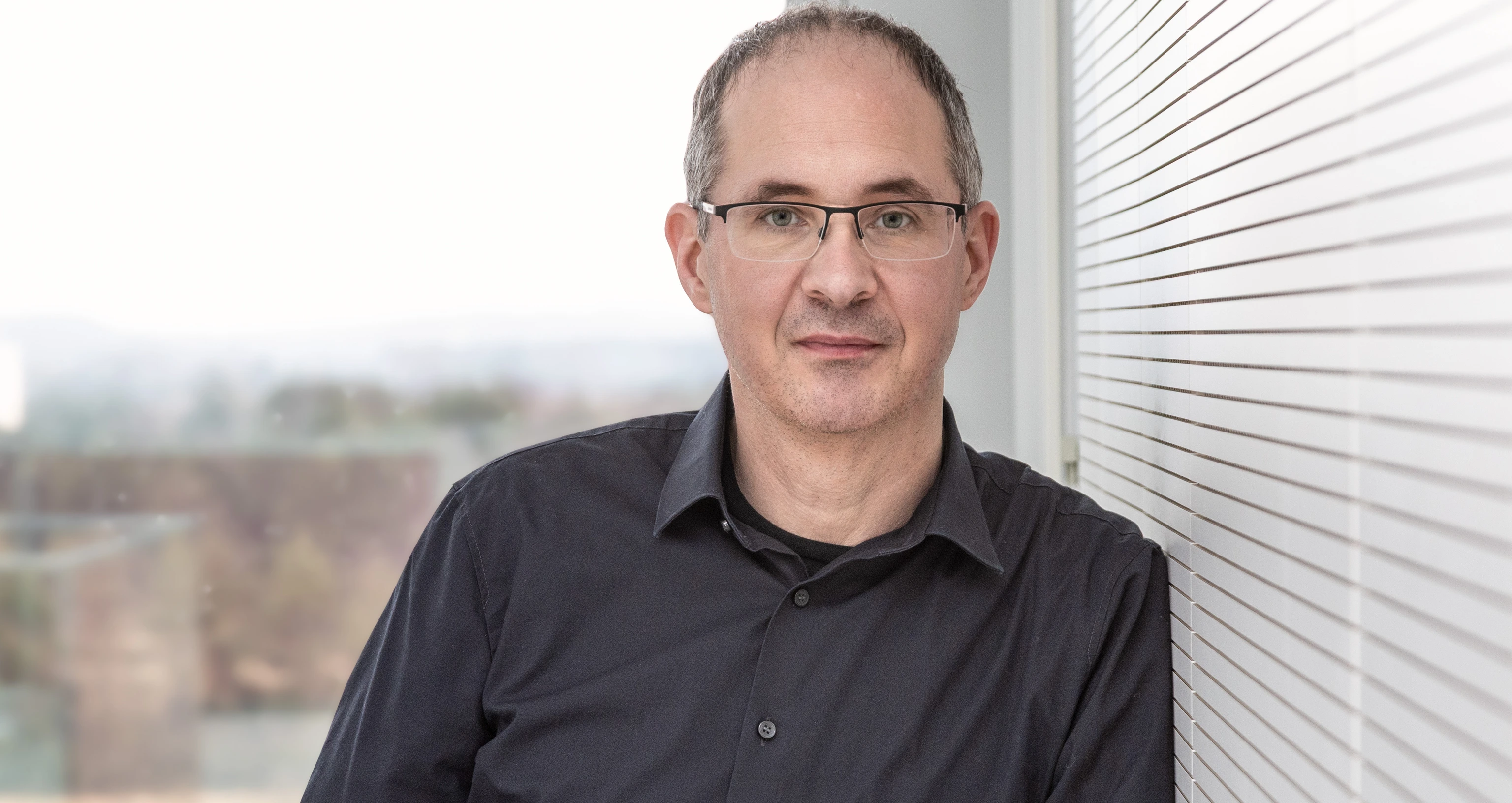
Prof. Dr. Timo Mueller
"Our goal is to discover, validate, and target obesity- and diabetes-linked pathomechanisms and to develop personalized preventive and therapeutic strategies for the treatment of obesity, diabetes, and its co-morbidities."
Academic Pathway
Timo Müller studied Animal Physiology at Philipps-University Marburg, Germany. In 2009, he received his PhD at the Department of Child and Adolescent Psychiatry and Psychotherapy, University of Duisburg-Essen, Germany. He worked as a postdoctoral fellow at the Metabolic Disease Institute, University of Cincinnati, USA, before returning to Germany in 2011, where he has led the group of Molecular Pharmacology at the Institute for Diabetes and Obesity (IDO), Helmholtz Munich. Since 2023, Müller is Director of the Institute for Diabetes and Obesity, and since 2024, full Professor and chair of Energy and Glucose Metabolism at the Walther-Straub Institute for Pharmacology and Toxicology, Ludwig-Maximilians-University Munich (LMU), Germany.
Timo Müllers research is focused on the development and evaluation of novel unimolecular pharmacotherapies to treat the metabolic syndrome, and in particular obesity and diabetes. He is part of an international team of scientists who pioneered the concept of GLP-1-based dual-and triple-agonists for the treatment of obesity and diabetes. He published >200 manuscripts, including articles in Nature, Cell, Cell Metabolism, Nature Medicine, Nature Metabolism, and Nature Communications. A full list of his manuscripts can be found here.
In Brief, Müller discovered that adipose-specific loss of p62 leads to extreme obesity in mice (Müller et al., J Clin Invest 2013) and identified GPR83 as a regulator of energy metabolism (Müller et al., Nat Commun 2013). He established the concept of glucagon-mediated hepatic delivery of T3 to enhance lipid and cholesterol metabolism (Finan et al. Cell 2016) and showed GLP-1-mediated delivery of estrogen to restore beta-cell mass in diabetic mice (Sachs et al. Nat Metab 2020). He refuted the concept that alternatively activated macrophages regulate adaptive thermogenesis (Fischer et al., Nat Med 2017), identified the signal mechanism of how p62 regulates energy metabolism (Fischer et al., Nat Commun 2020), and identified the CNS GIP receptor as a key regulator of body weight (Zhang et al., Cell Metab 2021). He further discovered that GIPR agonism regulates energy metabolism via GABAergic GIPR neurons (Liskiewicz et al., Nat Metab 2023), that GIPR agonism and antagonism decrease body weight via different mechanisms (Gutgesell et al., Nat Metab 2025), and that targeted delivery of Tesaglitazar enhances glucose metabolism regulation of GLP-1R agonism (Quarta et al., Nat Metab 2022). He also published two of the most cited manuscripts of Molecular Metabolism (Müller et al., Mol Metab 2015 and Müller et al., Mol Metab 2019).
Fields of Work and Expertise
Gut Hormones GLP-1 GIPGlucagon Endocrinology Obesity Diabetes Energy Metabolism


Timo Müller: Outstanding Scientific Achievement Award Winner
ADA TV Interview
Note on advertising in videos
WEBSITE-URL has no influence on advertising content that is displayed before, during or after WEBSITE-URL videos. We assume no liability for this content. Further information can be found here.
Transcript: GIP & the Next Generation of Incretin Therapies
GIP & the Next Generation of Incretin Therapies | Outstanding Scientific Achievement Award
GLP-1 receptor agonists have transformed the treatment of type 2 diabetes and obesity — but the science behind the next generation of incretin-based therapies goes further, combining GLP-1 and GIP receptor activity to produce results that neither hormone achieves alone. Professor Timo D. Müller, PhD, Director of the Institute for Diabetes and Obesity at Helmholtz Munich and Professor of Glucose and Energy Metabolism at Ludwig Maximilian University of Munich, receives the 2026 ADA Outstanding Scientific Achievement Award at the 86th American Diabetes Association Scientific Sessions in New Orleans for his pioneering work on GIP receptor biology and unimolecular polyagonist development. Watch the full ADA TV playlist for more interviews, debates and award lectures from the 86th ADA Scientific Sessions.

Podcast from DiabetesBio—the American Diabetes Association's
ADA Award Recipient Dr. Timo Müller Discusses the Next Generation of Metabolic Therapies

Galileo available in German only
Supposed Miracle Cure? The Weight Loss Injection and How It's Changing the World


Podcast (only available in German)
The Nutrition Docs – Food as Medicine The Weight Loss Injection: The Future 1/5
Professional Career
Full Professor
Walther-Straub Institute for Pharmacology and Toxicology, Medical Faculty, Ludwig-Maximilians-University Munich (LMU)
Director of the Institute for Diabetes and Obesity
Helmholtz Munich, German Research Center for Environmental Health, Germany
Acting Director of the Institute for Diabetes and Obesity
Helmholtz Munich, German Research Center for Environmental Health, Germany
Head of Division of Molecular Pharmacology, Institute for Diabetes and Obesity
Helmholtz Munich, German Research Center for Environmental Health, Germany
Postdoctoral Fellow at the Metabolic Disease Institute
University of Cincinnati, USA
Honors and Awards
- 2026 - Gill Transformative Investigator Award
- 2026 - Outstanding Scientific Achievement Award of the American Diabetes Association (ADA)
- 2023 - Minkowski Award of the European Association for the Study of Diabetes (EASD)
- 2023 - Werner-Creutzfeldt-Preis der Deutschen Diabetesgesellschaft (DDG)
- 2022 - Gallenus-von-Pergamon-Preis des Springer-Medizin Verlags
- 2022 - ERC consolidator Grant TRUSTED
- 2015 - Diabetes Award of the German Center for Diabetes Research (DZD)