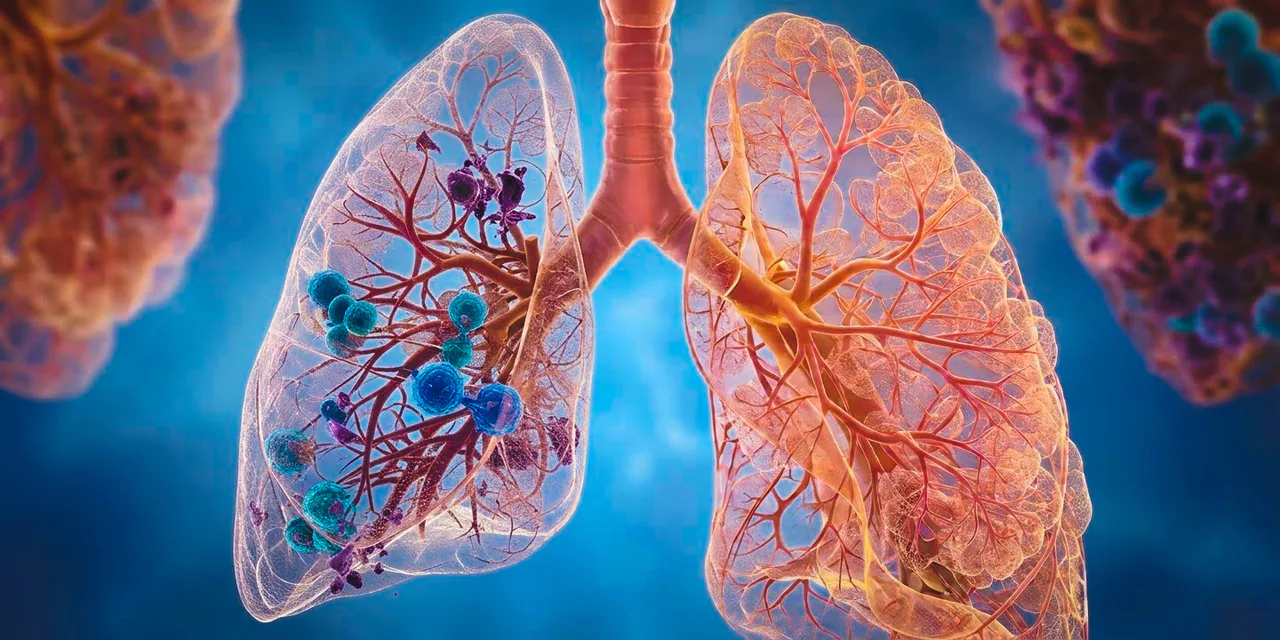
Lung Immunity and Cell Death
Jeridi Lab
Our research has identified ferroptosis, a regulated form of cell death, as a key mechanism in COPD. We are now investigating how ferroptosis is linked to immune responses and contributes to lung inflammation and tissue damage.
By translating these discoveries into clinical practice, we aim to improve early diagnosis, patient stratification, and precision medicine approaches for COPD and lung transplantation-related injury.
How and why do cells die?
The lung is constantly exposed to environmental challenges, including pathogens, airborne particles, and pollutants. To maintain healthy lung function, the immune system must work in close coordination with the cells that line the airways and alveoli (epithelial cells) and the blood vessels (endothelial cells).
When this delicate balance is disrupted, excessive inflammation and cellular damage can contribute to lung disease. Cell death is an essential biological process that helps maintain tissue health, but dysregulated cell death can impair the lung's protective barriers and amplify inflammatory responses.
One particularly important form of regulated cell death is ferroptosis, an iron-dependent process driven by lipid peroxidation. Ferroptosis is increasingly recognized as a potential contributor to lung injury and chronic lung diseases. However, the mechanisms connecting ferroptosis, lung cells, and immune responses remain incompletely understood.
Understanding the interplay between immunity and cell death
We hypothesize that the interaction between immune cells and lung epithelial and endothelial cells plays a critical role in regulating cell death and shaping the outcome of lung inflammation and tissue injury.
Our research aims to uncover the molecular and cellular mechanisms that control these interactions, with a particular focus on ferroptosis. We investigate how immune responses influence the susceptibility of lung cells to ferroptosis, how dying cells affect immune cell activation, and how these reciprocal signals contribute to inflammation and tissue damage.
By combining mechanistic investigations with disease-relevant models, we seek to identify the key pathways and cellular interactions that determine whether these processes promote tissue protection or drive disease progression.
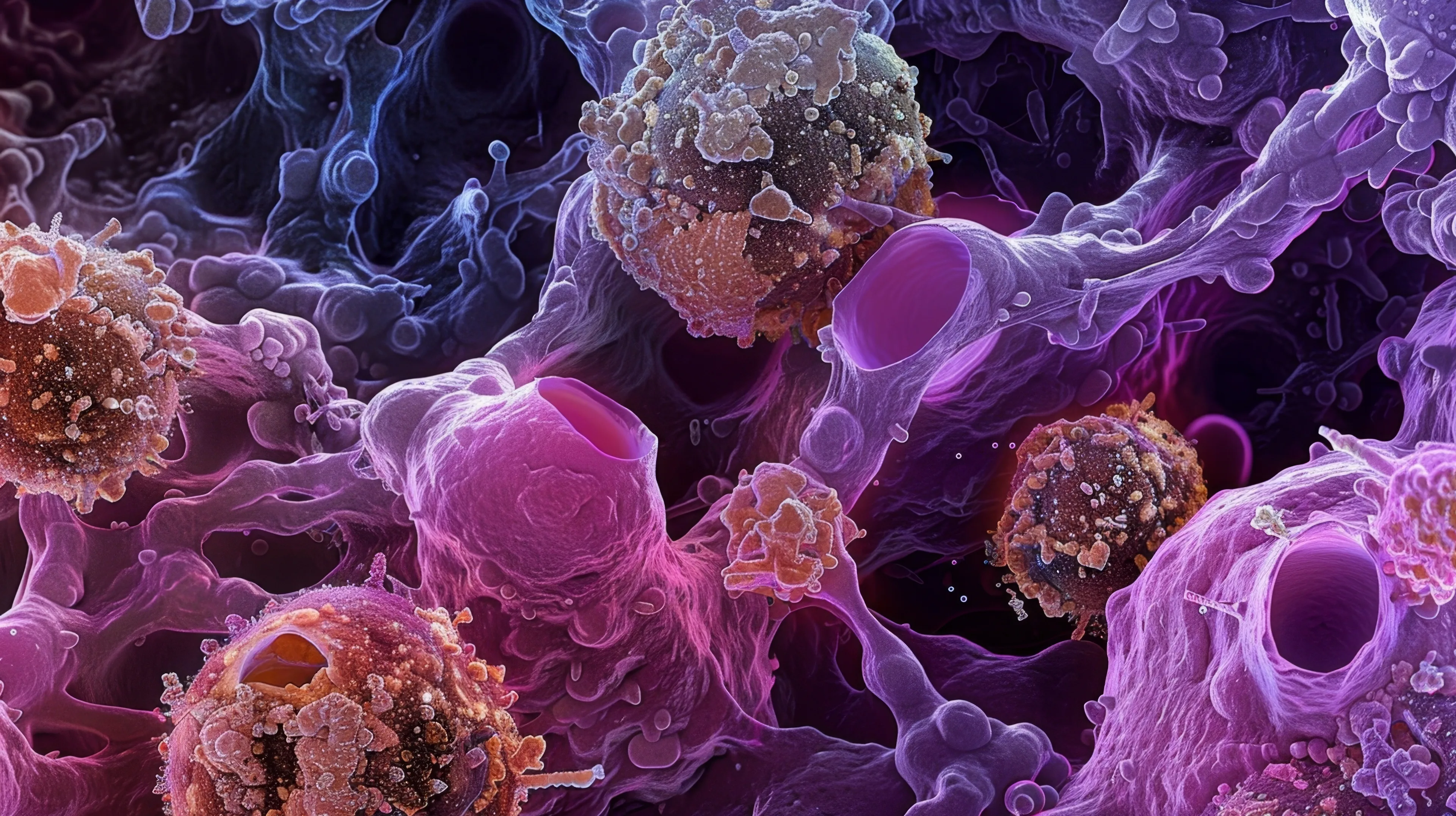
Our goal: From mechanistic insights to early detection and targeted therapies
Our research has revealed ferroptosis as a key event in COPD, highlighting a previously underappreciated mechanism contributing to lung disease. Building on this discovery, we aim to understand how ferroptosis interacts with immune responses and how these processes drive lung inflammation and tissue damage.
By uncovering the molecular mechanisms that regulate ferroptosis in lung epithelial and endothelial cells, we seek to identify new therapeutic targets that could protect lung tissue and limit disease progression.
An important goal is to identify novel biomarkers and ferroptotic signatures in patients at the earliest possible stage. These signatures could enable early detection of ferroptosis-associated changes, help identify patients at risk of disease progression, and support timely, targeted therapeutic intervention.
Ultimately, we aim to translate our findings into new strategies for early diagnosis, patient stratification, and precision medicine in COPD and lung transplantation-related injury.
picture: healthy alveoli (left) and alveoli with copd (right)


Contact