
Interview
Where Immunology Meets Metabolism
In the interview, Prof. Carolin Daniel, Director of the newly established Institute for Metabolism and Immunology (IMI), explains how she strives to cultivate an environment that promotes curiosity-driven research while ensuring a clear focus on translational impact and long-term patient benefit. The Institute for Metabolism and Immunology emerged from the independent research unit “Type 1 Diabetes Immunology (TDI)” led by Carolin Daniel.
In the interview, Prof. Carolin Daniel, Director of the newly established Institute for Metabolism and Immunology (IMI), explains how she strives to cultivate an environment that promotes curiosity-driven research while ensuring a clear focus on translational impact and long-term patient benefit. The Institute for Metabolism and Immunology emerged from the independent research unit “Type 1 Diabetes Immunology (TDI)” led by Carolin Daniel.
What do you find most fascinating about your role as Director of the Institute for Metabolism and Immunology?
CD: I’m most inspired by the opportunity, alongside my team, to create a perfectly fitting home for our research, which has significantly evolved over the past years. The highly relevant connection between metabolism and immunology has become increasingly clear not only in our work but in the field in general. Therefore, bringing these research areas together under one institutional roof creates tremendous potential. I’m truly motivated by building an environment that fosters curiosity-driven research while maintaining a strong focus on translation and long-term impact for patients.
What are your research goals for the institute?
Regulatory T cells:
How the Immune System Stays in Balance
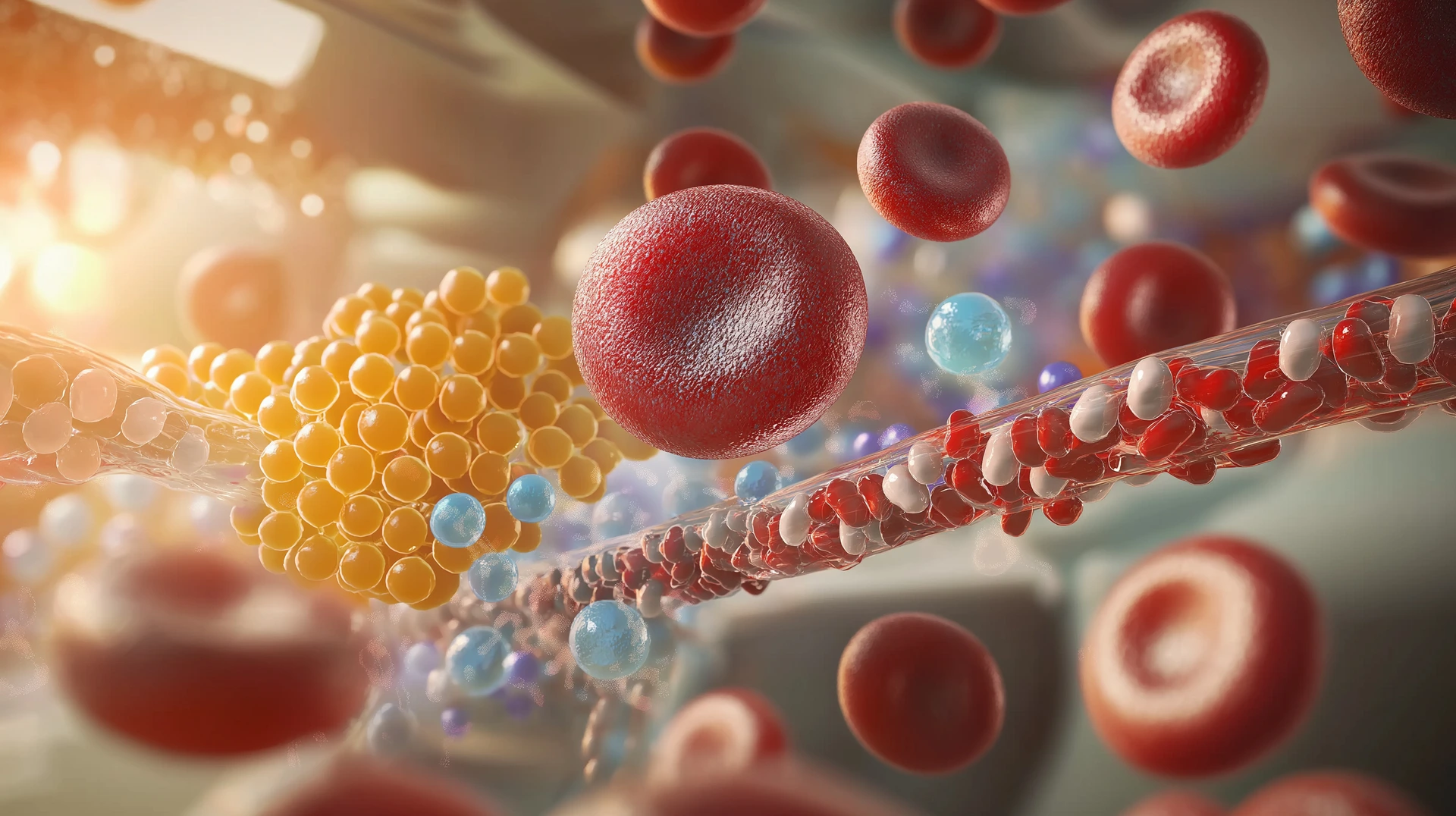
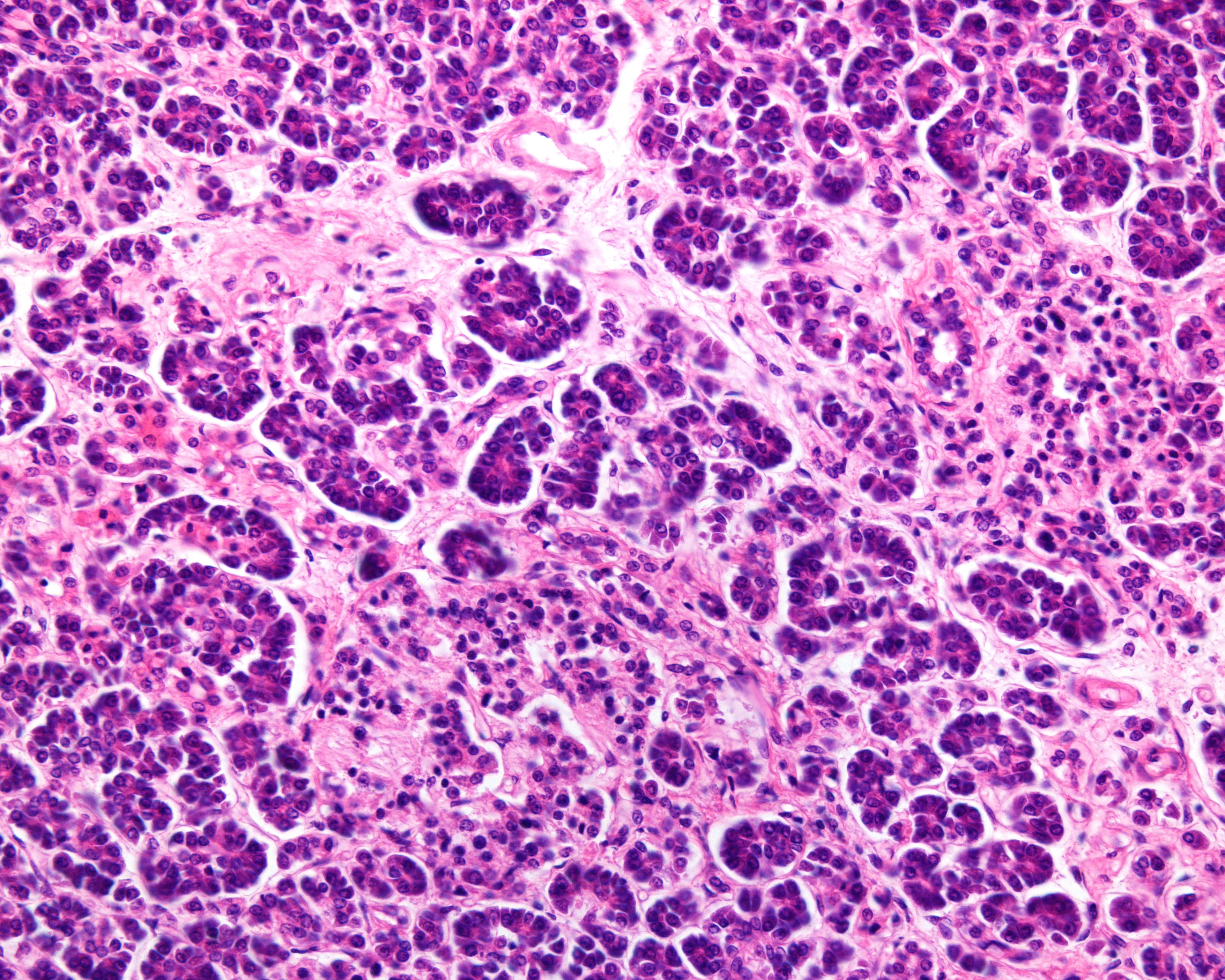
Regulatory T cells (Tregs) play a central role in keeping the immune system in balance and preventing it from attacking the body. When Tregs are lacking or impaired, autoimmune and metabolic diseases can develop and worsen. Studies of Treg activity in patients and experimental models have revealed key defects that drive the onset and progression of autoimmunity.
Which moments in your career stand out the most to you?
CD: There have been many highlights, including leading my first independent research group and attaining my professorship. But for me, shared moments of discovery are always the most special, particularly when results challenge established assumptions. Some of the most surprising and rewarding findings came from persistent work on questions that initially seemed too complex to be adequately captured in model systems, including rare human antigen-specific T cell responses, reminding me how important perseverance and openness are in science. For example, one night, while looking at flow cytometry results with my PhD student, we finally saw the cells we had been searching for over the past couple of years. Moments like that make everything feel real and remind us why science is worth doing.
What is your style of leading a team and an institute?
CD: My leadership style is based on trust, openness, and recognizing individual strengths. I see leadership not as directing people, but as creating an environment in which individuals can grow, develop, and contribute in their own way. Empathy and flexibility are essential, as there is no single path to scientific discovery or a successful scientific career. I strongly believe that scientific excellence emerges when people feel valued, supported, and encouraged to be themselves. As an institute director, my role is to provide a framework that enables my team members to thrive independently while being connected through shared goals and values. Ultimately, I see leadership as a service to the team, to diversity, and to science. It is perfectly reflected in my favorite Ubuntu quote – I am because we are.
Was there a defining moment in your scientific career that shaped you?
What fascinates you about your research?
CD: What fascinates me most is the extraordinary complexity and adaptability of the immune system and its still underestimated connection with metabolism. Even after many years in the field, I am constantly surprised by how much there is still to learn and discover, which makes this field both intellectually challenging and deeply rewarding. What truly motivates me is the vision of translating our research insights into meaningful advances for patients. This combination of fundamental curiosity, unexpected discovery, and real-world relevance continues to excite me about my research every day.
What inspired you to join Helmholtz Munich?
CD: Helmholtz Munich offers a unique environment that combines excellent basic research with a strong translational mission, which was a key motivation for me to join. Its interdisciplinary structure, outstanding infrastructure, and long-term strategic perspective make it an ideal place to address complex biomedical questions, such as the interplay between the immune system and metabolism and its role in disease. What I find particularly characteristic is the openness to collaboration across disciplines, which enables innovative approaches and accelerates the translation of scientific insights into real-world impact.
What are the biggest challenges, and why is it still worth it every day?
CD: Science is demanding, and leading a team of passionate scientists adds additional layers of responsibility. Balancing scientific ambition with administrative tasks and long-term strategy can be challenging. At the same time, the opportunity to work with highly motivated people, to see ideas develop, and to contribute to knowledge that may ultimately benefit patients makes it worthwhile every day.
“Curiosity, perseverance, and a willingness to embrace uncertainty define the life of a scientist.”
Prof. Carolin Daniel
In your view, what defines the life of a scientist?
CD: Curiosity, perseverance, and a willingness to embrace uncertainty. A scientific career is not linear, it involves setbacks as well as magic moments of discovery. What defines it is the continuous desire to ask questions and the willingness to contribute to something larger than oneself.
Where do you draw your energy from outside of work?
CD: Spending time with my family, being outdoors, and finding moments of quiet reflection are very important to me. Living close to Lake Starnberg, I especially value running and swimming as ways to clear my mind and recharge. These moments in nature, at the lake or in the mountains, help me maintain perspective and balance.
Tell a secret about yourself?
CD: Despite working in a highly structured scientific environment, some of my best ideas come during unstructured moments, for example, while walking or even in the middle of the night.
More About Prof. Carolin Daniel
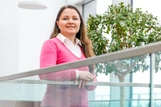
Prof. Carolin Daniel is Director of the Institute for Metabolism and Immunology at Helmholtz Munich and Professor of Immun Modulation at the Ludwig-Maximilians-Universität Munich, Institut of Clinical Pharmacology.
Latest update: February 2026.