Blüher Lab
Bioinformatics Core Unit
The Bioinformatics Core Unit (BCU) at HI-MAG rovides computational infrastructure, training and advanced bioinformatics support for obesity and metabolic disease research. Acting as both a service platform and a scientific partner, the BCU contributes to collaborative research projects, conducts methodological research, and helps translate complex biological data into meaningful biological and clinical insights.
The BCU's expertise encompasses the analysis of high-dimensional omics datasets, including transcriptomics (spatial, single-cell and bulk), epigenomics and multi-omics data integration. Advanced computational, statistical and machine learning approaches are developed and applied to support projects across the entire research lifecycle, from study design and data management to data analysis, visualization and reproducible workflows. Through consulting, training and collaborations with internal and external partners, the BCU fosters interdisciplinary research and data-driven biomedical discovery.
The Bioinformatics Core Unit (BCU) at HI-MAG rovides computational infrastructure, training and advanced bioinformatics support for obesity and metabolic disease research. Acting as both a service platform and a scientific partner, the BCU contributes to collaborative research projects, conducts methodological research, and helps translate complex biological data into meaningful biological and clinical insights.
The BCU's expertise encompasses the analysis of high-dimensional omics datasets, including transcriptomics (spatial, single-cell and bulk), epigenomics and multi-omics data integration. Advanced computational, statistical and machine learning approaches are developed and applied to support projects across the entire research lifecycle, from study design and data management to data analysis, visualization and reproducible workflows. Through consulting, training and collaborations with internal and external partners, the BCU fosters interdisciplinary research and data-driven biomedical discovery.
Our Research
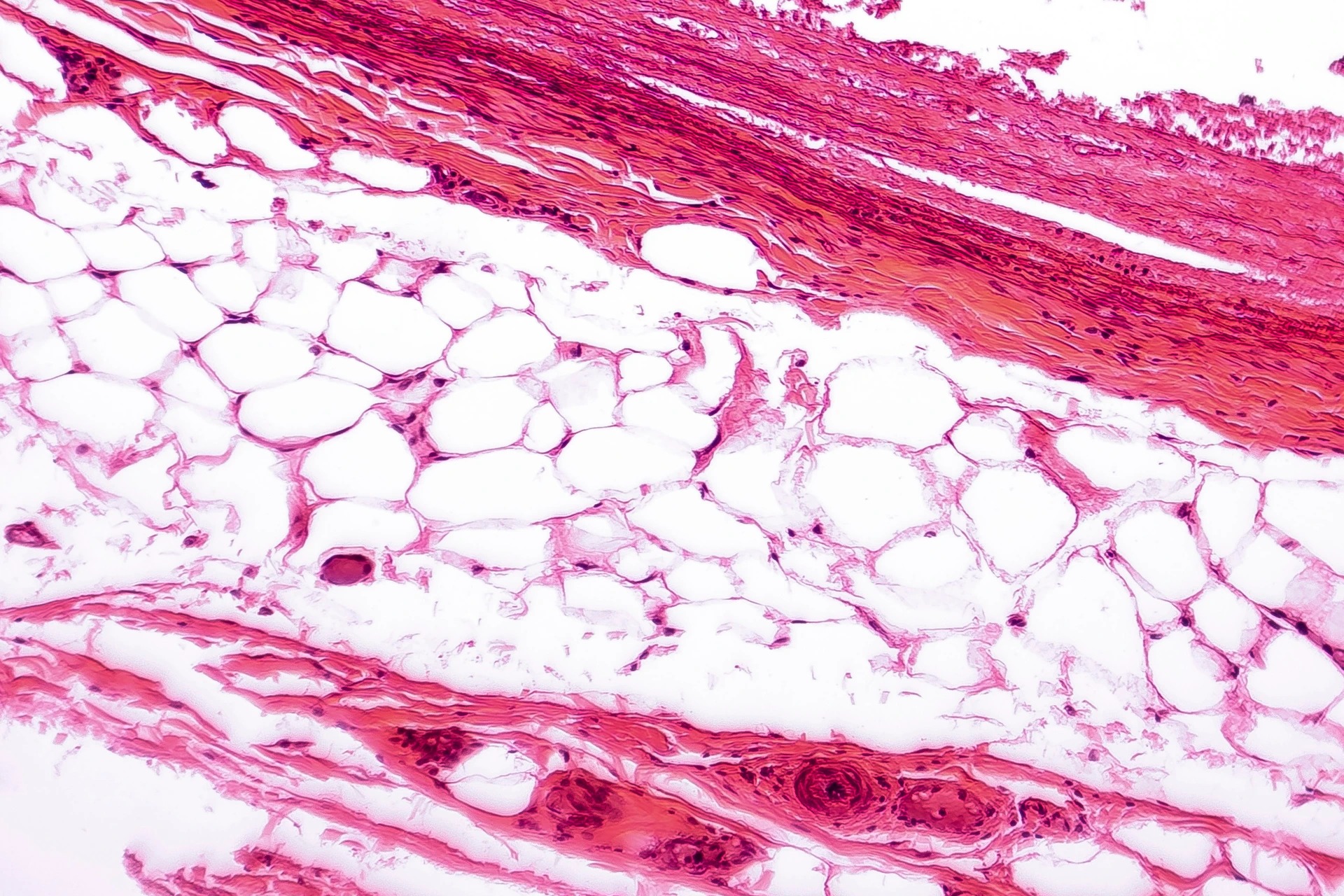
Characterization of Deep and Superficial Subcutaneous Adipose Tissue
It is established that deep and superficial subcutaneous adipose tissue (SAT) exhibit distinct structural and functional properties. Deep SAT is characterized by higher expression of proinflammatory, lipogenic, and lipolytic genes compared to superficial SAT, and is more strongly associated with visceral fat mass and systemic insulin resistance. To further dissect these differences, we apply bulk and spatial transcriptomics to characterize depot-specific cellular composition and organization, and to determine their contributions to metabolic health and obesity-related complications.

Understanding Heterogeneity in Obesity by Machine-Learning-Based Patient Clustering
Obesity is a complex and heterogeneous disease characterized by chronic inflammation, metabolic dysfunction, and increased mortality risk. Current definitions based primarily on body mass index fail to capture the diversity of obesity phenotypes and the varying susceptibility of individuals to metabolic complications. This project aims to apply machine-learning approaches to identify non-obvious obesity subtypes using clinical, genetic, and other biomarker data. A deeper understanding of obesity heterogeneity may enable the identification of distinct patient groups with different health trajectories and risks of developing comorbidities. Characterizing subtype-specific risk factors and metabolic profiles could support the development of more personalized and effective interventions, ultimately improving long-term treatment adherence and outcomes. Furthermore, accurate subtype prediction may facilitate the discovery of novel biomarkers and provide new insights into the biological mechanisms underlying obesity.
Bioinformatics Expertise and Support
Research Database Management
Research Database Management

The BCU develops, maintains and manages research databases supporting obesity and metabolic disease research at HI-MAG. This includes the Leipzig Obesity Biobank (LOBB) as well as project-specific databases for clinical and translational studies. Work focuses on robust database design, secure data storage, integration of heterogeneous clinical and molecular datasets, and compliance with ethical and regulatory standards to ensure high-quality and reliable research data throughout the project lifecycle.
Transcriptomics
Transcriptomics

Transcriptomic analyses span bulk RNA sequencing, single-cell RNA sequencing and spatial transcriptomics, enabling the investigation of molecular programs, cellular heterogeneity and tissue organization in obesity, metabolic diseases and related disorders.
Analytical expertise includes differential expression and pathway analysis, cell type and cell state characterization, trajectory inference, cell-cell communication analysis, gene regulatory network modeling and the integration of transcriptomic datasets across biological scales. The BCU also contributes to methodological developments and collaborative research projects in emerging areas of transcriptomics.
Selected Publications
Röhrborn K et. al., Salivary extracellular vesicle-derived microRNAs are related to variances in parameters of obesity, taste and eating behaviour, Molecular Metabolism Vol. 102, 2025. - Link to publication
- Hagemann T et al., Human adipose tissue gene expression signatures indicate an inflammatory response and retinoic receptor activation under persistent organic pollutants exposure, Environmental Advances Vol 21, 2025. - Link to publication
- Beck F et. al., CD4+CD8αlow T Cell clonal cxpansion dependent on costimulation in patients with rheumatoid arthritis, Arthritis & Rheumatogology Vol. 76, 2024. - Link to publication
- Sorek G et al., sNucConv: A bulk RNA-seq deconvolution method trained on single-nucleus RNA-seq data to estimate cell-type composition of human adipose tissues, iScience Vol. 27, 2024. - Link to publication
Epigenomics and Genomics
Epigenomics and Genomics

The BCU's expertise encompasses the analysis and integration of genomic and epigenomic datasets, including whole-genome and reduced representation bisulfite sequencing, ChIP-seq and ATAC-seq. Analytical approaches range from the characterization of epigenetic regulation and chromatin organization to the analysis of genetic variation, genome-wide association studies (GWAS), quantitative trait locus (QTL) analyses and the integration of genomic and epigenomic data with other omics modalities.
Selected publications:
- Hinte LC et. al., Adipose tissue retains an epigenetic memory of obesity after weight loss, Nature Vol. 636, 2024. - Link to publication
Müller L et. at., Blood methylation pattern reflects epigenetic remodeling in adipose tissue after bariatric surgery, EBioMedicine vol. 106 2024.- Link to publication
- Hoffmann A et. al., A polyphenol-rich green Mediterranean diet enhances epigenetic regulatory potential: the DIRECT PLUS randomized controlled trial, Metabolism Vol. 145, 2023. - Link to publication
Multi-Omics Data Integration and Analysis
Multi-Omics Data Integration and Analysis

Multi-omics integration combines different omics layers, including transcriptomic, epigenomic, proteomic and metabolomic data, to provide a comprehensive view of biological systems and disease mechanisms. This integration poses substantial computational and statistical challenges, including batch effects, heterogeneous data structures and complex cross-modal relationships. The BCU develops and applies robust analytical strategies to address these challenges and extract biologically meaningful signals from high-dimensional datasets.
Selected Publications:
Reinisch I et. al., Unveiling adipose populations linked to metabolic health in obesity, Cell Metabolism Vol. 37, 2025 - Link to publication
Hagemann T et. al., Diet and temperature interactively impact brown adipose tissue gene regulation controlled by DNA methylation, Molecular Metabolism Vol. 104, 2025. - Link to publication
Reinisch I et. al., Adipocyte p53 coordinates the response to intermittent fasting by regulating adipose tissue immune cell landscape, Nature Communications 15, 2024. - Link to publication
Machine Learning in Biomedical Data Analysis
Machine Learning in Biomedical Data Analysis

The BCU applies machine learning approaches to analyze complex, high-dimensional biomedical datasets and identify predictive patterns, molecular signatures and biologically relevant features beyond traditional statistical methods. These approaches are used for data integration, biomarker discovery and the modeling of molecular and clinical phenotypes in obesity and metabolic disease research.
Courses and Trainings
Courses and Trainings

The BCU provides training and education in bioinformatics, computational biology and data science for all HI-MAG researchers to equip them with the skills needed to analyze, interpret and manage complex high-dimensional biological data.
HI-MAG researchers can refer to the HI-MAG intranet for more information.
Lead Researchers