T1D is an autoimmune disease in which the immune system destroys insulin-producing beta cells. However, the precise triggers are not yet fully understood. Two newly funded projects at Helmholtz Munich address this challenge: using a multi-omics approach, the team led by Teresa Rodriguez-Calvo at the Institute of Diabetes Research aims to identify disease-relevant signatures in the pancreas and the gut. Thereby, the researchers want to uncover new targets for prevention, diagnosis, and therapy of T1D. The support from Breakthrough T1D highlights the international significance of this work, which is done in close collaboration with the Network for Pancreatic Organ Donors with Diabetes (nPOD).
New Perspectives Through Multi-Organ and Multi-Omics Analyses
The incidence of T1D is rising worldwide, with more than half of new diagnoses occurring in adulthood. While most research focuses on the development of the autoimmune disease in children, disease progression in adults remains less understood. In addition, organs functionally connected to the pancreas such as the intestine may also be involved in the autoimmune process, which remains to be explored.
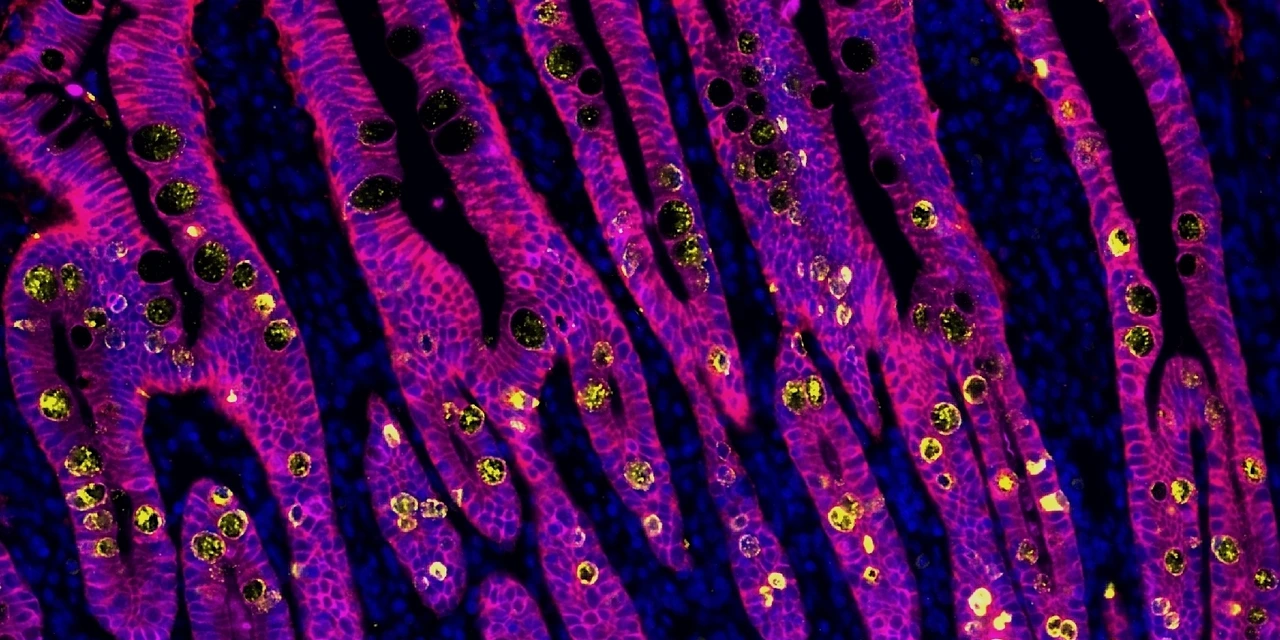
Teresa Rodriguez-Calvo’s team is investigating which immune cells, inflammatory processes, and molecular signaling pathways are active in the pancreas and duodenum in T1D. The aim is to identify disease signatures that distinguish childhood- and adult-onset T1D and may reveal new targets for personalized immunomodulatory therapies. Spatially resolved analyses will further show how relevant cell types are distributed and interact along the gut–pancreas axis.
Granins – Key Proteins for Early Detection and Monitoring of T1D
The second funded project focuses directly on beta cells. Essential for their insulin production are granins (chromogranins and secretogranins), a cellular component supporting insulin granule formation, maturation and secretion. The researchers will examine how granins differ in pancreases without T1D, those that are autoantibody positive, and those that have been clinically diagnosed with T1D, how beta and alpha cells respond under cellular stress, and whether these changes can be detected in the blood as early biomarkers.
“These projects let us explore type 1 diabetes from multiple angles, spanning the insulin-producing beta cell to inter-organ communication, to uncover patterns that could lead to improved diagnostics and more personalized treatments in the future,” says Teresa Rodriguez-Calvo.