
Stem Cell Center
Institute of Stem Cell Research
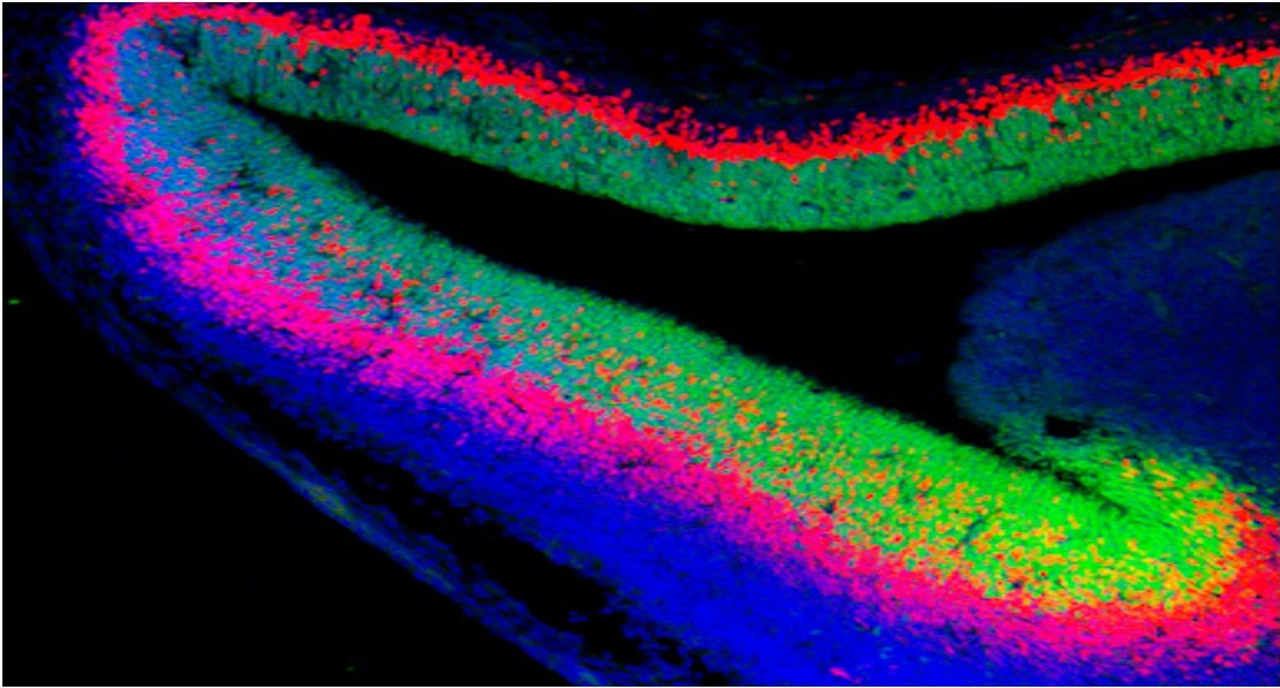
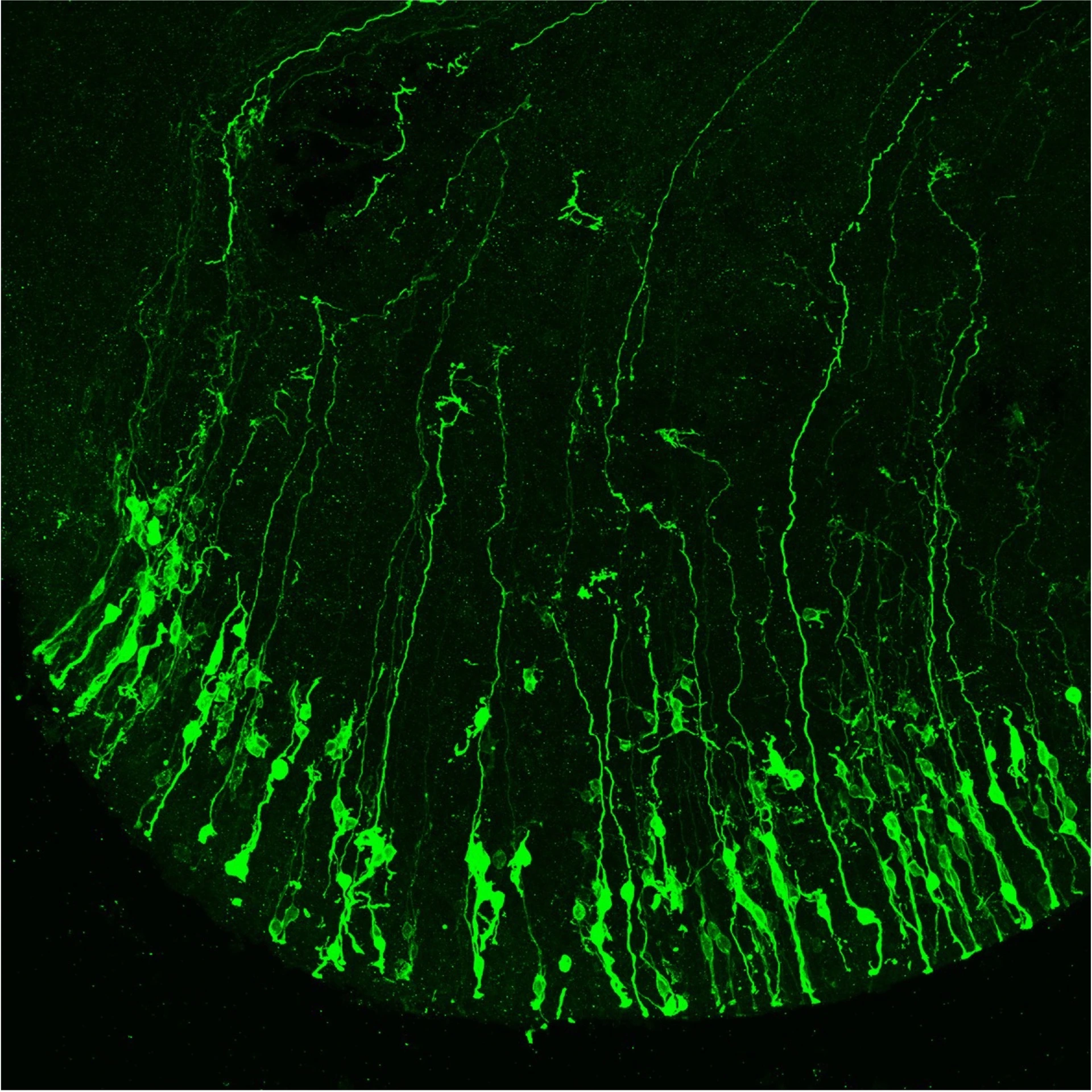
The Institute of Stem Cell Research (ISF) investigates the basic molecular and cellular mechanisms for stem cell maintenance and stem cell differentiation (Camargo et al., Nature, 2019, O'Neill et al., Science, 2022). On this basis, the ISF develops approaches for the replacement of degenerated cell types, either by activation of endogenous stem cells or by re-programming other endogenous cells for repair (Russo et al., Cell Stem Cell, 2021, Sonsala et al., Neuron, 2024, Pereira et al., Nature Neuroscience, 2024).
The Institute of Stem Cell Research (ISF) investigates the basic molecular and cellular mechanisms for stem cell maintenance and stem cell differentiation (Camargo et al., Nature, 2019, O'Neill et al., Science, 2022). On this basis, the ISF develops approaches for the replacement of degenerated cell types, either by activation of endogenous stem cells or by re-programming other endogenous cells for repair (Russo et al., Cell Stem Cell, 2021, Sonsala et al., Neuron, 2024, Pereira et al., Nature Neuroscience, 2024).
Research Groups





Deputy Director of the Institute of Stem Cell Research, Director of Operations Stem Cell Center

Scientific, Office and Administrative Project Manager

Scientific Manager


IT Specialist, Administration

Technical assistant

Technical asisstant

Post-doc

Post-doc

PhD Student

PhD Student

PhD Student

PhD Student
PhD Student
PhD Student
Contact
Our Publications
Filter
Wiesbeck, M. ; Alard, E. ; Merino, F.L. ; Chowdhury, N. ; Egert, L. ; Danese, A. ; Imhof, S. ; Borgia, M.I. ; Rajan, A. ; Marx, N.F. ; Kepesidis, E. ; Köferle, A. ; Cerron-Alvan, L.M. ; Vierl, F. ; Truong, T.-T. ; Thorwirth, M. ; Bilalli, L. ; Ninkovic, J. ; Schieweck, R. ; Diefenbacher, M. ; Hauck, S.M. ; Trainor, P.A. ; Mardakheh, F.K. ; Götz, M. ; Stricker, S.H.
Manipulation of protein translation and stem cell self-renewal by CRISPR activation of rRNA transcription.Li, Y. ; Krontira, A. ; Vierl, F. ; Richter, M. ; Wang, W. ; Merl-Pham, J. ; Theis, F.J. ; Hauck, S.M. ; Götz, M.
Transcriptional repression by TGIF2 coordinates neurogenic priming and neural stem cell maintenance.Distler, T. ; Daga, K.K. ; Bürkle, M. ; Vásquez-Sepúlveda, S. ; Franze, K. ; Götz, M. ; Masserdotti, G.
Fibrin hydrogels regulate human astrocyte state and neuronal reprogramming.Merino, F.L. ; Miranda, L. ; Kumar, A. ; Li, Y. ; Kumar Sundaramoorthy, D. ; Merl-Pham, J. ; Schentarra, E.M. ; Steinek, C. ; Pravata, V. ; Kittock, C. ; Bürkle, M. ; Hersbach, B.A. ; Ferri Beneito, J. ; Giesert, F. ; Jungmann, R. ; Pilaz, L.J. ; Hauck, S.M. ; Cappello, S. ; Götz, M.
Nuclear proteome reveals microtubule-associated protein regulating fate and disease.Bressan, C. ; Gengatharan, A. ; Rodriguez-Aller, R. ; Richter, M. ; Snapyan, M. ; Fischer-Sternjak, J. ; Roukerd, M.R. ; Rosin, N. ; Cherinet, A. ; Biernaskie, J. ; Habibi, E. ; Götz, M. ; Saghatelyan, A.
Cilia beating of ependymal cells regulates adult neural stem cell quiescence via mechanical forces mediated by PKD1/2-TRPM3.Hennes, M. ; Richter, M. ; Fischer-Sternjak, J. ; Götz, M.
Astrocyte diversity and subtypes: Aligning transcriptomics with multimodal perspectives.Martinez-Reza, M.F. ; Götz, M.
Wrap it up: Myelination of transplanted neurons for repair.Merino, F.L. ; Götz, M.
The role of moonlighting proteins in neurogenesis.Maddhesiya, P. ; Lepko, T. ; Steiner‑Mezzardi, A. ; Schneider, J. ; Schwarz, V. ; Merl-Pham, J. ; Berger, F. ; Hauck, S.M. ; Ronfani, L. ; Bianchi, M.E. ; Simon, T. ; Krontira, A. ; Masserdotti, G. ; Götz, M. ; Ninkovic, J.
Hmgb2 improves astrocyte to neuron conversion by increasing the chromatin accessibility of genes associated with neuronal maturation in a proneuronal factor-dependent manner.Götz, M. ; Torres-Padilla, M.E.
Stem cells as role models for reprogramming and repair.Bocchi, R. ; Thorwirth, M. ; Simon-Ebert, T. ; Koupourtidou, C. ; Clavreul, S. ; Kolf, K. ; Della Vecchia, P. ; Bottes, S. ; Jessberger, S. ; Zhou, J. ; Wani, G. ; Pilz, G.A. ; Ninkovic, J. ; Buffo, A. ; Sirko, S. ; Götz, M. ; Fischer-Sternjak, J.
Astrocyte heterogeneity reveals region-specific astrogenesis in the white matter.Natarajan, P. ; Koupourtidou, C. ; de Resseguier, T. ; Thorwirth, M. ; Bocchi, R. ; Fischer-Sternjak, J. ; Gleiss, S. ; Rodrigues, D. ; Myoga, M.H. ; Ninkovic, J. ; Masserdotti, G. ; Götz, M.
Single cell deletion of the transcription factors Trps1 and Sox9 in astrocytes reveals novel functions in the adult cerebral cortex.Puglisi, M. ; Lao, C.L. ; Wani, G. ; Masserdotti, G. ; Bocchi, R. ; Götz, M.
Comparing viral vectors and fate mapping approaches for astrocyte-to-neuron reprogramming in the injured mouse cerebral cortex.Pereira, A. ; Diwakar, S.J. ; Masserdotti, G. ; Beşkardeş, S. ; Simon, T. ; So, Y. ; Martín-Loarte, L. ; Bergemann, F. ; Vasan, L. ; Schauer, T. ; Danese, A. ; Bocchi, R. ; Colomé-Tatché, M. ; Schuurmans, C. ; Philpott, A. ; Straub, T. ; Bonev, B. ; Götz, M.
Direct neuronal reprogramming of mouse astrocytes is associated with multiscale epigenome remodeling and requires Yy1.Berndt, C. ; Alborzinia, H. ; Amen, V.S. ; Ayton, S. ; Barayeu, U. ; Bartelt, A. ; Bayir, H. ; Bebber, C.M. ; Birsoy, K. ; Böttcher, J.P. ; Brabletz, S. ; Brabletz, T. ; Brown, A.R. ; Brüne, B. ; Bulli, G. ; Bruneau, A. ; Chen, Q. ; DeNicola, G.M. ; Dick, T.P. ; Distéfano, A. ; Dixon, S.J. ; Engler, J.B. ; Esser-von Bieren, J. ; Fedorova, M. ; Friedmann Angeli, J.P. ; Friese, M.A. ; Fuhrmann, D.C. ; García-Sáez, A.J. ; Garbowicz, K. ; Götz, M. ; Gu, W. ; Hammerich, L. ; Hassannia, B. ; Jiang, X. ; Jeridi, A. ; Kang, Y.P. ; Kagan, V.E. ; Konrad, D.B. ; Kotschi, S. ; Lei, P. ; Le Tertre, M. ; Lev, S. ; Liang, D. ; Linkermann, A. ; Lohr, C. ; Lorenz, S. ; Luedde, T. ; Methner, A. ; Michalke, B. ; Milton, A.V. ; Min, J. ; Mishima, E. ; Müller, S. ; Motohashi, H. ; Muckenthaler, M.U. ; Murakami, S. ; Olzmann, J.A. ; Pagnussat, G.C. ; Pan, Z. ; Papagiannakopoulos, T. ; Pedrera Puentes, L. ; Pratt, D.A. ; Proneth, B. ; Ramsauer, L. ; Rodriguez, R. ; Saito, Y. ; Schmidt, F. ; Schmitt, C. ; Schulze, A. ; Schwab, A. ; Schwantes, A. ; Soula, M. ; Spitzlberger, B. ; Stockwell, B.R. ; Thewes, L. ; Thorn-Seshold, O. ; Toyokuni, S. ; Tonnus, W. ; Trumpp, A. ; Vandenabeele, P. ; Vanden Berghe, T. ; Venkataramani, V. ; Vogel, F.C.E. ; von Karstedt, S. ; Wang, F. ; Westermann, F. ; Wientjens, C. ; Wilhelm, C. ; Wölk, M. ; Wu, K. ; Yang, X. ; Yu, F. ; Zou, Y. ; Conrad, M.
Ferroptosis in health and disease.Del-Valle-Anton, L. ; Amin, S.A. ; Cimino, D. ; Neuhaus, F. ; Dvoretskova, E. ; Fernandez, V. ; Babal, Y.K. ; Garcia-Frigola, C. ; Prieto-Colomina, A. ; Murcia-Ramón, R. ; Nomura, Y. ; Cárdenas, A. ; Feng, C. ; Moreno-Bravo, J.A. ; Götz, M. ; Mayer, C. ; Borrell, V.
Multiple parallel cell lineages in the developing mammalian cerebral cortex.Koupourtidou, C. ; Schwarz, V. ; Aliee, H. ; Frerich, S. ; Fischer-Sternjak, J. ; Bocchi, R. ; Simon-Ebert, T. ; Bai, X. ; Sirko, S. ; Kirchhoff, F. ; Dichgans, M. ; Götz, M. ; Theis, F.J. ; Ninkovic, J.
Shared inflammatory glial cell signature after stab wound injury, revealed by spatial, temporal, and cell-type-specific profiling of the murine cerebral cortex.Schieweck, R. ; Götz, M.
Pan-cellular organelles and suborganelles-from common functions to cellular diversity?Sonsalla, G. ; Malpartida, A.B. ; Riedemann, T. ; Gusic, M. ; Rusha, E. ; Bulli, G. ; Najas, S. ; Janjic, A. ; Hersbach, B.A. ; Smialowski, P. ; Drukker, M. ; Enard, W. ; Prehn, J.H.M. ; Prokisch, H. ; Götz, M. ; Masserdotti, G.
Direct neuronal reprogramming of NDUFS4 patient cells identifies the unfolded protein response as a novel general reprogramming hurdle.Popper, B. ; Bürkle, M. ; Ciccopiedi, G. ; Marchioretto, M. ; Forné, I. ; Imhof, A. ; Straub, T. ; Viero, G. ; Götz, M. ; Schieweck, R.
Ribosome inactivation regulates translation elongation in neurons.Götz, M. ; Sirko, S.
Injury-specific signals elicit plasticity in glial cells from patients with brain injury.Sirko, S. ; Schichor, C. ; Della Vecchia, P. ; Metzger, F. ; Sonsalla, G. ; Simon, T. ; Bürkle, M. ; Kalpazidou, S. ; Ninkovic, J. ; Masserdotti, G. ; Sauniere, J.F. ; Iacobelli, V. ; Iacobelli, S. ; Delbridge, C. ; Hauck, S.M. ; Tonn, J.C. ; Götz, M.
Injury-specific factors in the cerebrospinal fluid regulate astrocyte plasticity in the human brain.Kliesmete, Z. ; Wange, L.E. ; Vieth, B. ; Esgleas Izquierdo, M. ; Radmer, J. ; Hülsmann, M. ; Geuder, J. ; Richter, D. ; Ohnuki, M. ; Götz, M. ; Hellmann, I. ; Enard, W.
Regulatory and coding sequences of TRNP1 co-evolve with brain size and cortical folding in mammals.Vinopal, S. ; Dupraz, S. ; Alfadil, E. ; Pietralla, T. ; Bendre, S. ; Stiess, M. ; Falk, S. ; Camargo Ortega, G. ; Maghelli, N. ; Tolić, I.M. ; Smejkal, J. ; Götz, M. ; Bradke, F.
Centrosomal microtubule nucleation regulates radial migration of projection neurons independently of polarization in the developing brain.Rehman, R. ; Miller, M. ; Krishnamurthy, S.S. ; Kjell, J. ; Elsayed, L. ; Hauck, S.M. ; olde Heuvel, F. ; Conquest, A. ; Chandrasekar, A. ; Ludolph, A. ; Boeckers, T. ; Mulaw, M.A. ; Götz, M. ; Morganti-Kossmann, M.C. ; Takeoka, A. ; Roselli, F.
Met/HGFR triggers detrimental reactive microglia in TBI.Hersbach, B.A. ; Fischer, D.S. ; Masserdotti, G. ; Deeksha ; Mojžišová, K. ; Waltzhöni, T. ; Rodriguez-Terro, D. ; Heinig, M. ; Theis, F.J. ; Götz, M. ; Stricker, S.H.
Probing cell identity hierarchies by fate titration and collision during direct reprogramming.O'Neill, A.C. ; Uzbas, F. ; Antognolli, G. ; Merino, F.L. ; Draganova, K. ; Jäck, A. ; Zhang, S. ; Pedini, G. ; Schessner, J.P. ; Cramer, K. ; Schepers, A. ; Metzger, F. ; Esgleas Izquierdo, M. ; Smialowski, P. ; Guerrini, R. ; Falk, S. ; Feederle, R. ; Freytag, S. ; Wang, Z. ; Bahlo, M. ; Jungmann, R. ; Bagni, C. ; Borner, G.H.H. ; Robertson, S.P. ; Hauck, S.M. ; Götz, M.
Spatial centrosome proteome of human neural cells uncovers disease-relevant heterogeneity.Thomas, J. ; Martinez-Reza, M.F. ; Thorwirth, M. ; Zarb, Y. ; Conzelmann, K.K. ; Hauck, S.M. ; Grade, S. ; Götz, M.
Excessive local host-graft connectivity in aging and amyloid-loaded brain.Grade, S. ; Thomas, J. ; Zarb, Y. ; Thorwirth, M. ; Conzelmann, K.K. ; Hauck, S.M. ; Götz, M.
Brain injury environment critically influences the connectivity of transplanted neurons.Camargo Ortega, G. ; Götz, M.
Centrosome heterogeneity in stem cells regulates cell diversity.Sanchez-Gonzalez, R. ; Koupourtidou, C. ; Lepko, T. ; Zambusi, A. ; Novoselc, K.T. ; Durovic, T. ; Aschenbroich, S. ; Schwarz, V. ; Breunig, C. ; Straka, H. ; Huttner, H.B. ; Irmler, M. ; Beckers, J. ; Wurst, W. ; Zwergal, A. ; Schauer, T. ; Straub, T. ; Czopka, T. ; Trümbach, D. ; Götz, M. ; Stricker, S.H. ; Ninkovic, J.
Innate immune pathways promote oligodendrocyte progenitor cell recruitment to the injury site in adult Zebrafish brain.Giehrl-Schwab, J. ; Giesert, F. ; Rauser, B. ; Lao, C.L. ; Hembach, S. ; Lefort, S. ; Ibarra Del Rio, I.A. ; Koupourtidou, C. ; Luecken, M. ; Truong, D.J.J. ; Fischer-Sternjak, J. ; Masserdotti, G. ; Prakash, N. ; Ninkovic, J. ; Hölter, S.M. ; Vogt Weisenhorn, D.M. ; Theis, F.J. ; Götz, M. ; Wurst, W.
Parkinson's disease motor symptoms rescue by CRISPRa-reprogramming astrocytes into GABAergic neurons.Bauer A. ; Puglisi, M. ; Nagl, D. ; Schick, J. ; Werner, T. ; Klingl, A. ; El Andari, J. ; Hornung, V. ; Kessler, H. ; Götz, M. ; Grimm, D. ; Brack-Werner, R.
Molecular signature of astrocytes for gene delivery by the synthetic adeno-associated viral vector rAAV9P1.Schaberg, E. ; Götz, M. ; Faissner, A.
The extracellular matrix molecule tenascin-C modulates cell cycle progression and motility of adult neural stem/progenitor cells from the subependymal zone.Bocchi, R. ; Masserdotti, G. ; Götz, M.
Direct neuronal reprogramming: Fast forward from new concepts toward therapeutic approaches.Natarajan, P. ; Masserdotti, G. ; Götz, M. ; Bocchi, R.
Unravelling the fate determinants of astrocytic identity and their impact in direct neuronal reprogramming.Senís, E. ; Esgleas Izquierdo, M. ; Najas, S. ; Jiménez-Sábado, V. ; Bertani, C. ; Giménez-Alejandre, M. ; Escriche, A. ; Ruiz-Orera, J. ; Hergueta-Redondo, M. ; Jimenez, M. ; Giralt, A. ; Nuciforo, P. ; Albà, M.M. ; Peinado, H. ; Del Toro, D. ; Hove-Madsen, L. ; Götz, M. ; Abad, M.
TUNAR lncRNA encodes a microprotein that regulates neural differentiation and neurite formation by modulating calcium dynamics.Friess, C. ; Götz, M. ; Kjell, J.
Cryo-section dissection of the adult subependymal zone for accurate and deep quantitative proteome analysis.Ohlig, S. ; Clavreul, S. ; Thorwirth, M. ; Simon-Ebert, T. ; Bocchi, R. ; Ulbricht, S. ; Kannayian, N. ; Rossner, M.J. ; Sirko, S. ; Smialowski, P. ; Fischer-Sternjak, J. ; Götz, M.
Molecular diversity of diencephalic astrocytes reveals adult astrogenesis regulated by Smad4.Vierl, F. ; Kaur, M. ; Götz, M.
Non-codon optimized PiggyBac transposase induces developmental brain aberrations: A call for in vivo analysis.Stricker, S.H. ; Berninger, B. ; Götz, M.
Editorial overview: Fluidity of cell fates - from reprogramming to repair.Kempf, J. ; Knelles, K. ; Hersbach, B.A. ; Petrik, D. ; Riedemann, T. ; Bednarova, V. ; Janjic, A. ; Simon-Ebert, T. ; Enard, W. ; Smialowski, P. ; Götz, M. ; Masserdotti, G.
Heterogeneity of neurons reprogrammed from spinal cord astrocytes by the proneural factors Ascl1 and Neurogenin2.Götz, M. ; Bocchi, R.
Neuronal replacement: Concepts, achievements, and call for caution.Escartin, C. ; Galea, E. ; Lakatos, A. ; O'Callaghan, J.P. ; Petzold, G.C. ; Serrano-Pozo, A. ; Steinhäuser, C. ; Volterra, A. ; Carmignoto, G. ; Agarwal, A. ; Allen, N.J. ; Araque, A. ; Barbeito, L. ; Barzilai, A. ; Bergles, D.E. ; Bonvento, G. ; Butt, A.M. ; Chen, W.T. ; Cohen-Salmon, M. ; Cunningham, C. ; Deneen, B. ; de Strooper, B. ; Díaz-Castro, B. ; Farina, C. ; Freeman, M. ; Gallo, V. ; Goldman, J.E. ; Goldman, S.A. ; Götz, M. ; Gutiérrez, A. ; Haydon, P.G. ; Heiland, D.H. ; Hol, E.M. ; Holt, M.G. ; Iino, M. ; Kastanenka, K.V. ; Kettenmann, H. ; Khakh, B.S. ; Koizumi, S. ; Lee, C.J. ; Liddelow, S.A. ; MacVicar, B.A. ; Magistretti, P. ; Messing, A. ; Mishra, A. ; Molofsky, A.V. ; Murai, K.K. ; Norris, C.M. ; Okada, S. ; Oliet, S.H.R. ; Oliveira, J.F. ; Panatier, A. ; Parpura, V. ; Pekna, M. ; Pekny, M. ; Pellerin, L. ; Perea, G. ; Pérez-Nievas, B.G. ; Pfrieger, F.W. ; Poskanzer, K.E. ; Quintana, F.J. ; Ransohoff, R.M. ; Riquelme-Perez, M. ; Robel, S. ; Rose, C.R. ; Rothstein, J.D. ; Rouach, N. ; Rowitch, D.H. ; Semyanov, A. ; Sirko, S. ; Sontheimer, H. ; Swanson, R.A. ; Vitorica, J. ; Wanner, I.B. ; Wood, L.B. ; Wu, J. ; Zheng, B. ; Zimmer, E.R. ; Zorec, R. ; Sofroniew, M.V. ; Verkhratsky, A.
Reactive astrocyte nomenclature, definitions, and future directions.Gengatharan, A. ; Malvaut, S. ; Marymonchyk, A. ; Ghareghani, M. ; Snapyan, M. ; Fischer-Sternjak, J. ; Ninkovic, J. ; Götz, M. ; Saghatelyan, A.
Adult neural stem cell activation in mice is regulated by the day/night cycle and intracellular calcium dynamics.Russo, G.L. ; Sonsalla, G. ; Natarajan, P. ; Breunig, C. ; Bulli, G. ; Merl-Pham, J. ; Schmitt, S. ; Giehrl-Schwab, J. ; Giesert, F. ; Jastroch, M. ; Zischka, H. ; Wurst, W. ; Stricker, S.H. ; Hauck, S.M. ; Masserdotti, G. ; Götz, M.
CRISPR-mediated induction of neuron-enriched mitochondrial proteins boosts direct glia-to-neuron conversion.Stricker, S.H. ; Götz, M.
Epigenetic regulation of neural lineage elaboration: Implications for therapeutic reprogramming.Lange Canhos, L. ; Chen, M. ; Falk, S. ; Popper, B. ; Straub, T. ; Götz, M. ; Sirko, S.
Repetitive injury and absence of monocytes promote astrocyte self-renewal and neurological recovery.Villalba, A. ; Götz, M. ; Borrell, V.
The regulation of cortical neurogenesis.Götz, S. ; Bribian, A. ; López-Mascaraque, L. ; Götz, M. ; Grothe, B. ; Kunz, L.
Heterogeneity of astrocytes: Electrophysiological properties of juxtavascular astrocytes before and after brain injury.Bocchi, R. ; Götz, M.
Neuronal reprogramming for brain repair: Challenges and perspectives.Esgleas Izquierdo, M. ; Falk, S. ; Forné, I. ; Thiry, M. ; Najas, S. ; Zhang, S. ; Mas-Sanchez, A. ; Geerlof, A. ; Niessing, D. ; Wang, Z. ; Imhof, A. ; Götz, M.
Trnp1 organizes diverse nuclear membrane-less compartments in neural stem cells.Zeggini, E. ; Baumann, M. ; Götz, M. ; Herzig, S. ; Hrabě de Angelis, M. ; Tschöp, M.H.
Biomedical research goes viral: Dangers and opportunities.Di Matteo, F. ; Pipicelli, F. ; Kyrousi, C. ; Tovecci, I. ; Penna, E. ; Crispino, M. ; Chambery, A. ; Russo, R. ; Ayo-Martin, A.C. ; Giordano, M. ; Hoffmann, A. ; Ciusani, E. ; Canafoglia, L. ; Götz, M. ; Di Giaimo, R. ; Cappello, S.
Cystatin B is essential for proliferation and interneuron migration in individuals with EPM1 epilepsy.Kjell, J. ; Götz, M.
Filling the gaps - A call for comprehensive analysis of extracellular matrix of the glial scar in region- and injury-specific contexts.Masserdotti, G. ; Götz, M.
Turning connective tissue into neurons for 10 years.Kjell, J. ; Fischer-Sternjak, J. ; Thompson, A.J. ; Friess, C. ; Sticco, M.J. ; Salinas, F. ; Cox, J. ; Martinelli, D.C. ; Ninkovic, J. ; Franze, K. ; Schiller, H. B. ; Götz, M.
Defining the adult neural stem cell niche proteome identifies key regulators of adult neurogenesis.Koupourtidou, C. ; Schwarz, V. ; Sanchez-Gonzalez, R. ; Breunig, C. ; Fischer, J. ; Sirko, S. ; Götz, M. ; Hauck, S.M. ; Stricker, S.H. ; Ninkovic, J.
Tlr2 and Cxcr3 pathways modulate scar formation after traumatic brain injury.Sirko, S. ; Schichor, C. ; Tonn, J.-. ; Götz, M.
Injury-induced plasticity of parenchymal astrocytes in the human cerebral cortex.Bres, E.E. ; Safina, D. ; Mueller, J. ; Esser, A. ; Yang, H. ; Bedner, P. ; Helluy, X. ; Jansen, S. ; Manahan-Vaughan, D. ; Steinhaeuser, C. ; Pietrzik, C.U. ; Götz, M. ; Faissner, A.
Lrp1 loss in radial glia and their progeny - astrocytic dysfunctions contribute to spontaneous epileptogenesis.Mattugini, N. ; Bocchi, R. ; Scheuss, V. ; Russo, G.L. ; Torper, O. ; Lao, C.L. ; Götz, M.
Inducing different neuronal subtypes from astrocytes in the injured mouse cerebral cortex.Lepko, T. ; Pusch, M. ; Müller, T. ; Schulte, D. ; Ehses, J. ; Kiebler, M. ; Hasler, J. ; Huttner, H.B. ; Vandenbroucke, R.E. ; Vandendriessche, C. ; Modic, M. ; Martin-Villalba, A. ; Zhao, S. ; LLorens-Bobadilla, E. ; Schneider, A. ; Fischer, A. ; Breunig, C. ; Stricker, S.H. ; Götz, M. ; Ninkovic, J.
Choroid plexus-derived miR-204 regulates the number of quiescent neural stem cells in the adult brain.Baumann, V. ; Wiesbeck, M. ; Breunig, C.T. ; Braun, J.M. ; Köferle, A. ; Ninkovic, J. ; Götz, M. ; Stricker, S.H.
Targeted removal of epigenetic barriers during transcriptional reprogramming.Klaus, J. ; Kanton, S. ; Kyrousi, C. ; Ayo-Martin, A.C. ; Di Giaimo, R. ; Riesenberg, S. ; O'Neill, A.C. ; Camp, J.G. ; Tocco, C. ; Santel, M. ; Rusha, E. ; Drukker, M. ; Schroeder, M. ; Götz, M. ; Robertson, S.P. ; Treutlein, B. ; Cappello, S.
Altered neuronal migratory trajectories in human cerebral organoids derived from individuals with neuronal heterotopia.Camargo Ortega, G. ; Falk, S. ; Johansson, P.A. ; Peyre, E. ; Broix, L. ; Sahu, S.K. ; Hirst, W. ; Schlichthaerle, T. ; de Juan Romero, C. ; Draganova, K. ; Vinopal, S. ; Chinnappa, K. ; Gavranovic, A. ; Karakaya, T. ; Steininger, T. ; Merl-Pham, J. ; Feederle, R. ; Shao, W. ; Shi, S.H. ; Hauck, S.M. ; Jungmann, R. ; Bradke, F. ; Borrell, V. ; Geerlof, A. ; Reber, S. ; Tiwari, V.K. ; Huttner, W.B. ; Wilsch-Bräuninger, M. ; Nguyen, L.A. ; Götz, M.
The centrosome protein AKNA regulates neurogenesis via microtubule organization.Breunig, C. ; Neuner, A.M. ; Giehrl-Schwab, J. ; Wurst, W. ; Götz, M. ; Stricker, S.H.
A customizable protocol for string assembly gRNA cloning (STAgR).O'Neill, A.C. ; Kyrousi, C. ; Klaus, J. ; Leventer, R.J. ; Kirk, E.P. ; Fry, A. ; Pilz, D.T. ; Morgan, T. ; Jenkins, Z.A. ; Drukker, M. ; Berkovic, S.F. ; Scheffer, I.E. ; Guerrini, R. ; Markie, D.M. ; Götz, M. ; Cappello, S. ; Robertson, S.P.
A primate-specific isoform of PLEKHG6 regulates neurogenesis and neuronal migration.Scaturro, P. ; Stukalov, A. ; Haas, D.A. ; Cortese, M. ; Draganova, K. ; Płaszczyca, A. ; Bartenschlager, R. ; Götz, M. ; Pichlmair, A.
An orthogonal proteomic survey uncovers novel Zika virus host factors.Karow, M. ; Camp, J.G. ; Falk, S. ; Gerber, T. ; Pataskar, A. ; Gac-Santel, M. ; Kageyama, J. ; Brazovskaja, A. ; Garding, A. ; Fan, W. ; Riedemann, T. ; Casamassa, A. ; Smiyakin, A. ; Schichor, C. ; Götz, M. ; Tiwari, V.K. ; Treutlein, B. ; Berninger, B.
Direct pericyte-to-neuron reprogramming via unfolding of a neural stem cell-like program.Ninkovic, J. ; Götz, M.
Understanding direct neuronal reprogramming - from pioneer factors to 3D chromatin.Uzquiano, A. ; Gladwyn-Ng, I. ; Nguyen, L.A. ; Reiner, O. ; Götz, M. ; Matsuzaki, F. ; Francis, F.
Cortical progenitor biology: Key features mediating proliferation versus differentiation.Petrik, D. ; Myoga, M.H. ; Grade, S. ; Gerkau, N.J. ; Pusch, M. ; Rose, C.R. ; Grothe, B. ; Götz, M.
Epithelial sodium channel regulates adult neural stem cell proliferation in a flow-dependent manner.Stricker, S.H. ; Götz, M.
DNA-methylation: Master or slave of neural fate decisions?O'Neill, A.C. ; Kyrousi, C. ; Einsiedler, M. ; Burtscher, I. ; Drukker, M. ; Markie, D.M. ; Kirk, E.P. ; Götz, M. ; Robertson, S.P. ; Cappello, S.
Mob2 insufficiency disrupts neuronal migration in the developing cortex.Barker, R.A. ; Götz, M. ; Parmar, M.
New approaches for brain repair-from rescue to reprogramming.Frik, J. ; Merl-Pham, J. ; Plesnila, N. ; Mattugini, N. ; Kjell, J. ; Kraska, J. ; Gómez, R.M. ; Hauck, S.M. ; Sirko, S. ; Götz, M.
Cross-talk between monocyte invasion and astrocyte proliferation regulates scarring in brain injury.Breunig, C. ; Durovic, T. ; Neuner, A.M. ; Baumann, V. ; Wiesbeck, M.F. ; Köferle, A. ; Götz, M. ; Ninkovic, J. ; Stricker, S.H.
One step generation of customizable gRNA vectors for multiplex CRISPR approaches through string assembly gRNA cloning (STAgR).Mattugini, N. ; Merl-Pham, J. ; Petrozziello, E. ; Schindler, L. ; Bernhagen, J. ; Hauck, S.M. ; Götz, M.
Influence of white matter injury on gray matter reactive gliosis upon stab wound in the adult murine cerebral cortex.Götz, M.
Revising concepts about adult stem cells.Götz, M. ; Muthuswamy, S.K.
Editorial overview: Cell differentiation and development: New kids in the block - new tools and concepts opening new doors in development.Grade, S. ; Götz, M.
Neuronal replacement therapy: Previous achievements and challenges ahead.Götz, M. ; Jarriault, S.
Programming and reprogramming the brain: A meeting of minds in neural fate.Gascón, S. ; Masserdotti, G. ; Russo, G.L. ; Götz, M.
Direct neuronal reprogramming: Achievements, hurdles, and new roads to success.Heimann, G. ; Lange Canhos, L. ; Frik, J. ; Jaeger, G. ; Götz, M. ; Sirko, S.
Intrinsic changes in the proliferative program limit astrocyte homeostasis in the aged post-traumatic murine cerebral cortex.Mattugini, N. ; Ohlig, S. ; Merl-Pham, J. ; Kannaiyan, N. ; Hauck, S.M. ; Rossner, M.J. ; Götz, M.
Differences of grey and white matter astrocytes in the intact and injured cerebral cortex.Ohlig, S. ; Irmler, M. ; Lange Canhos, L. ; von Bernhardi, J.T.E. ; Dimou, L. ; Sirko, S. ; Beckers, J. ; Götz, M.
Proliferation and neural stem cell potential of diencephalic astrocytes revealed by genome-wide expression analysis is Smad4-dependent.Lange Canhos, L. ; Falk, S. ; Sirko, S. ; Götz, M.
Self-renewal and differentiation potential of reactive astrocytes in vivo.Obermann, J. ; Priglinger, C.S. ; Merl-Pham, J. ; Geerlof, A. ; Priglinger, S.G. ; Götz, M. ; Hauck, S.M.
Proteome-wide identification of glycosylation-dependent interactors of Galectin-1 and Galectin-3 on mesenchymal retinal pigment epithelial cells.Gascón, S. ; Ortega, F. ; Götz, M.
Transient CREB-mediated transcription is key in direct neuronal reprogramming.Heimann, G. ; Lange Canhos, L. ; Frik, J. ; Jäger, G. ; Lepko, T. ; Ninkovic, J. ; Götz, M. ; Sirko, S.
Changes in the proliferative program limit astrocyte Hhmeostasis in the aged post-traumatic murine cerebral cortex.Falk, S. ; Ninkovic, J. ; Pilz, G.A. ; Götz, M.
Time-specific effects of spindle positioning on embryonic progenitor pool composition and adult neural stem cell seeding.Supplie, L.M. ; Düking, T. ; Campbell, G. ; Díaz, F. ; Moraes, C.T. ; Götz, M. ; Hamprecht, B. ; Boretius, S. ; Mahad, D. ; Nave, K.A.
Respiration-deficient astrocytes survive as glycolytic cells in vivo.Torper, O. ; Götz, M.
Brain repair from intrinsic cell sources: Turning reactive glia into neurons.Chhabra, N.F. ; Wu, M. ; Fütterer, M. ; Irmler, M. ; Beckers, J. ; Götz, M. ; Rozman, J. ; Przemeck, G.K.H. ; Hrabě de Angelis, M.
Systemic metabolic effects exerted by a point mutation in the RED subdomain of PAX6.Falkner, S. ; Grade, S. ; Dimou, L. ; Conzelmann, K.-H. ; Bonhoeffner, T. ; Götz, M. ; Hübener, M.
Transplanted embryonic neurons integrate into adult neocortical circuits.Falkner, S. ; Grade, S. ; Dimou, L. ; Conzelmann, K.K. ; Bonhoeffner, T. ; Götz, M. ; Hübner, M.
Transplanted embryonic neurons integrate into adult neocortical circuits.Köferle, A. ; Worf, K. ; Breunig, C. ; Baumann, V. ; Herrero, J. ; Wiesbeck, M. ; Hutter, L.H. ; Götz, M. ; Fuchs, C. ; Beck, S. ; Stricker, S.H.
CORALINA: A universal method for the generation of gRNA libraries for CRISPR-based screening.Ramesh, V. ; Bayam, E. ; Cernilogar, F.M. ; Bonapace, I.M. ; Schulze, M. ; Riemenschneider, M.J. ; Schotta, G. ; Götz, M.
Loss of Uhrf1 in neural stem cells leads to activation of retroviral elements and delayed neurodegeneration.García-Cáceres, C. ; Quarta, C. ; Varela, L. ; Gao, Y. ; Gruber, T. ; Legutko, B. ; Jastroch, M. ; Johansson, P.A. ; Ninkovic, J. ; Yi, C.-X. ; Le Thuc, O. ; Szigeti-Buck, K. ; Cai, W. ; Meyer, C.W. ; Pfluger, P.T. ; Fernandez, A.M. ; Luquet, S. ; Woods, S.C. ; Torres-Alemán, I. ; Kahn, C.R. ; Götz, M. ; Horvath, T.L. ; Tschöp, M.H.
Astrocytic insulin signaling couples brain glucose uptake with nutrient availability.Masserdotti, G. ; Gascón, S. ; Götz, M.
Direct neuronal reprogramming: Learning from and for development.Barbosa, J.S. ; di Giaimo, R. ; Götz, M. ; Ninkovic, J.
Single-cell in vivo imaging of adult neural stem cells in the zebrafish telencephalon.Martínez-Martínez, M.Á. ; Romero, C. ; Fernandez, V. ; Cárdenas, A. ; Götz, M. ; Borrell, V.
A restricted period for formation of outer subventricular zone defined by Cdh1 and Trnp1 levels.Gascón, S. ; Murenu, E. ; Masserdotti, G. ; Ortega, F. ; Russo, G.L. ; Petrik, D. ; Deshpande, A. ; Heinrich, C. ; Karow, M. ; Robertson, S.P. ; Schroeder, T. ; Beckers, J. ; Irmler, M. ; Berndt, C. ; Friedmann Angeli, J.P.F. ; Conrad, M. ; Berninger, B. ; Götz, M.
Identification and successful negotiation of a metabolic checkpoint in direct neuronal repogramming.Lahiri, S. ; Sun, N. ; Solis-Mezarino, V. ; Fedisch, A. ; Ninkovic, J. ; Feuchtinger, A. ; Götz, M. ; Walch, A.K. ; Imhof, A.
In situ detection of histone variants and modifications in mouse brain using imaging mass spectrometry.Hüttl, R.E. ; Eckstein, S. ; Stahl, T. ; Petricca, S. ; Ninkovic, J. ; Götz, M. ; Huber, A.B.
Functional dissection of the Pax6 paired domain: Roles in neural tube patterning and peripheral nervous system development.Kyrousi, C. ; Arbi, M. ; Pilz, G.-A. ; Pefani, D.E. ; Lalioti, M.E. ; Ninkovic, J. ; Götz, M. ; Lygerou, Z. ; Taraviras, S.
Mcidas and GemC1 are key regulators for the generation of multiciliated ependymal cells in the adult neurogenic niche.Götz, M. ; Nakafuku, M. ; Petrik, D.
Neurogenesis in the developing and adult brain - similarities and key differences.Sirko, S. ; Irmler, M. ; Gascón, S. ; Bek, S. ; Schneider, S. ; Dimou, L. ; Obermann, J. ; de Souza Paiva, D. ; Poirier, F. ; Beckers, J. ; Hauck, S.M. ; Barde, Y.A. ; Götz, M.
Astrocyte reactivity after brain injury - the role of galectins 1 and 3.Beckervordersandforth, R. ; Ebert, B. ; Steib, K. ; Schaeffner, I. ; Keiner, S. ; Redecker, C. ; Schuster, S.C. ; Eulenburg, V. ; Toni, N. ; Moss, J. ; von Wittgenstein, J. ; Larsson, N.G. ; Götz, M. ; Schlachetzki, J. ; Jagasia, R. ; Lie, D.C.
Mitochondrial dysfunction mimics the impact of ageing on hippocampal neurogenesis.Schneider, S. ; Simon, C. ; Eichele, G. ; Götz, M. ; Dimou, L.
Genetic ablation of proliferating NG2-glia in the adult brain.Gascón, S. ; Murenu, E. ; Irmler, M. ; Götz, M.
Identification and successful negotiation of a metabolic checkpoint in direct neuronal reprogramming.Masserdotti, G. ; Gillotin, S. ; Sutor, B. ; Drechsel, D. ; Irmler, M. ; Jørgensen, H.F. ; Sass, S. ; Theis, F.J. ; Beckers, J. ; Berninger, B. ; Guillemot, F. ; Götz, M.
Transcriptional mechanisms of proneural factors and REST in regulating neuronal reprogramming of astrocytes.Gallo, V. ; Götz, M.
Glial stem and progenitor cells shape the brain-in ontogeny, phylogeny, and disease.Barbosa, J.S. ; Sanchez-Gonzalez, R. ; di Giaimo, R. ; Baumgart, E.V. ; Theis, F.J. ; Götz, M. ; Ninkovic, J.
Live imaging of adult neural stem cell behavior in the intact and injured zebrafish brain.Götz, M. ; Sirko, S. ; Beckers, J. ; Irmler, M.
Reactive astrocytes as neural stem or progenitor cells: In vivo lineage, In vitro potential, and genome-wide expression analysis.Calzolari, F. ; Michel, J. ; Baumgart, E.V. ; Theis, F.J. ; Götz, M. ; Ninkovic, J.
Fast clonal expansion and limited neural stem cell self-renewal in the adult subependymal zone.Bergami, M. ; Masserdotti, G. ; Temprana, S.G. ; Motori, E. ; Eriksson, T.M. ; Göbel, J. ; Yang, S.M. ; Conzelmann, K.K. ; Schinder, A.F. ; Götz, M. ; Berninger, B.
A critical period for experience-dependent remodeling of adult-born neuron connectivity.Ninkovic, J. ; Götz, M.
How to make neurons-thoughts on the molecular logic of neurogenesis in the central nervous system.Draganova, K. ; Zemke, M. ; Zurkirchen, L. ; Valenta, T. ; Cantù, C. ; Okoniewski, M. ; Schmid, M.-T. ; Hoffmans, R. ; Götz, M. ; Basler, K. ; Sommer, L.
Wnt/β-catenin signaling regulates sequential fate decisions of murine cortical precursor cells.Taverna, E. ; Götz, M. ; Huttner, A.B.
The cell biology of neurogenesis: Toward an understanding of the development and evolution of the neocortex.Heinrich, C. ; Bergami, M. ; Gascón, S. ; Lepier, A. ; Viganò, F. ; Dimou, L. ; Sutor, B. ; Berninger, B. ; Götz, M.
Sox2-mediated conversion of NG2 glia into induced neurons in the injured adult cerebral cortex.Schmid, M.-T. ; Weinandy, F. ; Wilsch-Bräuninger, M. ; Huttner, W.B. ; Cappello, S. ; Götz, M.
The role of α-E-catenin in cerebral cortex development: Radial glia specific effect on neuronal migration.Ninkovic, J. ; Götz, M.
A time and place for understanding neural stem cell specification.Dimou, L. ; Götz, M.
Glial cells as progenitors and stem cells: New roles in the healthy and diseased brain.Borrell, V. ; Götz, M.
Role of radial glial cells in cerebral cortex folding.Beckervordersandforth, R. ; Deshpande, A. ; Schäffner, I. ; Huttner, H.B. ; Lepier, A. ; Lie, D.C. ; Götz, M.
In vivo targeting of adult neural stem cells in the dentate gyrus by a split-cre approach.Motori, E. ; Puyal, J. ; Toni, N. ; Ghanem, A. ; Angeloni, C. ; Malaguti, M. ; Cantelli-Forti, G. ; Berninger, B. ; Conzelmann, K.K. ; Götz, M. ; Winklhofer, K.F. ; Hrelia, S. ; Bergami, M.
Inflammation-induced alteration of astrocyte mitochondrial dynamics requires autophagy for mitochondrial network maintenance.Agoston, Z. ; Heine, P. ; Brill, M.S. ; Grebbin, B.M. ; Hau, A.C. ; Kallenborn-Gerhardt, W. ; Schramm, J. ; Götz, M. ; Schulte, D.
Meis2 is a Pax6 co-factor in neurogenesis and dopaminergic periglomerular fate specification in the adult olfactory bulb.Robins, S.C. ; Stewart, I. ; McNay, D.E. ; Taylor, V. ; Giachino, C. ; Götz, M. ; Ninkovic, J. ; Briancon, N. ; Maratos-Flier, E. ; Flier, J.S. ; Kokoeva, M.V. ; Placzek, M.
α-Tanycytes of the adult hypothalamic third ventricle include distinct populations of FGF-responsive neural progenitors.Cappello, S. ; Gray, M.J. ; Badouel, C. ; Lange, S. ; Einsiedler, M. ; Srour, M. ; Chitayat, D. ; Hamdan, F.F. ; Jenkins, Z.A. ; Morgan, T. ; Preitner, N. ; Uster, T. ; Thomas, J. ; Shannon, P. ; Morrison, V. ; di Donato, N. ; van Maldergem, L. ; Neuhann, T. ; Newbury-Ecob, R. ; Swinkells, M. ; Terhal, P. ; Wilson, L.C. ; Zwijnenburg, P.J. ; Sutherland-Smith, A.J. ; Black, M.A. ; Markie, D. ; Michaud, J.L. ; Simpson, M.A. ; Mansour, S. ; McNeill, H. ; Götz, M. ; Robertson, S.P.
Mutations in genes encoding the cadherin receptor-ligand pair DCHS1 and FAT4 disrupt cerebral cortical development.Viganò, F. ; Möbius, W. ; Götz, M. ; Dimou, L.
Transplantation reveals regional differences in oligodendrocyte differentiation in the adult brain.Ninkovic, J. ; Steiner-Mezzadri, A. ; Jawerka, M. ; Akinci, U. ; Masserdotti, G. ; Petricca, S. ; Fischer, J. ; von Holst, A. ; Beckers, J. ; Lie, D.C. ; Petrik, D. ; Miller, E. ; Tang, J. ; Wu, J. ; Lefebvre, V. ; Demmers, J. ; Eisch, A. ; Metzger, D. ; Crabtree, G. ; Irmler, M. ; Poot, R. ; Götz, M.
The BAF complex interacts with Pax6 in adult neural progenitors to establish a neurogenic cross-regulatory transcriptional network.Pilz, G.-A. ; Shitamukai, A. ; Reillo, I. ; Pacary, E. ; Schwausch, J. ; Stahl, R. ; Ninkovic, J. ; Snippert, H.J. ; Clevers, H. ; Godinho, L. ; Guillemot, F. ; Borrell, V. ; Matsuzaki, F. ; Götz, M.
Amplification of progenitors in the mammalian telencephalon includes a new radial glial cell type.DeCarolis, N.A. ; Mechanic, M. ; Petrik, D. ; Carlton, A. ; Ables, J.L. ; Malhotra, S. ; Bachoo, R. ; Götz, M. ; Lagacen, D.C. ; Eisch, A.J.
In vivo contribution of nestin- and GLAST-lineage cells to adult hippocampal neurogenesis.Sirko, S. ; Behrendt, G. ; Johansson, P.A. ; Tripathi, P. ; Costa, M.R. ; Bek, S. ; Heinrich, C. ; Tiedt, S. ; Colak, D. ; Dichgans, M. ; Fischer, I.R. ; Plesnila, N. ; Staufenbiel, M. ; Haass, C. ; Snapyan, M. ; Saghatelyan, A. ; Tsai, L.H. ; Fischer, A. ; Grobe, K. ; Dimou, L. ; Götz, M.
Reactive glia in the injured brain acquire stem cell properties in response to sonic hedgehog.Stahl, R. ; Walcher, T. ; de Juan Rumero, C. ; Pilz, G.-A. ; Cappello, S. ; Irmler, M. ; Sanz-Aquela, J.M. ; Beckers, J. ; Blum, R. ; Borrell, V. ; Götz, M.
Trnp1 regulates expansion and folding of the mammalian cerebral cortex by control of radial glial fate.Bardehle, S. ; Krüger, M. ; Buggenthin, F. ; Schwausch, J. ; Ninkovic, J. ; Clevers, H. ; Snippert, H.J. ; Theis, F.J. ; Meyer-Luehmann, M. ; Bechmann, I. ; Dimou, L. ; Götz, M.
Live imaging of astrocyte responses to acute injury reveals selective juxtavascular proliferation.Ninkovic, J. ; Götz, M.
Fate specification in the adult brain lessons for eliciting neurogenesis from glial cells.Deshpande, A. ; Bergami, M. ; Ghanem, A. ; Conzelmann, K.-H. ; Lepier, A. ; Götz, M. ; Berninger, B.
Retrograde monosynaptic tracing reveals the temporal evolution of inputs onto new neurons in the adult dentate gyrus and olfactory bulb.Xie, Q. ; Yang, Y. ; Huang, J. ; Ninkovic, J. ; Walcher, T. ; Wolf, L. ; Vitenzon, A. ; Zheng, D.Y. ; Götz, M. ; Beebe, D.C. ; Zavadil, J. ; Cvekl, A.
Pax6 Interactions with chromatin and identification of its novel direct target genes in lens and forebrain.Malatesta, P. ; Götz, M.
Radial glia - from boring cables to stem cell stars.Johansson, P.A. ; Irmler, I. ; Acampora, D. ; Beckers, J. ; Simeone, A. ; Götz, M.
The transcription factor Otx2 regulates choroid plexus development and function.Behrendt, G. ; Baer, K. ; Buffo, A. ; Curtis, M.A. ; Faull, R.L. ; Rees, M.I. ; Götz, M. ; Dimou, L.
Dynamic changes in myelin aberrations and oligodendrocyte generation in chronic amyloidosis in mice and men.Saulnier, A. ; Keruzore, M. ; de Clercq, S. ; Bar, I. ; Moers, V. ; Magnani, D. ; Walcher, T. ; Filippis, C. ; Kricha, S. ; Parlier, D. ; Viviani, L. ; Matson, C.K. ; Nakagawa, Y. ; Theil, T. ; Götz, M. ; Mallamaci, A. ; Marine, J.-C. ; Zarkower, D. ; Bellefroid, E.J.
The doublesex homolog Dmrt5 is required for the development of the caudomedial cerebral cortex in mammals.Ohlig, S. ; Pickhinke, U. ; Sirko, S. ; Bandari, S. ; Hoffmann, D. ; Dreier, R. ; Farshi, P. ; Götz, M. ; Grobe, K.
An emerging role of sonic hedgehog shedding as a modulator of heparan sulfate interactions.Jafari, M. ; Soerensen, J. ; Bogdanović, R.M. ; Dimou, L. ; Götz, M. ; Potschka, H.
Long-term genetic fate mapping of adult generated neurons in a mouse temporal lobe epilepsy model.Hesse, M. ; Raulf, A. ; Pilz, G.-A. ; Haberlandt, C. ; Klein, A.M. ; Jabs, R. ; Zaehres, H. ; Fügemann, C.J. ; Zimmermann, K. ; Trebicka, J. ; Welz, A. ; Pfeifer, A. ; Röll, W. ; Kotlikoff, M.I. ; Steinhauser, C. ; Götz, M. ; Schöler, H.R. ; Fleischmann, B.K.
Direct visualization of cell division using high-resolution imaging of M-phase of the cell cycle.Karow, M. ; Sánchez, R. ; Schichor, C. ; Masserdotti, G. ; Ortega, F. ; Heinrich, C. ; Gascón, S. ; Khan, M.A. ; Lie, D.C. ; Dellavalle, A. ; Cossu, G. ; Goldbrunner, R. ; Götz, M. ; Berninger, B.
Reprogramming of pericyte-derived cells of the adult human brain into induced neuronal cells.Saab, A.S. ; Neumeyer, A. ; Jahn, H.M. ; Cupido, A. ; Simek, A.A.M. ; Boele, H.J. ; Scheller, A. ; Le Meur, K. ; Götz, M. ; Monyer, H. ; Sprengel, R. ; Rubio, M.E. ; Deitmer, J.W. ; de Zeeuw, C.I. ; Kirchhoff, F.
Bergmann glial AMPA receptors are required for fine motor coordination.Cappello, S. ; Böhringer, C.R. ; Bergami, M. ; Conzelmann, K.K. ; Ghanem, A. ; Tomassy, G.S. ; Arlotta, P. ; Mainardi, M. ; Allegra, M. ; Caleo, M. ; van Hengel, J. ; Brakebusch, C. ; Götz, M.
A radial glia-specific role of RhoA in double cortex formation.Baumgart, E.V. ; Barbosa, J.S. ; Bally-Cuif, L. ; Götz, M. ; Ninkovic, J.
Stab wound injury of the zebrafish telencephalon: A model for comparative analysis of reactive gliosis.Simon, C. ; Lickert, H. ; Götz, M. ; Dimou, L.
Sox10-iCreERT2 : A mouse line to inducibly trace the neural crest and oligodendrocyte lineage.Fischer, J. ; Beckervordersandforth, R. ; Tripathi, P. ; Steiner-Mezzadri, A. ; Ninkovic, J. ; Götz, M.
Prospective isolation of adult neural stem cells from the mouse subependymal zone.Robel, S. ; Bardehle, S. ; Lepier, A. ; Brakebusch, C. ; Götz, M.
Genetic deletion of Cdc42 reveals a crucial role for astrocyte recruitment to the injury site in vitro and in vivo.Ortega, F. ; Costa, M.R. ; Simon-Ebert, T. ; Schroeder, T. ; Götz, M. ; Berninger, B.
Using an adherent cell culture of the mouse subependymal zone to study the behavior of adult neural stem cells on a single-cell level.Asami, M. ; Pilz, G.-A. ; Ninkovic, J. ; Godinho, L. ; Schroeder, T. ; Huttner, W.B. ; Götz, M.
The role of Pax6 in regulating the orientation and mode of cell division of progenitors in the mouse cerebral cortex.Winpenny, E. ; Lebel-Potter, M. ; Fernandez, M.E. ; Brill, M.S. ; Götz, M. ; Guillemot, F. ; Raineteau, O.
Sequential generation of olfactory bulb glutamatergic neurons by Neurog2-expressing precursor cells.Weinandy, F. ; Ninkovic, J. ; Götz, M.
Restrictions in time and space - new insights into generation of specific neuronal subtypes in the adult mammalian brain.Rothenaigner, I. ; Krecsmarik, M. ; Hayes, J.A. ; Bahn, B. ; Lepier, A. ; Fortin, G. ; Götz, M. ; Jagasia, R. ; Bally-Cuif, L.
Clonal analysis by distinct viral vectors identifies bona fide neural stem cells in the adult zebrafish telencephalon and characterizes their division properties and fate.Gampe, K. ; Brill, M.S. ; Momma, S. ; Götz, M. ; Zimmermann, H.
EGF induces CREB and ERK activation at the wall of the mouse lateral ventricles.Simon, C. ; Götz, M. ; Dimou, L.
Progenitors in the adult cerebral cortex: Cell cycle properties and regulation by physiological stimuli and injury.Costa, M.R. ; Ortega, F. ; Brill, M.S. ; Beckervordersandforth, R. ; Petrone, C. ; Schroeder, T. ; Götz, M. ; Berninger, B.
Continuous live imaging of adult neural stem cell division and lineage progression in vitro.Robel, S. ; Berninger, B. ; Götz, M.
The stem cell potential of glia: Lessons from reactive gliosis.Heinrich, C. ; Gascón, S. ; Masserdotti, G. ; Lepier, A. ; Sánchez, R. ; Simon-Ebert, T. ; Schroeder, T. ; Götz, M. ; Berninger, B.
Generation of subtype-specific neurons from postnatal astroglia of the mouse cerebral cortex.Blum, R. ; Heinrich, C. ; Sánchez, R. ; Lepier, A. ; Gundelfinger, E.D. ; Berninger, B. ; Götz, M.
Neuronal network formation from reprogrammed early postnatal rat cortical glial cells.Beckervordersandforth-Bonk, R. ; Tripathi, P. ; Ninkovic, J. ; Bayam, E. ; Lepier, A. ; Stempfhuber, B. ; Kirchhoff, F. ; Hirrlinger, J. ; Haslinger, A. ; Lie, D.C. ; Beckers, J. ; Yoder, B. ; Irmler, M. ; Götz, M.
In vivo fate mapping and expression analysis reveals molecular hallmarks of prospectively isolated adult neural stem cells.Ninkovic, J. ; Pinto, L. ; Petricca, S. ; Lepier, A. ; Sun, J. ; Rieger, M. ; Schroeder, T. ; Cvekl, A. ; Favor, J. ; Götz, M.
The transcription factor Pax6 regulates survival of dopaminergic olfactory bulb neurons via crystallin αA.Kronenberg, G. ; Gertz, K. ; Cheung, G. ; Buffo, A. ; Kettenmann, H. ; Götz, M. ; Endres, M.
Modulation of fate determinants Olig2 and Pax6 in resident glia evokes spiking neuroblasts in a model of mild brain ischemia.Götz, M.
Making glutamatergic neurons from GABAergic progenitors.Mira, H. ; Andreu, Z. ; Suh, H. ; Lie, D.C. ; Jessberger, S. ; Consiglio, A. ; San Emeterio, J. ; Hortigüela, R. ; Marques-Torrejon, M.A. ; Nakashima, K. ; Colak, D. ; Götz, M. ; Farinas, I. ; Gage, F.H.
Signaling through BMPR-IA regulates quiescence and long-term activity of neural stem cells in the adult hippocampus.Dames, P. ; Puff, R. ; Weise, M. ; Parhofer, K.G. ; Göke, B. ; Götz, M. ; Graw, J. ; Favor, J. ; Lechner, A.
Relative roles of the different Pax6 domains for pancreatic alpha cell development.Costa, M.R. ; Götz, M. ; Berninger, B.
What determines neurogenic competence in glia?Johansson, P.A. ; Cappello, S. ; Götz, M.
Stem cells niches during development - lessons from the cerebral cortex.Gajera, C.R. ; Emich, H. ; Lioubinski, O. ; Christ, A. ; Beckervordersandforth-Bonk, R. ; Yoshikawa, K. ; Bachmann, S. ; Christensen, E.I. ; Götz, M. ; Kempermann, G. ; Peterson, A.S. ; Willnow, T.E. ; Hammes, A.
LRP2 in ependymal cells regulates BMP signaling in the adult neurogenic niche.Lugert, S. ; Basak, O. ; Knuckles, P. ; Haussler, U. ; Fabel, K. ; Götz, M. ; Haas, C.A. ; Kempermann, G. ; Taylor, V. ; Giachino, C.
Quiescent and active hippocampal neural stem cells with distinct morphologies respond selectively to physiological and pathological stimuli and aging.Heinrich, C. ; Blum, R. ; Gascón, S. ; Masserdotti, G. ; Tripathi, P. ; Sánchez, R. ; Tiedt, S. ; Schroeder, T. ; Götz, M. ; Berninger, B.
Directing astroglia from the cerebral cortex into subtype specific functional neurons.Jawerka, M. ; Colak, D. ; Dimou, L. ; Spiller, C. ; Lagger, S. ; Montgomery, R.L. ; Olson, E.N. ; Wurst, W. ; Göttlicher, M. ; Götz, M.
The specific role of histone deacetylase 2 in adult neurogenesis.Reddy-Alla, S. ; Schmitt, B. ; Birkenfeld, J. ; Eulenburg, V. ; Dutertre, S. ; Böhringer, C.R. ; Götz, M. ; Betz, H. ; Papadopoulos, T.
PH-domain-driven targeting of collybistin but not Cdc42 activation is required for synaptic gephyrin clustering.Hirschberg, A. ; Deng, S. ; Korostylev, A. ; Paldy, E. ; Costa, M.R. ; Worzfeld, T. ; Vodrazka, P. ; Wizenmann, A. ; Götz, M. ; Offermanns, S. ; Kuner, R.
Gene deletion mutants reveal a role for semaphorin receptors of the plexin-B family in mechanisms underlying corticogenesis.Sirko, S. ; von Holst, A. ; Weber, A. ; Wizenmann, A. ; Theocharidis, U. ; Götz, M. ; Faissner, A.
Chondroitin sulfates are required for fibroblast growth factor-2-dependent proliferation and maintenance in neural stem cells and for epidermal growth factor-dependent migration of their progeny.Götz, M. ; Albert, A. ; Stich, S. ; Heller, W. ; Scherb, H. ; Krins, A. ; Langebartels, C. ; Seidlitz, H.K. ; Ernst, D.
PAR modulation of the UV-dependent levels of flavonoid metabolites in Arabidopsis thaliana (L.) Heynh. leaf rosettes: Cumulative effects after a whole vegetative growth period.Snapyan, M. ; Lemasson, M. ; Brill, M.S. ; Blais, M. ; Massouh, M. ; Ninkovic, J. ; Gravel, C. ; Berthod, F. ; Götz, M. ; Barker, P.A. ; Parent, A. ; Saghatelyan, A.
Vasculature guides migrating neuronal precursors in the adult mammalian forebrain via brain-derived neurotrophic factor signaling.Brill, M.S. ; Ninkovic, J. ; Winpenny, E. ; Hodge, R.D. ; Ozen, I. ; Yang, R. ; Lepier, A. ; Gascón, S. ; Erdelyi, F. ; Szabo, G. ; Parras, C. ; Guillemot, F. ; Frotscher, M. ; Berninger, B. ; Hevner, R.F. ; Raineteau, O. ; Götz, M.
Adult generation of glutamatergic olfactory bulb interneurons.Robel, S. ; Mori, T. ; Zoubaa, S. ; Schlegel, J. ; Sirko, S. ; Faissner, A. ; Goebbels, S. ; Dimou, L. ; Götz, M.
Conditional deletion of β1-integrin in astroglia causes partial reactive gliosis.Pinto, L. ; Drechsel, D. ; Schmid, M.-T. ; Ninkovic, J. ; Irmler, M. ; Brill, M.S. ; Restani, L. ; Gianfranceschi, L. ; Cerri, C. ; Weber, S.N. ; Tarabykin, V. ; Baer, K. ; Guillemot, F. ; Beckers, J. ; Zecevic, N. ; Dehay, C. ; Caleo, M. ; Schorle, H. ; Götz, M.
AP2γ regulates basal progenitor fate in a region- and layer-specific manner in the developing cortex.Costa, M.R. ; Bucholz, O. ; Schroeder, T. ; Götz, M.
Late origin of glia-restricted progenitors in the developing mouse cerebral cortex.Rivera, F.J. ; Siebzehnrubl, F.A. ; Kandasamy, M. ; Couillard-Despres, S. ; Caioni, M. ; Pöhler, A.M. ; Berninger, B. ; Sandner, B. ; Bogdahn, U. ; Götz, M. ; Blümcke, I. ; Weidner, N. ; Aigner, L.
Mesenchymal stem cells promote oligodendroglial differentiation in hippocampal slice cultures.Bergami, M. ; Rimondini, R. ; Santi, S. ; Blum, R. ; Götz, M. ; Canossa, M.
Deletion of TrkB in adult progenitors alters newborn neuron integration into hippocampal circuits and increases anxiety-like behavior.Lie, D.C. ; Götz, M.
Similarities and differences in stem cell fate, proliferation, migration, and differentiation in distinct forebrain regions.Lie, D.C. ; Götz, M.
Adult neurogenesis: Similarities and differences in stem cell fate, proliferation, migration, and differentiation in distinct forebrain regions.Pinto, L. ; Mader, M.T. ; Irmler, M. ; Gentilini, M. ; Santoni, F. ; Drechsel, D. ; Blum, R. ; Stahl, R. ; Bulfone, A. ; Malatesta, P. ; Beckers, J. ; Götz, M.
Prospective isolation of functionally distinct radial glial subtypes--lineage and transcriptome analysis.Colak, D. ; Mori, T. ; Brill, M.S. ; Pfeifer, A. ; Falk, S. ; Deng, C. ; Monteiro, R. ; Mummery, C. ; Sommer, L. ; Götz, M.
Adult neurogenesis requires Smad4-mediated bone morphogenic protein signaling in stem cells.Falk, S. ; Wurdak, H. ; Ittner, L.M. ; Ille, F. ; Sumara, G. ; Schmid, M.-T. ; Draganova, K. ; Lang, K.S. ; Paratore, C. ; Leveen, P. ; Suter, U. ; Karlsson, S. ; Born, W. ; Ricci, R. ; Götz, M. ; Sommer, L.
Brain area-specific effect of TGF-beta signaling on Wnt-dependent neural stem cell expansion.Brill, M.S. ; Snapyan, M. ; Wohlfrom, H. ; Ninkovic, J. ; Jawerka, M. ; Mastick, G.S. ; Ashery-Padan, R. ; Saghatelyan, A. ; Berninger, B. ; Götz, M.
A Dlx2- and Pax6-dependent transcriptional code for periglomerular neuron specification in the adult olfactory bulb.Buffo, A. ; Rite, I. ; Tripathi, P. ; Lepier, A. ; Colak, D. ; Horn, A.P. ; Mori, T. ; Götz, M.
Origin and progeny of reactive gliosis: A source of multipotent cells in the injured brain.Bonilla, S. ; Hall, A.C. ; Pinto, L. ; Attardo, A. ; Götz, M. ; Huttner, W.B. ; Arenas, E.
Identification of midbrain floor plate radial glia-like cells as dopaminergic progenitors.Costa, M.R. ; Wen, G. ; Lepier, A. ; Schroeder, T. ; Götz, M.
Par-complex proteins promote proliferative progenitor divisions in the developing mouse cerebral cortex.Nikoletopoulou, V. ; Plachta, N. ; Allen, N.D. ; Pinto, L. ; Götz, M. ; Barde, Y.A.
Neurotrophin receptor-mediated death of misspecified neurons generated from embryonic stem cells lacking Pax6.Sirko, S. ; von Holst, A. ; Wizenmann, A. ; Götz, M. ; Faissner, A.
Chondroitin sulfate glycosaminoglycans control proliferation, radial glia cell differentiation and neurogenesis in neural stem/progenitor cells.Costa, M.R. ; Kessaris, N. ; Richardson, W.D. ; Götz, M. ; Hedin-Pereira, C.
The marginal zone/layer i as a novel niche for neurogenesis and gliogenesis in developing cerebral cortex.Pinto, L. ; Götz, M.
Radial glial cell heterogeneity--the source of diverse progeny in the CNS.Berninger, B. ; Costa, M.R. ; Koch, U. ; Schroeder, T. ; Sutor, B. ; Grothe, B. ; Götz, M.
Functional properties of neurons derived from in vitro reprogrammed postnatal astroglia.Ma, L. ; Cantrup, R. ; Varrault, A. ; Colak, D. ; Klenin, N. ; Götz, M. ; McFarlane, S. ; Journot, L. ; Schuurmans, C.
Zac1 functions through TGFbetaII to negatively regulate cell number in the developing retina.Berninger, B. ; Guillemot, F. ; Götz, M.
Directing neurotransmitter identity of neurones derived from expanded adult neural stem cells.Ninkovic, J. ; Götz, M.
Signaling in adult neurogenesis: From stem cell niche to neuronal networks.Holm, P.C. ; Mader, M.T. ; Haubst, N. ; Wizenmann, A. ; Sigvardsson, M. ; Götz, M.
Loss- and gain-of-function analyses reveal targets of Pax6 in the developing mouse telencephalon.Haubst, N. ; Favor, J. ; Götz, M.
The Role of Pax6 in the nervous system during development and in adulthood: Master control regulator or modular function?Berninger, B. ; Hack, M.A. ; Götz, M.
Neural stem cells: On where they hide, in which disguise, and how we may lure them out.Götz, M. ; Stricker, S.H.
Go with the flow: Signaling from the ventricle directs neuroblasts migration.Cappello, S. ; Attardo, A. ; Wu, X. ; Iwasato, T. ; Itohara, S. ; Wilsch-Bräuninger, M. ; Eilken, H.M. ; Rieger, M. ; Schroeder, T. ; Huttner, W.B. ; Brakebusch, C. ; Götz, M.
The Rho-GTPase cdc42 regulates neural progenitor fate at the apical surface.Berninger, B. ; Hack, M.A. ; Götz, M.
Neural stem cells : On where they hide, in which disguise, and how we may lure them out.Haubst, N. ; Favor, J. ; Götz, M.
The role of Pax6 in the nervous system during development and in adulthood : Master control regulator or modular function?Haubst, N. ; Georges-Labouesse, E. ; de Arcangelis, A. ; Mayer, U. ; Götz, M.
Basement membrane attachment is dispensable for radial glial cell fate and for proliferation, but affects positioning of neuronal subtypes.von Frowein, J. ; Wizenmann, A. ; Götz, M.
The transcription factors Emx1 and Emx2 suppress choroid plexus development and promote neuroepithelial cell fate.Stricker, S. ; Meiri, K. ; Götz, M.
P-GAP-43 is enriched in horizontal cell divisions throughout rat cortical development.Adolf, B. ; Chapouton, P. ; Lam, C.S. ; Topp, S. ; Tannhäuser, B. ; Strähle, U. ; Götz, M. ; Bally-Cuif, L.
Conserved and acquired features of adult neurogenesis in the zebrafish telencephalon.Mori, T. ; Tanaka, K. ; Buffo, A. ; Wurst, W. ; Kühn, R. ; Götz, M.
Inducible gene deletion in astroglia and radial glia-A valuable tool for functional and lineage analysis.Buffo, A. ; Vosko, O. ; Ertürk, D. ; Hamann, G.F. ; Jucker, M. ; Rowitch, D. ; Götz, M.
Expression pattern of the transcription factor Olig2 in response to brain injuries: Implications for neuronal repair.Götz, M. ; Barde, Y.-A.
Radial glial cells defined and major intermediates between embryonic stem cells and CNS neurons.Hack, M.A. ; Saghatelyan, A. ; Chevigny, A. de ; Pfeifer, A. ; Ashery-Padan, R. ; Lledo, P.-M. ; Götz, M.
Neuronal fate determinants of adult olfactory bulb neurogenesis.Götz, M. ; Huttner, W.B.
The Cell Biology of Neurogenesis.Mori, T. ; Buffo, A. ; Götz, M.
The Novel Roles of Glial Cells Revisited: The Contribution of Radial Glia and Astrocytes to Neurogenesis.Götz, M. ; Sommer, L.
Cortical Development: The art of generating cell diversity.Nieto, M. ; Monuki, E.S. ; Tang, H. ; Imitola, J. ; Haubst, N. ; Khoury, S. ; Cunningham, J. ; Götz, M. ; Walsh, C.A.
Expression of Cux-1 and Cux-2 in the subventricular zone and upper layers II-IV of the cerebral cortex.Hack, M.A. ; Sugimori, M. ; Lundberg, C. ; Nakafuku, M. ; Götz, M.
Regionalization and fate specification in neurospheres: The role of Olig2 and Pax6.Koutmani, Y. ; Hurel, C. ; Patsavoudi, E. ; Hack, M. ; Götz, M. ; Thomaidou, D. ; Matsas, R.
BM88 is an early marker of proliferating precursor cells that will differentiate into the neuronal lineage.Bibel, M. ; Richter, J. ; Schrenk, K. ; Tucker, K.L. ; Staiger, V. ; Korte, M. ; Götz, M.
Differentiation of mouse embryonic stem cells into a defined neuronal lineage.Haubst, N. ; Berger, J. ; Radjendirane, V. ; Graw, J. ; Favor, J. ; Saunders, G.F. ; Stoykova, A. ; Götz, M.
Molecular dissection of Pax6 function: The specific roles of the paired domain and homeodomain in brain development.Glombitza, S. ; Dubuis, P.-H. ; Thulke, O. ; Welzl, G. ; Bovet, L. ; Götz, M. ; Affenzeller, M. ; Geist, B. ; Hehn, A. ; Asnaghi, C. ; Ernst, D.
Crosstalk and differential response to abiotic and biotic stressors reflected at the transcriptional level of effector genes from secondary metabolism.Ernst, D. ; Götz, M. ; Heidenreich, B. ; Heller, W. ; Krins, A. ; Seidlitz, H.K.
Spektrale Abhängigkeit der Regulation von pflanzlichen Schutzpigmenten.