From Early Development to Healthy Aging
The conference was hosted by Prof. Stephan Herzig, Research Director at Helmholtz Munich and Director of the Helmholtz Diabetes Center. It was co-organized by Prof. Antje Körner, Head of the Childhood Obesity and Metabolic Research Division at the Helmholtz Institute for Metabolic, Obesity and Vascular Research (HI-MAG) of Helmholtz Munich at Leipzig University, and Dr. Raffaele Teperino, Head of the Environmental Epigenetics Group at the Institute of Experimental Genetics at Helmholtz Munich.
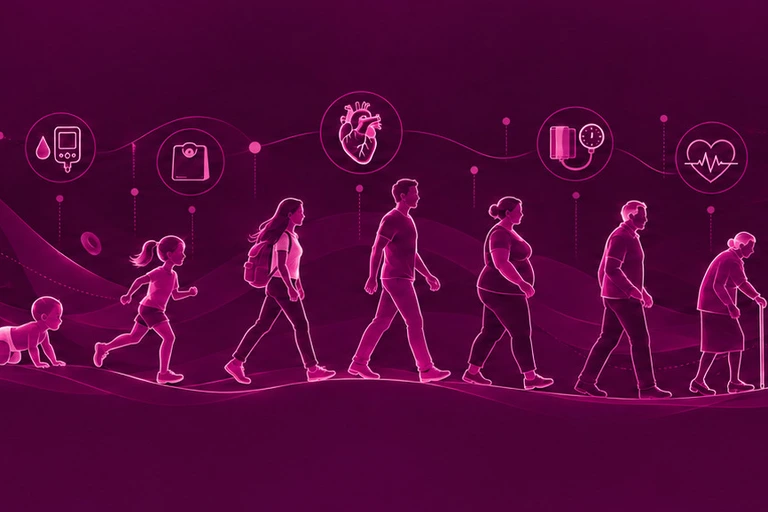
The three-day scientific program looked at metabolic health from early development and pregnancy to adulthood and healthy aging. It combined presentations by internationally renowned Plenary Speakers with contributions from emerging scientists, including the nominees for the Helmholtz Young Investigator in Diabetes (HeIDi) Award, Flash Talks and poster presentations. The sessions covered a broad spectrum of current diabetes and metabolism research, including brain health and diabetes prevention, metabolic complications, obesity and molecular health risks, adipose tissue biology, maternal and child health, genetics and aging.
Two scientific highlights were the keynote lecture by Prof. Daniel J. Drucker (University of Toronto) on "GLP-1 Medicines – Ongoing Mechanisms and Mysteries." and the Helmholtz Diabetes Lecture, delivered by Prof. Juleen R. Zierath (Karolinska Institutet) on "Redefining Exercise as Medicine: Personalized Molecular Pathways From Insulin Resistance to Lifelong Metabolic Health."
The Helmholtz Diabetes Lecture Award recognizes outstanding lifetime achievements in diabetes research and is sponsored by the German Center for Diabetes Research (DZD).
Recognizing Scientific Excellence
Supporting and highlighting the next generation of diabetes researchers was an important part of the conference. The HeIDi Award recognizes outstanding early-career scientists whose innovative research advances the diabetes field.
From this year's nominees, Prof. Katrin J. Svensson (Stanford University) and Dr. Sarah Xinwei Luo (A*STAR Institute of Molecular and Cell Biology) were selected as the 2026 HeIDi Award winners by an independent jury of Plenary Speakers. The HeIDi Awards were sponsored by Madrigal Pharmaceuticals. The conference format deliberately placed HeIDi nominees alongside established international researchers, giving emerging scientists a prominent platform within the scientific program.
Scientific contributions from the wider community were also recognized. Osvaldo Pereira (Helmholtz Munich) and Dr. Eleanor Raffan (University of Cambridge) received the Flash Talk Awards, sponsored by Sable Systems International, while Cristina Mencías (Helmholtz Munich) received the Poster Award, sponsored by EMBO. The Flash Talk and Poster Award winners were selected by the conference audience via QR-code voting, actively involving participants in recognizing outstanding presentations.
Scientific Exchange Beyond the Lecture Hall
Exchange and networking were an integral part of all three conference days. The dedicated Posters & Sponsor Exhibition brought scientific posters and industry partners together in one central space. Coffee and lunch breaks were deliberately integrated into this area, creating regular opportunities for participants, speakers, early-career researchers and sponsors to meet and continue scientific discussions outside the formal sessions.
On the second evening, participants continued their discussions during a Networking Reception at the Helmholtz Munich Conference Center, directly following the scientific program.
Over three days, the conference connected different disciplines, career stages and perspectives around one common question: how can a better understanding of metabolism across the entire lifespan help advance the prevention and treatment of diabetes? The combination of established international experts, emerging researchers, interactive presentation formats and extensive opportunities for personal exchange made the conference a platform not only for presenting new findings, but also for developing new scientific connections and ideas.