Our Research Groups and Platforms

Banner for Group Website of Behaviour, Brain & Metabolism

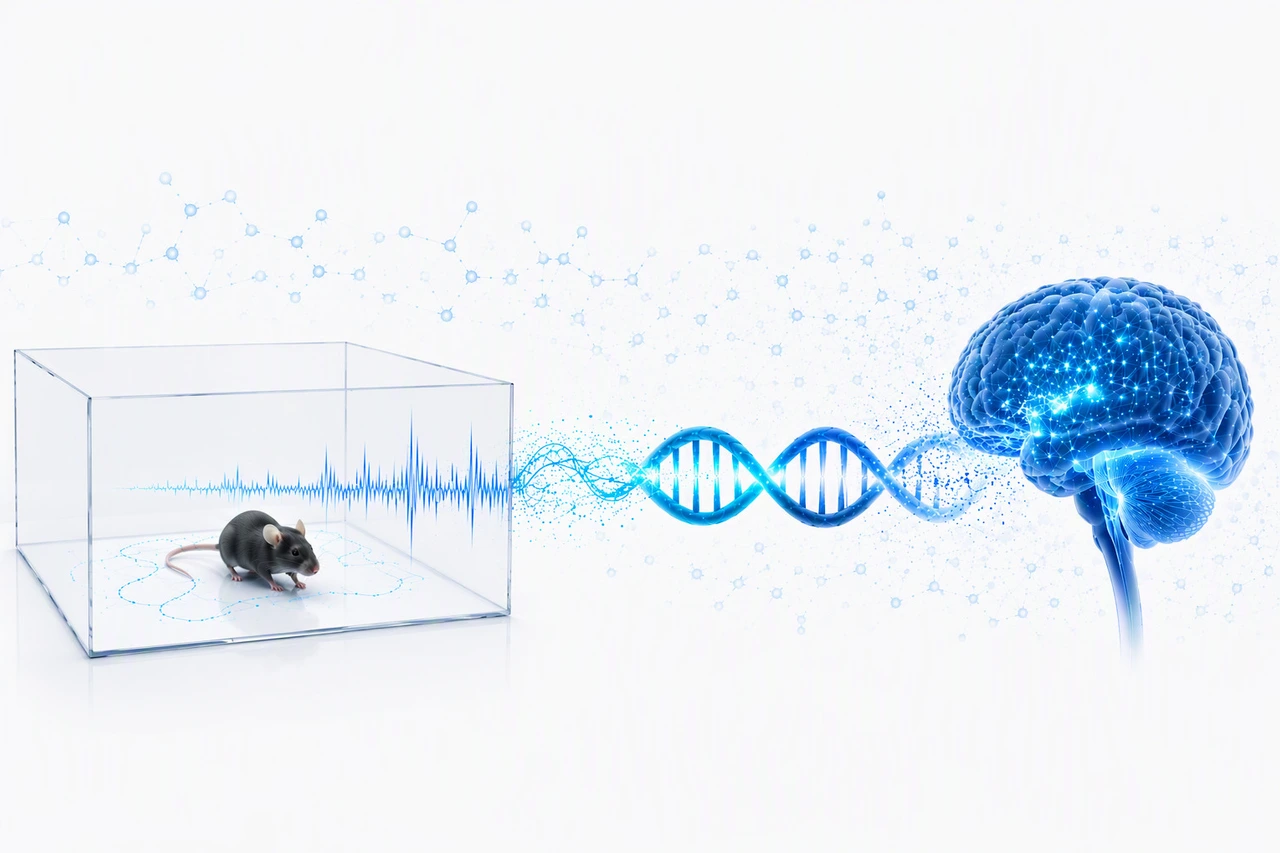
Behaviour, Brain & Metabolism

The Research Group Behaviour, Brain & Metabolism aims to improve the understanding of genetic contributions to neurodevelopmental, neurodegenerative and rare diseases. To this end we use the mouse as model system and a wide range of established in-vivo behavioural and immunohistochemical brain analysis methods, as well as dietary challenges to unravel metabolic aspects. 

View Group

Data funnel abstract technology background. Big data technology stream filter analytic sort. AI network filter

Applied Computational Biology

We initiate and take lead in projects that use artificial intelligence methods on large mouse phenotyping datasets from the German Mouse Clinic (GMC) or from external sources.
We develop and maintain highly customised IT infrastructure and solutions for our institute. Such as the in-house developed application "MausDB" , a modular laboratory information management system (LIMS).
And we support IEG research projects internally with our IT expertise and tools.

View Group
Futuristic data network

Biocuration for Digital Health

Advances in medical research revealed that a disease phenotype is the result of pathobiological processes that interact in complex networks. A large body of information generated in decades of experimental research is hidden in the scientific literature.
Our aim is to generate high-quality databases that describe experimentally validated interactions between molecules and processes involved in the development of diseases.

View Group
emma_logo_slogan_4c_rgb

European Mouse Mutant Archive (EMMA) - Germany

The European Mouse Mutant Archive is an INFRAFRONTIER core service for collection, archiving and distribution of mutant mice valuable for scientific and medical research. The IEG is one INFRAFRONTIER partner operating the German EMMA node with a main focus on cryopreservation and in vitro fertilization.

View Platform
GMC German Mouse Clinic Logo

German Mouse Clinic (GMC)

The German Mouse Clinic (GMC) as an open access phenotyping platform offers comprehensive phenotyping of mouse models in a systemic primary screen. Scientists with expert knowlegde from various fields of mouse physiology and pathology work together on evaluating numerous physiological pathways.

View Platform

DNA strands on Scientific background. 3d illustration, modified

Environmental Epigenetics

Diabetes and Obesity affect almost 400 million people worldwide and forecasts anticipate an increase of at least 20% by 2030.
Epidemiological studies have shown a high degree of genetic predisposition and familial aggregation in both diabetes and obesity. Nevertheless, lifestyle interventions have proven valuable in disease prevention and management.
We study physiological and pathological aspects of gene-environment interaction and epigenetic control of inheritance and aim to find novel targets and/or mechanisms towards effective strategies for disease prevention.

View Group
Bild_fürGruppeBeckers

Gene Regulation and Epigenetics

Our research focuses on the epigenetic inheritance of metabolic diseases such as obesity and diabetes mostly using the mouse as functional model system. We aim to understand how metabolic phenotypes that are acquired during life - for example, by malnutrition - are inherited from one generation to the next. We want to contribute to a better understanding of this inter-generational epigenetic inheritance and its implications for the observed pandemic of obesity and diabetes in man.

View Group
IsletArchitectureWT_1

Functional Genetics

The characterization of mutants represents a valuable instrument for functional genome analysis. Novel mouse models for metabolic diseases are in the center of our projects. By unraveling the molecular pathways and pathophysiological events leading, in particular, to diabetes we also transfer the basic research results into the development of novel strategies for diagnosis, prevention and therapy.

View Group