Every Person is Unique.

The Future of Medicine is Personalized.

Every Person is Unique.

The Future of Medicine is Personalized.

At Helmholtz Munich, we are currently investigating the scientific fundamentals that will shape the medicine of tomorrow. Discover how new technologies like AI and Bioengineering are accelerating the future of personalized medicine. 

AI and Personalized Medicine

Discovering the Secrets of Human Cells! The Human Cell Atlas is a groundbreaking project aimed at uncovering the mysteries within our bodies. Our scientists at Helmholtz Munich are participating in this incredible global endeavor.

Discover how AI is revolutionizing our understanding of cellular diversity. Learn about our pioneering work in creating the first Human Lung Cell Atlas. See how this knowledge is paving the way for new treatments and scientific breakthroughs.

Read Story

Bioengineering and Stem Cells

At Helmholtz Munich, our scientists are passionate about epigenetics. By reprogramming cells to pluripotency, we're unlocking their ability to transform into any cell type within the body.

Our ultimate goal? To create tailor-made cells for advanced therapies, offering new hope for treating brain injuries and degenerative diseases.

Read Story

Molecular Drugs for Personalized Therapies

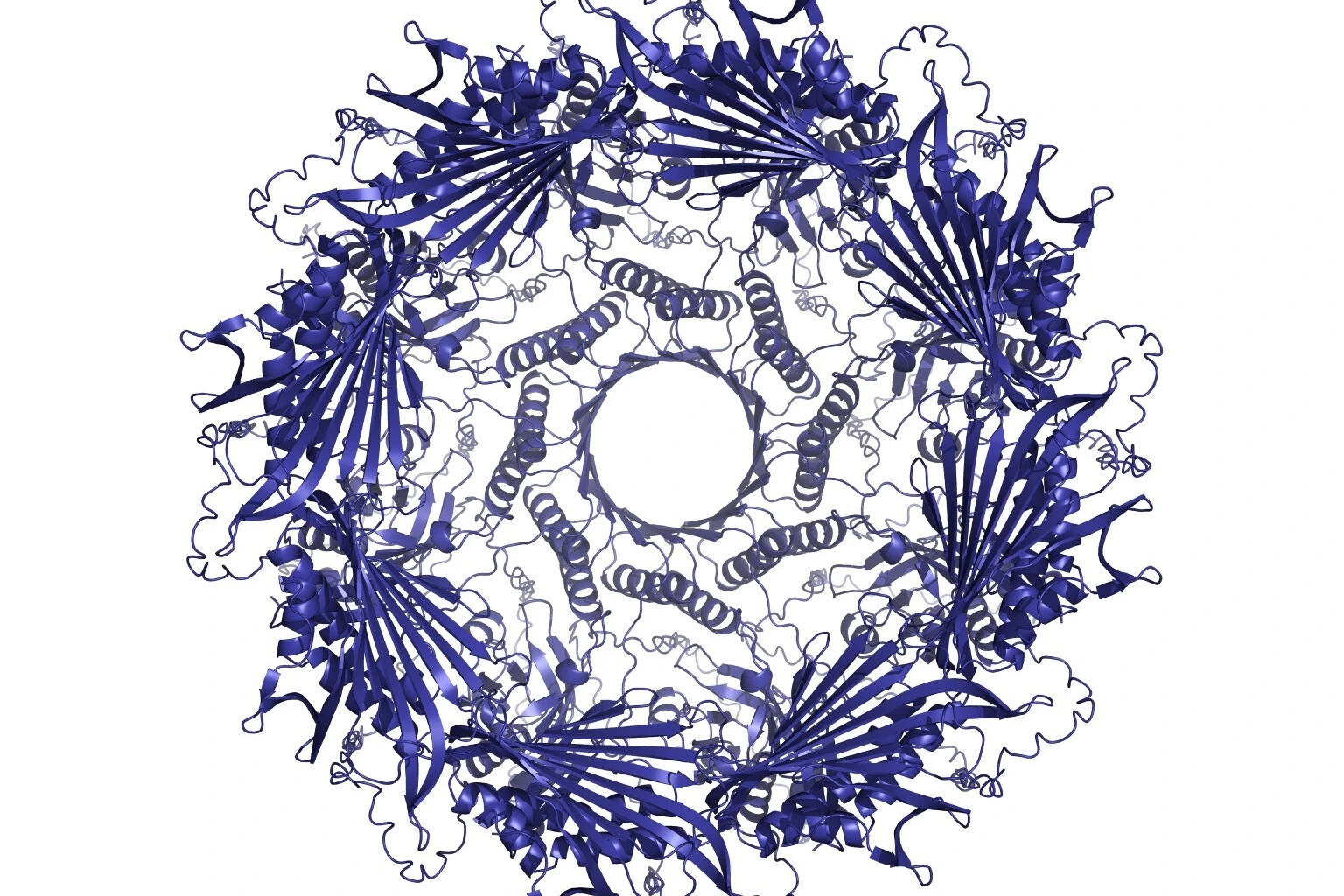
Our scientists at Helmholtz Munich are pioneering the transformation of personalized therapy development through understanding molecular disease mechanisms.

Key advancements include discovery of novel drug targets, accelerated development of personalized drugs based on molecular structures for precision medicine, and AI-driven approaches, promising a bright future for personalized medicine.
Read Interview

Combining Bioengineering and AI

Discover the cutting-edge research at Helmholtz Munich, where our scientists are revolutionizing medical imaging! By uncovering vital insights into health and disease, we're enabling early detection and treatment for better patient outcomes.

Developed by our scientists, Raster Scan Optoacoustic Mesoscopy (RSOM) reveals biological structures beneath the skin and their alterations indicative of various diseases, promising a transformative change in healthcare.

Read Story

Big Data and Personalized Medicine

Unlocking the Genetic Code of Diabetes! Our scientists at Helmholtz Munich, in collaboration with an international team, have uncovered over 600 genetic markers linked to type 2 diabetes. This groundbreaking study reveals how these genes influence diabetes and its complications, paving the way for better treatments and personalized care.

Read Story

Imaging and AI

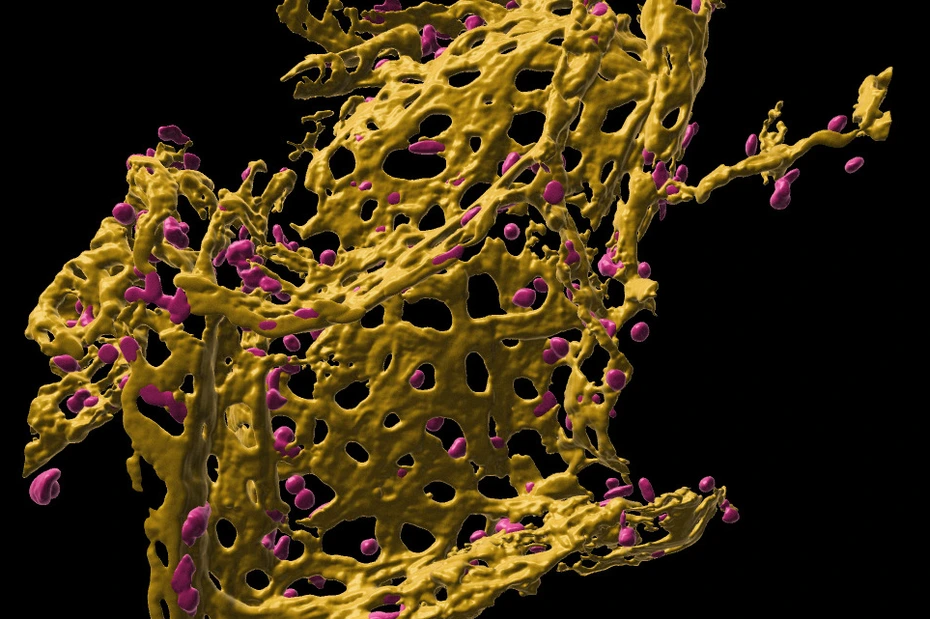
Scientists at Helmholtz Munich have developed wildDISCO, a revolutionary technique for creating high-resolution 3D maps of entire bodies. This groundbreaking method uses standard antibodies to reveal details of complex biological systems and diseases.

Dive into how wildDISCO is transforming our understanding of health and disease, paving the way for advancements in medical research and technology.

Read Study
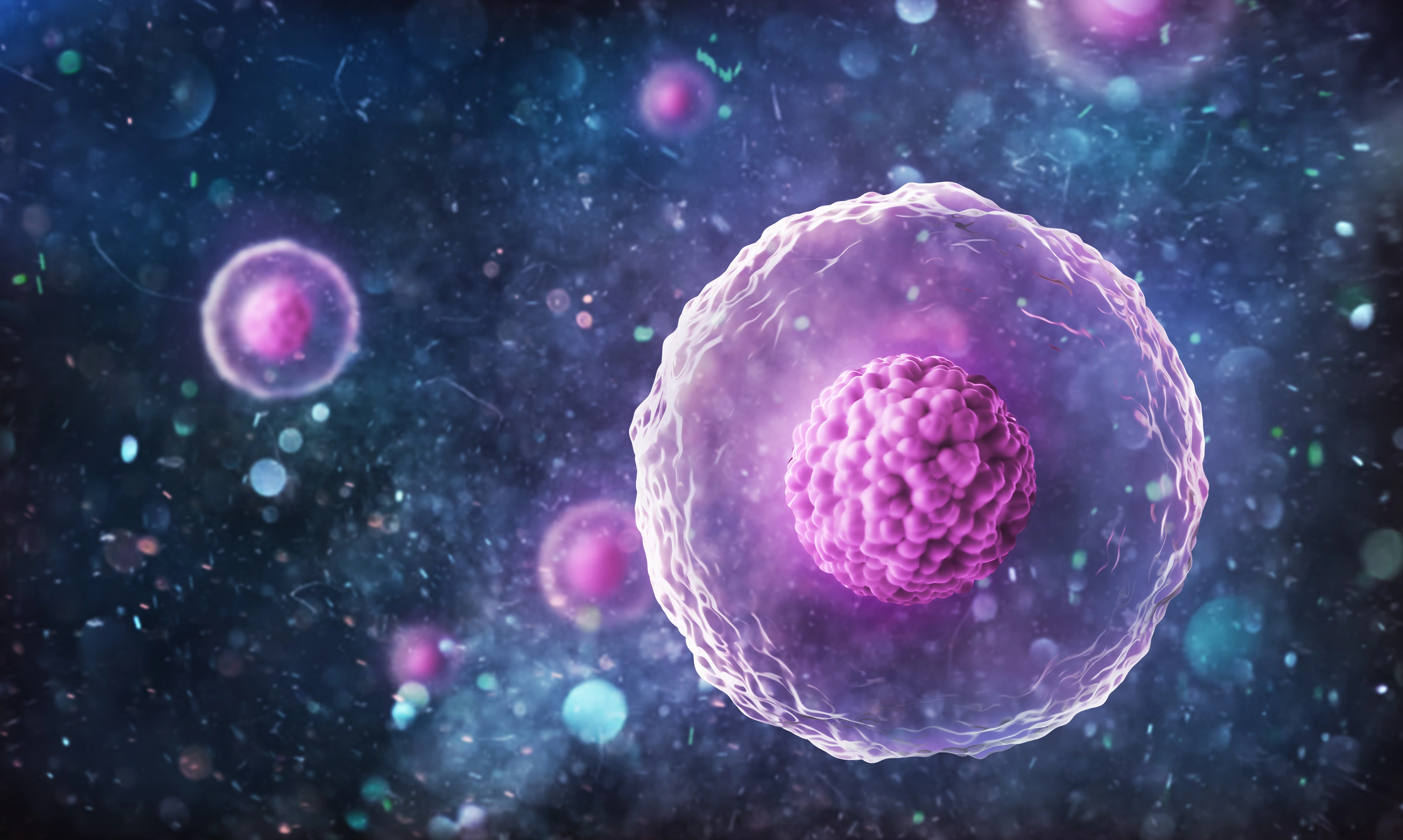
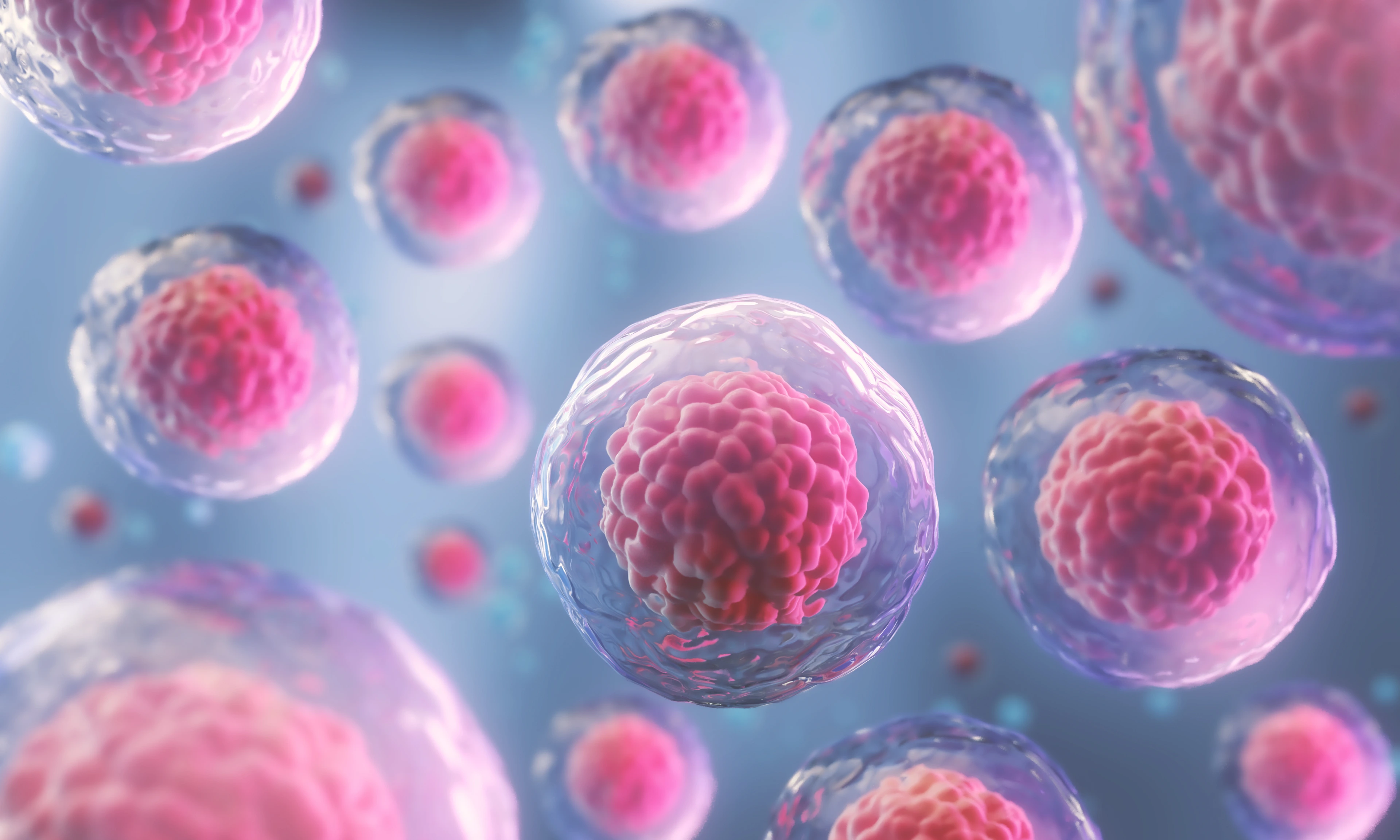
Human (animal) cell under microscope. 3d illustration

Personalized Medicine at Helmholtz Munich

Explore more of our exiting research topics related to personalized medicine.

Learn more

News

Vierte Helmholtz Munich Expert Hour im Deutschen Bundestag

Events, AI, Diabetes, IDF, Computational Health, IML,

Helmholtz Munich Expert Hour at the German Bundestag: The Future of Preventive Medicine

Science and politics came together once again at the German Bundestag: For the fourth time, Helmholtz Munich hosted the Helmholtz Munich Expert Hour on September 10, 2025. This dialogue format gives political decision-makers the opportunity to learn…

Multiple Myeloma

New Research Findings, Bioengineering, IBMI,

New Label-Free Imaging Tracks Cancer Treatment in Single Cells

Researchers from Helmholtz Munich and the Technical University of Munich have developed a novel method to track cancer treatment responses in individual cells – without the need for dyes or labels. Their mid-infrared optoacoustic microscopy (MiROM)…

Osteoarthritis

New Research Findings, Computational Health, ITG,

Osteoarthritis: Largest Genome-Wide Association Study Uncovers Drug Targets and Therapy Opportunities

Osteoarthritis is the leading cause of disability and chronic pain worldwide, affecting an estimated 595 million people globally. Projections suggest that this number will rise to 1 billion by 2050. Despite its profound impact on individuals and…

CRISPR gene editing

AI, New Research Findings, Bioengineering, ISBM,

Engineering Smart Delivery for Gene Editors

A research team from Helmholtz Munich and the Technical University of Munich has developed an advanced delivery system that transports gene-editing tools based on the CRISPR/Cas9 gene-editing system into living cells with significantly greater…

White adipose tissue

New Research Findings, Diabetes, HI-MAG,

New Knowledge Portal Adiposetissue.org Enhances Obesity and Metabolism Research with Centralized Data

A new platform, Adiposetissue.org, is set to enhance obesity and metabolism research by centralizing and simplifying access to adipose tissue data. Developed by researchers from Helmholtz Munich, Karolinska Institutet and Steno Diabetes Center…

Mikrobiom-Proben

New Research Findings, Environmental Health, IEM,

Microbiome: Researchers Improve Bacterial Analysis for Clinical Applications

Studying bacterial communities, or microbiomes, is a complex challenge. Distortion effects often arise, potentially compromising the accuracy and reliability of crucial scientific and clinical findings. Researchers at the Institute of Environmental…

The Lancet Diabetes & Endocrinology Commission on Clinical Obesity

Diabetes, HI-MAG, IDO,

Re-Defining Obesity as a Disease

A new report of the Commission on Clinical Obesity, published in The Lancet Diabetes & Endocrinology and endorsed by over 75 medical organizations, has introduced a transformative framework that addresses the limitations of traditional BMI-based…

Dr. med. habil. Katharina Lechner, Medical Lead of the KORA Digital-Fit Intervention Study, Helmholtz Munich

EPI,

Genes and Lifestyle Are Both Crucial for Personalized Prevention

Katharina Lechner's goal is to help people age healthily. That's why she focuses on personalized prevention strategies. Find here how she plans to implement these and make them accessible to everyone.

Prof. Matthias Tschöp

AI, Computational Health, Health AI, Bioengineering,

Modern Prevention of Health with AI and Bioengineering

Interview with Prof. Matthias Tschöp about health research and prevention with cutting-edge tools.

HMGU_Icon_Stem_Cells

Featured Publication, AHS,

ADAM10: A New Precision Target for Acute Leukemia Therapy

New hope for acute leukemia patients: Helmholtz Munich researchers, led by Prof. Irmela Jeremias, have identified a promising therapeutic target, ADAM10, which could improve treatment strategies for relapsed leukemia. Their study, recently published…

Michael Sattler

Molecular Targets and Therapeutics, STB,

Unlocking the Future of Personalized Medicine

Prof. Michael Sattler on exploring the impact of understanding molecular disease mechanisms and advancing personalized therapies.

HMGU_Icon_Environm_Health

Featured Publication, Environmental Health,

Does A High-Salt Diet Trigger Asthma?

The rise in asthma has been linked to different environmental and lifestyle factors including dietary habits. Researchers at Helmholtz Munich now discovered that a higher salt intake contributes to allergic asthma incidence in females. The team…

Prof. Markus Diefenbacher

Environmental Health, LHI,

Tracking Down the Genetics of Tumors

An interview with Prof. Markus Diefenbacher, new Principal Investigator (PI) at the Helmholtz Munich Institute for Lung Health and Immunity

Picture with Cas13d-NCS for Press Release in Cell Discovery 2024

New Research Findings, IDG, VIRO,

Innovative Antiviral Defense With New CRISPR Tool

The rise of RNA viruses like SARS-CoV-2 highlights the need for new ways to fight them. RNA-targeting tools like CRISPR/Cas13 are powerful but inefficient in the cytoplasm of cells, where many RNA viruses replicate. Scientists from Helmholtz Munich…

Theis_Eskofier

Computational Health,

Foundation Models in Medical Research

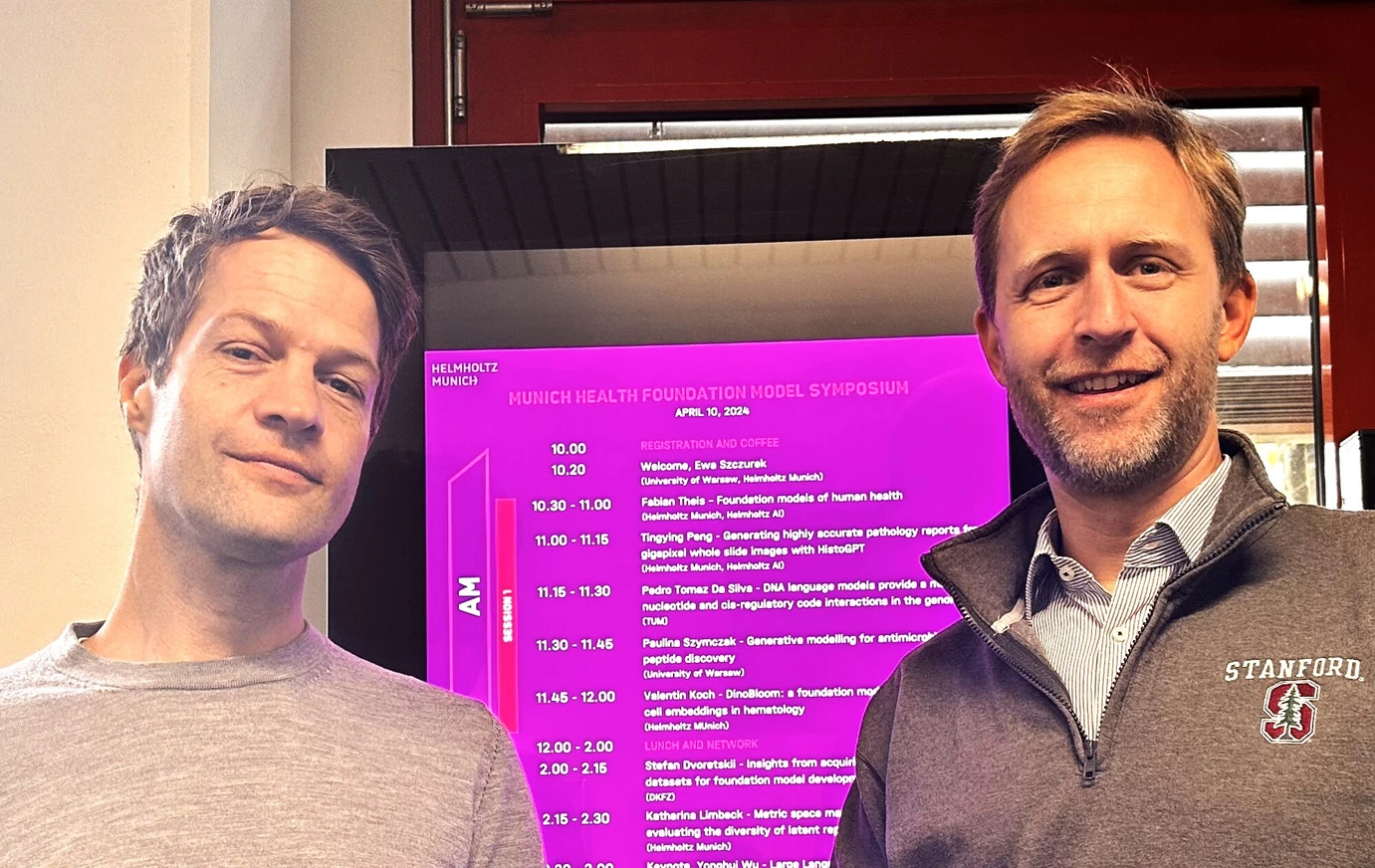
An interview with Prof. Fabian Theis, Head of the Computational Health Center, and Prof. Bjoern Eskofier, Group Leader for Translational Digital Health. The researchers hosted the first Munich Health Foundation Model Symposium on April 10, 2024, at…

Götz Header

Stem Cells, ISF,

Curing the Brain With Cell Replacement Therapy

Prof. Magdalena Götz about the fascinating research on reprogramming glia cells and cell replacement therapy in the field of brain injuries

Nucleosome

New Research Findings, Molecular Targets and Therapeutics, IFE,

Decoding the Language of Epigenetic Modifications

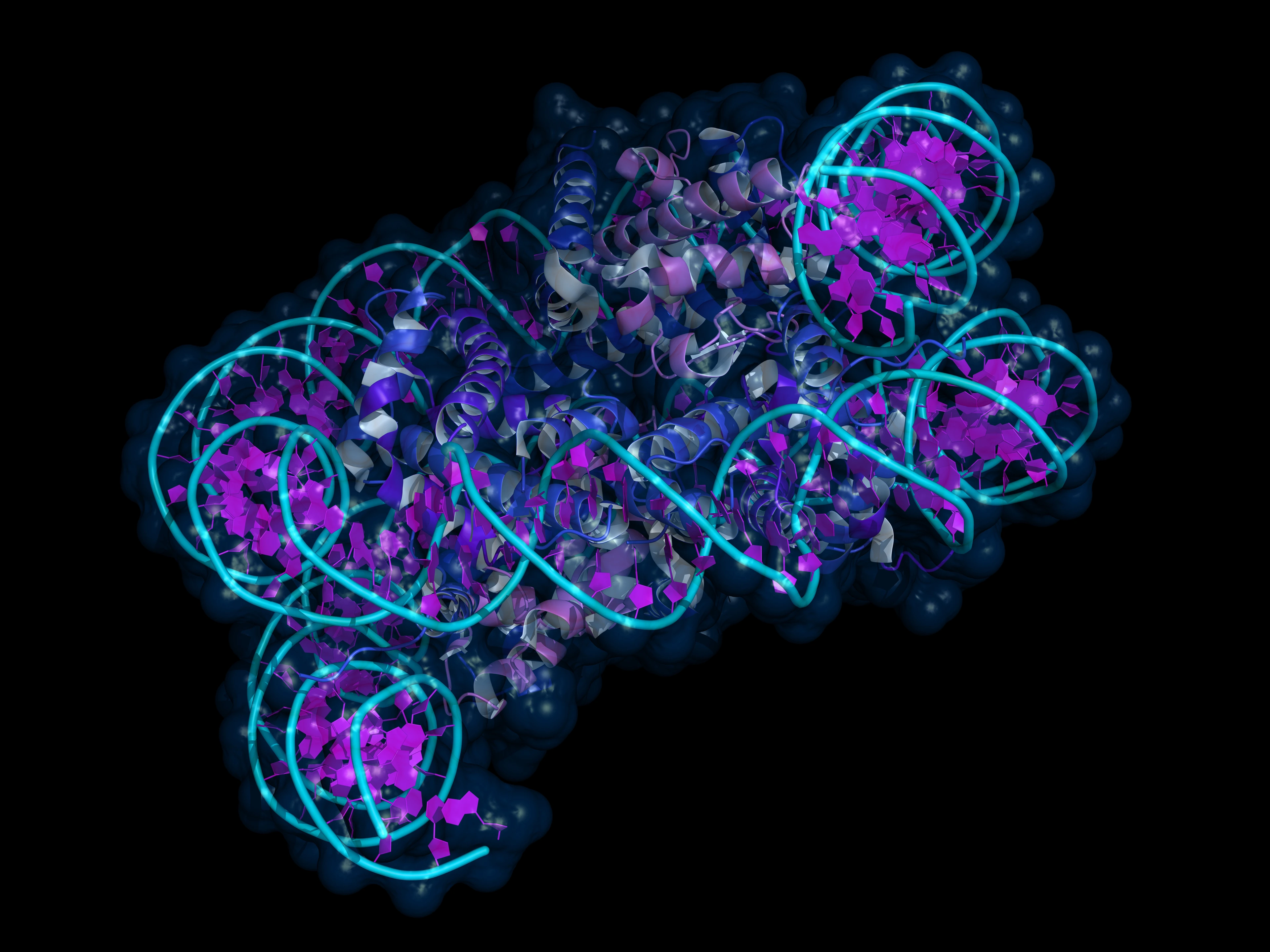
Epigenetic changes play important roles in cancer, metabolic and aging-related diseases, but also during loss of resilience as they cause the genetic material to be incorrectly interpreted in affected cells. A major study by scientists at Helmholtz…

Prof. Maria-Elena Torres-Padilla im Interview

Stem Cells, IES,

Empowering Cells’ and Scientists’ Potential for Cell Therapies

Prof. Maria-Elena Torres-Padilla about empowering a team and her enthusiasm for epigenetics.

Pulmonary capillary network in human precision cut lung slices (hPCLS)

AI, New Research Findings, Environmental Health, PRM, LHI,

Accelerating Drug Development for Lung Diseases: New Insights from Single-Cell Genomics

To mechanistically understand the root causes of lung disease, and identify drugs that target specific pathways, the scientists around Prof. Herbert Schiller and Dr. Gerald Burgstaller from Helmholtz Munich are collecting deep molecular insights from…

HMGU_Icon_Pioneer_Campus

Featured Publication, Pioneer Campus,

A New Horizon in Depression Genetics: Enhancing the Predictive Power of Genetic Risk Scores

A groundbreaking study now published in Nature Genetics marks a turning point in depression genetics, offering new hope for personalized medicine through enhanced Polygenic Risk Scores (PRS).

blutaufnahme-01-institut-fotoshooting-nozy-andreas pfohl-220727_0085

AI, New Research Findings, Diabetes, IDF,

Developing Algorithms to Predict Type 1 Diabetes in Children

Pediatricians and computer scientists join forces at the Helmholtz Munich Institute for Diabetes Research to identify children with type 1 diabetes before they develop symptoms. With the help of advanced statistics and machine learning, the…

HMGU_Icon_Computat_Health

AI, Featured Publication, Computational Health, ICB,

Computational Breakthrough in Precision Medicine for Cancer Treatment

Researchers from Helmholtz Munich have reached a significant milestone in precision medicine with their new publication on the 'Oncology Biomarker Discovery (OncoBird)' framework. This innovative approach aims to systematically identify actionable…

AI-based Image Analysis for Biomarker Prediction

AI, New Research Findings, Computational Health, AIH,

AI Predictions for Colorectal Cancer: One Step Closer to Efficient Precision Oncology

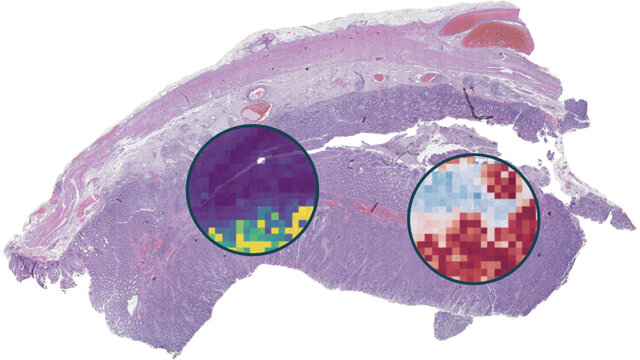
Colorectal cancer (CRC) ranks second in leading causes of cancer-related deaths globally, according to the WHO. For the first time, researchers from Helmholtz Munich and the University of Technology Dresden (TU Dresden) show that artificial…

Portrait Reinhard Zeidler

Transfer, STB,

Targeted Antibody Therapy Against Brain Tumor Glioblastoma

Prof. Reinhard Zeidler about hope in the fight against glioblastoma, the most common and malignant form of brain tumor and how he accelerates the development of antibodies into application.

Daniel Krappmann

Molecular Targets and Therapeutics, SAT,

“We aim to deliver new therapeutic concepts on how to intervene with cell signaling networks.”

Daniel Krappmann about his new Research Unit "Signaling and Translation" at Helmholtz Munich

Learn more