Environmental Health Center
Comparative Microbiome Analysis
We are living in a microbial world … It is our aim to use the enormous functional power of microbiomes to improve planetary health.
We are living in a microbial world … It is our aim to use the enormous functional power of microbiomes to improve planetary health.

About our Research
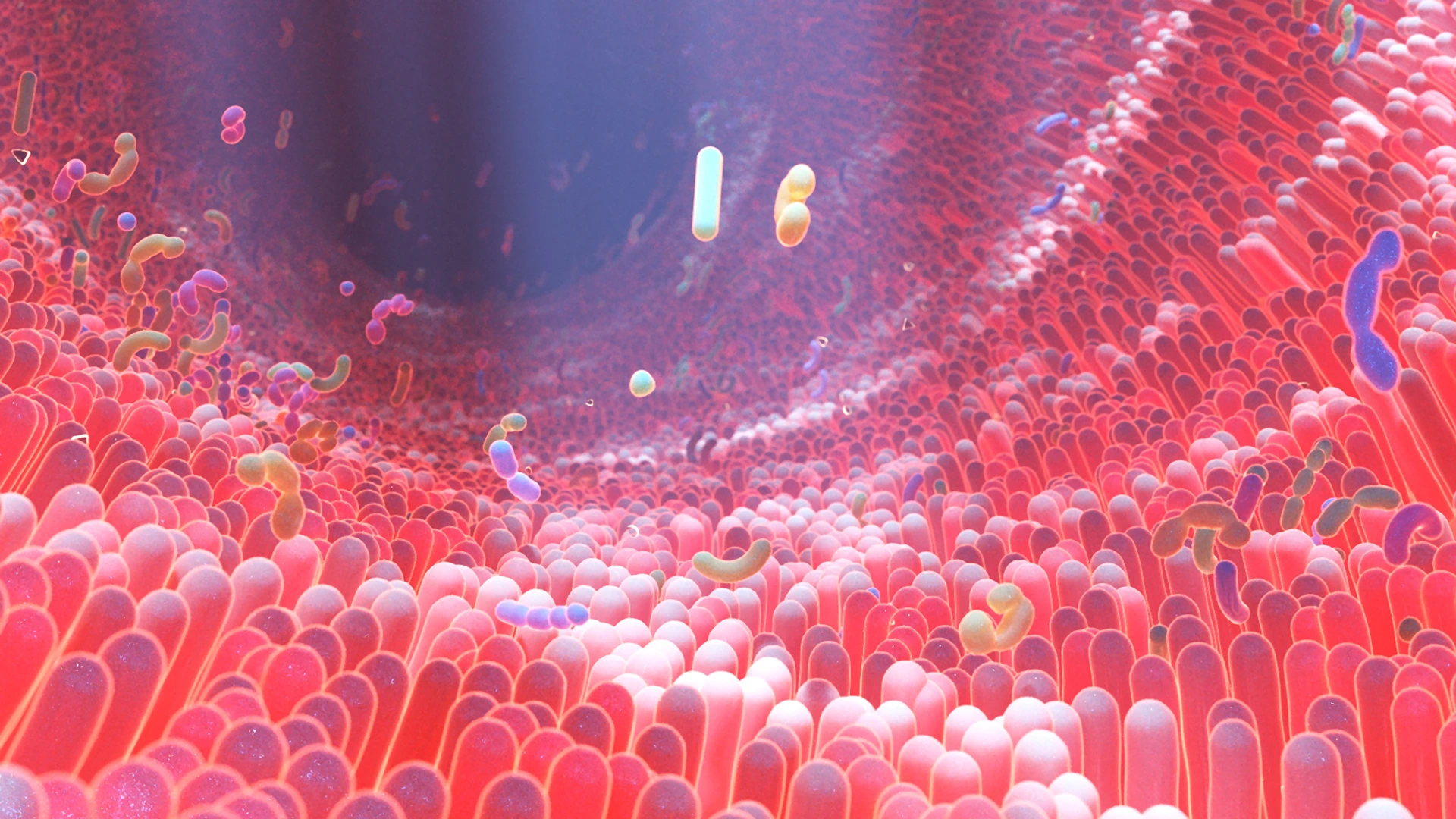
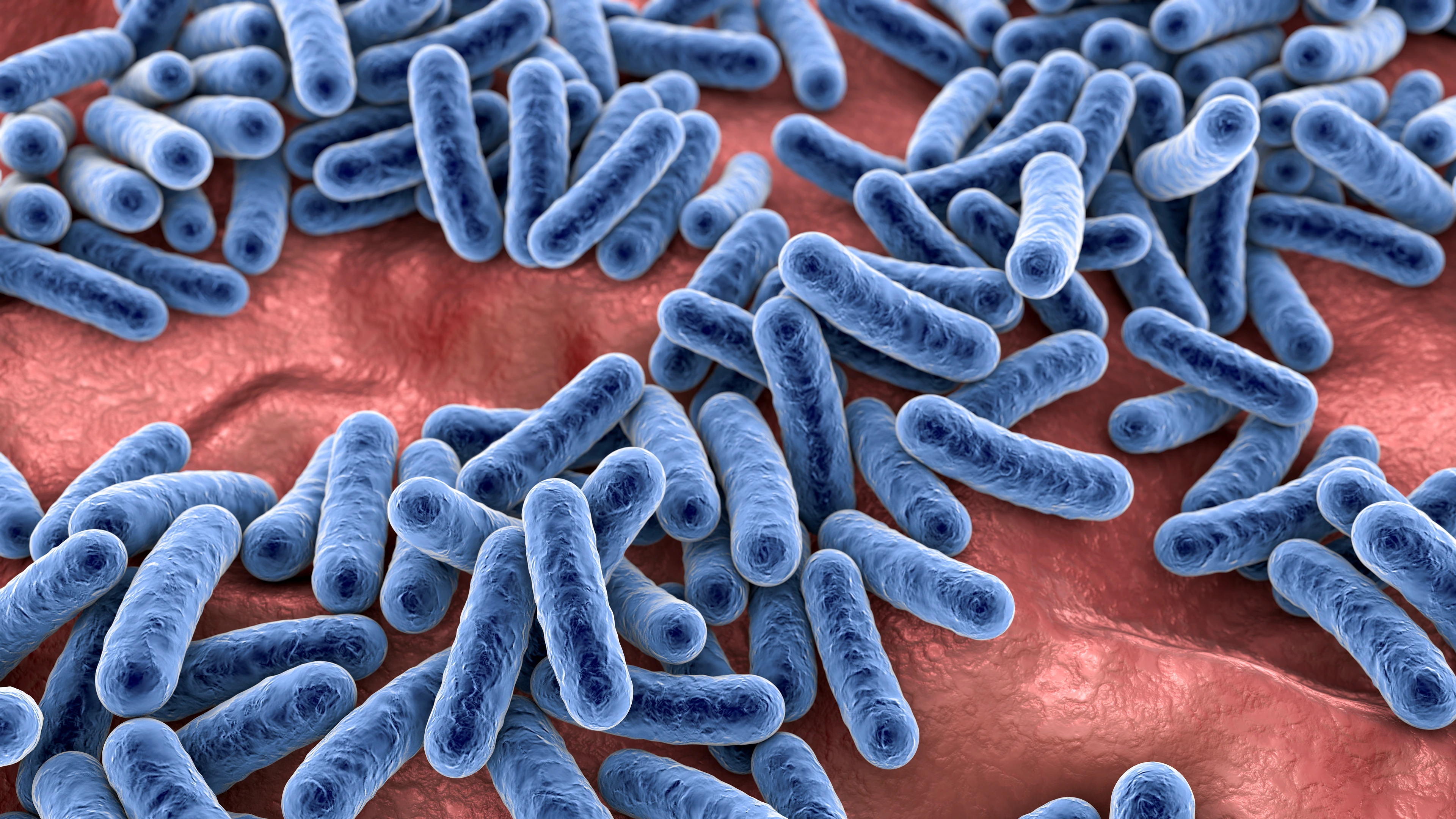
The human microbiome is a key component for our health. It is strongly influenced by environmental microbiota, which interact with the microbiome of barrier organs like skin or respiratory system. As a consequence, the reduced microbial diversity in the environment, resulting from climate- and global change, strongly impacts human – environment interactions, resulting in an increase in environmental diseases and infections. According to the planetary health concept the prevention of such diseases requires strategies which increase biodiversity in the environment.
We identify key microbiota from the environment, which trigger our health, develop strategies to promote the abundance of those microbiota in urban and indoor environments and analyze consequences for our health.



Scientists at COMI

Head of the Research Unit Comparative Microbiome Analysis
View profile
Deputy Head of the Research Unit & Head of the working group “Environmental Microbiomes”
View profile












Video: How our microbiome helps to protect us from allergies









Publications
Reichel, R. ; Li, Z. ; Cao, X. ; Zhao, K. ; Endenich, M. ; Kumar, A. ; Temperton, V.M. ; Roy, J. ; Rillig, M.C. ; Blagodatsky, S. ; Bonkowski, M. ; Schulz, S. ; Schloter, M. ; Pütz, T. ; Brüggemann, N.
A single high compost application accelerates organic matter restoration in marginal soil and enhances C and nutrient retention.Kumar, A. ; Bibinger, S. ; Tian, J. ; Zhu, B. ; Jiao, S. ; Reichel, R. ; Brüggemann, N. ; Schloter, M. ; Schulz, S. ; Temperton, V.M.
Composition outweighs abundance: Soil bacterial communities mediate plant performance under drought and post-recovery.Schlager, J.G. ; Stiefel, D. ; Patzer, K. ; Schloter, M. ; Fösel, B. ; Zelzer, N.M. ; French, L.E. ; Gschwendtner, S. ; Hartmann, D.
Basal cell carcinoma may be associated with Staphylococcus dysbiosis.Amar, Y. ; Baumann, D. ; Niedermeier, S. ; Silva, R.L. ; Walch, S. ; Schloter, M. ; Köberle, M. ; Biedermann, T. ; Volz, T.
Hidradenitis suppurativa skin microbiome: In‐depth analysis and modulation by systemic therapies.Schloter, M. ; Espíndola-Hernández, P. ; Schulz, S.
Mikrobielle Konsortien nach Maß.Faggionato, D. ; Muñoz-García, M. ; Poyet, M. ; Groussin, M. ; Schloter, M. ; Overmann, J. ; Scholz, A.H.
Erst fragen: sicher durch das Nagoya-Protokoll.Streb, L.-M. ; Assane, I.M. ; Souza, G.F.P.d. ; Pilarski, F. ; Queiroga, A.P. ; Kublik, S. ; Rath, S. ; Schloter, M.
Conventional diversity metrics underestimate gut microbiome disruption under florfenicol exposure in Nile tilapia (Oreochromis niloticus).Orth, N. ; Siefen, N. ; Staudt, J. ; Mahmoud, F.M. ; Benning, S. ; Gschwendtner, S. ; Pielhop, T.P. ; Hauschild, K. ; Schloter, M. ; Schmitz, M. ; Winkelmann, T.
Linking microbial community composition of three rootstock genotypes to apple replant disease susceptibility.Gschwendtner, S. ; Maison, N. ; Illi, S. ; von Mutius, E. ; Rosenboom, I. ; Tümmler, B. ; Dittrich, A. ; Weckmann, M. ; Abdo, M. ; Waschki, B. ; Kopp, M.V. ; Hansen, G. ; Brinkmann, F. ; Rabe, K. ; Schaub, B. ; Schloter, M.
Fragmented microbial networks and moraxella-driven airway clustering characterize preschool wheezers across the gut – airways axis.Schmalenberger, A. ; Tian, J. ; Forrestal, P. ; Fox, A. ; Bending, G.D. ; Vijayakumar, G. ; Lillywhite, R. ; Hussain, M. ; Guinan, K.J. ; Schulz, S. ; Thaqi, S.K. ; Schloter, M.
From inputs to interactions: Soil stoichiometry and microbiomes as drivers of crop nutrient use efficiency.Sáiz, H. ; Neuenkamp, L. ; Penone, C. ; Birkhofer, K. ; Blüthgen, N. ; Boch, S. ; Bonkowski, M. ; Buscot, F. ; Felipe‐Lucia, M.R. ; Fiore‐Donno, A.M. ; Fischer, M. ; Freitag, M. ; Godoy, O. ; Goldmann, K. ; Goßner, M.M. ; Hamer, U. ; Hölzel, N. ; Jung, K. ; Kandeler, E. ; Klaus, V.H. ; Kleinebecker, T. ; Leimer, S. ; Marhan, S. ; Oelmann, Y. ; Overmann, J. ; Prati, D. ; Renner, S.C. ; Rillig, M.C. ; Seibold, S. ; Schloter, M. ; Schoening, I. ; Sikorski, J. ; Socher, S.A. ; Solly, E.F. ; Steffan‐Dewenter, I. ; Stempfhuber, B. ; Westphal, C. ; Wilcke, W. ; Wubet, T. ; Wurst, S. ; Allan, E.
Land use intensification results in abrupt transitions between extensively and intensively managed grasslands.CARVALHO, A. ; Gschwendtner, S. ; Schloter, M. ; Gil, A.M. ; Marques, C.R.
Stool microbiota variations along the adenoma-colorectal carcinoma sequence — robustness of disease-associated microbial features.Abdelbari, H. ; Rodríguez-Berbel, N. ; Ortega, R. ; Miralles, I. ; Mahdad, Y.M. ; Gaouar, S.B.S.
Unveiling the bacterial community structure and soil properties in bulk and rhizospheric compartments of Tamarix gallica from an arid Algerian saline ecosystem.Schulz, S. ; Schloter, M.
Cities cannot go green without soil microorganisms.Brandt, L. ; Abrahão, A. ; Wicht, A.-C. ; Schulz, S. ; Schloter, M. ; Schweizer, S. ; Marhan, S. ; Kandeler, E.
Reciprocal transport of carbon and nitrogen between plants and the hyphosphere microbiome in a temperate grassland.Somehsarei, N.N. ; Hadi, J.L. ; Khan Mirzaei, M. ; Deng, L. ; Gigl, M. ; Dawid, C. ; Schmitt-Kopplin, P. ; Geydirici, I. ; Schloter, M. ; Gschwendtner, S.
In vitro metabolic signaling in two intestinal bacterial isolates: Glutamate-driven transcriptional and functional reprogramming in Clostridium butyricum and Bacteroides thetaiotaomicron.Thaqi, S.K. ; Schloter, M. ; Schulz, S.
Phosphatfreisetzung durch Bacillus: gleiche Funktion, andere Wege.Afrasiabian, Y. ; Andrade Linares, D.R. ; Schulz, S. ; Schloter, M. ; Cleemput, E.V. ; Egerer, M. ; Yu, K.
Drone-measured canopy spectra can be a complementary predictor of belowground arbuscular mycorrhizal fungi variations in urban community gardens.Martinez-Cuesta, R. ; Craighero, A. ; Walch, S. ; Helmreich, B. ; Schloter, M. ; Schulz, S.
Urban green roofs host intrinsic resistomes shaped by management but not dominated by pathogenic resistance.Lang, F. ; Prietzel, J. ; Hagedorn, F. ; Kaiser, K. ; Schulz, S. ; Mayer, M. ; Vesterdal, L. ; Bauhus, J. ; Bergmann, M. ; Bibinger, S. ; Bidartondo, M.I. ; Chen, J.O. ; de Jong, P. ; Doan, T.H. ; Haberstroh, S. ; Hahn, J. ; Hartmann, P. ; Khokon, A.M. ; Kohler, M. ; Suz, L.M. ; Meier, I.C. ; Neumann, R. ; Paulsen, H. ; Puhlmann, H. ; Schack-Kirchner, H. ; Scheu, S. ; Schilling, L. ; Schleppi, P. ; Schloter, M. ; Schwärzel, K. ; Stutz, K.P. ; Villalba, G. ; Wannenmacher, M. ; Weiler, M. ; Wellbrock, N. ; Werner, C. ; Niederberger, J.
Temperate forest floors: Ecosystem hubs in transition?


Contact