Computational Health Center

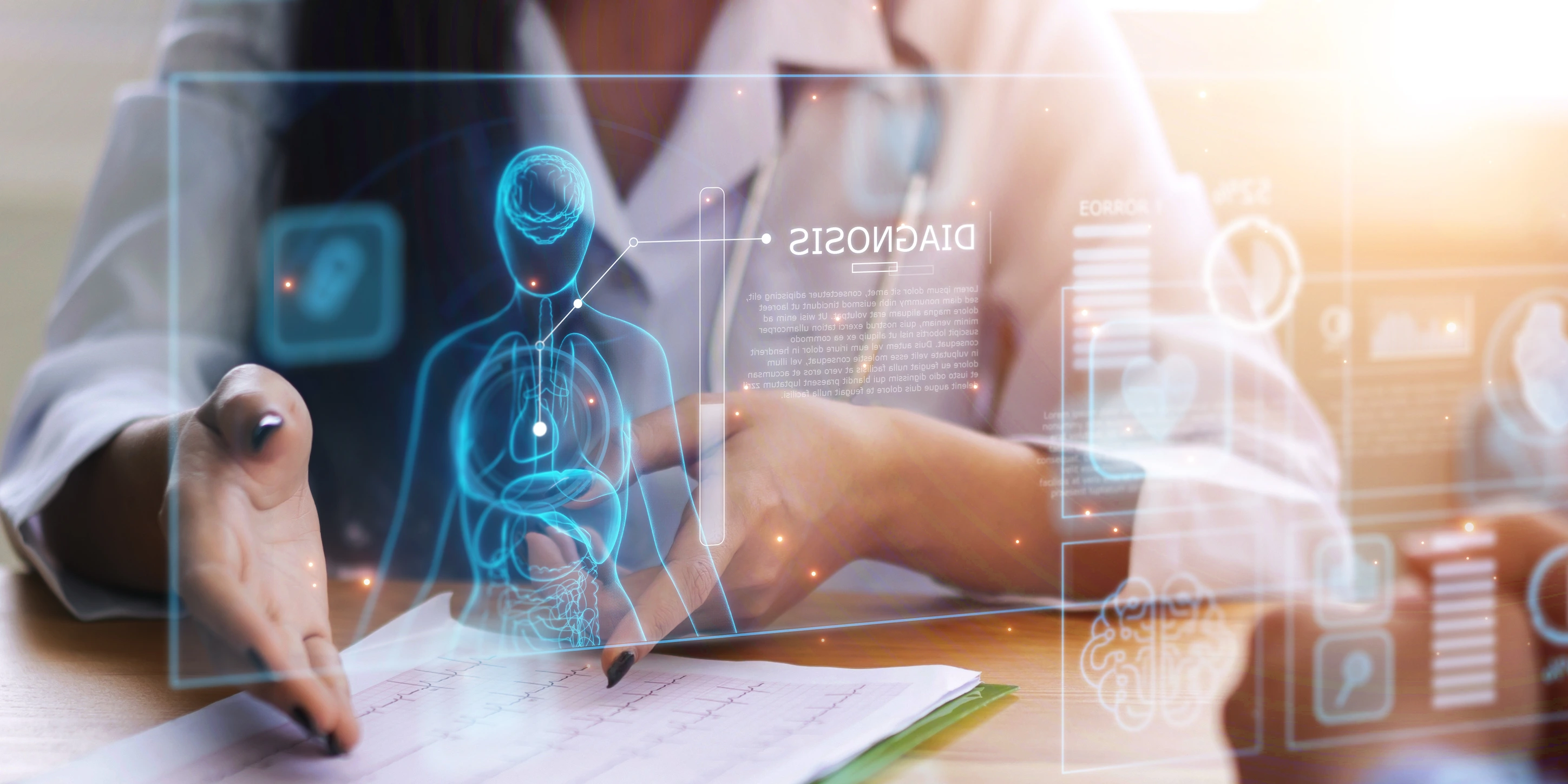
We develop novel computational tools powered by AI to accelerate discovery and translation. We apply cutting-edge computational methods to promote personalised health. Collaboratively, we develop predictive algorithms as well as mechanistic models to analyse molecular, imaging, and clinical data of human health and disease. We thus help to create innovative diagnostics and novel treatments for environmentally triggered diseases.
We develop novel computational tools powered by AI to accelerate discovery and translation. We apply cutting-edge computational methods to promote personalised health. Collaboratively, we develop predictive algorithms as well as mechanistic models to analyse molecular, imaging, and clinical data of human health and disease. We thus help to create innovative diagnostics and novel treatments for environmentally triggered diseases.
Colorful abstract image with organic shape

Our Research Areas

genetic engineering and dna modification icon

Digital Genomics and Image Computing

We develop robust methods for analyzing big data to address key biomedical challenges and consolidate analytical approaches using innovative digital methods. In addition, we develop novel statistical methods for trans- ethnic meta-analysis, testing for pleiotropy, rare variant burden, testing, and polygenic risk score construction.

abstract background technology concept. Artificial intelligence technology. illustration vector design

Health AI

We develop and translate AI technologies for biomedical problems by constructing deep-learning methods and combining them with more mechanistic modeling approaches. In addition, we steer the computational aspects of developing single-cell atlases in healthy and disease state to build AI-driven analytics platforms for multimodal data, in particular from genomics and diverse imaging modalities.

Sytems Biomedicine

Systems Biomedicine

We develop novel computational methods for multiomic data integration of epigenomic, transcriptomic, proteomic and genetic data and advanced phenotypic/in vivo observations. In addition, we design novel approaches for efficient data combination across omics levels, maximizing the information yield across the multidimensional space of datar from genomics and diverse imaging modalities.

Discover Our Highlights

News

See all
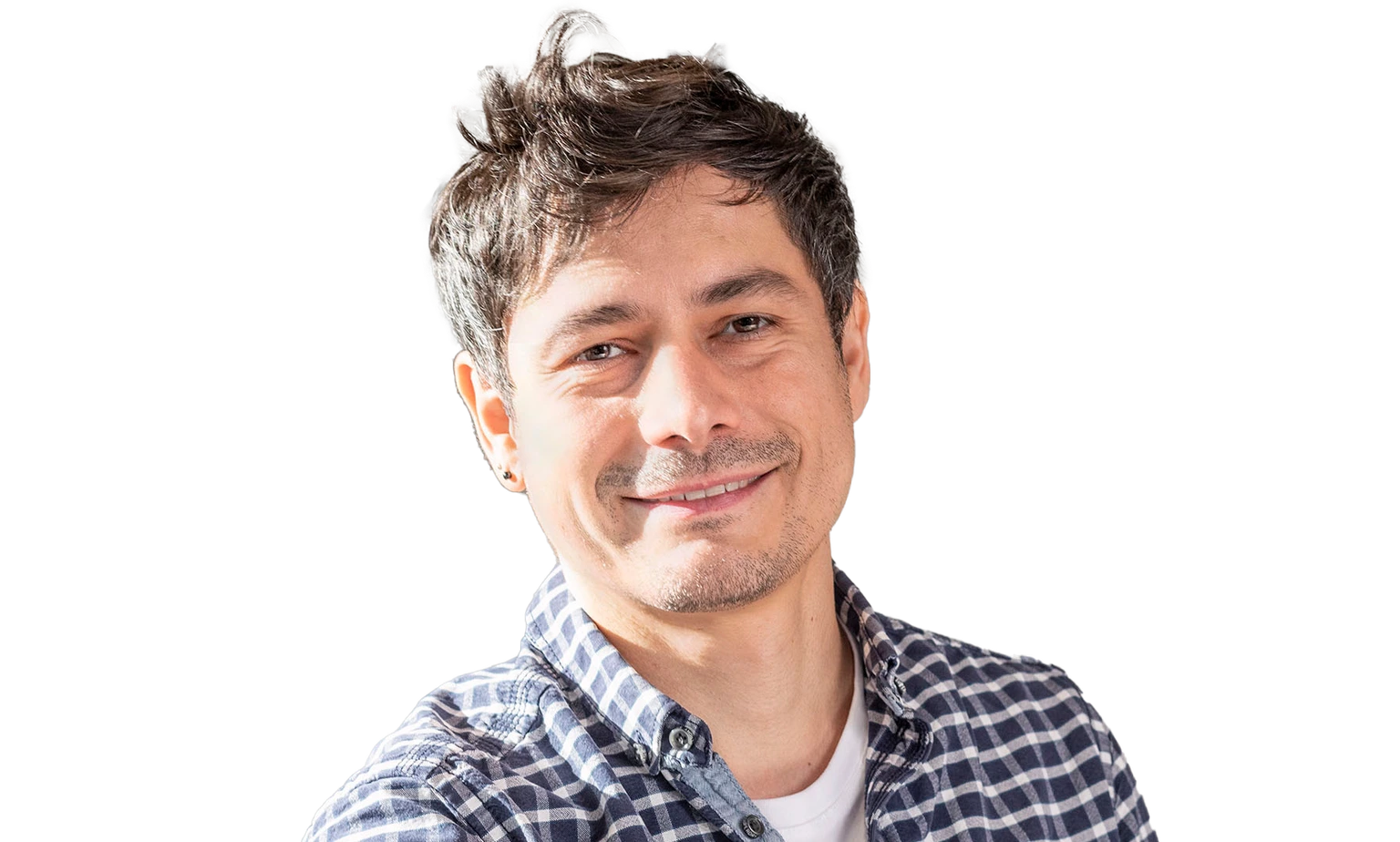
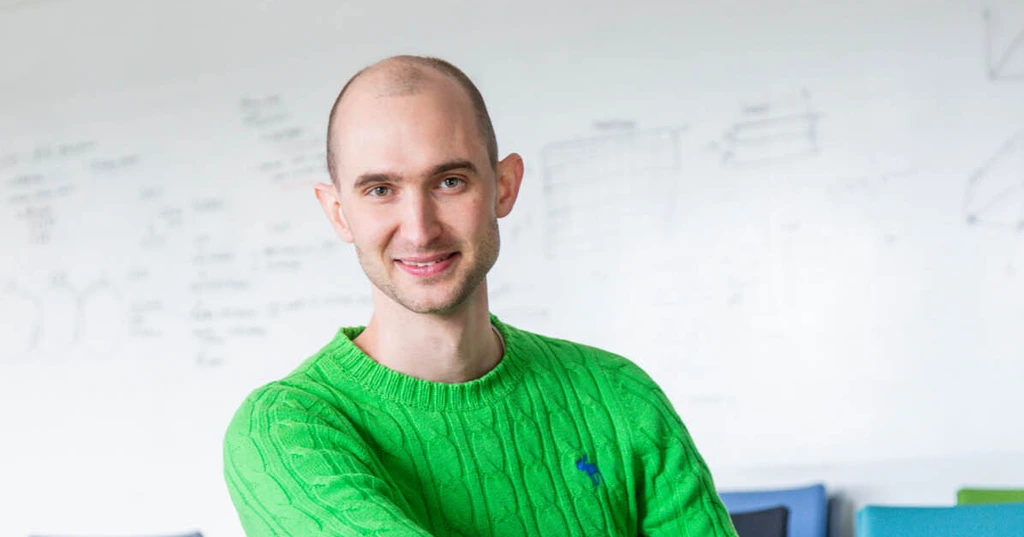
Portrait of Steffen Schneider

Awards & Grants, Computational Health, ICB,

Steffen Schneider Admitted to the Young Academy

Dr. Steffen Schneider of Helmholtz Munich and KI macht Schule gGmbH has been admitted as a new member of the Young Academy. Working at the interface of artificial intelligence, neuroscience, and statistical modelling, Schneider joins the Academy's…

Newborn care

Transfer, Computational Health, ICB, IML,

Helmholtz Munich and Partners Develop AI-Powered Sensor Patch for Neonatal Care

Researchers at Helmholtz Munich, together with international partners, have developed an ultrathin sensor patch capable of non-invasively monitoring key health parameters in preterm infants. The silk-based patch measures temperature, pH, sodium, and…

Akademiepreis für Fabian Theis

AI, Awards & Grants, Computational Health, ICB,

Fabian Theis Receives Akademiepreis of the Berlin-Brandenburg Academy of Sciences and Humanities

Prof. Fabian Theis has been awarded the Akademiepreis of the Berlin-Brandenburg Academy of Sciences and Humanities. The Academy honors his pioneering work in computational biomedicine and the development of novel methods for biomedical data analysis.…

Helmholtz Munich and Vector Institute Strengthen International AI Research Collaboration

AI, Transfer, Computational Health,

Helmholtz Munich and Vector Institute Strengthen International AI Research Collaboration

Helmholtz Munich and the Vector Institute have signed a Memorandum of Understanding (MOU) to strengthen international collaboration in artificial intelligence (AI) and machine learning. The agreement establishes a formal framework for joint research,…

HAICON 2026: Workshops & Tutorials Day at Helmholtz Munich

Events, AI, Computational Health,

HAICON 2026: Workshops & Tutorials Day at Helmholtz Munich

From 8 to 11 June 2026, HAICON 2026 will bring together researchers, developers and practitioners from academia and industry in Munich to discuss the latest developments and applications of artificial intelligence. Organized by Helmholtz AI, the…

Hungarian Government Appoints Péter Horváth as State Secretary for Science Policy and Innovation

Computational Health, AIH,

Hungarian Government Appoints Péter Horváth as State Secretary for Science Policy and Innovation

The newly formed Hungarian government has appointed Dr. Péter Horváth as State Secretary for Science Policy and Innovation. The internationally recognized computer scientist and AI researcher combines scientific excellence with extensive experience…

Upcoming Computational Health Seminars

Mark Ibberson

25.06.2026


Host: Malte Lücken
Title: “Making Biomedical Data AI-Ready: From FAIR Principles to Federated Discovery”
Time: 16.00 (CEST)
Location: Virtual

Marco Stock

29.06.2026


Host: Antonio Scialdone
Title: “RepoReady.ai - enabling reproducible computational analysis”
Time: 11.00 (CEST)
Location: Hybrid

Matthew King

30.06.2026


Host: Iva Pritisanac
Title: “How intrinsically disordered proteins and condensates coordinate biochemical reactions in a partitionless nucleus”
Time: 16.00 (CEST)
Location: Hybrid

Matteo Degiacomi

03.07.2026


Host: Iva Pritisanac
Title: TBD
Time: TBD
Location: Hybrid

Our Principal Investigators

Explainable Machine Learning

Zeynep Akata
Helmholtz Pioneer Campus

Nico Battich
Data Science and Intelligent Systems

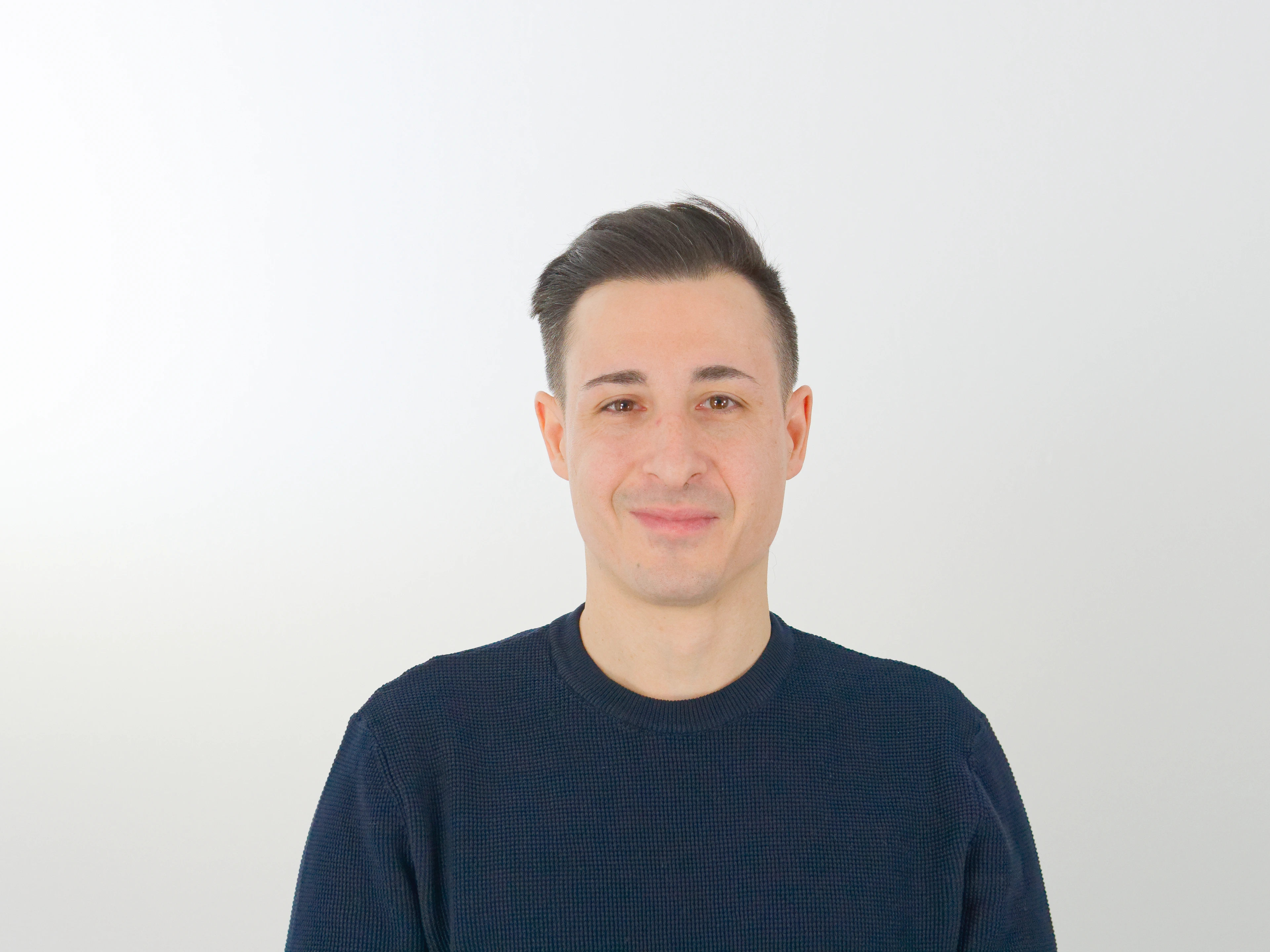
Stefan Bauer
Systems Genetics and Machine Learning

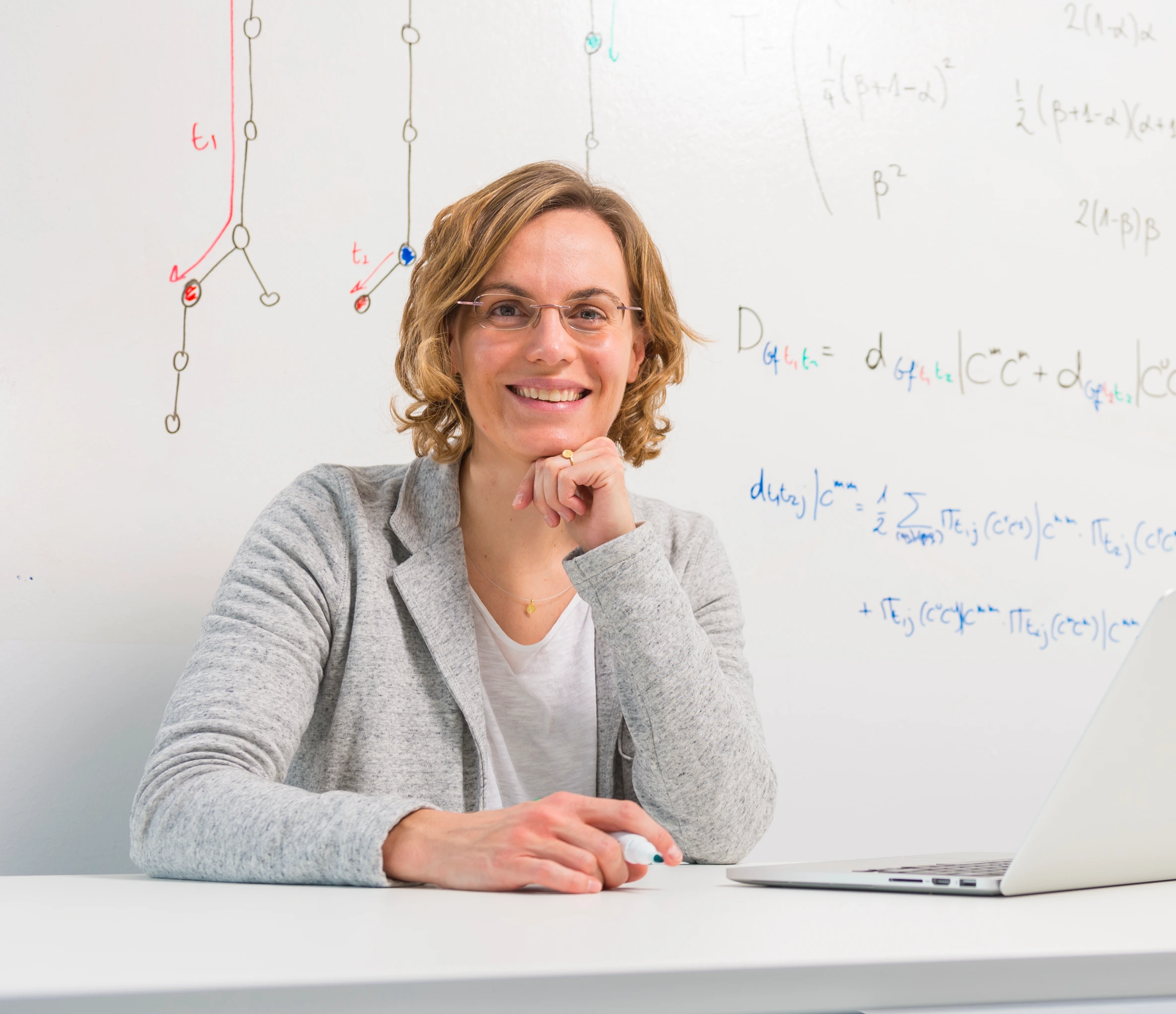
Paolo Casale
Computational Epigenomics

Maria Colomé-Tatché

Machine Learning and Data Analytics

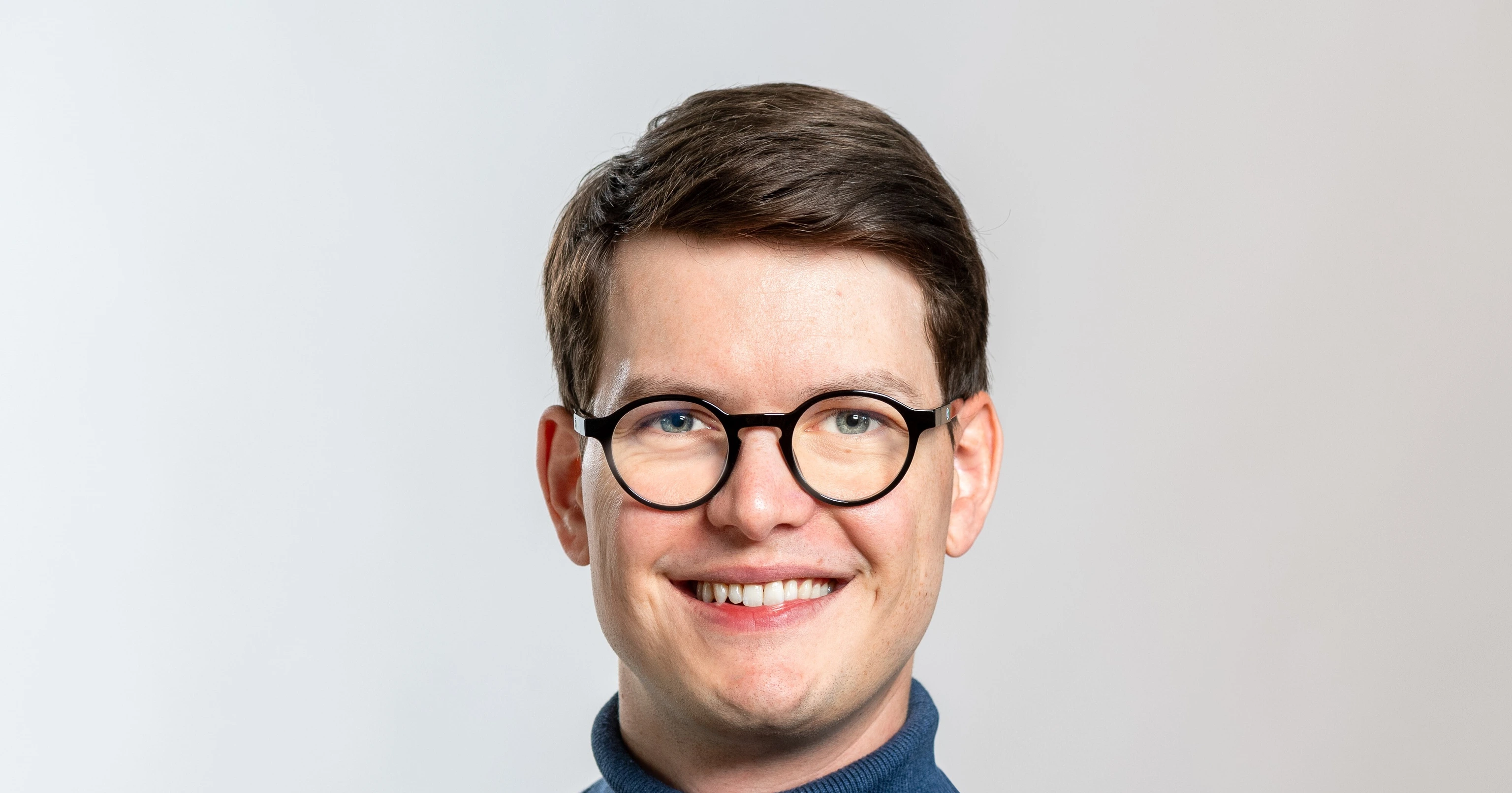
Björn Eskofier
Efficient Learning and Probabilistic Inference for Science (ELPIS)

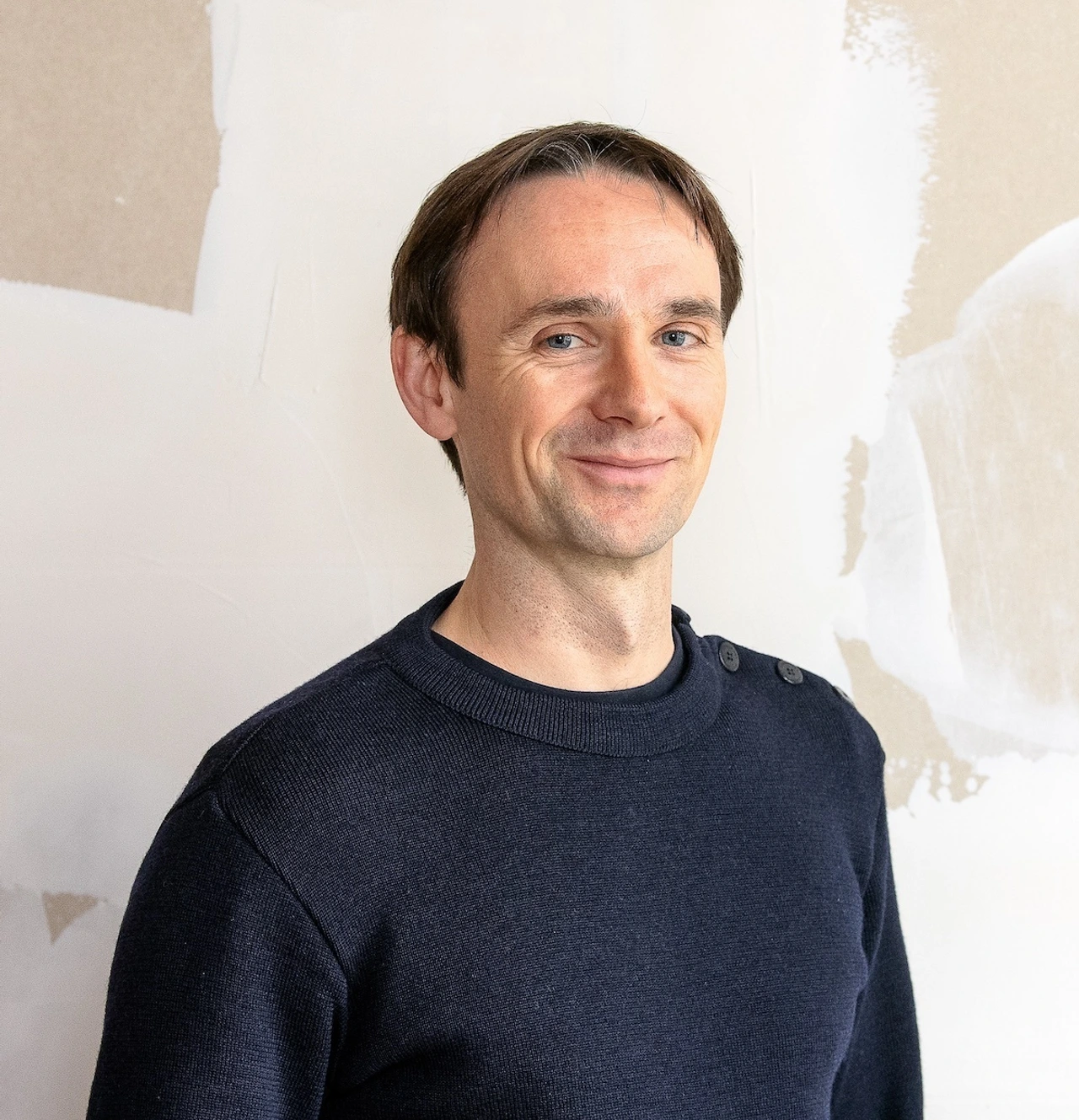
Vincent Fortuin
Computational Molecular Medicine

Julien Gagneur
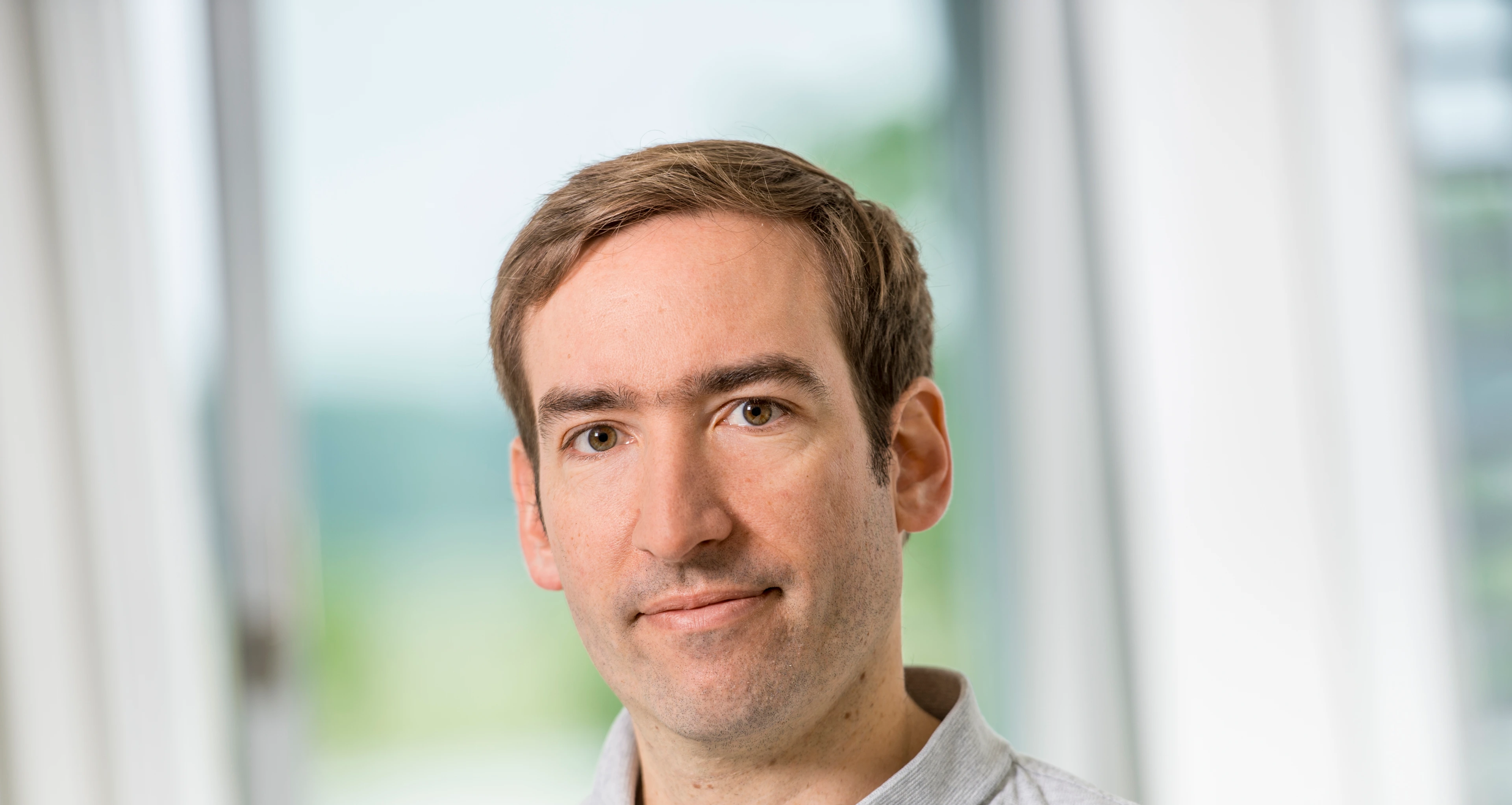
Genetic and Epigenetic Gene Regulation

Matthias Heinig
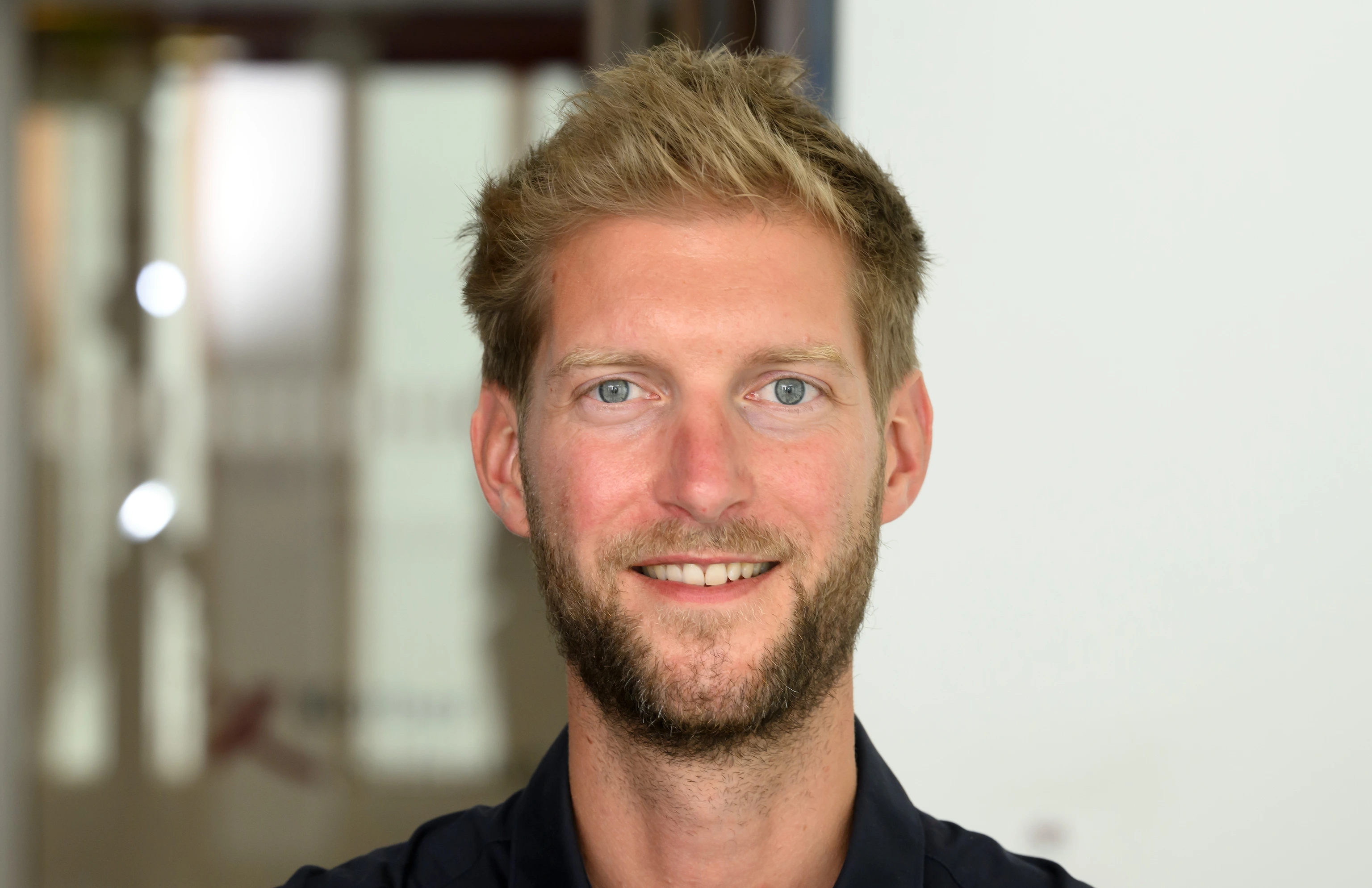
Machine Learning for Biological Discovery

Michael Heinzinger
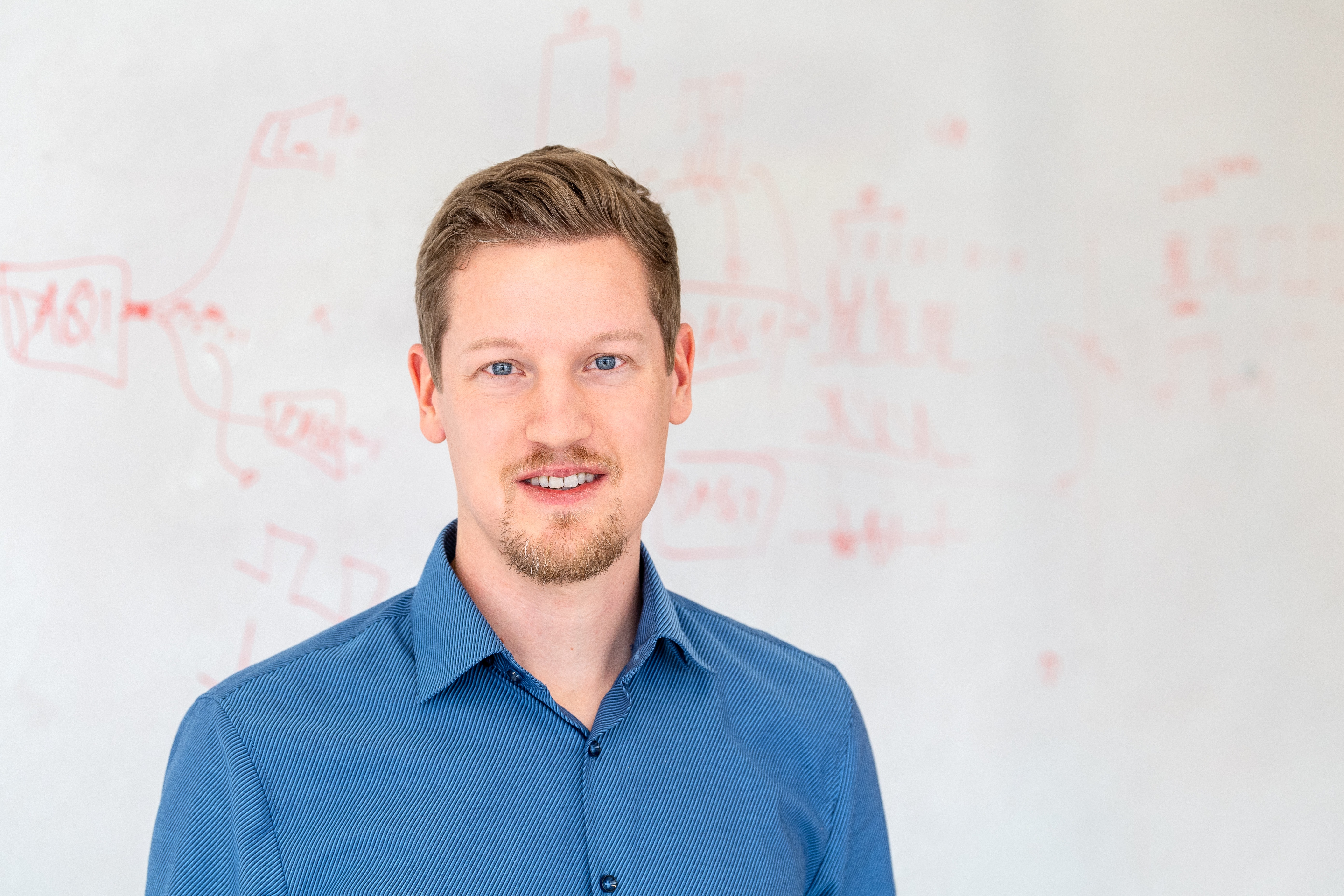
Computation and Machine Learning

Dominik Jüstel
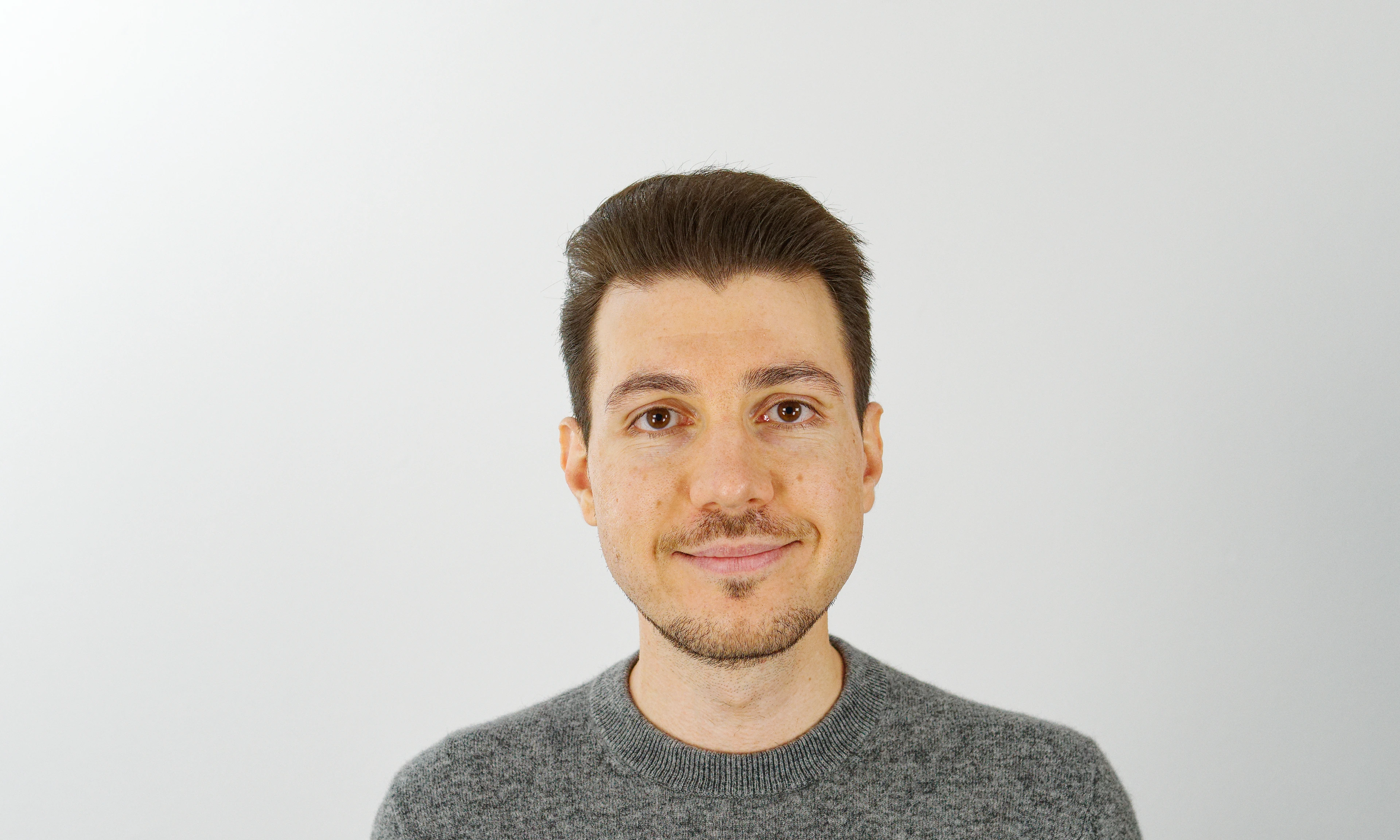
Reliable AI

Georgios Kaissis
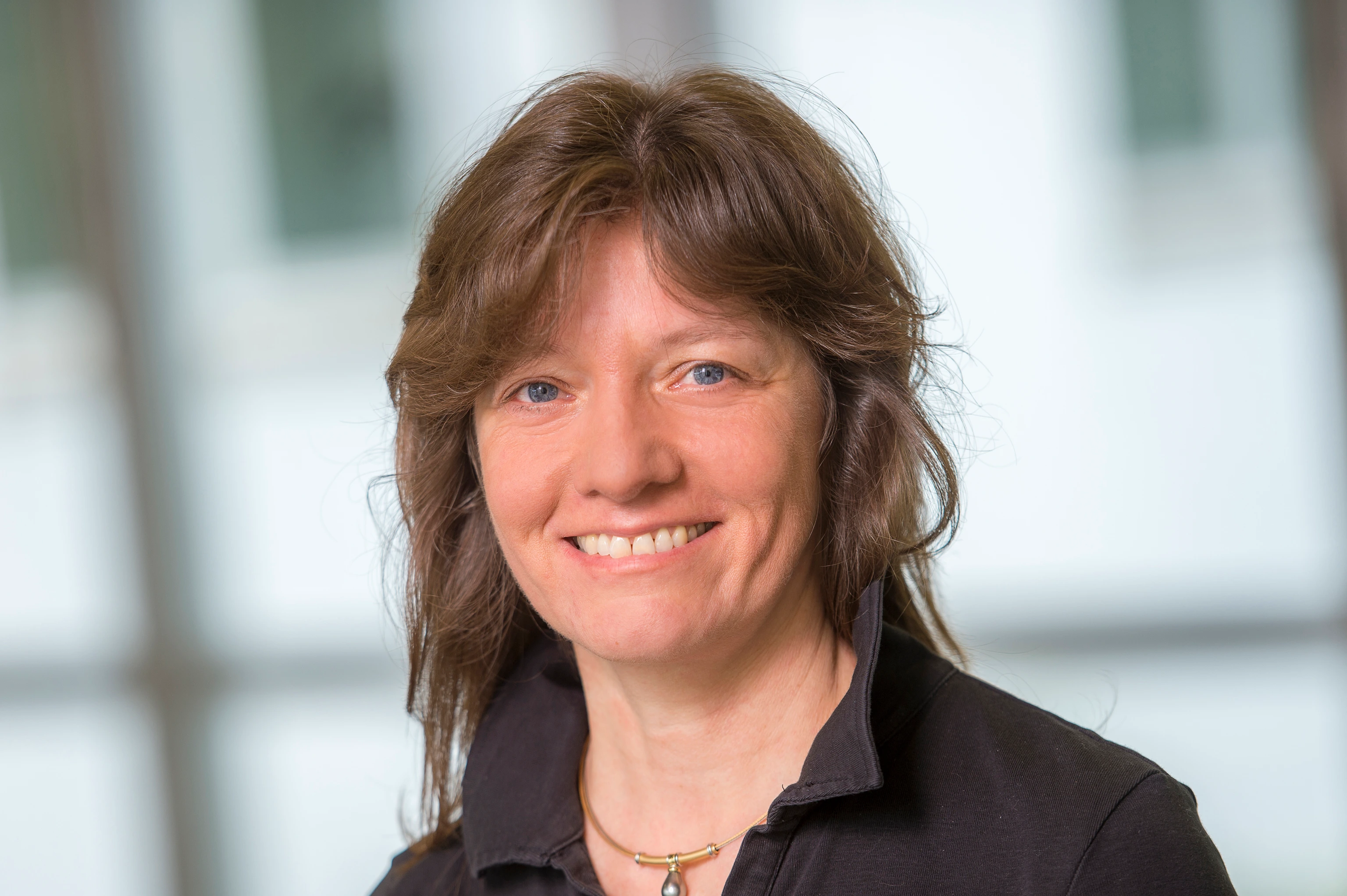
Reliable Machine Learning

Niki Kilbertus
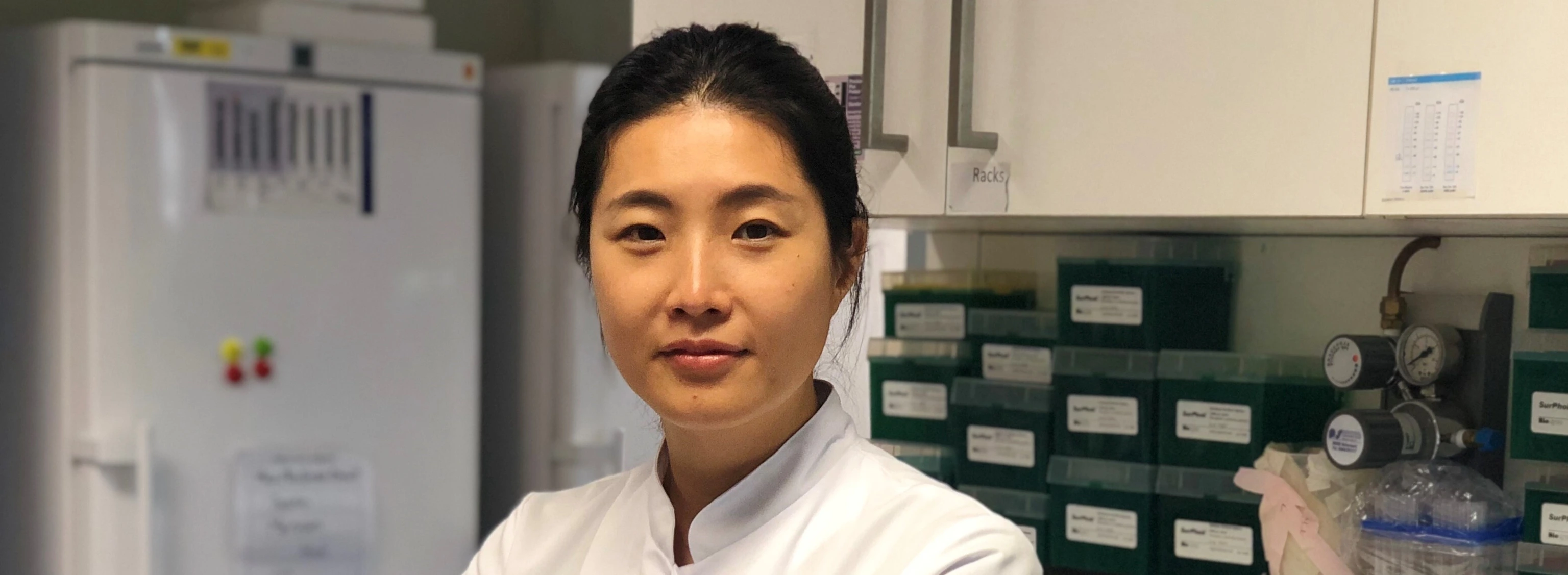
Immunogenomics

Sarah Kim-Hellmuth

Immunogenomics

Daniel Kotlarz
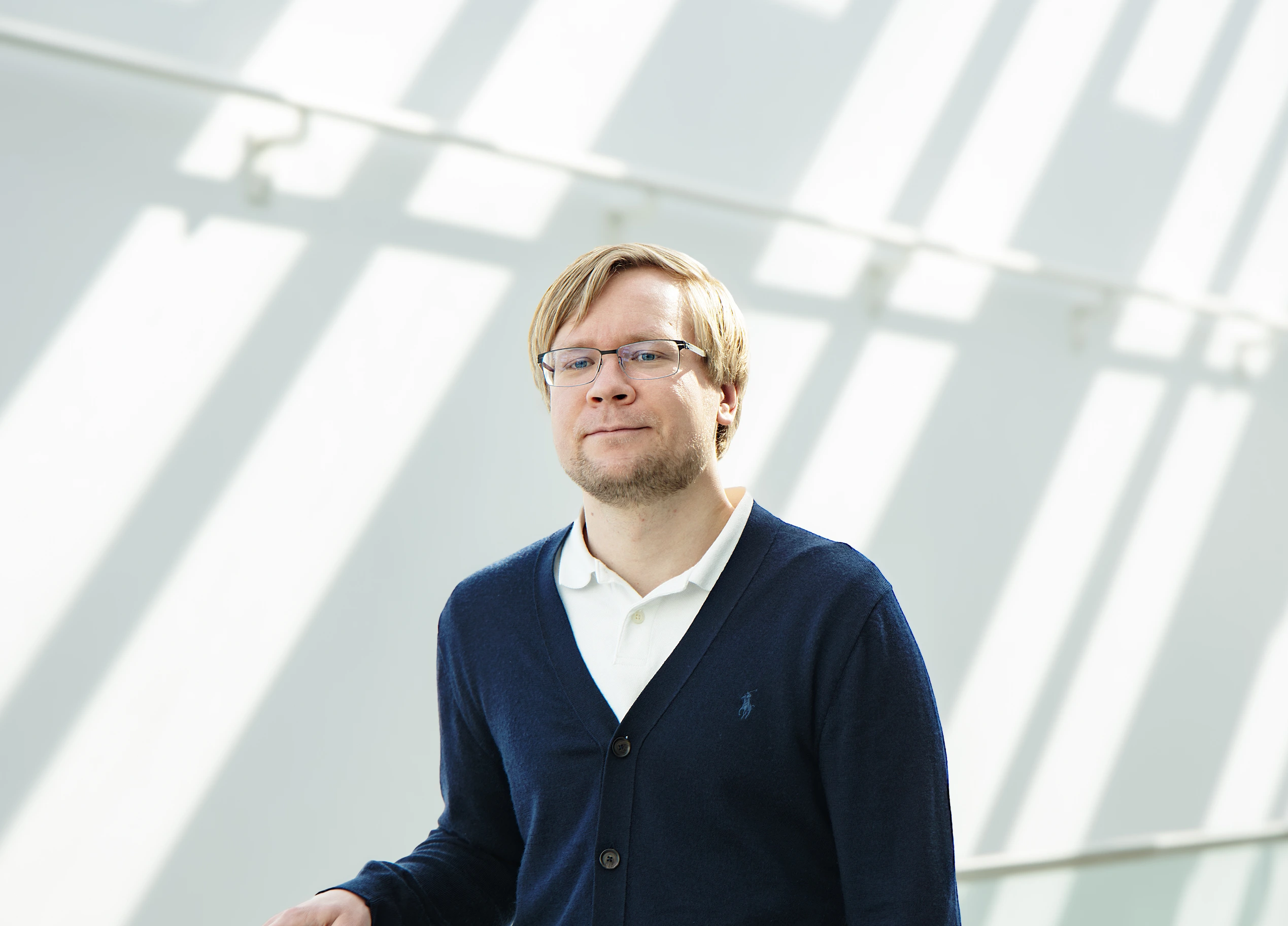
AI for Genomic Medicine

Johannes Linder
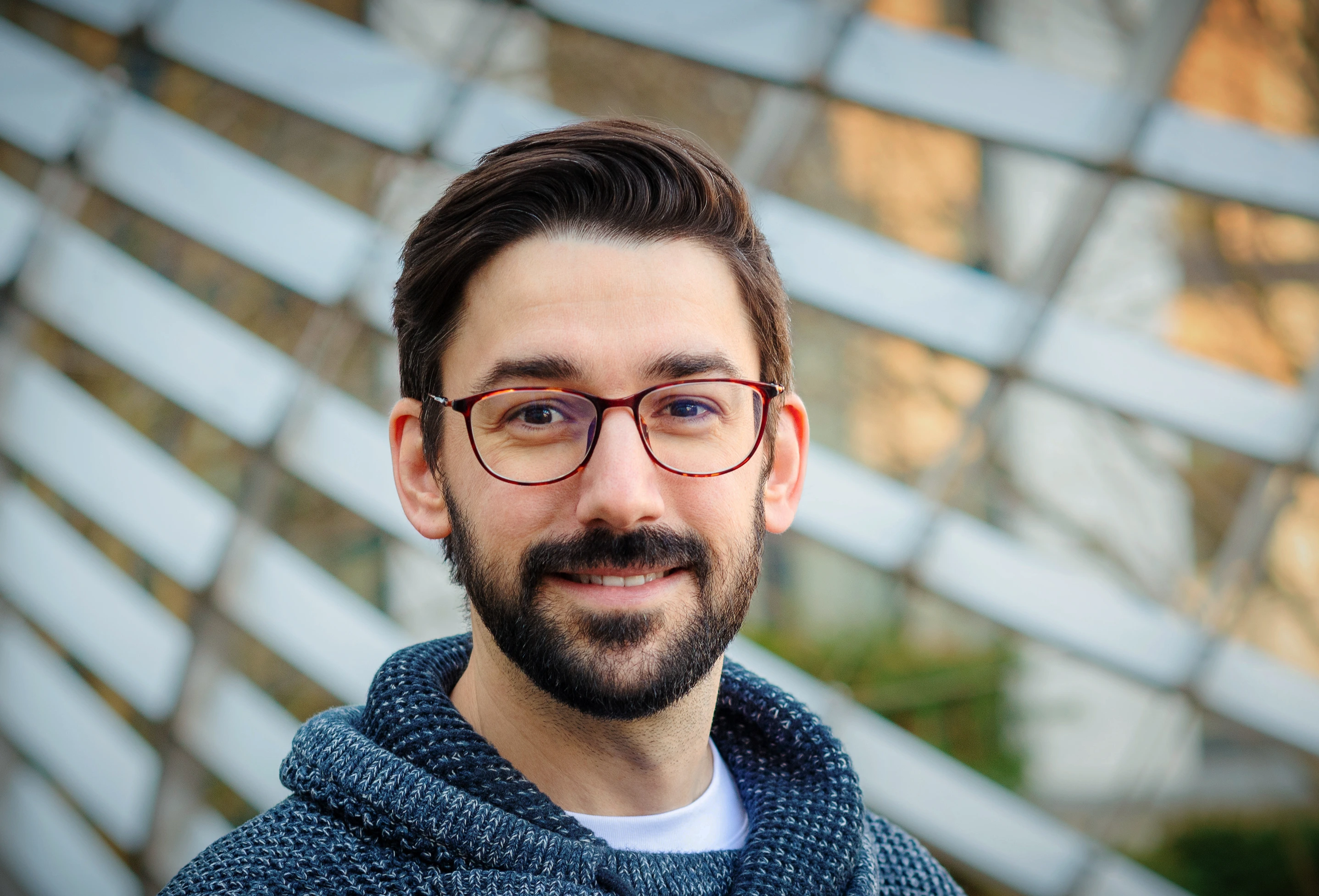
Accessible Biomedical AI Research

Sebastian Lobentanzer
Single-Cell and Long-Read RNA Regulation Lab – AI for Kids

Mariela Cortés López
Integrative Genomics

Malte Lücken
Institute of AI for Health

Carsten Marr
Computational RNA Biology

Annalisa Marsico
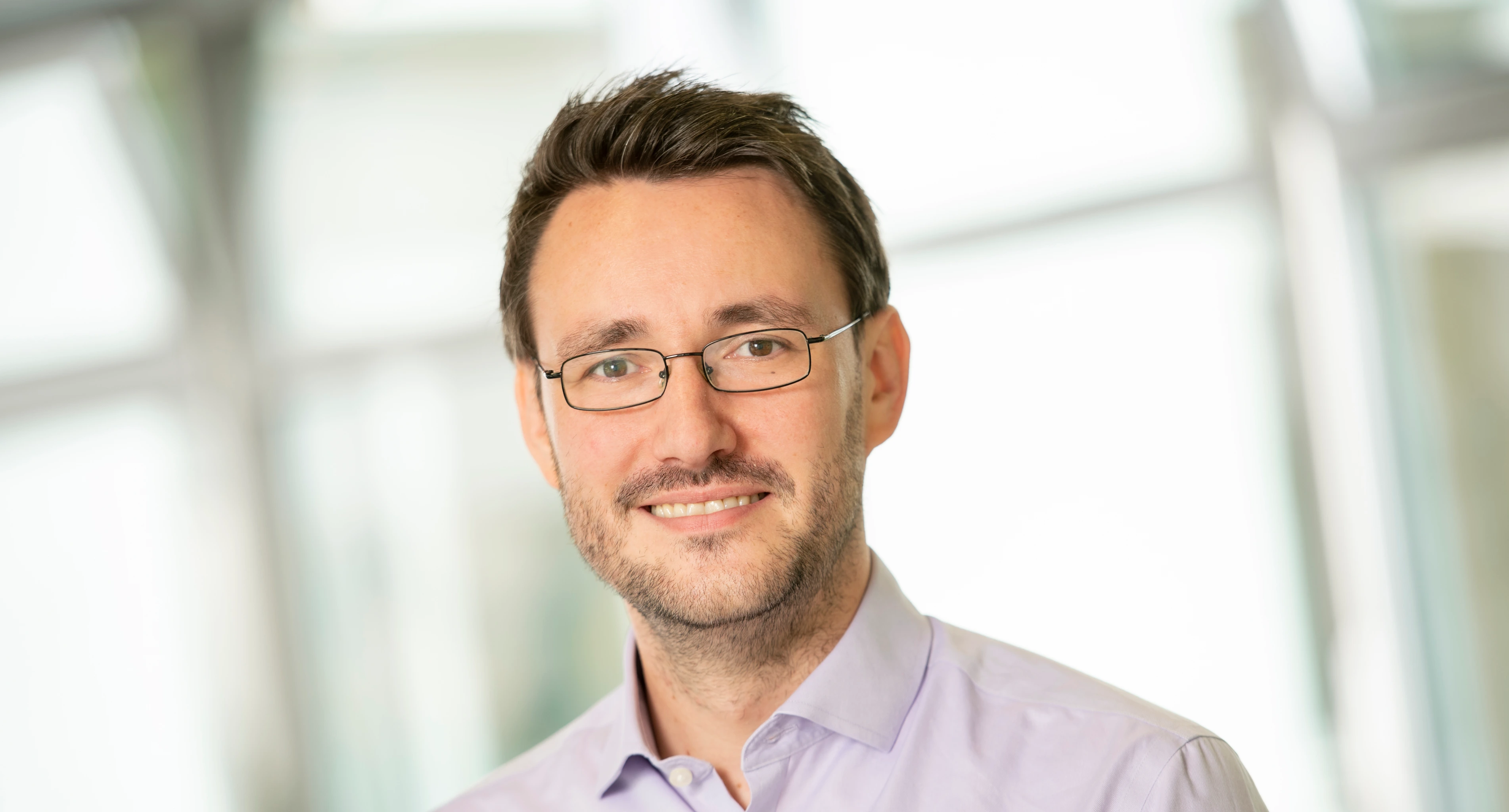
Computational Biomedicine

Michael Menden
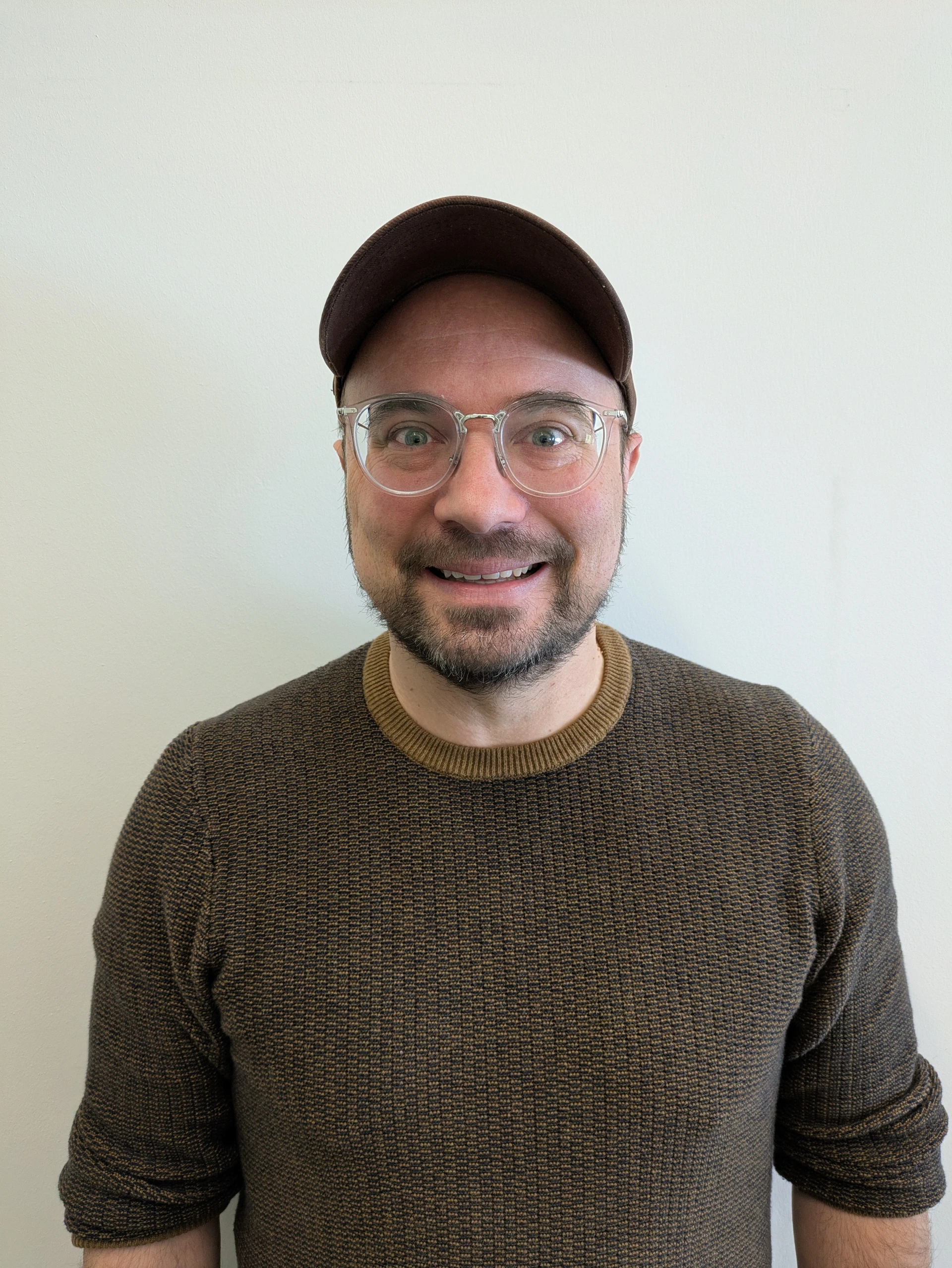
Computational Statistics and Data Science for Biological Systems

Christian Müller
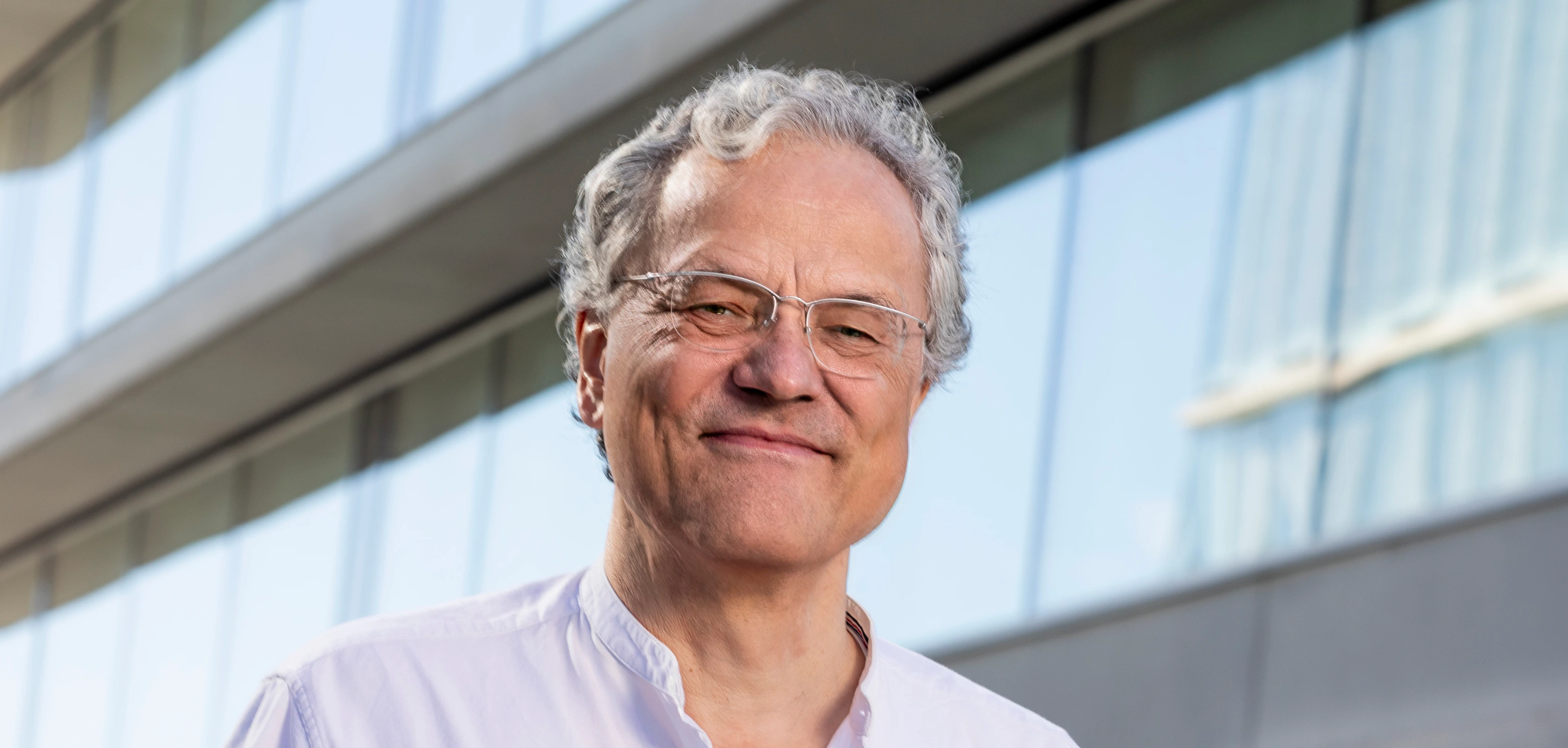
Neurogenetic Systems Analysis

Konrad Oexle
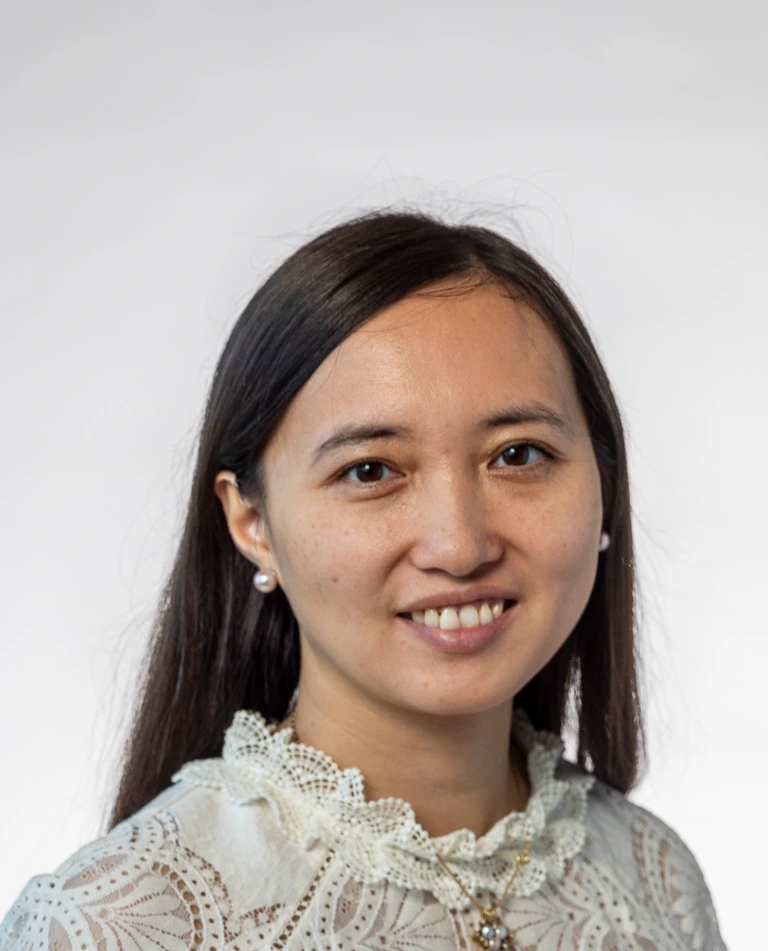
AI for microscopy and computational pathology

Tingying Peng
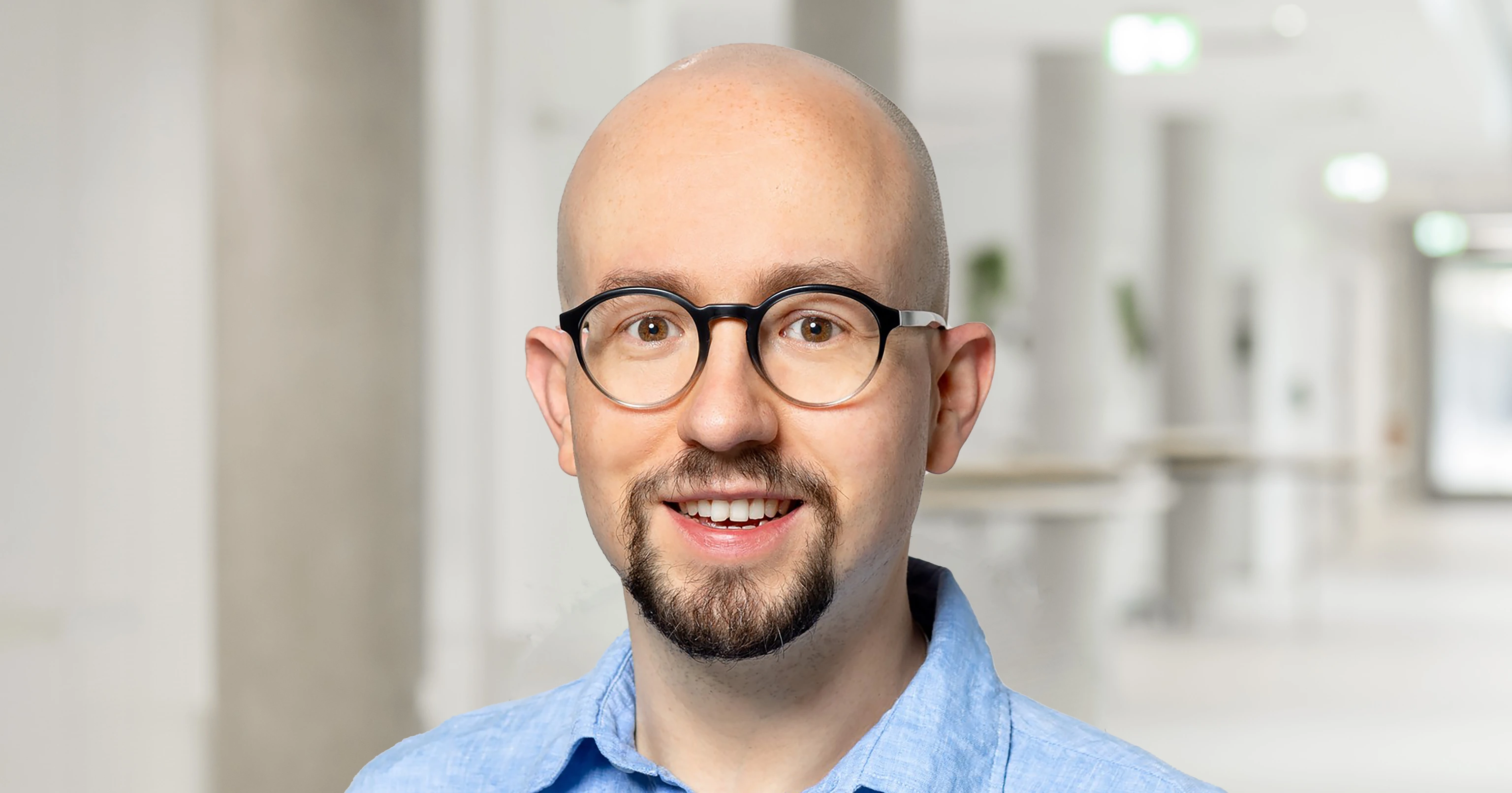
Helmholtz AI

Marie Piraud
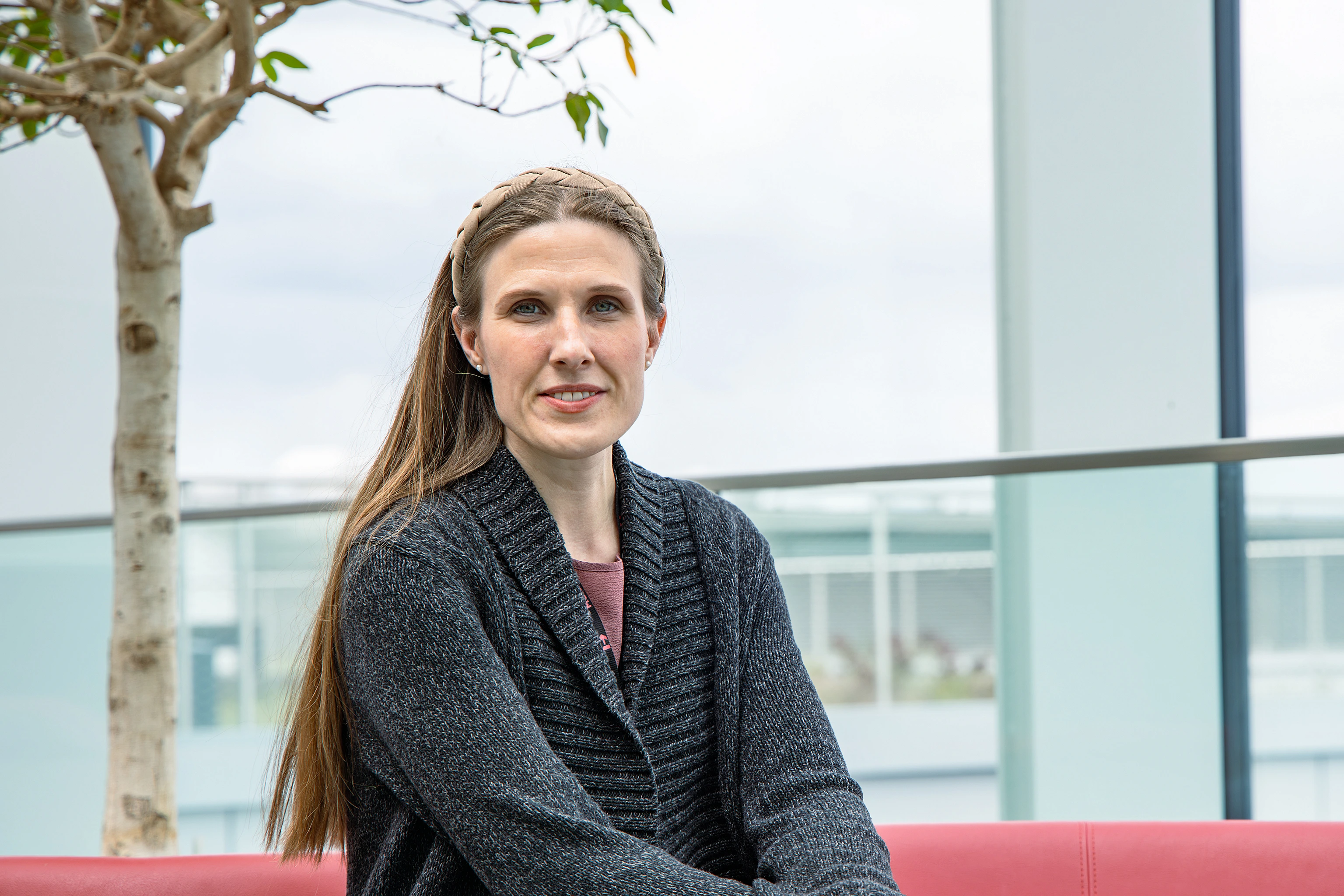
Institute of Structural Biology

Iva Pritišanac
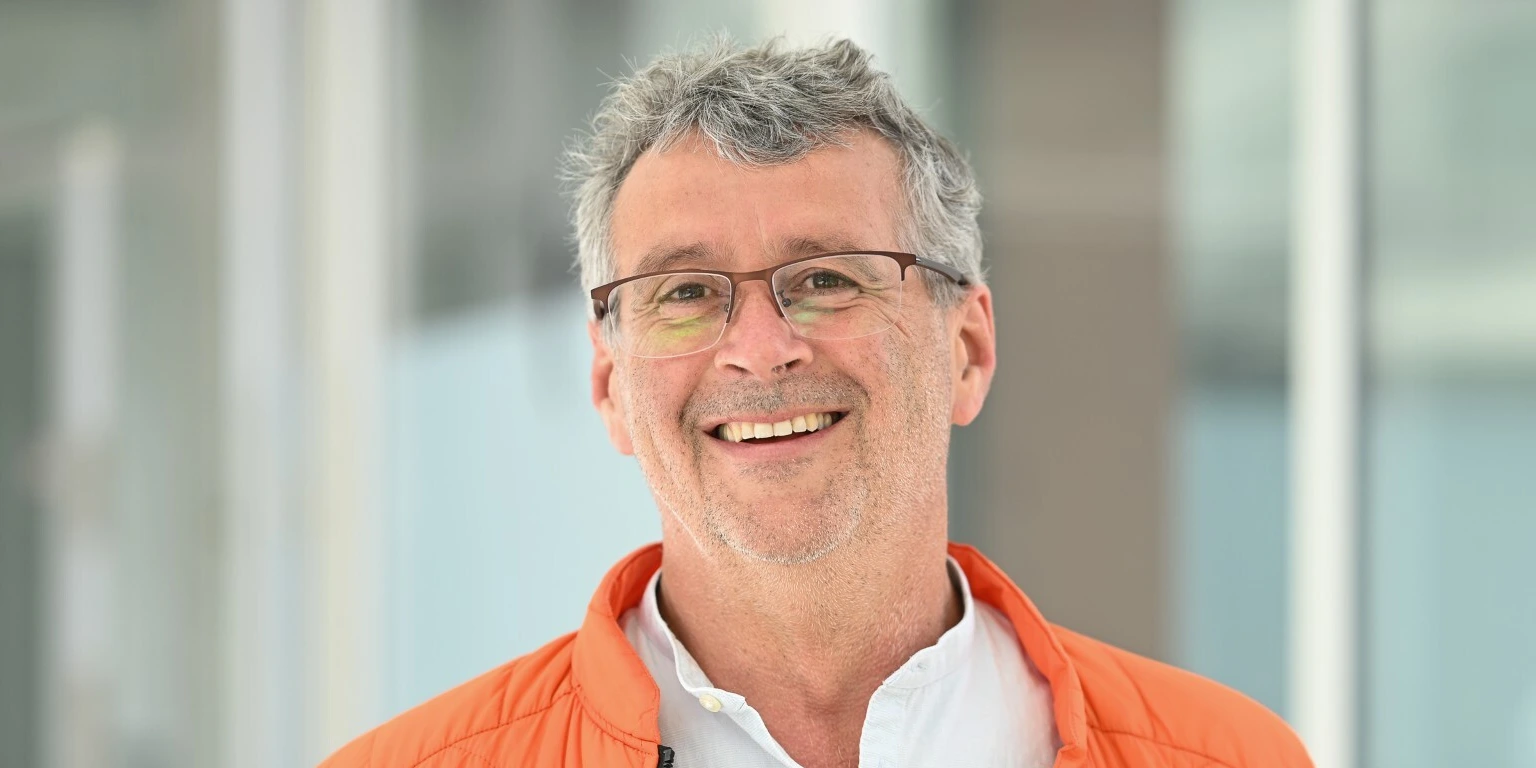
Multiomics for Disease Diagnostics

Holger Prokisch
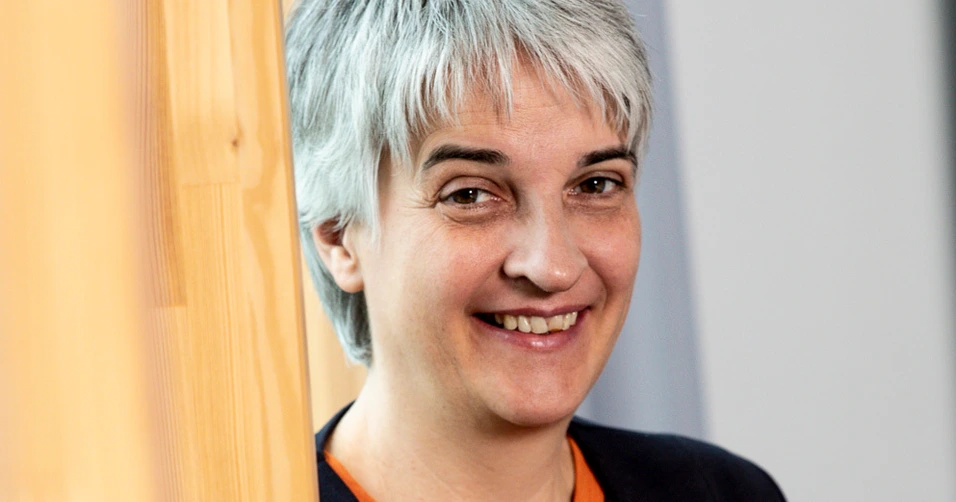
Machine Learning in Biomedical Imaging

Julia Schnabel
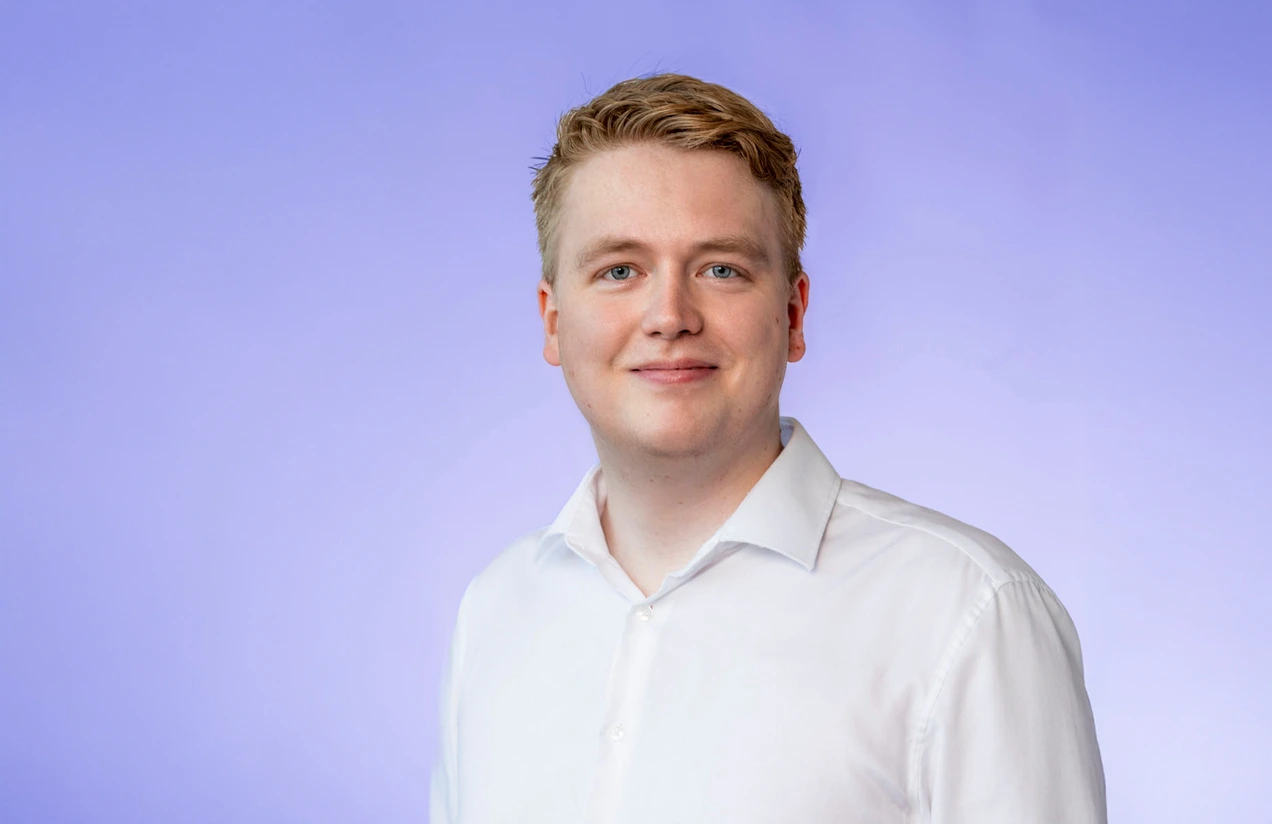
Dynamical Inference

Steffen Schneider
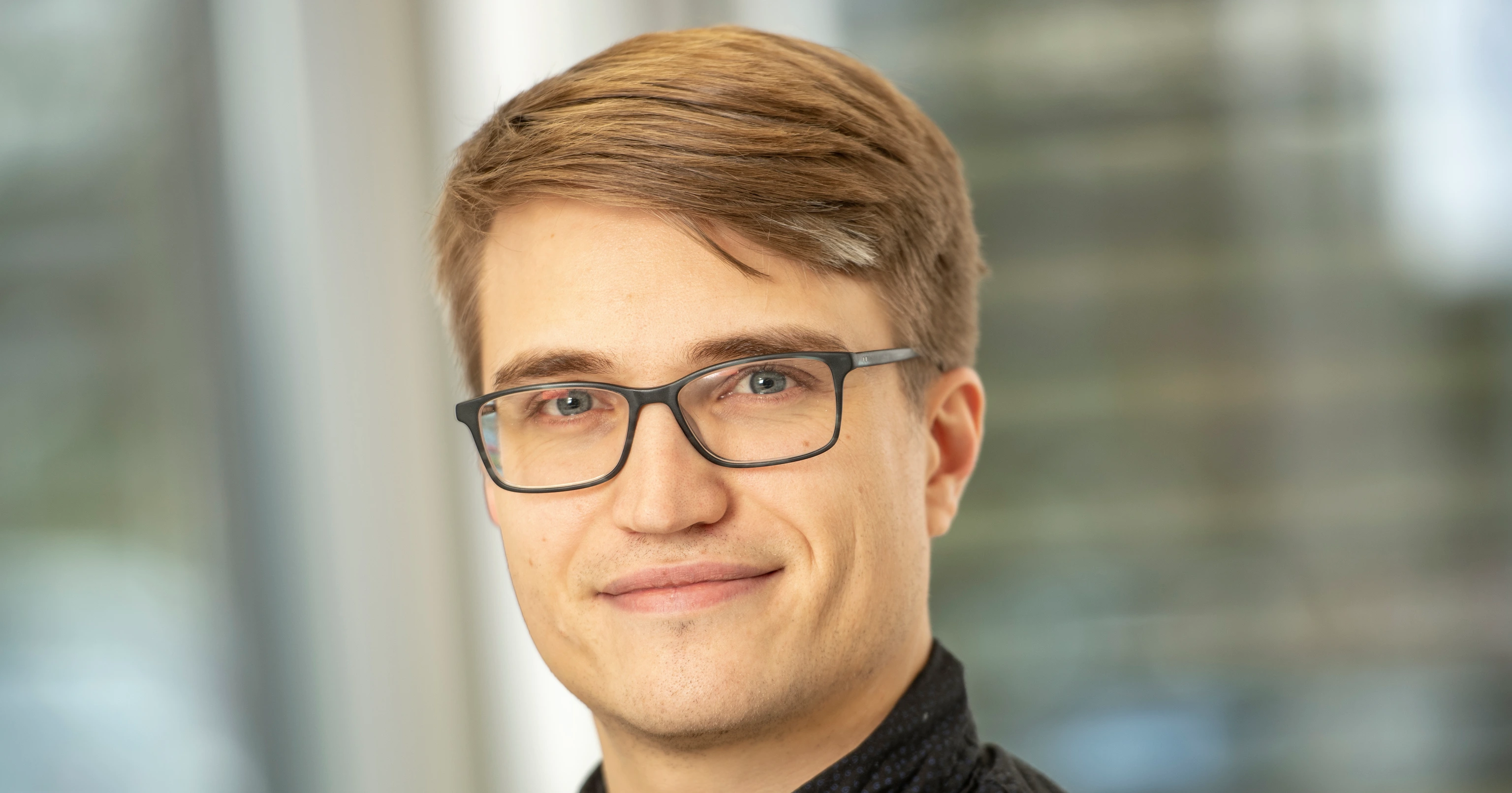
Translational Immunoinformatics

Benjamin Schubert
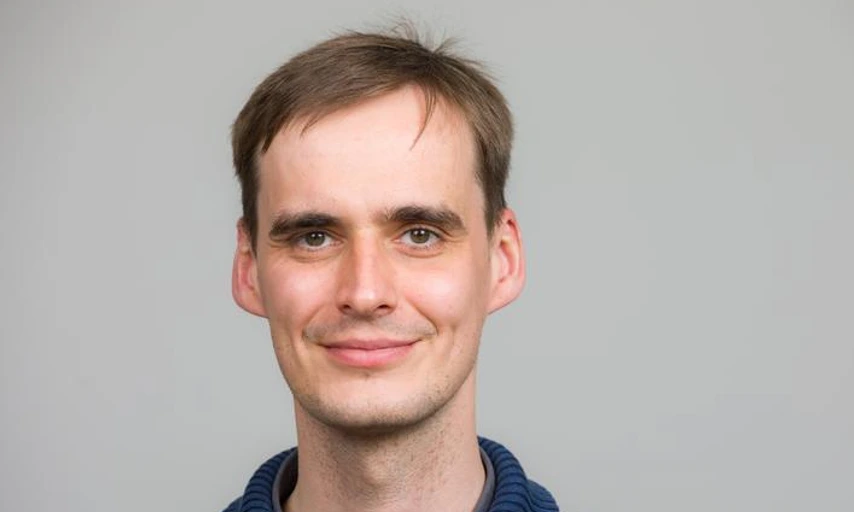
Human-Centered AI

Eric Schulz
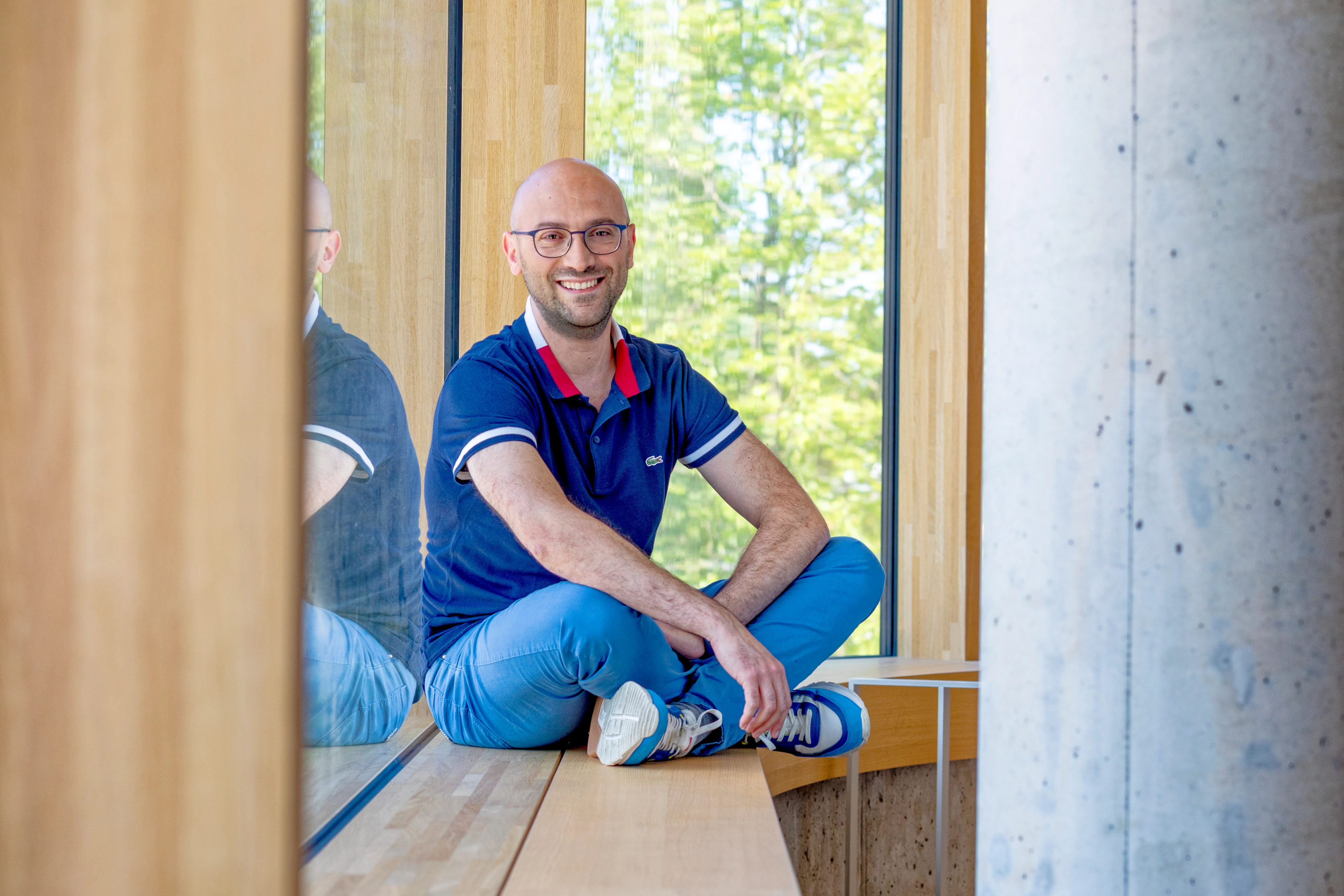
Physics and data-based modelling of cellular decision making

Antonio Scialdone
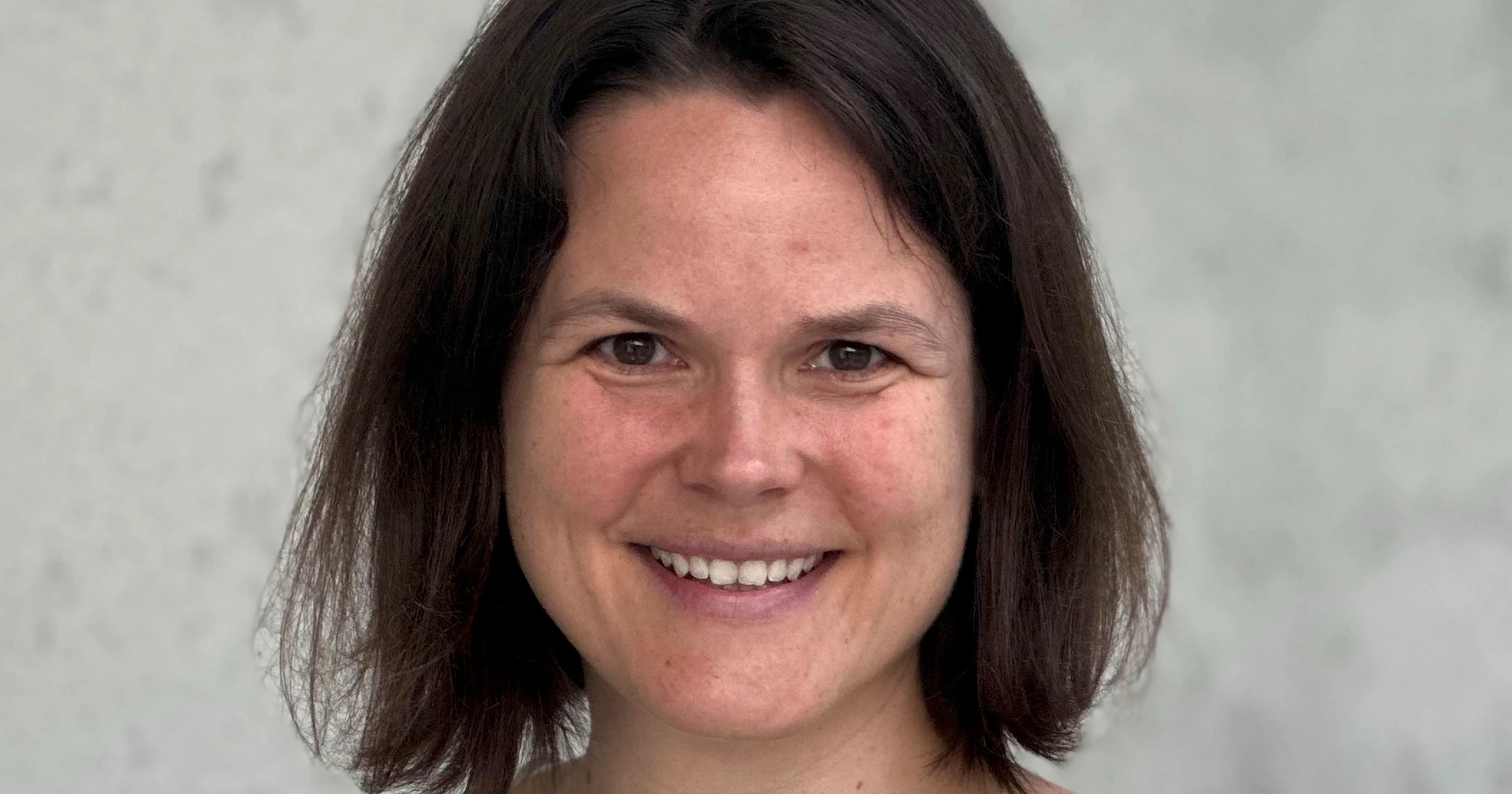
Machine Learning and Data Science

Hannah Spitzer
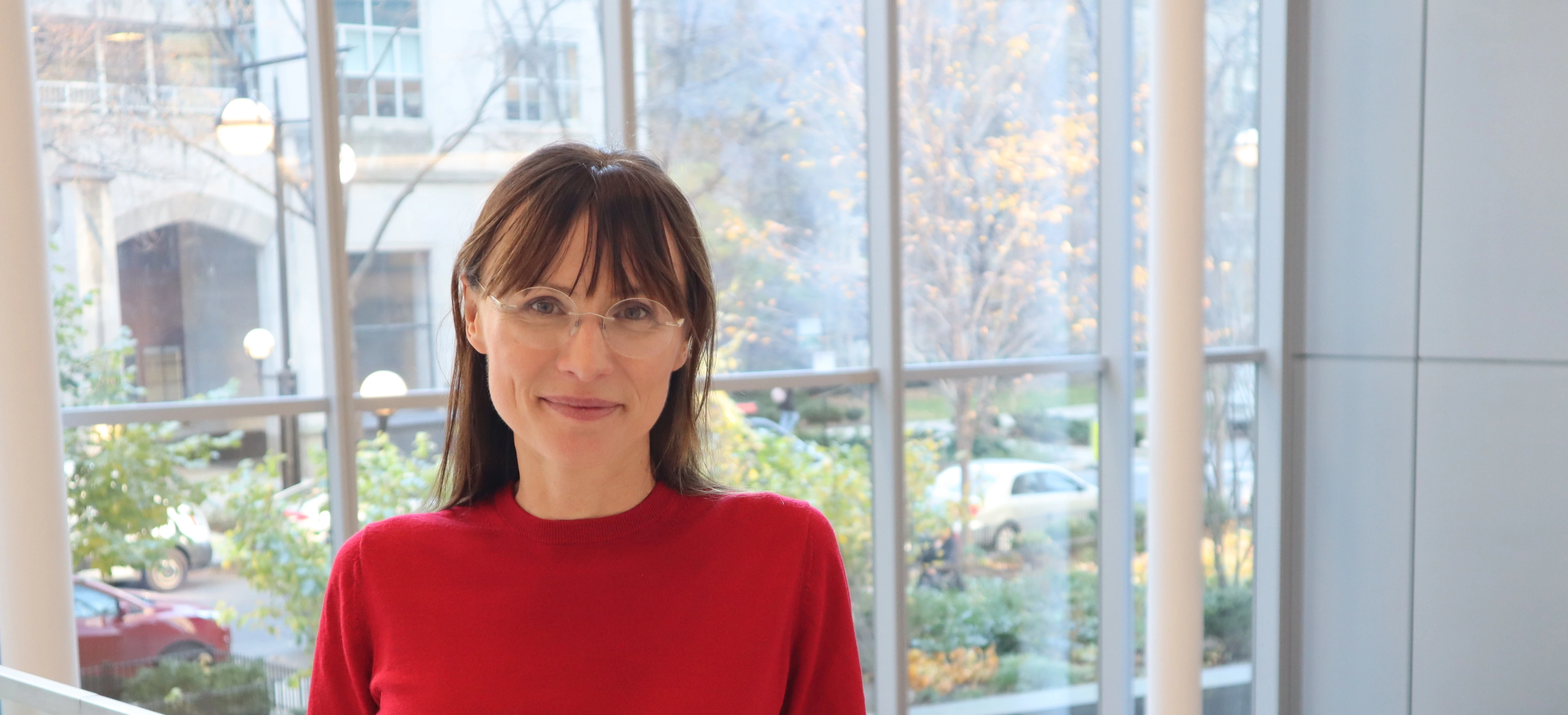
Institute of AI for Health

Ewa Szczurek
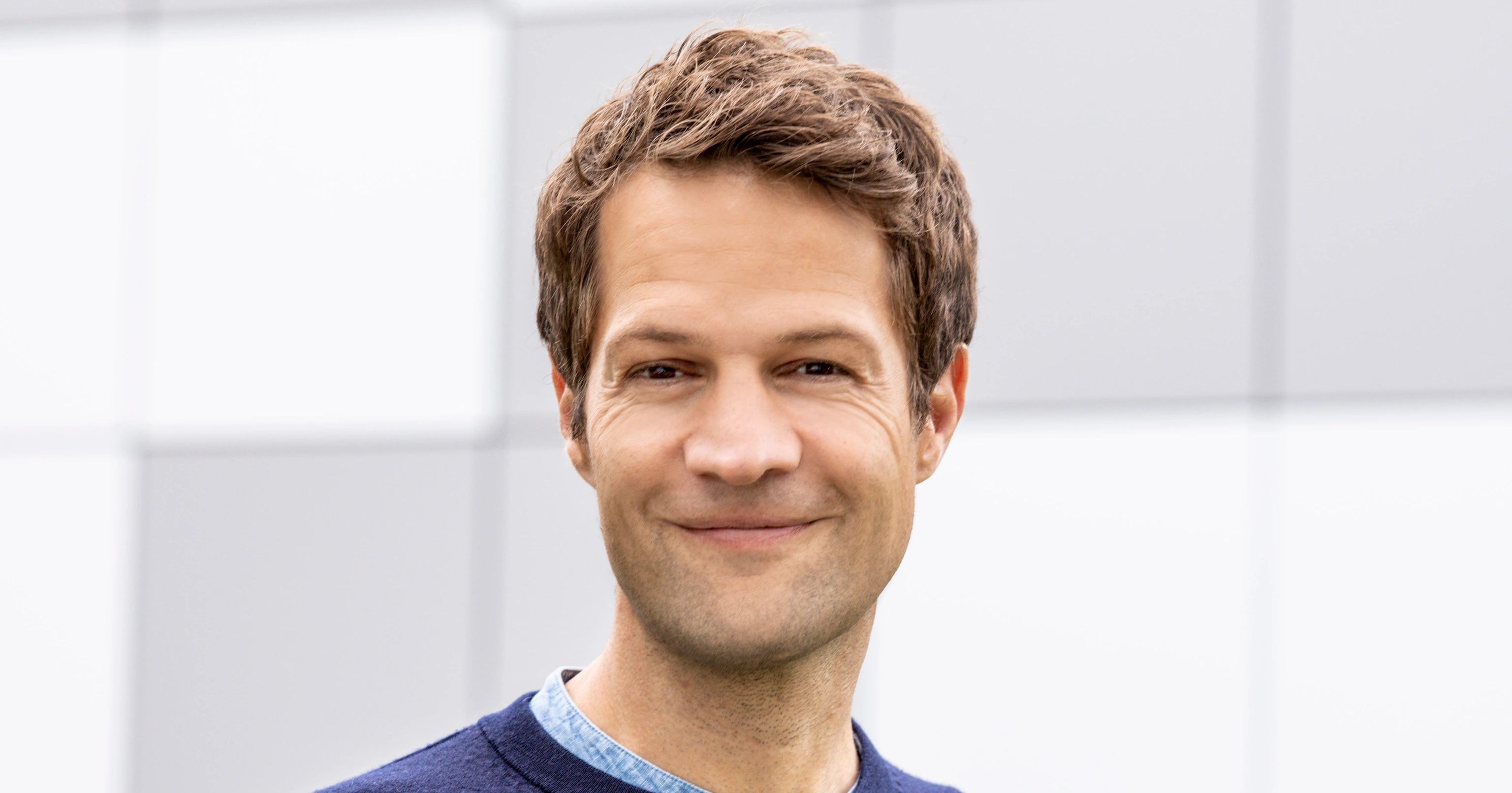
Machine Learning

Fabian Theis
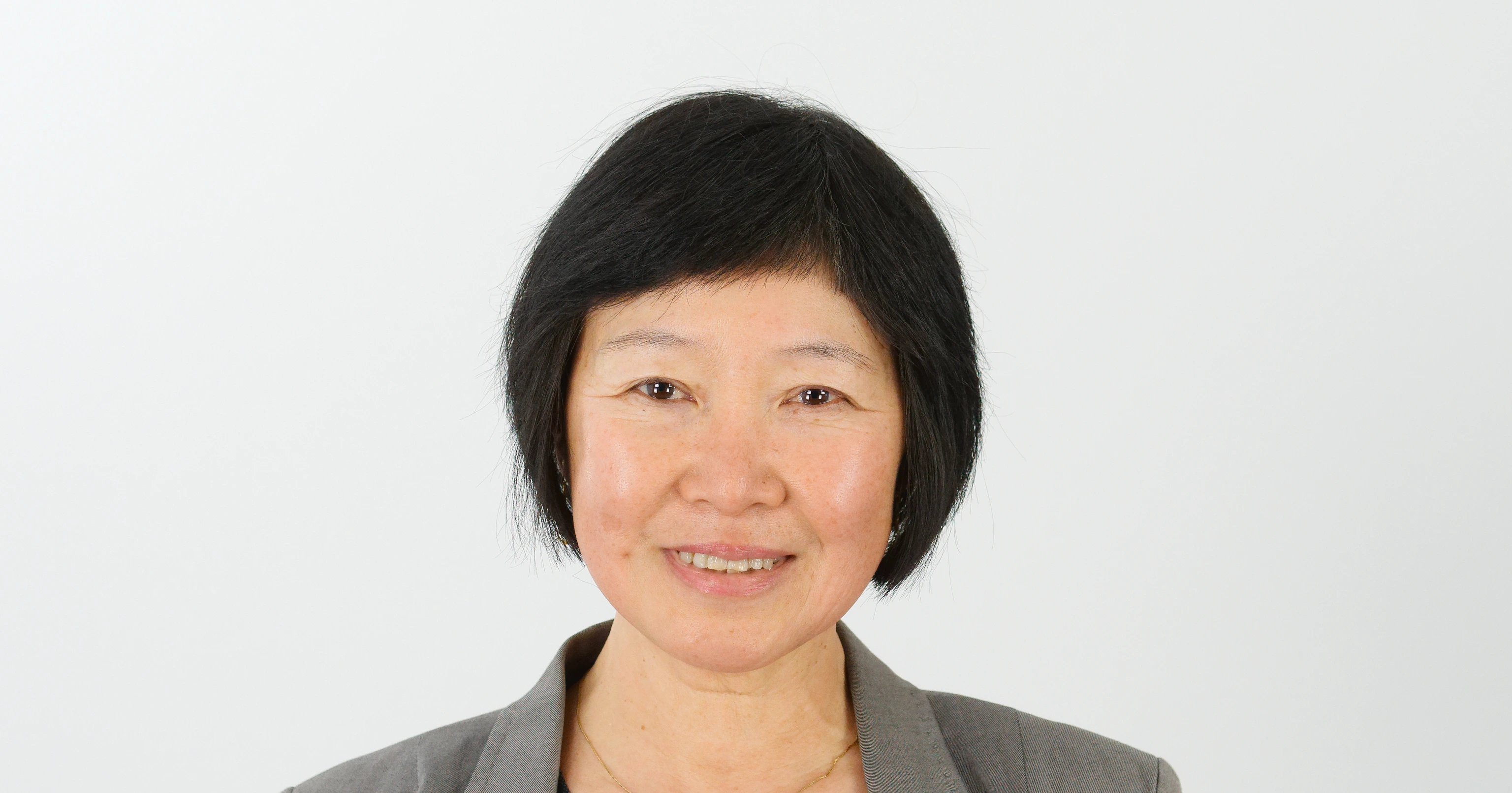
Metabolomics

Rui Wang-Sattler
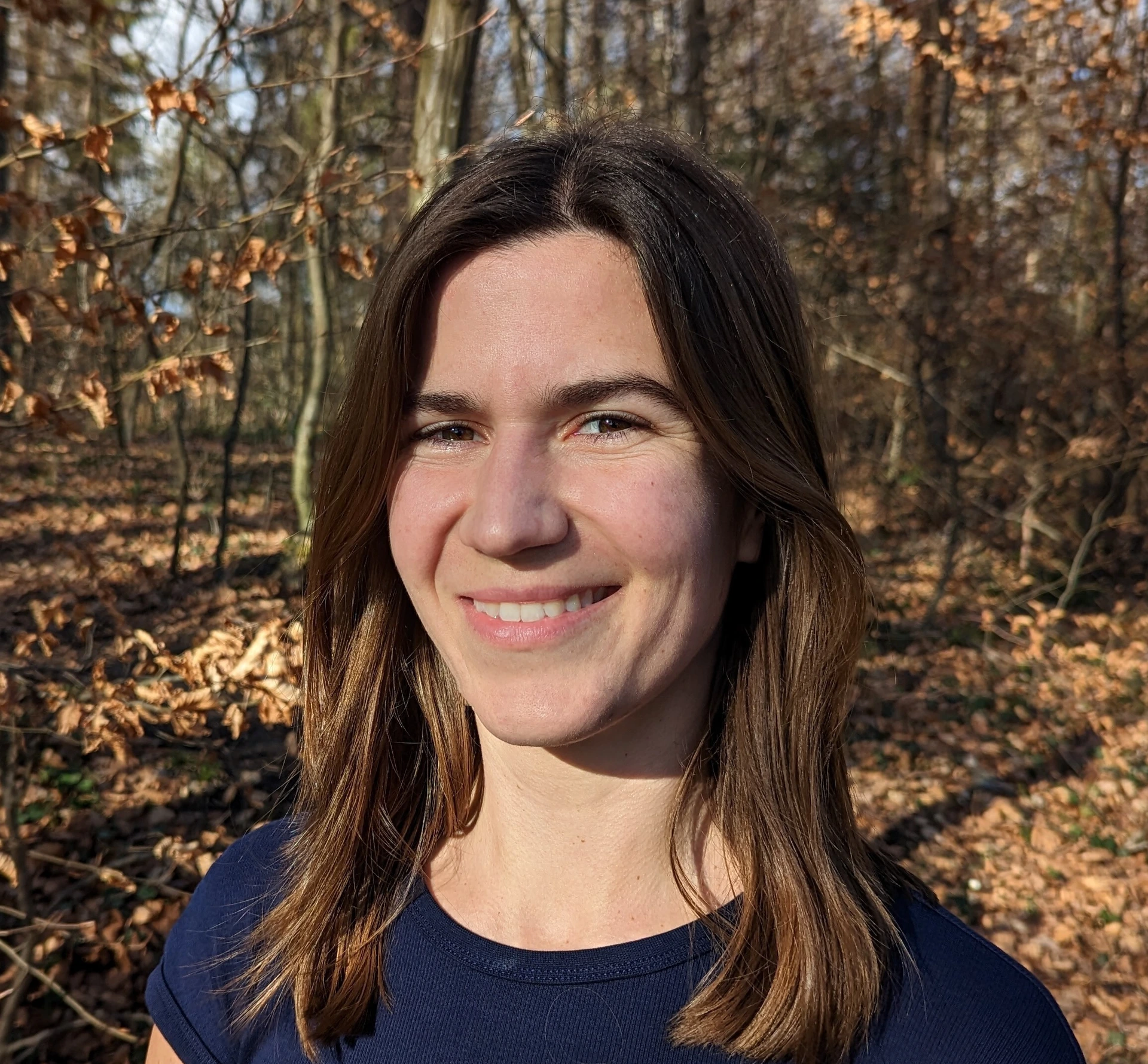
Pioneer Campus

Lara Urban
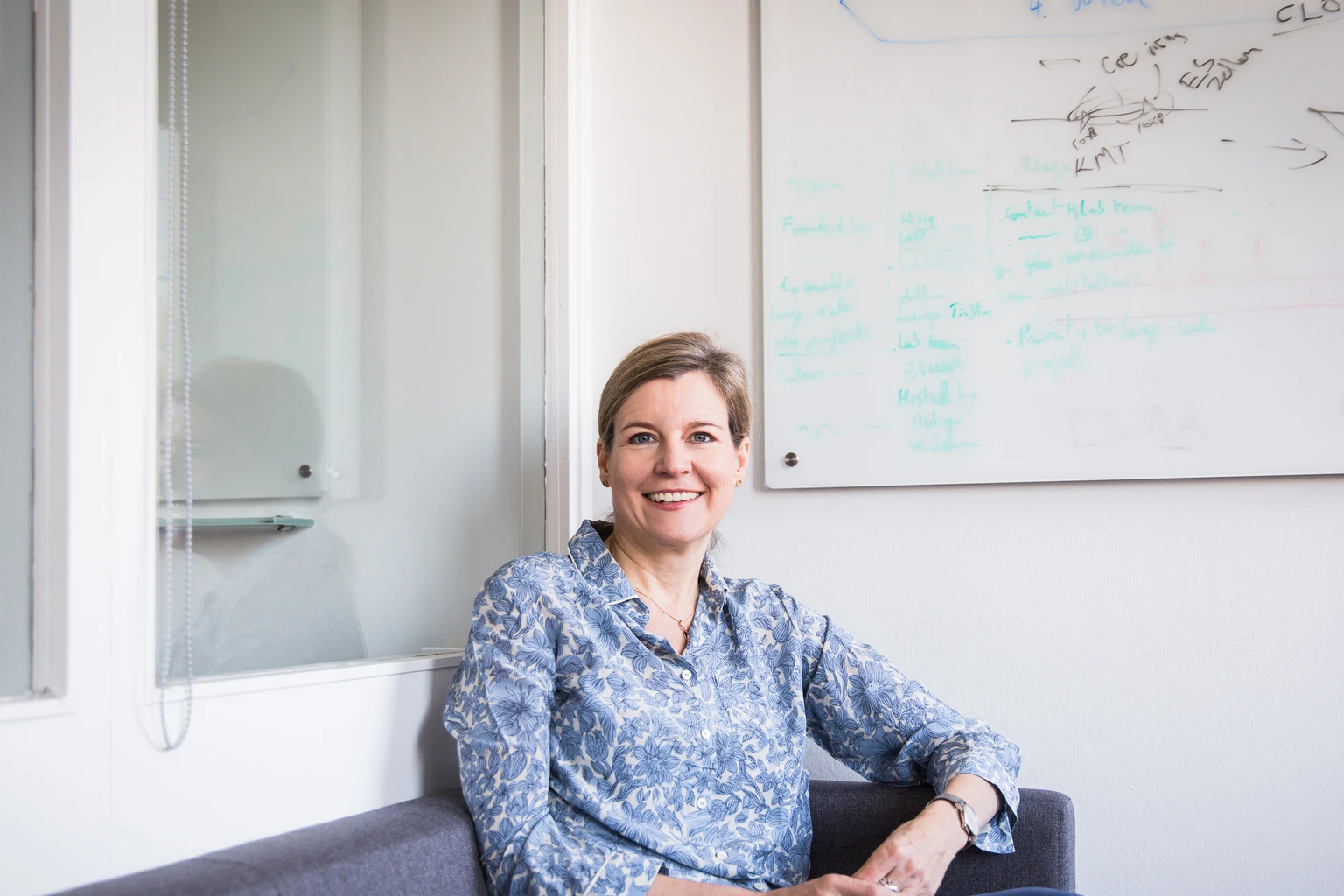
Translational Genomics

Ele Zeggini

A visualization of a machine learning model deployment with predictions being made on new data. The environment, Generative AI

International Conference Contributions

Follow the link to find the latest contributions from Computational Health Center researchers at international AI conferences:

Read more

Health AI Fellows Program

Postdoctoral Health AI Fellows Program

The newly established Postdoctoral Health AI Fellows (HAIF) Program is dedicated to fostering independent, high-impact research in computational biomedicine and health-related AI. Our mission is to empower early-career postdoctoral scientists from computational, mathematical, engineering, and physical science disciplines by granting them early scientific independence to boldly address key challenges in computational biomedicine.

Recent advances in computation have transformed our understanding of molecular processes and their effects on health and disease. Breakthroughs in modeling, AI, and large-scale data analysis have reshaped biomedicine, enabling researchers to extract meaningful insights from increasingly complex biological datasets. As high-throughput technologies generate vast volumes of data, new challenges emerge in scale, management, analysis, and interpretation. Yet, these same developments open unprecedented opportunities to uncover complex biological mechanisms, predict system behavior, and understand pathophysiological processes. 

Unlike traditional postdoctoral positions, HAIF fellows join the Computational Health Center (CHC) at Helmholtz Munich as independent early-career researchers with greater autonomy. Each fellow has access to  mentoring by two senior researchers, either two CHC Principal Investigators, or one Principal Investigator and one external expert from university, industry or a start-up. With this support structure, fellows have the freedom to develop and apply comprehensive computational strategies to tackle challenges in health research. 

By leveraging experimental, computational, and statistical approaches, the HAIF Program empowers fellows to explore new scientific frontiers that integrate data-driven and experimental methodologies. Working closely with experimental partners in Munich and beyond, fellows bring fresh perspectives to significant biological and biomedical challenges—stimulating innovation and driving the development of transformative solutions.

The call for applications will open in mid-December!

Apply here

Recent Publications

Sci. Rep. 16:20526 (2026)

Kukuljan, I. ; Dasdelen, M.F. ; Schäfer, J. ; Buck, M. ; Götze, K. ; Marr, C.

Illusion of competence: Vision–language models provide confident but inaccurate explanations in cytological diagnostics.
Sensors 26:4294 (2026)

Kirk, C. ; Kuederle, A. ; Tasca, P. ; Bicer, M. ; Megaritis, D. ; Gazit, E. ; Bonci, T. ; Paraschiv-Ionescu, A. ; Hinchliffe, C. ; Stihi, A. ; Muecke, A. ; Babar, Z. ; Vogiatzis, I. ; Eskofier, B.M. ; Mazzà, C. ; Cereatti, A. ; Mueller, A. ; Rooks, D. ; Caulfield, B. ; Rochester, L. ; Din, S.D.

Mobgap: A state-of-the-art python framework for reproducible estimation and algorithm validation of digital mobility outcomes from a single wearable device.
Med. Image Anal.:104195 (2026)

Fischer, S.M. ; Kiechle, J. ; Daza, L. ; Felsner, L. ; Osuala, R. ; Lang, D. ; Lekadir, K. ; Peeken, J.C. ; Schnabel, J.A.

Progressive growing of patch size: Curriculum learning for accelerated and improved medical image segmentation.
Eur. Heart J., DOI: 10.1093/eurheartj/ehag403 (2026)

Schmieder, R.S. ; Schlieben, L.D. ; Amosov, A. ; Krefting, J. ; Santer, R. ; von Scheidt, M. ; Semma, F. ; Sander, M. ; Holdenrieder, S. ; Pavlov, M. ; Li, L. ; Arens, S. ; Kordonouri, O. ; Koenig, W. ; Leipold, G. ; Meitinger, T. ; Schunkert, H. ; Prokisch, H. ; Sanin, V.

Genetic screening of children for familial hypercholesterolaemia: The VRONI study.
Brief. Bioinform. 27:bbag328 (2026)

Amerifar, S. ; Kopf, A. ; Sass, S. ; Moslehi, Z. ; Hecker, D. ; Enssle, J.C. ; Schulz, M.H. ; Oellerich, T. ; Theis, F.J. ; Buettner, F.

Continuous multi-omics pathway enrichment analysis resolves hidden functional heterogeneity.
Nucleic Acids Res. 54:gkag650 (2026)

Qi, Q. ; Tomaz da Silva, P. ; Vangalis, V. ; Dockx, S. ; Steensels, J. ; Voordeckers, K. ; Gagneur, J. ; Verstrepen, K.J.

Intron location and sequence modulate gene expression in Yarrowia lipolytica.
Physiol. Rep. 14:e70999 (2026)

Enders, K. ; Dollsack, M. ; Schranner, D. ; Bremer, S. ; Simon, P. ; Wackerhage, H. ; Neuberger, E.W.I. ; Schönfelder, M.

Female endurance athletes show a reduced plasma cell-free DNA response to all-out and 3-h cycling compared to male counterparts.

Foundation Models

Networks and Affiliations

Logo der Technischen Universität München

Technical University of Munich

Read more
Logo Munich Center for Machine Learning

Munich Center for Machine Learning

Read more
Single_Cell_Logo_V2_2018_04_24

Single Cell Omics Germany


Read more

Logo Ludwig-Maximilians-Universität München LMU

Ludwig-Maximilians-Universität München

Read more
ELLIS Munich Unit Logo

Ellis Munich


Read more

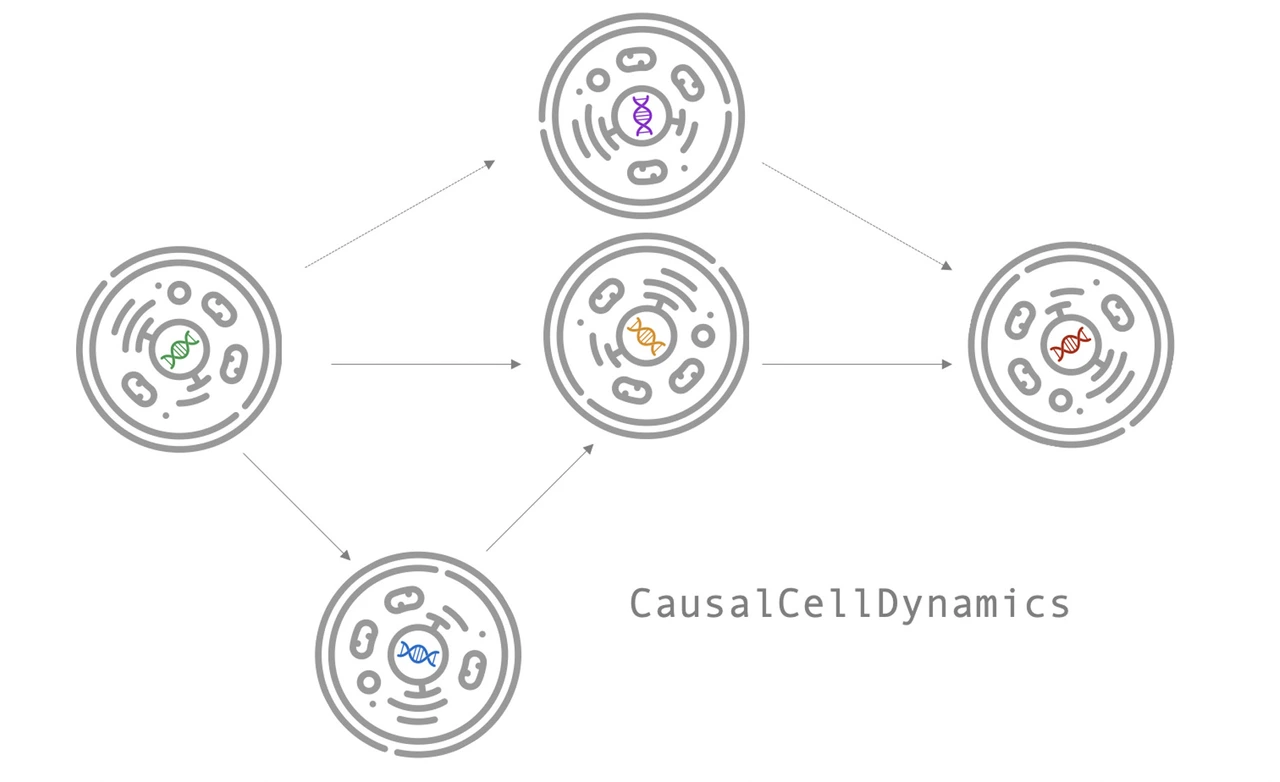
Logo CausalCellDynamics

Helmholtz International Lab: CausalCellDynamics

Read more
MUDS Logo final

Munich School for Data Science

Read more

Contact

Frau Sacher, Anna, Dr._freigestellt
Dr. Anna Sacher

Head of Science Management & Administration, Institute of Computational Biology

Ingolstädter Landstraße 1, 85764 Neuherberg

Building / Room: 58a, 105

HMGU_AI_Keyvisual_quer_ohneText

Helmholtz AI

Democratising AI for a Data-Driven Future